
If you want to master hypoallergenic beard products for sensitive, this guide covers everything you need to know. Last updated: February 2026 by Erik Lindqvist, Nordic Skincare Specialist
Growing a beard when you have sensitive skin is an exercise in contradiction. You want to condition the beard to keep it soft and manageable, but most beard conditioning products contain the exact ingredients that make your skin rebel. Fragrance oils that make a beard smell like a cedar forest also make your face break out in contact dermatitis. Lanolin-based balms that give other men soft, pliable beards give you itchy, inflamed patches of red, flaking skin. Essential oil blends marketed as “natural” and “gentle” are anything but gentle on reactive skin.
I learned this the hard way when I grew my first real beard at 28. Within a week of using a popular craft beard oil, the skin beneath my beard erupted in a rash that took three weeks to clear. The culprit was a blend of essential oils (eucalyptus, tea tree, and cinnamon) that my skin could not tolerate. The beard looked great. The face underneath was a disaster. For expert guidance on this topic, consult the American Academy of Dermatology’s eczema and sensitive skin guide.
This guide identifies the most common allergens hiding in beard products, recommends truly hypoallergenic alternatives, and provides a patch testing protocol so you never have to endure another three-week flare from an untested product.
Common Allergens in Beard Products : Hypoallergenic Beard Products For Sensitive
Beard products sit against facial skin for extended periods, creating prolonged contact that increases the likelihood of allergic reactions. Here are the most common sensitizers.
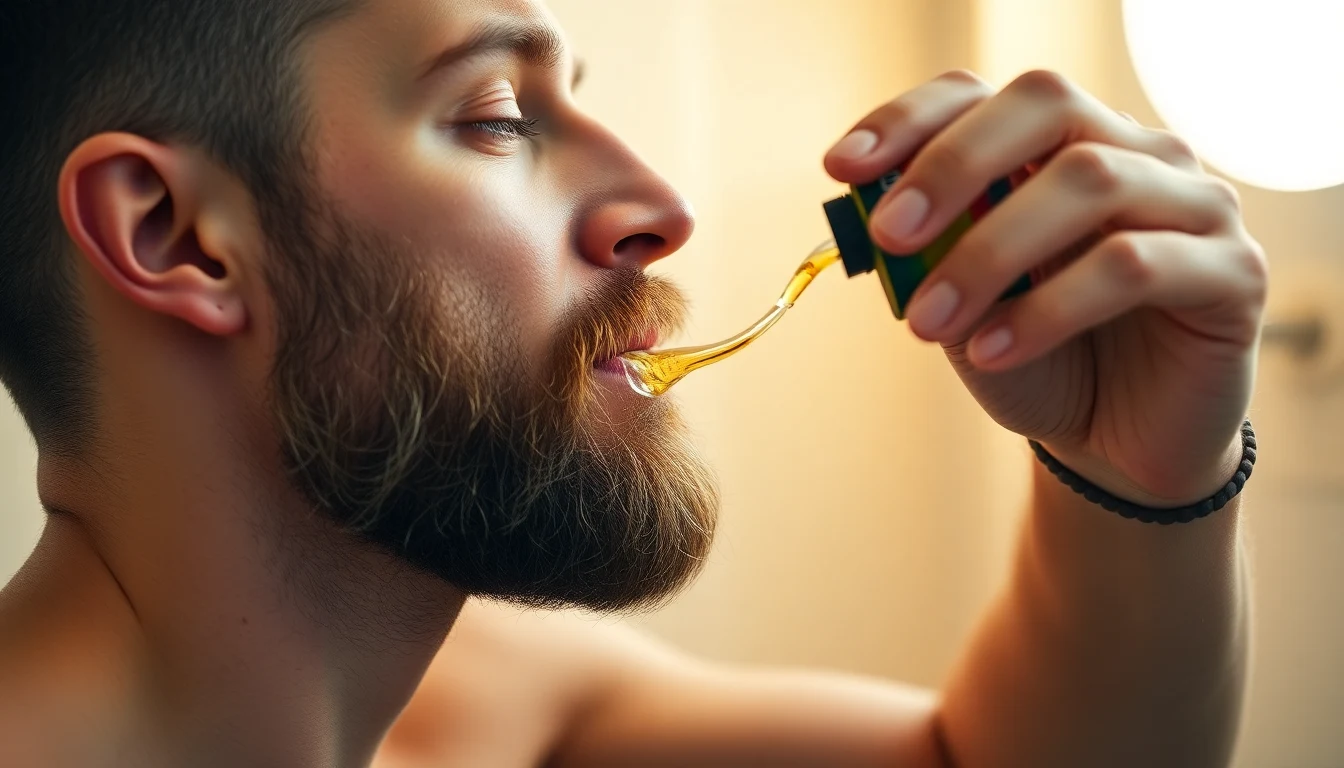
Fragrance (synthetic and natural): Fragrance is the number one cause of contact dermatitis from beard products. Synthetic fragrances (“parfum” on the label) can contain any of 3,000+ chemical compounds, and the specific ingredients are not disclosed. Natural fragrances from essential oils are not safer. Many essential oils (cinnamon, clove, eucalyptus, tea tree, peppermint, lavender) are documented allergens and irritants.
Lanolin: Lanolin (sheep’s wool wax) is a common ingredient in beard balms and mustache wax because of its moisturizing and holding properties. However, it is also one of the most common allergens in the cosmetics industry. Approximately 1.5-6% of the general population is sensitized to lanolin, and the rate is higher in people with eczema or other barrier-compromised conditions.
Tree nut oils: Almond oil, walnut oil, and other tree nut oils are popular in beard oils. Men with tree nut allergies should avoid these ingredients. Even in men without a diagnosed allergy, tree nut proteins in topical products can cause sensitization over time.
Beeswax: A common binding agent in beard balms. While less allergenic than lanolin, some men react to beeswax, particularly those with bee or pollen allergies. Propolis contamination in beeswax products can also trigger reactions.
Preservatives: Methylisothiazolinone (MI), methylchloroisothiazolinone (MCI), and formaldehyde-releasing preservatives are strong sensitizers found in some beard washes and leave-in conditioners.
Hypoallergenic Beard Oil Recommendations
A truly hypoallergenic beard oil uses carrier oils with low allergenicity and contains zero fragrance. Here are the safest options. Mastering hypoallergenic beard products for sensitive takes practice but delivers great results.
1. Pure Jojoba Oil
Desert Essence 100% Pure Jojoba Oil is the single safest beard oil for sensitive skin. Jojoba oil is technically a liquid wax, not a true oil, and its molecular structure closely mimics human sebum. It absorbs readily, does not clog pores, and has an extremely low allergy risk. It conditions the beard effectively, reduces beardruff, and provides a light, natural sheen.
Allergenicity: Very low. Jojoba is not a tree nut and rarely causes reactions.
Fragrance: None. Jojoba oil has virtually no scent.
Application: 3-5 drops rubbed between palms and worked through the beard and into the underlying skin.
2. Squalane Oil
The Ordinary 100% Plant-Derived Squalane is an excellent alternative to jojoba. Squalane is derived from olive oil (or sugarcane) and is naturally present in human skin. It is lightweight, non-comedogenic, and has virtually zero allergenicity. It softens beard hair effectively and moisturizes the skin underneath without any irritation risk.
Allergenicity: Extremely low. One of the safest oils available.
Fragrance: None.
3. Grapeseed Oil
Grapeseed oil is lightweight, quickly absorbed, and suitable for men with oily skin underneath the beard. It is not a tree nut oil (grapes are fruits), so it avoids that allergen category. It contains vitamin E and linoleic acid, which support skin barrier function.
Allergenicity: Low. May cause reactions in rare cases of grape allergy.
Fragrance: Very mild, nearly undetectable.
Hypoallergenic Beard Balm and Butter
Beard balms are harder to find in hypoallergenic versions because most rely on beeswax and lanolin for their texture and hold. Here are alternatives. Understanding hypoallergenic beard products for sensitive is key to a great grooming routine.
Shea butter (unrefined, fragrance-free): Better Shea Butter Raw Organic Shea Butter can serve as a simple, one-ingredient beard balm. It provides light hold, deep conditioning, and moisturization for the skin underneath. Shea butter has low allergenicity (it is not a tree nut despite being called shea “nut”) and is well-tolerated by most sensitive skin types.
DIY minimal balm: Melt together equal parts shea butter and coconut oil (if tolerated). Let it cool to a solid consistency. This creates a two-ingredient beard balm with no fragrance, no preservatives, and no common allergens. Apply a small amount, warm between palms, and work through the beard.
Safe Beard Washing
Beard wash sits on facial skin for 1-2 minutes, which is enough contact time to trigger reactions from irritating ingredients. Use the same standards as a facial cleanser: fragrance-free, SLS-free, and minimal ingredients.
Recommended: CeraVe Hydrating Facial Cleanser works as both a face wash and a beard wash. It is gentle enough for facial eczema and effective enough to clean beard hair. Use it 2-3 times per week on the beard, rinsing thoroughly. On other days, water-only rinses are sufficient.
The 7-Day Patch Testing Protocol
Before applying any new beard product to your face, follow this protocol.
Day 1: Apply a small amount of the product to the inside of your forearm. Cover with a bandaid. Wait 24 hours.
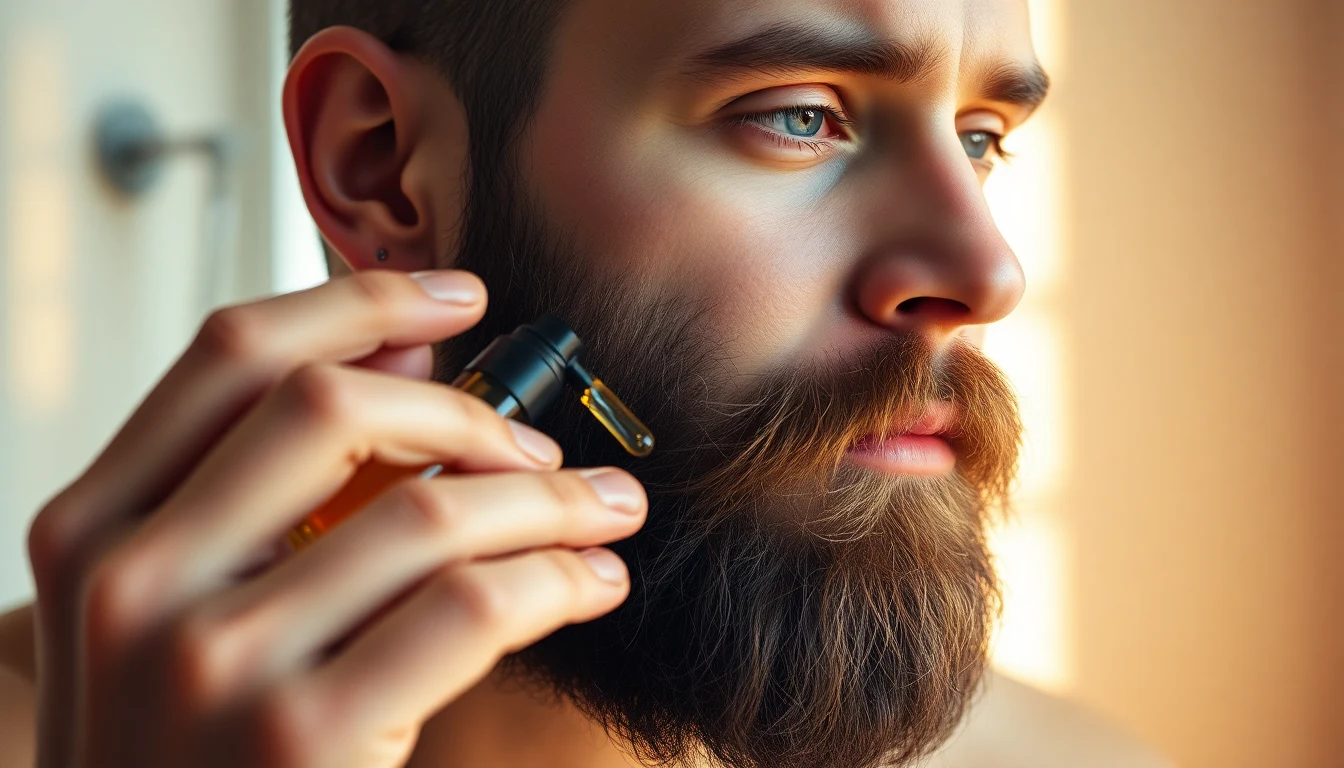
Day 2: Remove bandaid. If no redness, itching, bumps, or irritation, proceed. If any reaction, stop. This product is not for you.
Day 3: Apply a small amount behind your ear (skin similar in sensitivity to facial skin). Wait 48 hours.
Day 5: If no reaction behind the ear, apply a small amount to a small area of your jawline under the beard. Wait 48 hours.
Day 7: If all three tests pass with no reaction, the product is likely safe for full-beard use. Begin using it in small amounts and monitor for the first week.
This protocol takes a week. It saves you from weeks-long flares that occur when a new product triggers contact dermatitis across your entire beard area. When it comes to hypoallergenic beard products for sensitive, technique matters most.
Product Comparison
| Product | Type | Fragrance-Free | Nut-Free | Lanolin-Free | Allergenicity |
|---|---|---|---|---|---|
| Desert Essence Jojoba Oil | Oil | Yes | Yes | Yes | Very low |
| The Ordinary Squalane | Oil | Yes | Yes | Yes | Extremely low |
| Better Shea Butter Raw | Butter/balm | Yes | Yes* | Yes | Low |
| CeraVe Hydrating Cleanser | Wash | Yes | Yes | Yes | Very low |
*Shea is classified as a tree nut by the FDA, but shea butter protein content is extremely low and allergic reactions are exceptionally rare.
Managing Beard Itch and Beardruff on Sensitive Skin
Beard itch and beardruff (flaking skin under the beard) are common challenges that intensify when the underlying skin is sensitive or eczema-prone.
For itch: Apply jojoba oil or squalane to the skin under the beard daily. This moisturizes the skin and reduces the dryness that causes itching. If itching is severe, apply a thin layer of 1% hydrocortisone cream to the affected area for up to 7 days (not longer, as prolonged steroid use on facial skin causes thinning).
For beardruff: Gently exfoliate the skin under the beard with a soft boar bristle brush daily. The brush loosens dead skin cells that would otherwise accumulate and flake visibly. Follow with beard oil to moisturize the newly exposed skin. If beardruff persists, use a zinc pyrithione shampoo on the beard area 2 times per week.
Frequently Asked Questions
Can I use essential oil-free beard oil and still have a pleasant scent?
Fragrance-free beard oils will not have a scent, which is the safest approach for sensitive skin. If you want a subtle scent, apply cologne to your clothing rather than your beard. This provides fragrance without any skin contact risk from essential oils. Some men also tolerate a single drop of lavender essential oil added to an ounce of jojoba oil, but this must be patch tested first.
Is coconut oil safe for sensitive facial skin?
Coconut oil is generally well-tolerated but is comedogenic (pore-clogging) for some men. If you are acne-prone in addition to having sensitive skin, coconut oil may cause breakouts under the beard. Jojoba and squalane are safer choices for the widest range of sensitive skin types. Patch test coconut oil before full use if you want to try it.
My skin reacts to everything. How do I condition my beard?
Start with the simplest possible approach: pure squalane oil, one ingredient, no additives. If that is tolerated, you have a safe beard conditioner. If even squalane causes a reaction (extremely rare), consult a dermatologist for allergy testing to identify your specific triggers. In the meantime, conditioning your beard with water and a clean brush is better than risking a flare with an untested product.
Should I avoid all beard products during an eczema flare?
During an active flare under the beard, reduce your routine to the absolute minimum: rinse with water, pat dry, apply your prescribed eczema treatment (if any), and follow with plain petroleum jelly or your safest known moisturizer. Avoid all other beard products until the flare resolves. Reintroduce products one at a time after recovery.
Are “for sensitive skin” labeled beard products actually safe?
“For sensitive skin” is not a regulated claim. Products with this label may still contain essential oils, fragrances, and other sensitizers. Always read the ingredient list rather than trusting the front label. The safest beard products are those with the fewest ingredients, all of which you have individually patch tested and confirmed as tolerable.
Final Thoughts
A well-maintained beard on sensitive skin is absolutely achievable. The key is simplicity. Pure carrier oils replace complex fragrance-laden blends. Single-ingredient butters replace multi-component balms. Every new product gets a week-long patch test before going anywhere near your face. The resulting routine may lack the artisanal appeal of craft beard products, but it delivers what actually matters: a comfortable, well-conditioned beard on a face that is not inflamed, itchy, or covered in a contact dermatitis rash.
Frequently Asked Questions
What ingredients should I avoid in hypoallergenic beard products if I have sensitive skin?
You should avoid fragrance oils, essential oils (like eucalyptus, tea tree, and cinnamon), and lanolin-based products, as these are common allergens that trigger contact dermatitis and skin irritation in men with reactive skin. Instead, look for products with minimal ingredient lists that focus on gentle, hypoallergenic bases like jojoba oil, squalane oil, or grapeseed oil.
How do I test a new beard product before using it on my full beard?
You should follow a patch testing protocol by applying a small amount of the product to a discrete area of skin for 24-48 hours and monitoring for any allergic reactions like redness, itching, or flaking. This prevents you from experiencing a severe three-week flare-up like the one described in the article, giving you confidence that the product is safe for your sensitive skin.
Are natural and organic beard products always safe for sensitive skin?
No, natural and organic labels can be misleading, as many plant-based essential oils marketed as gentle are actually quite irritating to sensitive skin. You need to evaluate the specific ingredients rather than relying on marketing claims, since even naturally-derived products can trigger allergic reactions.
What should I do if my beard feels itchy and flaky while using hypoallergenic products?
You may be experiencing beard itch and beardruff from using a product your skin cannot tolerate, so you should discontinue use immediately and switch to a simpler hypoallergenic alternative with fewer ingredients. The article provides specific guidance on managing these symptoms and identifying which products work best for your unique skin needs.