
If you want to master best hair products for south, this guide covers everything you need to know. Last updated: February 2026 by Rohan Mehta, Certified Trichologist & Ayurvedic Hair Specialist
Walk into any drugstore and the men’s hair product aisle presents you with dozens of options: pomades, clays, pastes, gels, waxes, serums, creams. Almost none of them are designed for South Asian hair. Most are formulated for fine-to-medium European hair types, which means they are either too light to hold our thick strands or too heavy, leaving a greasy, product-laden look by midday. After twelve years of testing products on my own Indian hair and recommending them to South Asian clients with hair types ranging from pin-straight Punjabi locks to thick, wavy Malayalam texture, I have identified the product categories and specific formulations that genuinely work for our hair. This is not a “best of everything” list. This is a curated selection based on the unique requirements of thick, dense, often oily South Asian hair types, covering oils for treatment, styling products for daily use, and serums for protection and finishing.
What South Asian Hair Needs from Products : Best Hair Products For South
Before diving into specific recommendations, understanding why generic products often fail on South Asian hair helps you evaluate any product, not just the ones I list here. For expert guidance on this topic, consult peer-reviewed research on hair care and scalp health from PubMed.

Stronger Hold Requirements
Each South Asian hair strand weighs more than its European counterpart due to greater diameter and higher protein density. This means that light-hold products (designed for fine hair) simply cannot maintain a style against the weight and spring of our hair. A “medium hold” product for European hair often functions as “light hold” on South Asian hair. You typically need to go one hold level higher than what is recommended for your desired style.
Moisture Without Grease
South Asian hair is naturally drier along the shaft (despite often oily scalps), which means it benefits from moisture-rich products. However, our higher scalp sebum production means heavy, oil-based products can make the roots look greasy within hours. The ideal products for our hair are water-based (for easy wash-out and less greasiness) with added conditioning agents that moisturize the mid-lengths and ends without overloading the roots.
Anti-Humidity Performance
Thick South Asian hair is highly susceptible to humidity, which causes frizz, loss of style definition, and a “poofy” appearance. Products with anti-humidity properties (typically silicone-based sealants or natural oils that coat the cuticle) are essential for maintaining a styled look throughout the day, particularly in humid climates or during summer months.
Treatment Oils: The Foundation
For South Asian men, oil-based treatments are not optional luxuries; they are the foundation of a healthy hair care system. These are pre-wash treatments that nourish, strengthen, and protect the hair before it encounters the stresses of daily styling.
Best Overall: Coconut Oil
Viva Naturals Organic Coconut Oil remains the single best all-purpose hair treatment for South Asian men. Coconut oil’s unique molecular structure (lauric acid, a 12-carbon fatty acid) allows it to penetrate the hair shaft and bind with internal proteins, reducing protein loss by up to 39% in treated hair versus untreated hair according to published research. No other common oil provides this level of internal strengthening.
Use as a pre-wash treatment: apply to dry hair 30-60 minutes before shampooing. For deep treatment, apply overnight. The oil protects the hair shaft from the swelling and contraction (hygral fatigue) that occurs during washing, which is a primary cause of damage and breakage in thick hair.
Best for Growth: Bhringraj Oil
AYURVEDASHREE Bhringraj Hair Oil is the top choice for men concerned with thinning or hair loss. Bhringraj’s active compound (wedelolactone) has demonstrated follicle-stimulating properties in clinical research, promoting the transition of dormant follicles into the active growth phase. Apply as a pre-wash treatment 3-4 times per week, with massage, for best results. For the complete breakdown of Ayurvedic oil options, read my Ayurvedic hair oil ranking guide. Mastering best hair products for south takes practice but delivers great results.
Best for Anti-Graying: Amla Oil
Dabur Amla Hair Oil delivers the highest concentration of hair-specific antioxidants among common Ayurvedic oils. The Vitamin C and tannins in amla protect melanocytes (pigment-producing cells) from oxidative damage, slowing the progression of premature graying. Use 2-3 times per week as a pre-wash treatment. For the complete amla guide, see my dedicated amla oil for men article.
Best for Scalp Health: Brahmi Oil
Vaadi Herbals Amla & Brahmi Hair Oil combines brahmi’s anti-inflammatory and antimicrobial properties with amla’s strengthening effects. This is the recommended first choice for men dealing with dandruff, scalp itching, or seborrheic dermatitis alongside their styling concerns. Healthy hair starts with a healthy scalp, and this product addresses the foundation.
Styling Products: By Category
Pomades
Pomades provide shine and hold, making them ideal for slicked-back styles, side parts, and any look that requires a polished, reflective finish. For South Asian hair, water-based pomades are strongly preferred over oil-based pomades. Oil-based formulas build up on thick hair and require harsh solvents to remove, creating a damaging cycle. Water-based pomades wash out with regular shampoo.
Best for: Side parts, slicked back styles, formal looks, any style requiring shine and control.
Hold level needed for South Asian hair: Strong to very strong. What is labeled “strong hold” for European hair is typically “medium hold” for our thicker strands. When shopping, go one tier higher than you think you need.
Application tip: Apply to damp (not wet, not dry) hair for best distribution. Emulsify a dime-sized amount between your palms for 10 seconds before working through the hair. Comb into your desired style while the product is still workable.
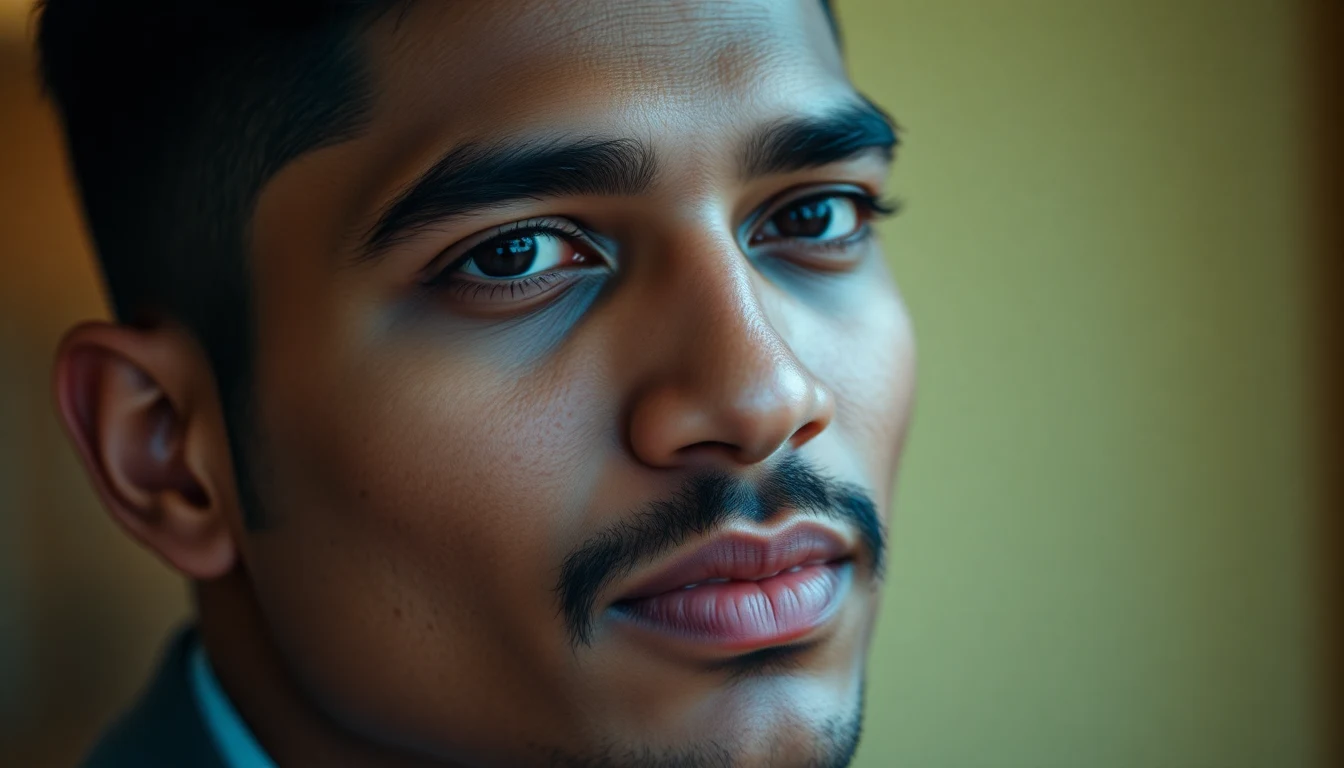
Clays and Pastes
Clays and pastes provide matte to low-shine texture with medium to strong hold. They are the most versatile styling category for South Asian men because they add definition without the greasy look that our naturally oily scalps can amplify. Clay-based products also absorb excess oil throughout the day, which is a significant advantage for men who struggle with midday greasiness.
Best for: Textured quiffs, messy styles, crop tops, any look requiring natural texture and volume without shine.
Application tip: Apply to towel-dried or dry hair. Work a pea-to-dime-sized amount between your palms until warm, then work through the hair in an upward, squeezing motion. Style with your fingers rather than a comb for the most natural, textured result.
Hair Gels
Gels get a bad reputation, largely because cheap gels create that crunchy, helmet-like hold that was popular in the 1990s. Quality modern gels, however, provide clean hold with flexible movement. For South Asian men who want control without product weight, a quality gel applied to wet hair and allowed to set provides all-day hold that maintains shape through humidity. Understanding best hair products for south is key to a great grooming routine.
Best for: Wet-look styles, extremely controlled styles, formal settings, high-humidity environments.
Application tip: Apply to soaking wet hair for maximum hold and even distribution. Comb through with a fine-tooth comb, style into position, and allow to air dry or blow dry on low heat. For the “crunch-free” finish, scrunch the dried gel gently with your fingers once it has set.
Hair Serums
Serums are lightweight, silicone-based (or silicone-alternative) finishing products that smooth the cuticle, add shine, reduce frizz, and provide heat protection. For South Asian men, a good serum is the difference between hair that looks styled and hair that looks polished.
Mise en Scene Perfect Serum is my top recommendation for South Asian hair. It is lightweight enough to avoid weighing down thick hair, provides noticeable frizz control that lasts all day, and adds a natural-looking shine without greasiness. Apply a dime-sized amount to damp or dry styled hair, focusing on the mid-lengths and ends. Avoid applying to the scalp area to prevent excess oiliness.
Best for: Frizz control, heat protection, finishing any styled look, adding natural shine.
Dabur Vatika Enriched Hair Oil
Dabur Vatika Coconut Hair Oil is a hybrid product that functions both as a treatment oil and a light styling aid. Enriched with henna, amla, and lemon extracts in a coconut oil base, it provides conditioning, mild hold, and natural shine when used in small amounts on dry hair. This is the product I recommend for men who want a single, simple product that treats and styles simultaneously. Apply 3-5 drops to dry hair for a natural, groomed look with light hold and conditioning benefits.
Product Comparison Table
| Product Type | Hold | Shine | Best Hair Type | Wash Out | Humidity Resistance | Rating for South Asian Hair |
|---|---|---|---|---|---|---|
| Water-Based Pomade | Strong | High | All types | Easy | Moderate | 8/10 |
| Matte Clay | Medium-Strong | None | Thick, straight-wavy | Easy | Good | 9/10 |
| Fiber Paste | Medium | Low | All types | Easy | Good | 8.5/10 |
| Quality Gel | Very Strong | High (wet look) | Thick, hard-to-control | Easy | Excellent | 7.5/10 |
| Hair Serum | None | Medium (natural) | All types (finishing) | Easy | Good | 9/10 |
| Coconut Oil (pre-wash) | None | Treatment only | All types | Moderate (needs shampoo) | N/A (pre-wash) | 10/10 |
| Bhringraj Oil (pre-wash) | None | Treatment only | Thinning/hair loss | Moderate | N/A (pre-wash) | 9.5/10 |
| Vatika Hair Oil | Light | Medium | All types (dual-use) | Easy | Moderate | 8/10 |
Building Your Product Routine by Hair Goal
Rather than buying everything at once, build your collection based on your primary goal.
The Essentials Kit (Start Here)
- Coconut Oil for pre-wash treatment
- Sulfate-free shampoo + conditioner
- One styling product suited to your preferred style (clay for texture, pomade for shine)
- Mise en Scene Serum for finishing
Total: 4 products. This covers 90% of what most South Asian men need for daily hair care and styling. Expand from here based on specific concerns.
The Growth-Focused Kit
- Bhringraj Oil for pre-wash treatment (primary)
- Amla Oil for alternate treatment days
- Gentle, volumizing shampoo + conditioner
- Lightweight styling cream (avoid heavy products that weigh down thinning hair)
The Style-Forward Kit
- Coconut Oil for pre-wash treatment
- Quality shampoo + conditioner
- Matte clay (for casual/textured days)
- Water-based pomade (for formal/polished days)
- Mise en Scene Serum for finishing and heat protection
- Lightweight hairspray for hold in humidity
For shampoo selection guidance, see my best shampoo for Indian hair guide. For the complete daily routine that incorporates these products, follow my Indian men’s hair care routine. And for hairstyle inspiration to match your product choice, explore our Indian men’s hairstyles and Asian hairstyles for men guides.
Product Mistakes South Asian Men Make
- Using products designed for fine European hair: These lack the hold strength and moisture levels our hair needs. A “strong hold” product for fine hair is medium hold at best on thick South Asian hair.
- Applying product to bone-dry hair: Most styling products distribute better on damp hair. Spritz with water or apply to towel-dried hair for even coverage.
- Using too much product: Start with less than you think you need and add more. Thick hair traps product, making buildup a common issue. A pea-sized amount of clay is usually sufficient for short-to-medium hair.
- Skipping treatment oils: Styling products cannot compensate for unhealthy hair. The pre-wash oil treatment is the foundation. Without it, even the best styling products will not look their best on dry, damaged hair.
- Using oil-based pomades: These create stubborn buildup on thick hair that requires harsh stripping shampoos to remove. Water-based pomades provide similar hold and shine without the accumulation problem.
- Never rotating products with the seasons: Your hair’s needs change with climate. Heavier products in winter (more moisture), lighter products in summer (less weight, better humidity resistance).
How to Apply Styling Products to Thick South Asian Hair
Application technique is just as important as product choice. Thick South Asian hair requires specific methods to ensure even distribution and maximum hold without clumping or residue visible in dark hair. When it comes to best hair products for south, technique matters most.
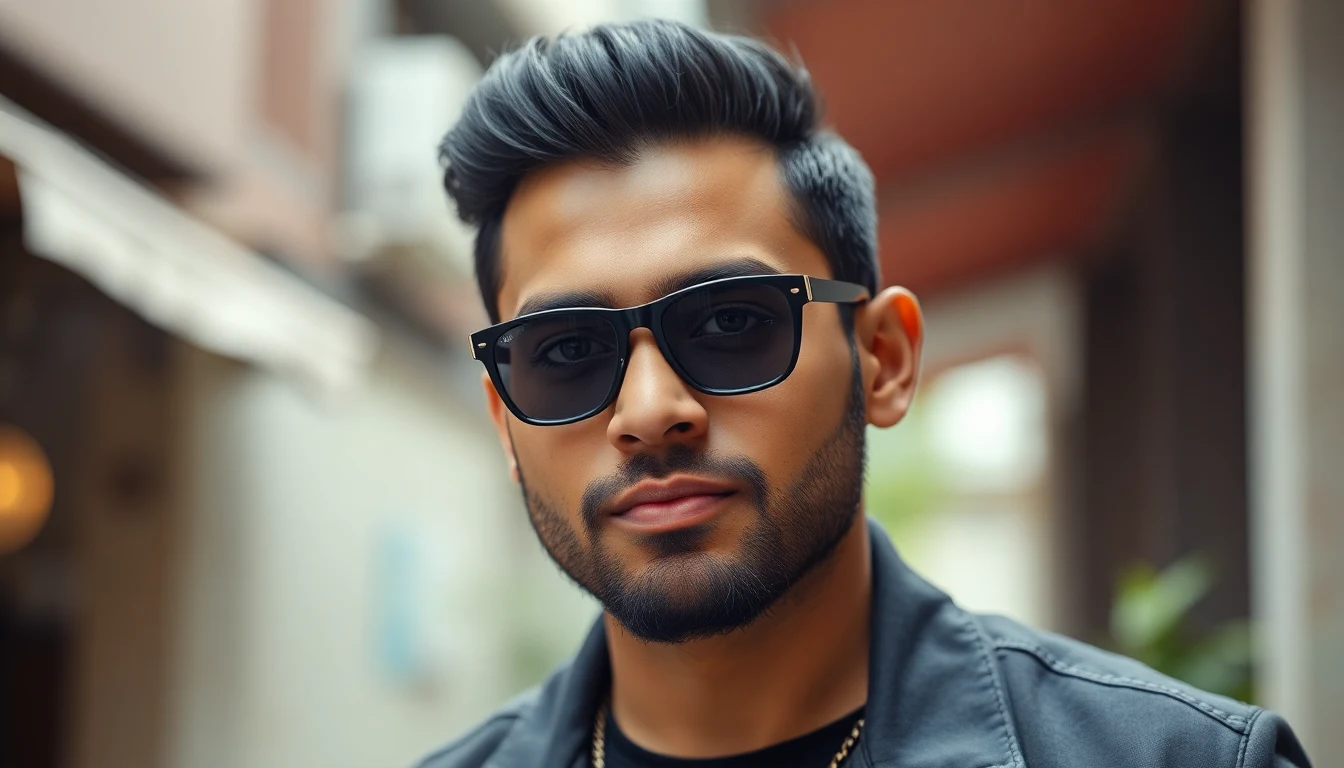
The Emulsification Method
Before applying any styling product, emulsify it thoroughly between your palms. Scoop out the desired amount and rub your hands together for 10-15 seconds until the product is evenly distributed across your palms and fingers. This step is critical for thick hair because unemulsified product creates visible white streaks and uneven distribution in dark hair. You should not see any product clumps on your palms before touching your hair.
The Back-to-Front Application
Start applying product at the back of your head and work forward. Most men instinctively apply product to the front first, which results in overloaded front sections and under-treated back sections. Since the back of the head is where product is least visible, starting there ensures any excess ends up in the least conspicuous area. Work your fingers through the hair from back to front, then from underneath upward to reach the roots where hold originates.
Damp vs. Dry Application
The moisture level of your hair when you apply product dramatically affects the result. Damp hair (towel-dried, about 70% dry) gives the best distribution for pomades and creams, creating a smooth, polished finish. Dry hair works better with clays and pastes, providing more texture and separation. For serums, slightly damp hair gives the best frizz-fighting absorption. Experiment with your preferred product on both damp and dry hair to see which gives you the better result. Most South Asian men find that damp application for formal styles and dry application for casual, textured styles gives the optimal outcome.
Ingredient Labels Decoded for South Asian Men
Understanding ingredient labels helps you evaluate any product beyond my specific recommendations. Here are the key ingredients to look for and avoid when shopping for hair products suited to our hair type.
Beneficial Ingredients
- Beeswax: Natural hold and moisture sealing. Well-suited for thick hair that needs structure.
- Kaolin clay: Absorbs oil, provides matte texture. Ideal for oily South Asian scalps.
- Argan oil: Lightweight moisture and shine without greasiness. Penetrates thick hair effectively.
- Glycerin: Humectant that attracts moisture to the hair shaft. Beneficial in dry climates; can cause frizz in very humid conditions.
- Keratin: Protein that reinforces the hair shaft. Particularly useful for chemically treated or heat-damaged South Asian hair.
- Panthenol (Vitamin B5): Penetrates the hair shaft to add moisture from within. Reduces static and improves manageability in thick hair.
Ingredients to Question
- Alcohol denat (high on list): Dries out hair over time. Acceptable in small amounts for quick drying, but should not be the primary ingredient in any product applied to South Asian hair.
- Heavy silicones (dimethicone, cyclomethicone): Create buildup on thick hair that requires sulfate shampoos to remove. Light silicones (dimethiconol, amodimethicone) are acceptable as they rinse more easily.
- Petroleum/mineral oil: Sits on the hair surface without penetrating. Creates a greasy appearance on already oil-prone South Asian hair.
- Synthetic fragrance (parfum): Can irritate the scalp, particularly for men who also use Ayurvedic treatments. Opt for fragrance-free or naturally scented products when possible.
Frequently Asked Questions
Should South Asian men use hair wax or clay?
Both work, but clay is generally better for South Asian hair. Clay absorbs excess oil (a benefit for our oilier scalps), provides matte texture, and offers strong hold without weight. Wax tends to add weight and can make thick hair look greasy by midday. If you want a textured, modern look, go with clay. If you want a smoother, more controlled style with slight shine, fiber paste is a better choice than traditional wax.
Why do my styling products stop working after a few weeks?
This is typically product buildup, not your hair “getting used to” the product. South Asian hair’s thickness traps residue more readily than finer hair types. Use a clarifying shampoo once per week (or an apple cider vinegar rinse) to remove buildup. After clarifying, your regular products will work as effectively as they did initially. Also ensure you are shampooing thoroughly after pre-wash oil treatments, as leftover oil creates a barrier that reduces styling product performance.
Is it worth investing in expensive hair products?
Up to a point. The jump from $5 to $15-20 products is significant in quality, formulation, and performance. Beyond $25-30 for a single styling product, you are typically paying for branding rather than meaningfully better ingredients. For treatment oils (coconut, bhringraj, amla), price correlates more directly with quality because purity and preparation method matter. Invest more in treatment products, save on styling products. A $12 clay and a $15 bhringraj oil will serve you better than a $40 designer pomade.
Can I mix hair products together?
Yes, and it is a technique many professional stylists use. Common effective combinations for South Asian hair: pomade + clay (for shine with texture), serum + clay (for frizz control with matte texture), and a small amount of oil mixed into pomade (for extra moisture on dry days). Mix in your palms before applying. Start with small amounts of each product until you find the right ratio for your hair. This mixing approach can often give you a custom product that works better than any single product alone.
Do I need different products for summer and winter?
Ideally, yes. In summer, switch to lighter products with stronger anti-humidity properties (matte clay, lightweight serum). In winter, use richer products with more moisturizing ingredients (cream-based pomade, heavier serum). Your pre-wash oil treatment should also adjust: lighter oils (coconut) in summer, richer blends (coconut + castor, or Ayurvedic oil blends) in winter. This seasonal adjustment prevents the “my products stopped working” frustration that many men experience during weather transitions.
Frequently Asked Questions
Why don’t regular drugstore hair products work for South Asian men?
Most commercial hair products are formulated for fine-to-medium European hair types, making them either too light to hold thick South Asian strands or too heavy, leaving a greasy residue by midday. South Asian hair requires stronger hold, better moisture control, and anti-humidity performance that standard products simply don’t deliver.
What are the best hair products for South Asian men with thick, dense hair?
The best products for thick South Asian hair include treatment oils like coconut, bhringraj, and amla oils for scalp health, followed by styling products like pomades, clays, and pastes designed for stronger hold without excess grease. Serums and finishing products help protect hair and reduce frizz while maintaining a polished look throughout the day.
Should I use oils or styling products for daily South Asian hair care?
Oils serve as foundational treatments for scalp and hair health, typically used 1-2 times weekly, while styling products like pomades and clays are for daily styling. Most South Asian men benefit from combining both: using treatment oils regularly and applying lighter styling products that won’t compound oil buildup.
How do I prevent my hair from looking greasy when using products?
The key is using the emulsification method, which involves working styling products through slightly damp hair to distribute them evenly without creating a heavy coating. You should also choose products specifically formulated for thick hair rather than universal formulas, and apply only the amount needed to style without excess buildup.