Last updated: February 2026 by Avi Feldman, Grooming Columnist
The first time I walked into a barbershop in Tel Aviv, I knew I was not in Brooklyn anymore. The barber, a Moroccan-Israeli guy named Kobi, did not ask me what I wanted. He looked at my head for about three seconds, said “achi, I know what you need,” and started cutting. Fifteen minutes later, I had the best fade of my life and a genuine understanding of why Israeli barbershop culture is something entirely its own. It is not American barbershop culture transplanted to the Middle East, and it is not European salon culture with a Hebrew accent. It is a unique blend of military precision, Middle Eastern tradition, immigrant heritage, and a national attitude that can best be described as “we will figure it out.”
I have spent a fair amount of time in Israel over the years, including extended stays in Jerusalem, Tel Aviv, and Haifa. I have sat in barbershop chairs in Bnei Brak, Herzliya, and the shuk in Machane Yehuda. And every time, the experience has been different from anything you will find in the diaspora. This guide explores what makes Israeli barbershop culture distinctive, the styles and trends that define it, and what you can learn from it for your own grooming, wherever you live.
Religious Note: Jewish grooming law (halacha) varies by community, tradition, and scholarly opinion. Always consult with your rabbi or posek (halachic authority) to confirm that any grooming practices described here are appropriate for your level of observance and family tradition. For expert guidance on this topic, consult Chabad’s overview of Jewish grooming laws and traditions.
The Military Influence
You cannot understand Israeli barbershop culture without understanding the IDF (Israel Defense Forces). Nearly every Jewish Israeli man serves in the military, typically at age 18, and for most of them, this is when their relationship with grooming becomes practical rather than aesthetic. The military does not care about your style preferences. It cares about hygiene, uniformity, and function.
The Tzanchanim Cut and Beyond
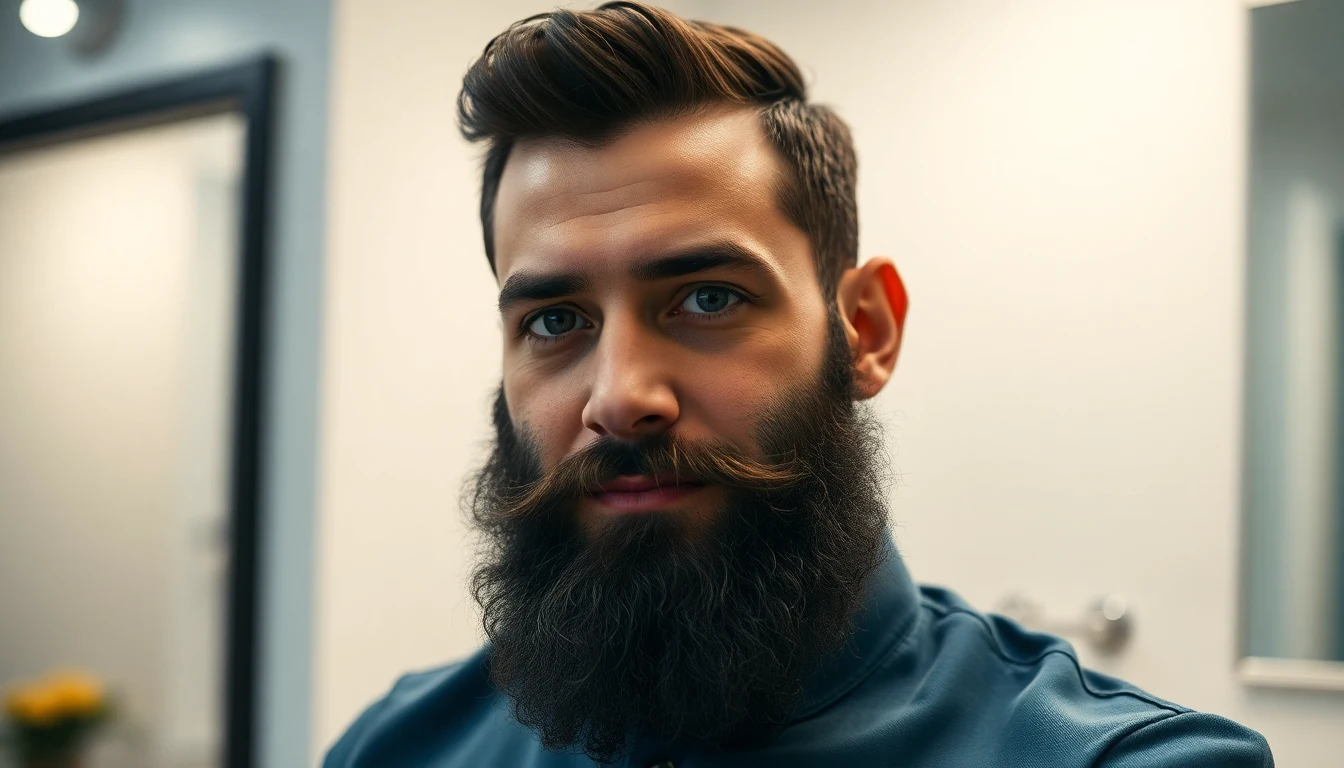
During basic training, many recruits get their heads shaved or buzzed to near-zero length. This is the great equalizer: the kid from Ramat Aviv with the carefully styled pompadour and the kid from Sderot with the buzz cut both end up looking the same. After basic training, regulations relax somewhat depending on the unit, but the military instills a preference for short, clean, easy-to-maintain haircuts that persists long after discharge.
This is why you see so many Israeli men in their twenties and thirties sporting tight fades, short crop cuts, and minimal-fuss hairstyles. The military taught them that a haircut should take five minutes to style in the morning (or better yet, zero minutes), and many never go back to anything more elaborate.
Beard Culture Post-Service
Interestingly, the military’s grooming restrictions have created a post-service beard boom. Many Israeli men, after two to three years of being required to be clean-shaven or closely trimmed, grow beards immediately upon discharge as a kind of personal declaration of freedom. The post-army beard is practically a national institution. Walk around any Israeli university campus and you will see clusters of 21-year-olds with beards that have been growing since the day they took off their uniform.
This post-army beard culture has driven demand for beard grooming products and services in Israeli barbershops. A decade ago, most Israeli barbershops offered only haircuts. Today, beard trims, beard shaping, and hot towel treatments are standard offerings in most shops, driven by a generation of men who see their beard as the first purely personal grooming choice they have made as adults.
The Mizrachi Influence
Israel’s population is roughly half Ashkenazi (European descent) and half Mizrachi/Sephardic (Middle Eastern and North African descent), and this demographic split has profoundly shaped the barbershop scene. Mizrachi grooming traditions, which emphasize thick beards, precise hairlines, and attention to fragrance, have become the dominant aesthetic in mainstream Israeli barbershop culture. For a deep dive into these traditions, see our Mizrahi grooming traditions guide.
The Moroccan Barber Tradition
Moroccan Jews brought a rich barbering tradition to Israel during the mass immigration of the 1950s and 1960s. In Moroccan culture, the barber (hallaq) was a respected community figure who provided not just haircuts but also traditional grooming services like hot towel shaves with a straight razor, facial treatments with argan oil, and head massages. Many of Israel’s most respected barbershops today are run by second or third-generation Moroccan-Israeli barbers who learned the craft from their fathers and grandfathers.
The Moroccan influence is visible in the emphasis on razor-sharp lines. Israeli barbers, particularly those from the Mizrachi tradition, are known for incredibly precise lineup work. The edges of the hairline, the beard line along the cheeks and jaw, and the transition between the haircut and the beard are all carved with a precision that borders on architectural. If you have ever wondered why Israeli men often have such crisp beard and hairline edges, this is the cultural origin. Mastering israeli barbershop culture takes practice but delivers great results.
Iraqi and Yemenite Contributions
Iraqi Jews contributed a tradition of elaborate beard grooming, including the use of beard oils scented with oud and amber. Yemenite Jews brought traditions around long peyot and the distinctive Yemenite curl, along with skincare practices involving turmeric and honey. These diverse Mizrachi traditions have cross-pollinated in Israel’s melting pot, creating a grooming culture that is richer and more product-diverse than any single diaspora community.
The Tel Aviv Scene
Tel Aviv’s barbershop scene is Israel’s most cosmopolitan, reflecting the city’s role as the country’s cultural and fashion capital. The city has seen an explosion of high-end barbershops over the past decade, with shops that would not look out of place in Williamsburg or Shoreditch.
Style and Atmosphere
Tel Aviv barbershops tend toward the industrial-chic aesthetic: exposed brick, vintage barber chairs, craft beer on tap, and curated playlists blending Israeli hip-hop with American and European tracks. The barbers are often tattooed, styled to the nines, and active on Instagram. It is a scene-within-a-scene, where the barbershop functions as much as a social club as a place to get a haircut.
But beneath the aesthetic, the quality of work is genuinely high. Tel Aviv barbers are technically skilled, comfortable with a wide range of hair textures (from straight Ashkenazi hair to tight Mizrachi curls to Ethiopian hair patterns), and up to date on international trends. A haircut in a good Tel Aviv shop runs 80-150 NIS (roughly $22-42), which is significantly less than comparable quality in New York or London.
Popular Tel Aviv Styles
The styles you see in Tel Aviv reflect the city’s blend of European fashion consciousness and Middle Eastern machismo:
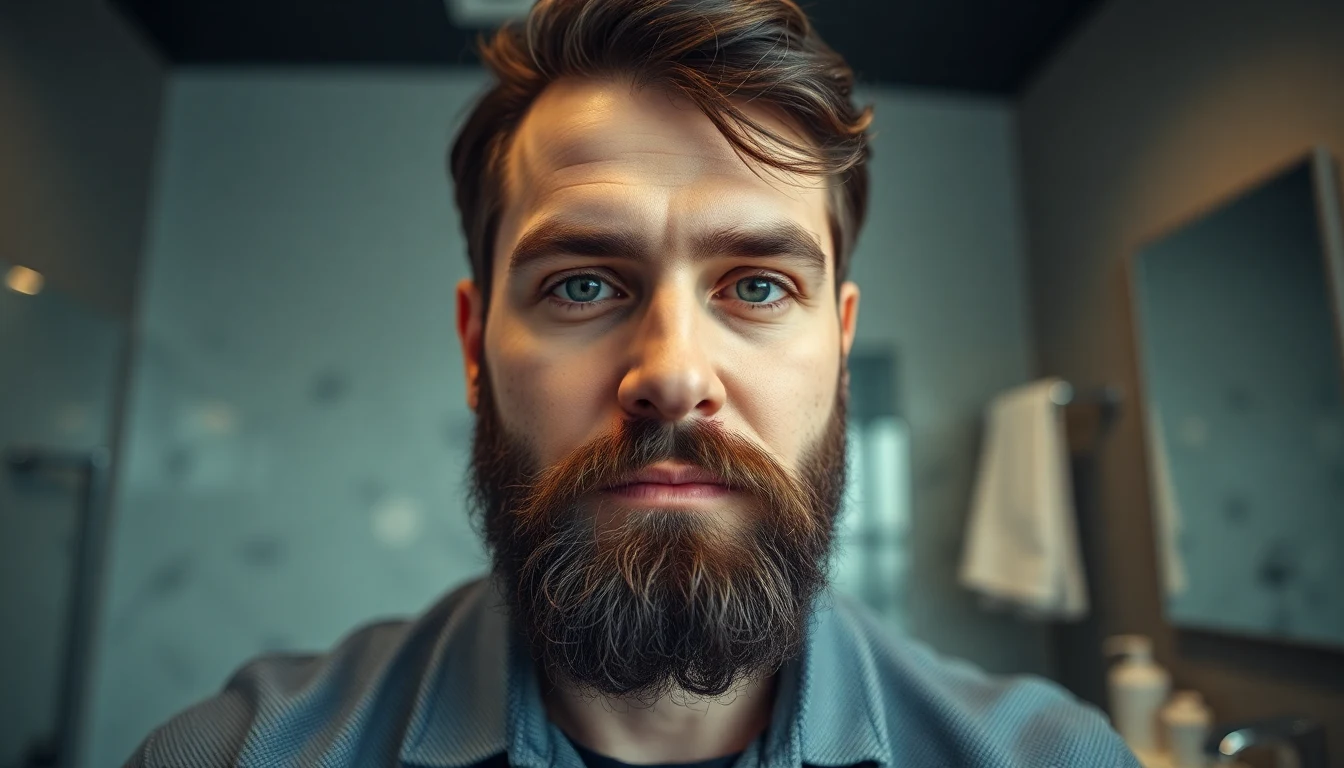
- The Israeli fade: Tight on the sides (often a skin fade), slightly longer on top, with a textured or messy finish. This is the default young Israeli male haircut and has been for the past decade.
- The long top with trimmed beard: A longer style on top (enough to push back or to the side) paired with a closely maintained beard. Think Mediterranean beach vibes meets urban edge.
- The full beard with zero fade: For the post-army crowd who want maximum contrast between a bold beard and a sharp haircut.
- The “combover” (srichah): Not the old-fashioned combover, but a modern, swept-back style with volume, often achieved with a blow dryer at the barbershop and maintained with a matte product.
The Jerusalem Scene
Jerusalem’s barbershop culture is a different world from Tel Aviv. The city’s religious diversity means that barbershops serve vastly different clienteles, and many shops specialize in serving specific communities.
The Religious Quarter Barbershops
In the religious neighborhoods of Jerusalem (Mea Shearim, Geula, the Jewish Quarter of the Old City), barbershops operate with halachic awareness built into the business model. These shops typically use only scissors (avoiding the halachic questions around electric razors), are experienced with peyot styling and maintenance, and understand the grooming calendar (knowing when clients will need pre-holiday trims versus when cutting is restricted).
A barbershop in Mea Shearim looks nothing like a Tel Aviv shop. No Instagram account, no craft beer, no vintage chairs. It is functional: a small room, a few chairs, Hebrew-language signs, and a barber who can produce a flawless set of peyos while carrying on a Yiddish conversation. What these shops lack in atmosphere they make up for in specialized skill. If you need peyot shaped, a beard maintained within halachic guidelines, or a haircut that respects the angles of your kippah coverage, these barbers are unmatched. For more on kippah-compatible hairstyling, see our Jewish men’s hair styling guide.
The Machane Yehuda Area
The shuk (marketplace) neighborhood of Jerusalem has developed its own barbershop culture that bridges the religious and secular worlds. Shops in this area serve everyone: the dati leumi (national religious) student who wants a modern fade that works with a kippah seruga, the hiloni (secular) professional who wants something sharp for work, and the American tourist who heard about the legendary barbers near the shuk. The atmosphere is lively, the Arabic coffee is strong, and the barbers are fast. Very fast. Israeli barbers in general work quicker than their American counterparts, and the shuk barbers are the fastest of all.
Israeli Grooming Products
Israel has developed its own grooming product ecosystem, though many international brands are also widely available.
Dead Sea Products
The Dead Sea is Israel’s unique grooming asset. Dead Sea minerals (magnesium, calcium, potassium, bromine) have documented benefits for skin and hair health. Dead Sea mud masks, mineral-enriched shampoos, and salt scrubs are produced by dozens of Israeli companies and are popular both domestically and as exports. For beard care, Dead Sea mineral-based oils provide unique hydration properties that work well in Israel’s arid climate.
Argan and Olive Oil Traditions
Both Moroccan argan oil and locally produced olive oil feature prominently in Israeli grooming. Israeli-made beard oils frequently incorporate these traditional ingredients, connecting modern grooming products to centuries-old Middle Eastern and North African care traditions. Olive oil, which has been used for anointing and skin care in the Land of Israel for millennia, is experiencing a renaissance in Israeli grooming products. Understanding israeli barbershop culture is key to a great grooming routine.
Israeli-Made Products Worth Noting
The Israeli grooming product market has matured considerably. Local brands produce beard oils, balms, and washes that compete with international brands. The advantage of Israeli-made products is that they are formulated for the specific climate challenges of the region: intense sun, low humidity, and the drying effects of air conditioning in summer and heating in winter. These same characteristics make them excellent choices for anyone living in a similar climate.
The Barber-Client Relationship
One of the most distinctive aspects of Israeli barbershop culture is the relationship between barber and client. In the American tradition, you find a barber, explain what you want, and build a relationship over time. In Israel, the dynamic is different from the first visit.
Trust and Directness
Israeli barbers are direct. If you show them a photo of a hairstyle that will not work for your face shape or hair texture, they will tell you. Not with diplomatic hedging, but with the characteristically Israeli bluntness: “Achi, this is not for you. Let me show you what will look good.” This directness can be jarring for Americans used to a “the customer is always right” approach, but it often produces better results. The barber knows what works, and in Israeli culture, sharing that knowledge directly is a sign of respect, not rudeness.
Speed and Efficiency
Israeli barbers work fast. A standard men’s haircut takes 15-20 minutes in most Israeli shops, compared to 30-45 minutes in many American barbershops. This is not because the quality is lower. It is because Israeli barbers minimize the deliberation and maximize the execution. They assess your head, know what they are doing, and get it done. The chat happens while the clippers are running, not instead of the cutting.
Multilingual Service
Walk into any Israeli barbershop and you might hear three or four languages in the span of ten minutes. Hebrew is the baseline, but Arabic is common (many Israeli barbers are Arab or Druze), Russian is widespread (especially in cities with large Russian-speaking populations like Ashdod and Haifa), Amharic is heard in shops serving the Ethiopian community, and English is understood in most tourist-accessible areas. This multilingual environment reflects Israel’s immigration story and gives its barbershops a cosmopolitan energy that is hard to replicate elsewhere.
Religious Considerations in Israeli Barbershops
Israel is one of the few places where halachic grooming concerns are mainstream rather than niche. Many barbers, even in secular Tel Aviv, are familiar with basic halachic requirements and can accommodate observant clients.
Scissors vs. Razors
The halachic prohibition on shaving with a razor (Vayikra 19:27) is widely understood in Israel. Many barbershops offer both razor and electric options, and barbers will ask religious clients which they prefer. In observant neighborhoods, straight razors are simply not used for face work. The halachic nuances of different electric shaver technologies (lift-and-cut systems versus straight cutting heads) are more widely understood among Israeli barbers than their diaspora counterparts, simply because a larger percentage of their clientele cares about the distinction.
Peyot Services
Israeli barbers who serve religious communities are skilled at peyot work: trimming to specific lengths, shaping curls, addressing asymmetry, and navigating the boundary between where the beard ends and the peyot begin. This is specialized work that many diaspora barbers simply have not been trained in. If you visit Israel and have peyot, getting a professional peyot shaping from an experienced Israeli barber can be a revelation in terms of what is possible. For home care between cuts, our peyot washing and maintenance guide covers the daily routine.
Calendar Awareness
Israeli barbershops are packed before Rosh Hashanah, before Pesach (the last chance before Sefirat HaOmer), and immediately after Lag BaOmer. This calendar-driven demand cycle is unique to Israel and creates a rhythm that affects pricing (some shops charge more during peak pre-holiday periods) and availability (book ahead before chagim or expect a wait). The day after Lag BaOmer, barbershops in religious neighborhoods have lines out the door, with men and boys who have been growing their hair for 33 days finally getting their cuts.
What Diaspora Jews Can Learn from Israeli Barbershop Culture
You do not need to live in Israel to apply Israeli grooming principles to your routine. Here are the transferable lessons:
Embrace Low-Maintenance Confidence
Israeli men spend less time and money on grooming than American men, yet often look more put-together. The secret is choosing styles that look good naturally rather than styles that require heavy product and daily effort. A well-executed fade, a properly combed beard, and basic beard oil application are all you need most days. Complexity is not the same as quality.
Trust Your Barber
If you find a barber who understands your hair, your face shape, and your lifestyle, trust their judgment. The Israeli model of the barber as expert (rather than the barber as executor of your instructions) often produces better results. Show up, explain your lifestyle and preferences, and let the professional recommend the cut. When it comes to israeli barbershop culture, technique matters most.
Integrate Beard and Hair as One System
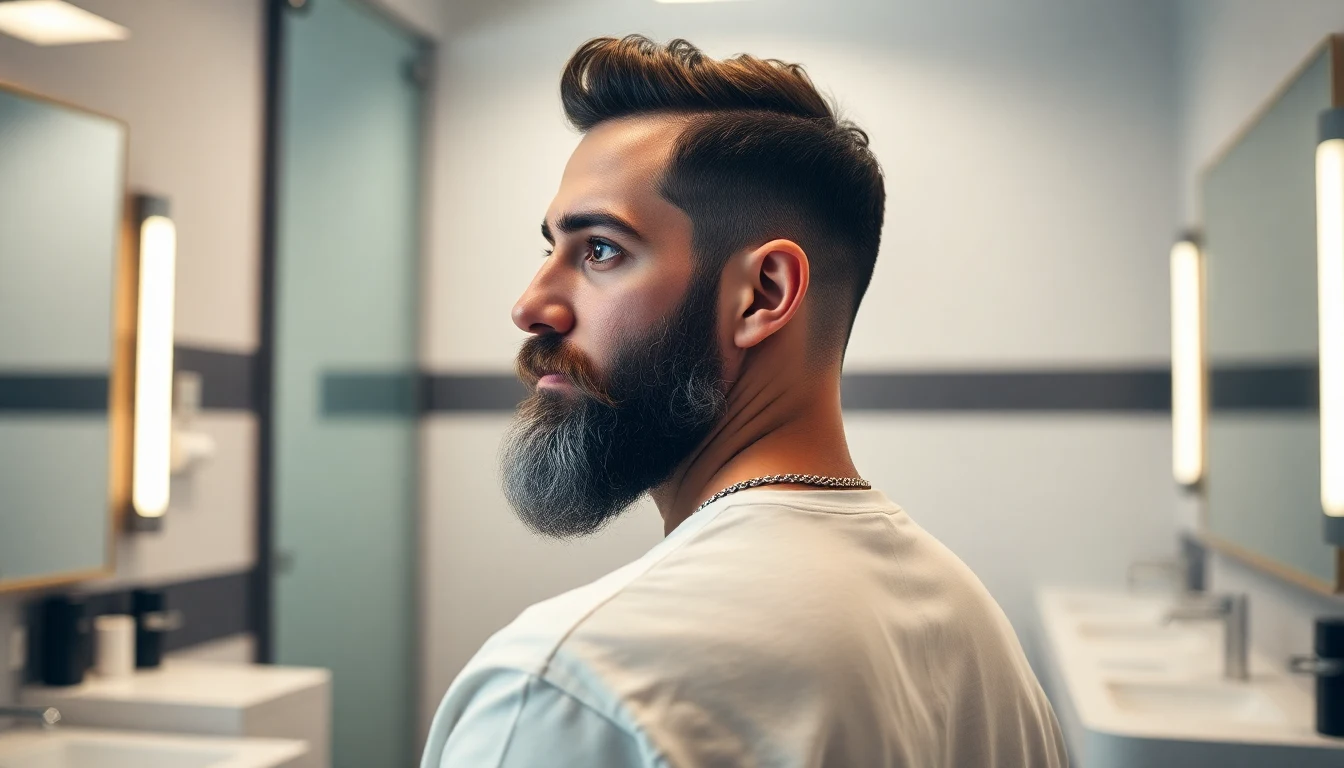
Israeli barbers treat the hair and beard as a single composition. The fade transitions into the beard line, the peyot connect to the sideburns, and the overall silhouette is considered as a whole. In the diaspora, men often get their hair cut at one place and manage their beard separately. Thinking of your grooming as one integrated system (as Israeli barbers do) produces a more cohesive look. Our beard care essentials guide covers the products you need to maintain that cohesion at home.
Respect the Climate
Israeli grooming is practical because it has to be. You cannot maintain an elaborate hairstyle in 35-degree heat with 80% humidity. Israeli styles tend toward shorter cuts in summer and slightly longer in winter, adapting to the climate rather than fighting it. Wherever you live, consider how your local climate should influence your grooming choices. Fighting humidity with heavy products or insisting on a winter style in July is a losing battle.
Finding a Good Barbershop in Israel
If you are visiting Israel and want to experience the barbershop culture firsthand, here are practical tips:
- Ask locals, not travel guides: The best barbershops in Israel are found through word of mouth, not Tripadvisor. Ask your hotel staff, your tour guide, or anyone whose haircut you admire.
- Check Instagram: Younger Israeli barbers showcase their work on Instagram. Search for barbershop hashtags in the city you are visiting to find shops with styles you like.
- Know your halachic needs: If you need scissors-only service, peyot expertise, or halachically appropriate shaving, mention it when booking. Shops in religious areas will understand; shops in secular areas may need the heads-up.
- Bring reference photos: Despite the Israeli tradition of trusting the barber, a reference photo helps bridge any language gap and ensures you and the barber have a shared starting point.
- Tip appropriately: Tipping in Israeli barbershops is customary but lower than American standards. 10-15% is normal. Leaving the change and rounding up is common for shorter services.
FAQ
Are Israeli barbershops open on Shabbat?
In religious neighborhoods and most of Jerusalem, barbershops are closed from Friday afternoon through Saturday night. In Tel Aviv and other secular cities, some barbershops remain open on Saturday, though many close on Friday afternoon and reopen Saturday evening or Sunday morning. It depends entirely on the neighborhood and the shop owner’s observance level.
Do Israeli barbers speak English?
In tourist areas, Tel Aviv, and most of Jerusalem, yes. In smaller cities or more insular neighborhoods, the primary languages will be Hebrew, Arabic, or Russian. Even when English is limited, grooming is a visual profession. Reference photos, pointing, and hand gestures get the job done. Israeli barbers are used to working with clients from diverse language backgrounds.
How much does a haircut cost in Israel?
Prices vary widely. A basic haircut in a neighborhood barbershop runs 40-60 NIS ($11-17). A cut at a trendy Tel Aviv or Jerusalem shop runs 80-150 NIS ($22-42). A premium experience with beard trim, hot towel, and styling can run 150-250 NIS ($42-70). Prices have increased in recent years alongside Israel’s general cost of living increase, but they remain lower than comparable quality in most Western cities.
What is the etiquette for barbershops in religious neighborhoods?
Dress modestly (cover knees and elbows if visiting Mea Shearim or similar areas). Do not take photos inside without asking. Cash is preferred in many smaller shops. If it is close to Shabbos, be mindful of the barber’s time and do not arrive expecting a lengthy service. Keep your phone on silent. The conversation may be in Yiddish or Hebrew, and joining in (even with limited language skills) is appreciated.
Can women get haircuts at Israeli barbershops?
Traditional Israeli barbershops (misparot) are generally men-only spaces, similar to barbershops worldwide. Unisex salons (misparot unisex or machon yofi) serve both genders and are widely available in all Israeli cities. In religious neighborhoods, gender-separated haircutting is the standard.
Final Thoughts
Israeli barbershop culture is a living expression of the country’s diversity: Ashkenazi and Mizrachi, religious and secular, traditional and modern, all sitting in the same barber’s chair. What makes it distinctive is not any single element but the combination of military-forged practicality, Middle Eastern tradition, immigrant innovation, and a national character that prizes directness and results over pretense.
Whether you visit Israel and experience it firsthand or simply apply its principles to your grooming at home, there is something to learn from a culture that takes both its ancient traditions and its daily appearance seriously, and manages to balance the two with characteristic Israeli pragmatism.
For more on Jewish grooming across different traditions and communities, explore our Sephardic beard traditions, Mizrahi grooming traditions, Jewish men’s skincare routine, and peyot styling guide.
Frequently Asked Questions
What makes Israeli barbershop culture different from American or European grooming traditions?
Israeli barbershop culture uniquely blends military precision, Middle Eastern traditions, and immigrant heritage with a practical ‘we will figure it out’ attitude. Unlike American barbershop culture or European salon traditions, Israeli barbers often assess your needs quickly and execute cuts with confident expertise based on their experience rather than extensive consultation.
What should I know about beard grooming if I’m following Jewish religious law?
Jewish grooming law (halacha) varies significantly by community, tradition, and scholarly interpretation, so you should always consult with your rabbi or posek (halachic authority) before making grooming decisions. Different levels of observance have different requirements, and what’s appropriate depends on your specific family tradition and community practices.
What is the Tzanchanim cut and why is it significant in Israeli grooming?
The Tzanchanim cut is a distinctive Israeli military-influenced hairstyle that reflects the country’s strong military culture and grooming traditions. This cut has become iconic in Israeli barbershop culture and represents the military precision that defines many grooming practices across the country.
How has Moroccan and Middle Eastern barbering influenced Israeli grooming styles?
Israeli barbershop culture has been deeply shaped by Mizrachi influences, particularly the Moroccan barber tradition and Iraqi and Yemenite grooming practices brought by immigrant communities. These Middle Eastern traditions blend with local Israeli techniques to create the distinctive approach you’ll find in barbershops throughout Tel Aviv, Jerusalem, and Haifa.