
If you want to master jewish wedding grooming guide, this guide covers everything you need to know. Last updated: February 2026 by Avi Feldman, Grooming Columnist
Let me tell you something they do not put in the chosson (groom) classes: nobody prepares you for the grooming logistics of a Jewish wedding. You are focused on learning hilchos niddah, memorizing your speech, making sure the caterer has the right number of place settings, and somewhere in the back of your mind, you know you need to look good. But “looking good” for a Jewish wedding is not the same as looking good for a regular event. You have the aufruf, the mikvah visit, the fast on the wedding day itself, and then the kabbalas panim, the badeken, the chuppah, the dancing, the seudah, the sheva brachos meals that follow. Each stage has its own grooming demands, and the halachic calendar may add additional wrinkles depending on when your wedding falls.
I got married in late spring, which meant my wedding preparations collided with Sefirat HaOmer. I spent weeks calculating: Could I trim before the Omer started? Would Lag BaOmer fall close enough to my wedding to get a last trim? When exactly should I schedule the barber? These are the kinds of questions that make Jewish wedding grooming its own specialized field. This guide walks you through the entire process, from six weeks before the wedding through the wedding day itself, with specific attention to the halachic and cultural factors that make a Jewish chosson’s grooming unique. For expert guidance on this topic, consult Chabad’s overview of Jewish grooming laws and traditions.
Religious Note: Jewish grooming law (halacha) varies by community, tradition, and scholarly opinion. Always consult with your rabbi or posek (halachic authority) to confirm that any grooming practices described here are appropriate for your level of observance and family tradition.
The Six-Week Timeline : Jewish Wedding Grooming Guide
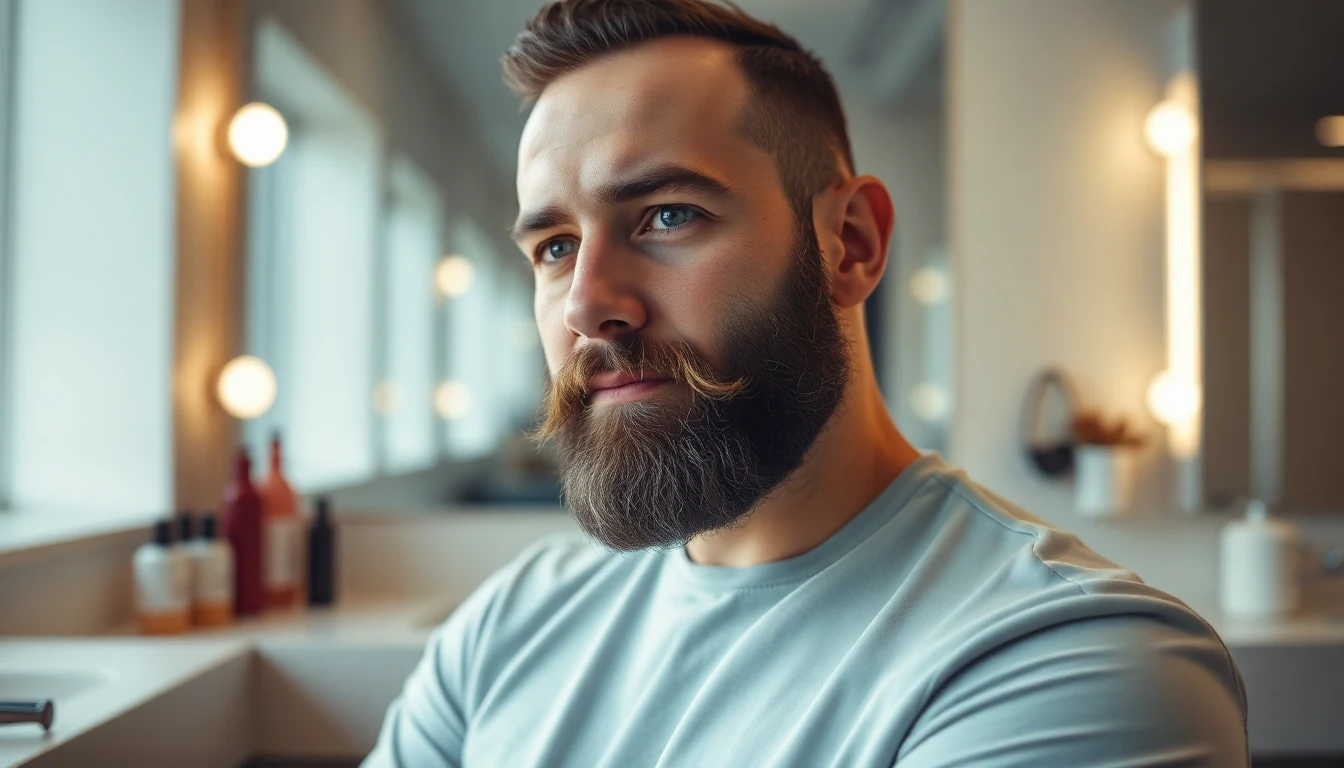
Starting your grooming preparation six weeks before the wedding gives you enough runway to address skin issues, establish a beard care routine, and make any styling decisions while there is still time to course-correct.
Six Weeks Out
Check the calendar: This is the most critical step for a Jewish wedding. Determine whether your wedding falls during or near a halachic grooming restriction period. The main ones to check:
- Sefirat HaOmer (Pesach to Shavuot): Haircutting is restricted for 33 or 49 days depending on your minhag. A chosson may get a haircut on the day of the wedding even during the Omer (this is a well-established heter, permission), but planning the timeline ensures you look your best.
- The Three Weeks (17 Tammuz to 9 Av): Weddings are generally not held during this period, but if your wedding is right before or after, haircutting restrictions affect your preparation.
- Pre-Rosh Hashanah/Yom Kippur: No restrictions, but the fall holiday season creates scheduling challenges.
Start a skincare routine: If you do not already have one, now is the time. Six weeks gives your skin enough time to respond to consistent care, clear up minor blemishes, and develop the healthy glow you want for wedding photos. Our Jewish men’s skincare routine covers the full daily regimen.
Beard decision: If you are debating between a trimmed or fuller beard for the wedding, commit to a direction now. Six weeks is enough time to grow a beard from scratch (if you shave) or shape an existing beard to a wedding-ready state.
Four Weeks Out
Get a “test” haircut: Visit the barber and get the cut you plan to have at the wedding. This gives you four weeks to live with it, identify any issues, and refine before the final pre-wedding cut. If you are trying a new barber, this test run is essential: you do not want your first visit to be the morning of the wedding.
Establish your beard product routine: Start using the beard products you will use on the wedding day. Beard oil, beard balm, and beard butter all work better with consistent use. A beard that has been regularly oiled and conditioned for four weeks looks noticeably better than one that received product for the first time on the wedding morning.
Address skin issues: If you have acne, ingrown hairs, or other skin concerns, address them now. Some treatments (like prescription retinoids) take weeks to show results. If needed, schedule a dermatologist visit. You want these issues resolved well before the wedding, not being actively treated on the day. Mastering jewish wedding grooming guide takes practice but delivers great results.
Two Weeks Out
Intensify skincare: Increase moisturizing frequency. If your skin tends toward dryness, add a nighttime moisturizer. For oily skin, use a gentle exfoliant 2-3 times per week to prevent pre-wedding breakouts. Drink extra water. Proper hydration shows up in your skin within days.
Hands and nails: Start paying attention to your hands. Trim nails, push back cuticles, moisturize hands nightly. Your hands will be visible in ring exchange photos, and your kallah (bride) will be looking at them during the chuppah. This is not vanity; it is respect for the occasion.
Trial run of the full grooming sequence: On a regular morning, go through the complete grooming routine you plan to do on the wedding day. Time it. Identify anything that takes longer than expected or does not look right. Adjust the plan.
One Week Out
Final barber visit: Get the pre-wedding haircut and beard trim. Schedule it for early in the week (Monday or Tuesday) so any razor bumps or minor irritation has time to heal before the wedding. If your wedding is on Sunday (common in the frum world), get the cut on the preceding Tuesday or Wednesday.
Aufruf preparation (if Ashkenazi): The aufruf (the Shabbos before the wedding when the chosson is called to the Torah) is the first public event of the wedding week. You want to look sharp. Get your haircut before the aufruf, shower and groom carefully for Shabbos, and wear your Shabbos best. This is the community’s first look at you as a chosson; make it count.
Stock up on products: Make sure you have everything you need for the wedding day: beard oil, balm, cologne, styling products, comb, and any other grooming essentials. Do not leave this for the last minute.
The Week of the Wedding
Sleep
Sleep is the most underrated grooming tool. The week before the wedding is stressful, and the temptation is to stay up late handling last-minute details. Resist this. Sleep deprivation shows up immediately in dark circles, dull skin, and a generally haggard appearance. Aim for 8 hours every night during the week of the wedding. Your skin, your energy, and your appearance at the chuppah will all benefit.
Hydration and Diet
Drink at least 8 glasses of water daily. Reduce salt intake (salt causes water retention and facial puffiness). Avoid new foods that might cause digestive issues or breakouts. This is not the week to try that new restaurant everyone is recommending. Eat foods you know your body handles well, focus on vegetables, protein, and hydration.
The Mikvah Visit
Most chassanim (grooms) visit the mikvah on the morning of or the day before the wedding. This is both a spiritual preparation and a grooming opportunity. When you go to the mikvah:
- Shower thoroughly before immersion (this is a halachic requirement for mikvah preparation).
- Wash and condition your beard carefully.
- Trim nails (some communities have the custom to trim nails before the mikvah; follow your minhag).
- Comb through all hair to remove tangles (chatzitzos).
- After immersion, rinse with fresh water and apply beard oil to counteract the mikvah water’s drying effect.
Wedding Day Grooming
The Fast
Many communities have the minhag that the chosson and kallah fast on the wedding day until after the chuppah. This affects your grooming in several ways:
- Dehydration: Fasting leads to dehydration, which shows up as dull, dry skin. Drink as much water as possible before the fast begins (if your minhag permits water during the fast, continue hydrating). Apply extra moisturizer in the morning to compensate for the skin dehydration that comes with fasting.
- Energy management: The grooming routine should be completed early in the day while your energy is still high. Do not leave it for the afternoon when fasting fatigue sets in.
- Breath: Fasting breath is real. If your minhag permits, keep mints or mouthwash available for right before the kabbalas panim. Your kallah (and the rabbi standing under the chuppah with you) will appreciate it.
Morning Grooming Sequence
Complete this sequence in the morning, well before you need to start getting dressed:
- Shower: Warm (not hot) water. Hot water opens pores and can cause redness that takes time to calm down.
- Face wash: Gentle cleanser. Pat dry, do not rub.
- Shave or trim (if applicable): If your minhag permits and you shave or trim on the wedding day, do it now while the skin is warm and the hair is soft. Use a sharp blade or fresh trimmer head to minimize irritation.
- Beard wash and condition: Use beard wash, apply conditioner for 2-3 minutes, rinse with cool water.
- Moisturize: Apply facial moisturizer with SPF if the chuppah will be outdoors.
- Beard oil: 4-5 drops of beard oil, worked into the skin under the beard and through the hair.
- Beard balm: Apply beard balm for shape and hold. This is a long day; the balm will help the beard maintain its shape through kabbalas panim, chuppah, and hours of dancing.
- Comb and shape: Use a fine-tooth comb to comb the beard into its final shape.
- Hair styling: Style your hair to work under your kippah. Use a product that provides hold without stiffness. Your kippah will be on and off throughout the day (especially during dancing), and your hair needs to survive the transitions.
- Cologne: Apply a quality fragrance. The wedding is an appropriate occasion for something a bit more special than your daily scent. Apply to pulse points (wrists, neck, behind ears) and let it settle. Do not overapply; you will be in close proximity to many people throughout the day.
- Nails: Final check. Clean, trimmed, no rough edges.
Kabbalas Panim and Tisch
The kabbalas panim (reception before the ceremony) and the chosson’s tisch (table) are when you first appear before your community as a chosson. You are seated, people are coming to you, and you are the center of attention. Your grooming is on full display. Understanding jewish wedding grooming guide is key to a great grooming routine.
Tips for this stage: Keep a small comb in your jacket pocket for quick touch-ups. If you are wearing a kittel (white robe) over your suit, make sure the collar does not crush or flatten your beard. The tisch often involves whisky or l’chaim; be mindful of your beard when drinking. A quick napkin swipe after each l’chaim prevents alcohol residue from dulling the beard’s appearance.
The Chuppah
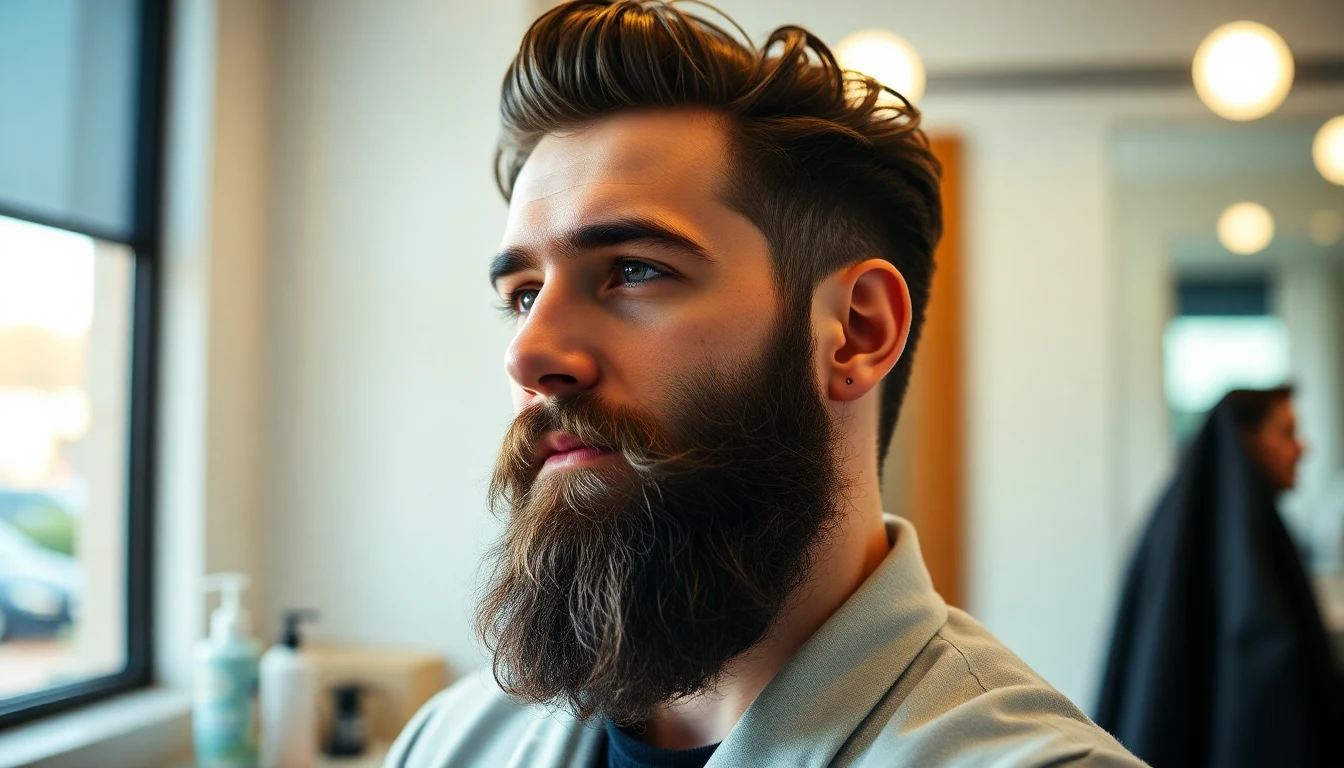
This is the main event, the moment that will be photographed from every angle and remembered forever. Before walking to the chuppah:
- Quick comb-through of beard and hair.
- Check kippah placement and hair underneath.
- Blot any shine on your face with a tissue (especially if you have been fasting and your skin is producing excess oil to compensate for dehydration).
- Straighten your kittel and tallis.
- Deep breath.
During the chuppah, tears are common (yours and your kallah’s). If you cry, let it happen. Use a tissue gently. Do not rub your face aggressively. The emotional authenticity of the moment is more important than maintaining a perfectly polished appearance, and your photographer knows how to capture genuine emotion beautifully.
The Dancing
The wedding dancing will test every grooming decision you made earlier in the day. You will sweat. Your hair will get messed up. Your kippah will fly off (possibly multiple times). Your beard will get disheveled when friends lift you on a chair. Your jacket will come off. This is all part of the simcha (celebration), and fighting it is pointless.
Instead, plan for it: use products that recover from sweat and movement rather than ones that require constant maintenance. Beard balm with natural hold recovers better than wax-based products. A matte hair styling product survives better than a shiny gel. And mentally, accept that you will look different at midnight than you did at the chuppah. The late-night photos, with your hair wild and your face flushed from dancing, are often the most genuine and beloved images from the wedding.
Grooming for the Sheva Brachos Week
The celebrations do not end with the wedding. The seven days of sheva brachos (festive meals hosted in the new couple’s honor) mean seven more occasions where you need to look presentable. You are still the chosson; people are still looking at you.
Daily routine: Maintain your wedding-week grooming standard. Shower, wash and oil beard, style hair, dress well. The temptation after the intensity of the wedding day is to let things slide, but you have a week of events ahead.
Trimming: If your wedding fell during a restricted period and you received a heter to trim for the wedding day, ask your rav whether the same heter extends through sheva brachos. In many cases, the chosson’s heter for grooming covers the sheva brachos week as well.
Fragrance: Vary your cologne slightly across the sheva brachos week rather than wearing the same scent every night. It keeps each event feeling distinct and prevents olfactory fatigue (your nose stops noticing a scent you wear constantly).
Specific Halachic Considerations for Chassanim
Wedding During Sefirat HaOmer
If your wedding falls during the Omer period, the chosson may get a haircut on the day of the wedding. This is a widely accepted heter based on the chosson’s special status. Some poskim permit the haircut from the day before, others only on the day itself. The members of the wedding party do not share this heter (unless the wedding falls on Lag BaOmer, when everyone may cut). Our Sefirat HaOmer grooming guide covers the Omer restrictions in full.
The Chosson’s Beard
In some Chassidic communities, the chosson begins growing his beard in the weeks leading up to the wedding, particularly if he was previously clean-shaven or closely trimmed. This is a significant moment, as the beard represents the transition to married life and adult responsibility. If this applies to you, start the growth early enough that the beard has filled in by the wedding day. Four to six weeks is the minimum for a presentable new beard. See our beard growth guide for strategies to maximize growth in the pre-wedding period. When it comes to jewish wedding grooming guide, technique matters most.
Mikvah Before the Wedding
The chosson’s mikvah visit is a spiritual preparation for marriage. From a grooming perspective, the key is to protect your pre-wedding grooming from the mikvah’s drying effects. Schedule the mikvah early enough that you have time to re-apply products and re-style after immersion. Do not go to the mikvah right before getting dressed; give yourself at least an hour buffer for post-mikvah beard and hair care.
Photography Considerations
Wedding photos last forever, and certain grooming choices photograph better than others. Here are tips specifically for looking your best in photos:
- Matte over shine: Oily skin and shiny styling products create hot spots in flash photography. Use a matte moisturizer and matte styling products to minimize unwanted shine.
- Blot before key moments: Before the chuppah and before posed photos, blot your face with a tissue to remove excess oil. T-zone shine (forehead, nose, chin) is the biggest photography detractor.
- Beard shape matters more than length: In photos, a well-shaped medium beard photographs better than a long, undefined one. The beard balm you applied that morning should be maintaining shape; if it has worn off, a quick comb-through before photos restores the silhouette.
- Under-eye treatment: If you are prone to dark circles (especially likely if you have been fasting), apply an eye cream the night before and morning of the wedding. Dark circles are amplified in photos.
- Lips: Fasting dehydrates lips. Apply a clear lip balm before photos to prevent cracked, dry lips from showing up in close-up shots.
FAQ
How far in advance should I book my barber for the pre-wedding haircut?
At least two weeks in advance, ideally three. If your wedding is during a popular season (spring, fall), barbers in Jewish neighborhoods are busy with other pre-holiday and pre-wedding clients. Explain that it is your pre-wedding cut so the barber allocates extra time for precision. Many barbers will give extra attention knowing the haircut is for a wedding.
Should I try a new hairstyle for my wedding?
Generally, no. Your wedding is not the time to experiment. Go with a refined version of your usual style. If you want to try something new, do it six weeks before the wedding (at the “test cut” stage) so you have time to evaluate and adjust. Your kallah fell in love with how you normally look; an extreme departure on the wedding day can be more jarring than impressive.
What cologne should I wear?
Choose something slightly more elevated than your daily fragrance but not dramatically different. Woody, warm scents tend to be crowd-pleasers at weddings: sandalwood, cedar, light oud. Avoid anything aggressively strong or polarizing. Apply to pulse points only and do not reapply mid-event. The last thing you want is to overwhelm your kallah (or the rabbi) during the chuppah with an overpowering scent. For fragrance fundamentals, our Sephardic traditions guide covers the Middle Eastern fragrance heritage that inspires many wedding-appropriate scents.
My wedding is outdoors in summer. How do I prevent sweat from ruining my look?
An outdoor summer chuppah means sweat is inevitable. Use an oil-free, matte moisturizer. Skip heavy balm in favor of lighter beard oil that will not melt in the heat. Carry blotting papers (available at any pharmacy) and use them before key moments. Have a handkerchief for dabbing sweat during the ceremony. Accept that you will sweat; the goal is management, not prevention.
Does the chosson need to grow a beard before the wedding?
This depends entirely on your community and personal observance. In many Chassidic communities, the chosson begins growing a beard before the wedding as part of the transition to married life. In Modern Orthodox, Litvish, and many Sephardic communities, this is not a requirement. Follow your rav’s guidance and your own level of observance. If you do choose to grow a beard for the wedding, start at least six weeks before to allow for adequate growth and shaping.
Final Thoughts
Your wedding day is one of the most significant days of your life. The grooming you do for it is not vanity; it is kavod (honor) for the occasion, for your kallah, and for the community celebrating with you. The chosson who shows up at the chuppah looking clean, well-groomed, and put-together communicates that he takes this moment seriously.
Start early. Plan around the calendar. Invest in the right products. Get a barber you trust. And on the day itself, complete your grooming early, then put it out of your mind. Once you are walking toward the chuppah, the only thing that matters is the person waiting for you under the canopy.
For more on Jewish grooming practices, explore our pre-Shabbat grooming routine, Jewish men’s skincare routine, beard care essentials, and bar mitzvah grooming guide.
Frequently Asked Questions
What is the Jewish wedding grooming guide timeline I should follow before my wedding?
You should start planning your grooming six weeks before your wedding day, accounting for haircuts, beard trimming, and skin preparation. The timeline becomes more complex if your wedding falls during Sefirat HaOmer or other Jewish holidays, as halachic restrictions on grooming during these periods may affect when you can visit the barber.
Can I trim my beard and hair during Sefirat HaOmer if my wedding is coming up?
This depends on your specific community’s customs and your rabbi’s guidance, as halachic interpretations vary. You may be able to trim before the Omer period begins or schedule your grooming around significant dates like Lag BaOmer, so consult with your posek (halachic authority) well in advance.
How should I groom differently for the badeken and chuppah ceremony?
The badeken and chuppah are intimate ceremonial moments where your grooming is closely observed, so you’ll want to ensure your hair, beard, and skin are impeccably maintained beforehand. Since these ceremonies happen in quick succession on the wedding day, you should prepare all grooming the night before to avoid any last-minute touch-ups that might violate halachic rules depending on the day of the week.
Does fasting on my wedding day affect my grooming and appearance?
Yes, fasting can impact your skin tone and energy levels, so you should prepare extra well the days leading up to your wedding with proper hydration and skincare. Plan your major grooming tasks like haircuts and treatments before your fast begins to ensure you look fresh, and consider having mouthwash on hand for the chuppah without breaking your fast.