
Last updated: February 2026 by Carlos Espinoza, Master Barber
The barbería is more than a place to get a haircut. If you grew up in a Latino neighborhood, you know exactly what I mean. The barbería is where you learned to be a man. It is where your tío brought you for your first real cut, where you heard conversations about politics and football and life that no classroom would ever teach you. It is where a fifteen-year-old kid sits next to a seventy-year-old abuelo, and both leave looking sharp and feeling respected.
Latino barbershop culture runs deeper than most people outside our community realize. It is a cultural institution that has survived immigration, gentrification, economic downturns, and the rise of chain salons. It has adapted, evolved, and thrived because it serves a need that goes far beyond grooming. This guide explores the history, the rituals, the social dynamics, and the future of the Latino barbería, told from the perspective of someone who has spent his life in one. For expert guidance on this topic, consult Healthline’s men’s health resources.
The Historical Roots
The Pachuco Era (1930s-1950s)
The story of Latino barbershop culture in the United States begins with the pachucos. Mexican American men in the 1930s and 1940s, primarily in Los Angeles, El Paso, and San Antonio, developed a distinct identity expressed through zoot suits, slicked-back hair, and a defiant sense of style. The barbería became the headquarters of this cultural movement.
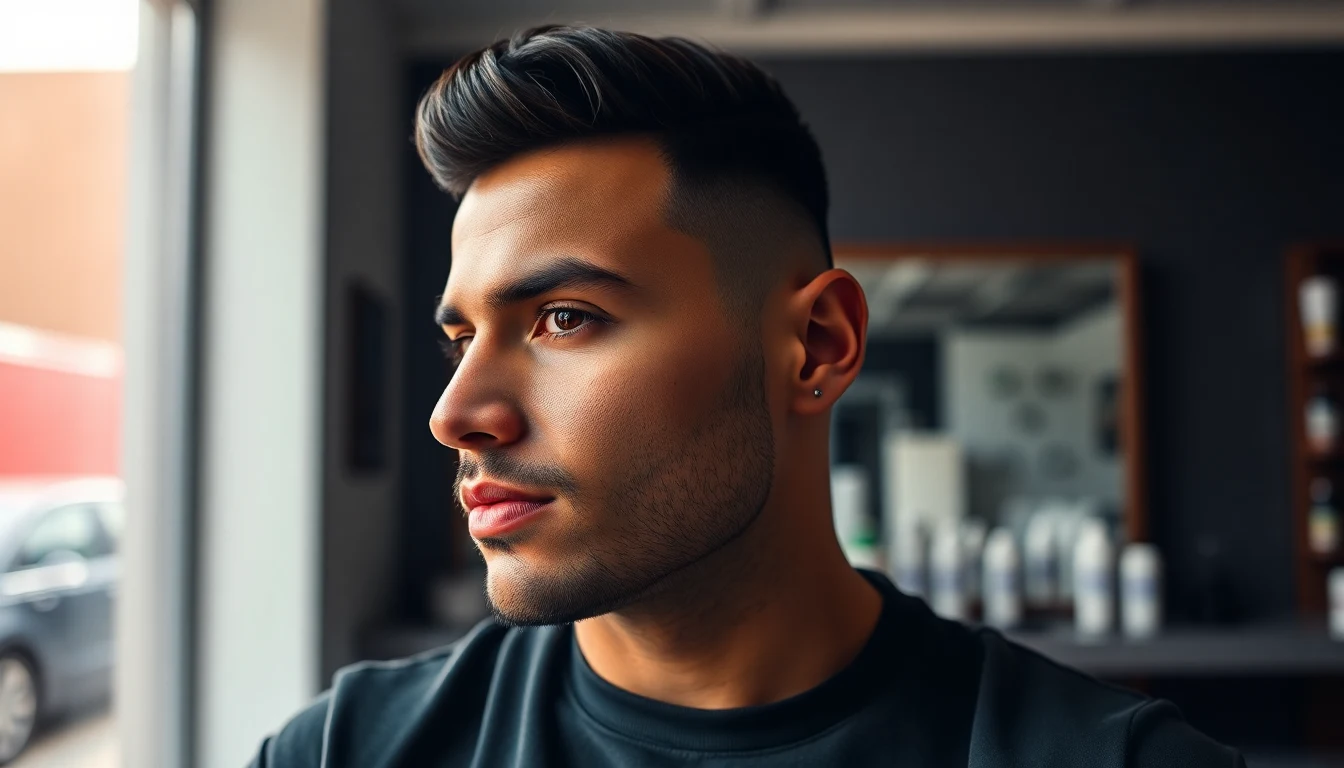
Pachuco hairstyles required maintenance: the ducktail (or “D.A.”), the pompadour, and the slicked-back style all needed regular barbershop visits and specific pomade products. Barbers who served pachuco clients were not just cutting hair; they were enabling cultural expression during a time when Mexican Americans faced open discrimination. The barbería was a safe space where you could be unapologetically yourself.
The Zoot Suit Riots of 1943, where US servicemen attacked Mexican American youth in Los Angeles, directly targeted the pachuco identity, including their hairstyles. Pachucos were forcibly shaved by their attackers. The barbershop became even more significant after this event: getting your hair styled in the pachuco manner was an act of resistance and cultural pride.
The Barrio Barbería (1960s-1980s)
As Latino communities grew in major US cities, the barbería became the social center of the barrio. Every neighborhood had at least one, often identifiable by the spinning barber pole, the Spanish-language radio playing through the door, and the line of men waiting on mismatched chairs along the wall.
These barbershops were family operations. A father would teach his son, who would teach his son. The skills were passed down through apprenticeship, not formal education. The techniques were practical, developed through decades of working with thick Latino hair that mainstream barber schools barely understood.
During this era, the barbería served as an informal community center. New immigrants got advice on jobs and housing. Young men received guidance from elders. Disputes were sometimes mediated. Information flowed through the barbershop faster than any newspaper. The barber himself was often one of the most respected men in the neighborhood, a steady presence in a community that sometimes lacked other stable institutions.
The Fade Revolution (1990s-2000s)
The 1990s brought the fade to Latino barbershops, and it changed everything. Influenced by Black barbering traditions and hip-hop culture, Latino barbers began mastering the art of the graduated fade. The skill required was significantly higher than traditional scissor cuts, and it pushed the entire profession toward greater technical precision.
Puerto Rican and Dominican barbers, particularly in New York City, became known for their exceptional fading techniques. Barber competitions emerged, pitting the best cutters against each other in displays of speed, precision, and creativity. These competitions elevated barbering from a trade to an art form in the Latino community.
The fade era also brought hair designs into mainstream Latino grooming. Barbers began carving patterns, logos, and images into faded sections using razors and trimmers. What started as simple lines evolved into photorealistic portraits, cultural symbols, and intricate geometric patterns. The skin fade became the canvas, and the barber became the artist.
The Social Media Era (2010s-Present)
Instagram and TikTok transformed Latino barbering into a global phenomenon. Barbers who previously served only their neighborhood clientele gained hundreds of thousands of followers by posting their work online. The best Latino barbers became influencers and celebrities in their own right. Mastering latino barbershop culture takes practice but delivers great results.
Social media also democratized barbering education. Techniques that were once closely guarded shop secrets became available through tutorials and live streams. A young barber in Mexico City could learn from a master in the Bronx without leaving home. This accelerated the overall skill level across the profession.
The downside? The rise of “Instagram barbershops” that prioritize aesthetics and branding over the community function that traditional barberías served. Some shops now feel more like boutiques than community hubs. The tension between tradition and modernization is ongoing.
The Rituals of the Barbería
Every Latino barbershop has rituals, some spoken and some unspoken. Understanding them is part of belonging.
The Wait
In a traditional barbería, you do not make an appointment. You show up, put your name on the list (or just remember who was there before you), and you wait. The wait is not dead time. It is social time. You talk to the other guys waiting. You watch the barber work. You listen to the conversations. The wait is where community happens.
Modern barbershops have introduced appointment systems, which makes sense for busy professionals. But something is lost when the wait disappears. The spontaneous conversations, the chance encounters with neighbors, the slow buildup of anticipation before your turn: these are part of the experience.
The Chair Conversation
The conversation between barber and client while in the chair follows unwritten rules. It starts light: how is work, how is the family, did you see the game? It can go deeper depending on the relationship. Long-time clients and their barbers share things they might not tell anyone else. The chair is a confessional of sorts.

The barber knows to listen more than talk. To offer wisdom without being asked. To keep what is said in the chair, in the chair. This trust is sacred. I have clients who have been coming to me for years, and I know their divorces, their job losses, their victories, and their worries. None of it leaves my shop.
The Mirror Moment
When the barber finishes and holds up the mirror behind you so you can see the back, there is a moment. A pause where you take in the transformation. For many men, this is the only moment in their week where they pause to look at themselves and feel good about what they see. It is a small thing. But it matters.
The hand mirror reveal is a ritual. The barber slowly turns it so you see the left, the back, the right. You nod. You might ask for a small adjustment. And then the cape comes off and you are a different person than the one who sat down thirty minutes ago. That transition, from before to after, is the core magic of the barbería.
The First Cut
In many Latino families, a boy’s first real haircut at the barbería is a rite of passage. Often brought by a father, uncle, or grandfather, the boy sits in the big chair for the first time, surrounded by men. He watches himself transform in the mirror. He gets treated like a young man, not a child. The barber might joke with him, make him feel important, tell him he looks like a movie star.
I still remember my tío bringing me for my first skin fade. The sound of the clippers, the smell of aftershave, the way my tío nodded with approval when it was done. That moment planted the seed for my career. It planted the seed for my understanding of what it means to care about your appearance as a form of self-respect.
The Barbería as Community Institution
Mentorship
In neighborhoods where positive male role models may be scarce, the barber fills a critical gap. Barbers interact with young men regularly, build relationships over time, and have the opportunity to offer guidance in a non-threatening, organic way. A word of encouragement during a haircut, a question about school or goals, an example of a man running his own business: these moments add up.
Many Latino barbers take this role seriously. Some offer free or discounted cuts to kids who bring their report cards. Others sponsor local sports teams or host community events at their shops. The barbería is often the most stable business on the block, and the barber is a fixture of the community for decades. Understanding latino barbershop culture is key to a great grooming routine.
Economic Engine
Barbering provides economic opportunity in communities where traditional pathways (college, corporate jobs) may not be accessible or desirable. A skilled barber can earn $50,000-$100,000+ annually while being their own boss, working in their own neighborhood, and building generational wealth through shop ownership.
The barrier to entry is relatively low compared to other professions. Barber school typically takes 9-18 months and costs $5,000-$20,000. Many barbers start as apprentices, learning on the job while earning. For young Latino men from working-class backgrounds, barbering represents a respected, lucrative career path that does not require leaving their community.
Cultural Preservation
The barbería preserves culture in ways that are easy to overlook. Spanish is spoken freely. Music from the home country plays on the speakers. Conversations reference cultural touchpoints, holidays, foods, and traditions that might not be discussed in a mainstream setting. For second and third-generation Latino men who may be losing connection to their heritage, the barbería is a thread back to their roots.
The styles themselves carry cultural meaning. The Mexican men’s hairstyles that come through my chair connect to generations of tradition. The Puerto Rican styles that come out of Bronx barbershops connect to island heritage. Each cut carries a cultural DNA that is passed from barber to client, from generation to generation.
Regional Barbershop Cultures
Latino barbershop culture is not monolithic. Different regions have different flavors.
East LA and Southern California
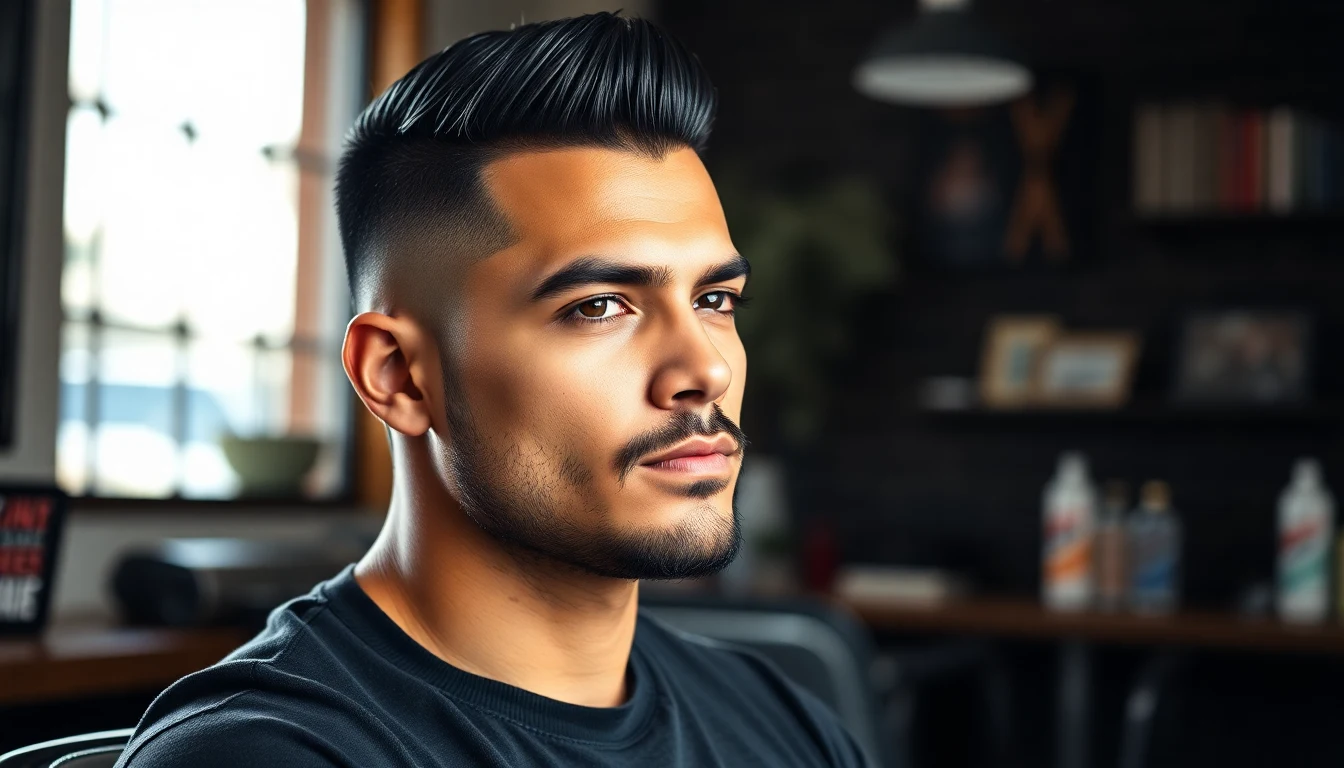
The epicenter of Mexican American barbering. Shops here range from old-school one-chair operations to modern studios with ten barbers and a DJ on weekends. The style leans toward clean fades, pomade culture, and the occasional lowrider parked outside. Suavecito pomade was born in this ecosystem, created by barbers for their community.
New York City
The Puerto Rican and Dominican influence is dominant. NYC barbershops are known for their artistry, speed, and the ever-present bachata or reggaeton soundtrack. Competition culture is strong here, with barbers regularly entering regional and national competitions. The Dominican blowout technique originated in NYC-area salons.
South Texas and the Border
Border-town barberías have a unique character, serving clients from both sides. Styles here tend toward dramatic fades and bold designs, influenced by northeño music culture. Prices are often lower, and the atmosphere is more traditional: first-come-first-served, cash only, and no appointment needed.
Miami
Miami’s barbershop scene reflects the city’s Cuban, Colombian, Venezuelan, and broader Caribbean influence. The style emphasis is on clean, polished looks with high shine. Elegance Hair Gel is extremely popular here because of its humidity resistance. The social atmosphere is vibrant, with shops often open late and serving as gathering spots for the evening crowd.
Chicago
Chicago’s large Mexican population supports a thriving barbería scene in neighborhoods like Pilsen, Little Village, and Back of the Yards. The style here is pragmatic: clean cuts that work for tradesmen, professionals, and everyone in between. The barbershops often serve as unofficial community centers, especially in winter when outdoor gathering is limited.
The Economics of the Modern Barbería
| Factor | Traditional Barbería | Modern Barbershop |
|---|---|---|
| Price per cut | $12-20 | $25-50 |
| Appointments | Walk-in only | Online booking |
| Payment | Cash preferred | Card, Venmo, Cash App |
| Branding | Minimal (word of mouth) | Instagram, TikTok presence |
| Services | Haircut, shave | Haircut, shave, beard shape, facial, products |
| Atmosphere | Community hub, TV, music | Curated experience, drinks, merchandise |
| Clientele | Neighborhood regulars | Mix of locals and social media followers |
Both models coexist and serve different needs. The traditional barbería is not disappearing; it is simply being joined by newer formats. Many men maintain loyalty to their traditional barber while occasionally trying a trendy shop for a special occasion.
Barbería Etiquette
Every barbershop has unwritten rules. Here are the ones that apply across most Latino shops.
- Respect the line: If there is no sign-in sheet, remember who was there before you and honor the order.
- Come with clean hair: Showing up with dirty, product-caked hair is disrespectful to your barber. Wash your hair before your appointment.
- Be clear about what you want: Do not say “just clean it up” unless your barber already knows your style. Bring photos. Be specific.
- Tip your barber: 15-20% is standard. If the cut is great, tip more. If you are a regular, consistent tipping builds a relationship that means your barber gives you priority and extra effort.
- Do not complain about the wait: The wait is part of the experience. If you cannot wait, make an appointment at a shop that offers them.
- Stay off your phone during the cut: Your barber needs you to hold your head still and straight. Looking down at your phone changes your posture and head angle, which affects the cut. It is also just respectful to be present.
- Speak up during the cut: If something looks off, say something before the barber goes further. It is much easier to fix early than after the fact.
The Future of Latino Barbershop Culture
The Latino barbería is evolving, but its core function remains: it is a place where Latino men gather, look good, and connect. Here is where I see it heading. When it comes to latino barbershop culture, technique matters most.
Hybrid models: More shops will offer both walk-in and appointment options, blending traditional accessibility with modern convenience.
Expanded services: Skincare, facials, and wellness services are entering barbershops. This reflects a broader shift in men’s grooming attitudes. A skincare routine is no longer unusual for men, and barbershops that offer these services are meeting real demand.
Digital preservation: Social media is preserving and spreading techniques that were once local secrets. Young barbers from small towns in Mexico can learn from the best in New York. This elevates the entire profession.
Community resilience: The barbería has survived every threat thrown at it over the past century. Chain salons could not replace it. Home clippers could not eliminate it. The pandemic briefly closed doors but could not close relationships. The barbería will continue to adapt because the need it serves, community connection through the ritual of grooming, is fundamental and irreplaceable.
Frequently Asked Questions
Why are Latino barbershops important to the community?
Latino barbershops serve as community centers, mentorship spaces, cultural preservation sites, and economic engines. They provide a safe space for men to connect, receive guidance, and maintain cultural identity. For new immigrants, the barbería is often the first place where they feel at home in a new country. For young men, it is a place of mentorship and belonging.
How did the fade become popular in Latino barbershops?
The fade crossed over from Black barbering traditions into Latino shops during the 1990s, driven by hip-hop culture and the close proximity of Black and Latino communities in cities like New York, LA, and Chicago. Latino barbers adapted the technique for their clients’ hair textures and added their own innovations, including design work and specific blending methods for thick hair.
What should I expect at a traditional Latino barbershop?
Expect to wait (bring patience), hear Spanish spoken freely, and experience a social atmosphere more than a transactional one. The barber will likely ask about your family and life. Music will be playing. Other clients will be talking. The cut itself will be skilled and often faster than you expect. Cash is preferred in many traditional shops. Tipping is expected.
How much should I tip my barber?
Standard tipping is 15-20% of the cut price. For a $25 cut, $4-5 is appropriate. For exceptional work, design additions, or a barber who always fits you in when you show up without an appointment, tip more generously. Regular clients who tip well build a relationship that results in better service, priority scheduling, and a barber who genuinely cares about your look.
Are Latino barbershops only for Latino men?
No. While the cultural atmosphere is rooted in Latino tradition, good barberías welcome everyone. A skilled Latino barber can cut any hair type. Many shops serve diverse clientele, especially in mixed neighborhoods. If you feel welcome and the barber does good work, that is all that matters.
Final Thoughts
The Latino barbería is one of the most enduring cultural institutions in our community. It has outlasted trends, technology shifts, and social upheaval because it serves a need that is deeper than haircuts. It is where identity is shaped, where community bonds are maintained, and where the simple act of looking good becomes an act of cultural pride.
Next time you sit in that chair, look around. Listen to the conversations. Notice the young kid getting his first fade. The old man getting his weekly trim. The barber who knows everyone by name. What you are seeing is not just a haircut. It is a tradition that connects you to every Latino man who has ever sat in that same spot, in that same chair, in that same neighborhood, for generations.
For practical grooming guides that honor this tradition, explore our complete collection: Mexican men’s hairstyles, Latino beard styles, best pomade for Hispanic hair, and best clippers for Latino hair.
Frequently Asked Questions
What makes Latino barbershop culture different from other barbershops?
Latino barbershops, or barberías, serve as cultural institutions that go far beyond haircuts. They are spaces where mentorship happens, community bonds are strengthened, and cultural traditions are passed down through generations, creating a social fabric that reflects the values and history of Latino communities.
How did the fade become so popular in Latino barbershops?
The fade rose to prominence in Latino barbershops during the 1990s-2000s as part of the fade revolution, becoming a signature style that represented skill, precision, and cultural identity. Barbers perfected this technique to create sharp, clean lines that became synonymous with the modern barbería aesthetic.
What rituals should I know about when visiting a traditional barbería?
When you visit a barbería, you’ll experience several key rituals including the wait (where community happens), the chair conversation (building rapport with your barber), the mirror moment (showing your desired style), and finally the cut itself. These rituals create a meaningful experience that transforms a simple grooming visit into a cultural practice.
Why have Latino barbershops survived when many other small businesses have closed?
Latino barbershops have thrived through economic downturns and gentrification because they fill a need beyond just grooming. They function as community hubs for mentorship, conversation, and cultural preservation, making them essential to neighborhood identity and creating loyal customer bases that keep them resilient.