
Last updated: February 2026 by Carlos Espinoza, Master Barber
Latino beard styles carry a certain swagger that is hard to replicate. Maybe it is the way a well-trimmed goatee frames a strong jawline, or how a full beard paired with a skin fade creates that contrast between clean and rugged. Whatever it is, Latino men have been rocking facial hair with pride for generations, and the options for styling it have never been better than they are in 2026.
I have shaped thousands of beards in my East LA barbershop, and one thing I have learned is that Latino facial hair is as diverse as our community itself. Some guys can grow a full, thick beard by age eighteen. Others struggle with patchiness into their thirties. Some have coarse, wiry hair that needs taming. Others have softer, wavier growth that practically styles itself. This guide covers every scenario with honest advice from someone who works with Latino beards every day. For expert guidance on this topic, consult Healthline’s men’s health resources.
Understanding Latino Facial Hair
Before picking a style, you need to understand what your facial hair can actually do. Latino men come from incredibly mixed backgrounds, and your beard genetics reflect that. Indigenous ancestry tends to produce finer, sparser facial hair. Spanish and Mediterranean roots contribute thicker, denser growth. African roots (common in Caribbean Latino populations) often mean coarser, curlier beard hair.
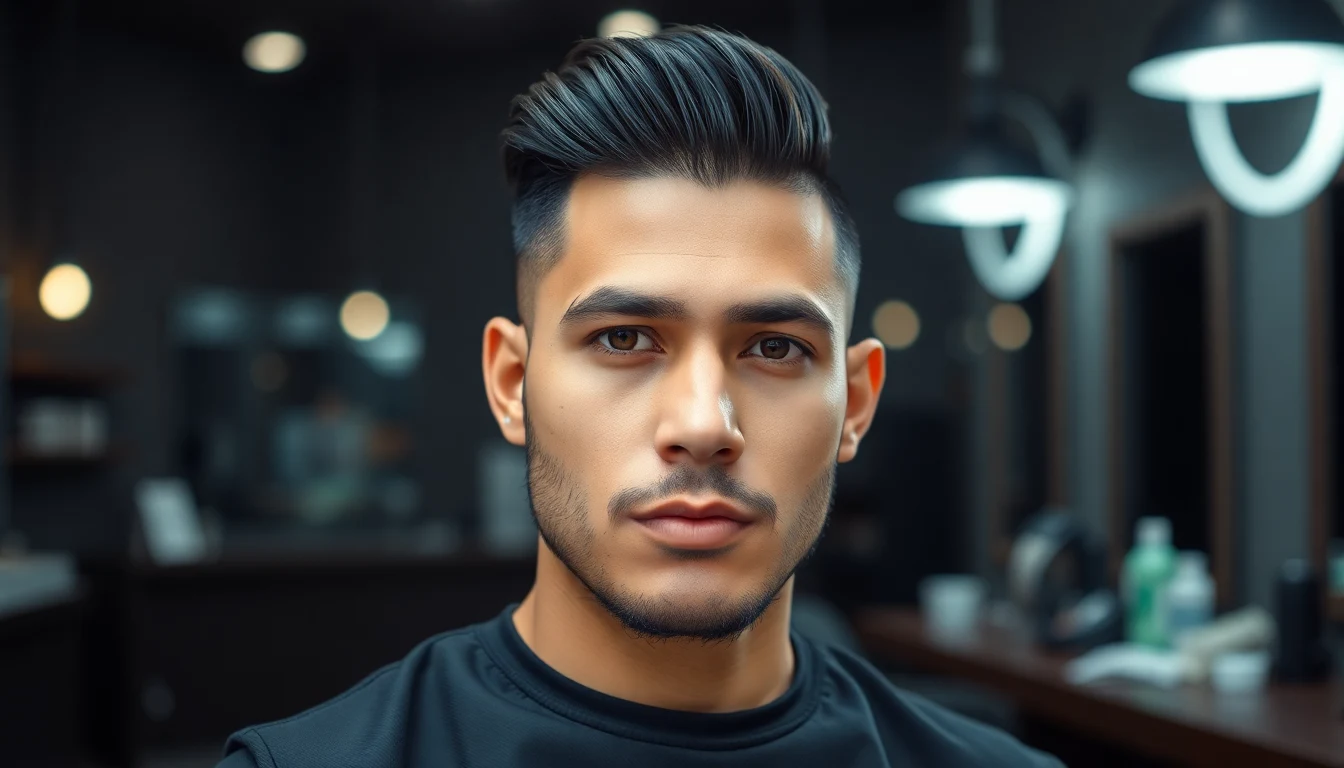
Most Latino men fall somewhere in the middle: moderate density with some areas thicker than others. The mustache usually comes in first and strongest, followed by the chin and jawline. The cheeks are where most of us have gaps or thin spots. That is completely normal and does not mean you cannot rock a great beard. It just means you pick a style that works with your growth pattern, not against it.
Here is a quick assessment: let your facial hair grow untouched for three weeks. Take a photo from the front and both sides. This shows you exactly where your beard is thick, where it is thin, and where it does not grow at all. Use that map to choose your style from the options below.
The Best Latino Beard Styles
1. The Designer Stubble (Barba de Tres Días)
Designer stubble is the “I did not try but I look great” style. It is three to five days of growth, trimmed to a uniform length (usually 2-4mm) with clean edges along the cheeks and neck. This style works for almost every Latino man because the short length hides patchiness. Thin spots that look obvious at half an inch of growth are invisible at 3mm.
How to maintain it: Use a trimmer with a guard set to 3mm every two to three days. Define your cheek line (a natural, slightly curved line from sideburn to corner of mouth) and your neckline (one finger-width above your Adam’s apple, following the jawline). Clean below the neckline and above the cheek line with a razor or trimmer.
Best for: Men with patchy or uneven growth, professional settings, first-time beard growers, any face shape.
2. The Classic Goatee (Chivo)
The goatee has deep roots in Latino culture. It focuses hair growth on the chin and mustache area, which is where most Latino men have the thickest growth. The sides of the face are shaved clean, making this perfect for guys who cannot grow full cheeks.
The 2026 version keeps the goatee slightly longer than the old-school pencil-thin style. Aim for half an inch to an inch of length on the chin, with the mustache trimmed to the lip line. Keep the edges defined with a trimmer.
Best for: Round faces (the vertical line of the goatee adds length), men with weak cheek growth, classic style lovers.
3. The Circle Beard (Van Dyke Connected)
A circle beard connects the mustache to the chin hair in a continuous circle. It is a step up from the goatee and works well for men who have good mustache growth and decent chin coverage but not much on the cheeks. The key to making this look sharp rather than dated is keeping the lines crisp and the length uniform. Mastering latino beard styles takes practice but delivers great results.
How to shape it: Let the mustache and chin grow to about half an inch. Shave everything outside the circle area. Use a precision trimmer to define the outer edge. The circle should follow the natural crease where your cheeks meet your chin, not be a perfect geometric circle.
4. The Short Boxed Beard
This is the most popular full beard style I shape for Latino men. It covers the cheeks, jawline, and chin at a uniform length of one to two inches, with crisp edges along the cheek line and neckline. “Boxed” refers to the clean, defined borders that frame the beard.
For this style, you need at least moderate growth on the cheeks. If your cheeks are thin, a longer length (closer to two inches) can help the hair lay over and cover sparse areas. A shorter length exposes gaps.
Pair this with a skin fade and it is one of the sharpest looks in Latino grooming. The contrast between the faded temples and the full beard creates a powerful visual effect.
5. The Full Beard (Barba Completa)
The full beard grows everything out to two inches or longer. It requires patience, grooming tools, and the genetic luck of having good coverage. If you have the growth for it, the full beard is a statement. It communicates maturity, masculinity, and a willingness to commit to maintenance.
Growing a full beard as a Latino man typically takes three to four months of resisting the urge to trim. The first month will look rough. The second month starts taking shape. By month three, you have enough length to start shaping and training the hair.
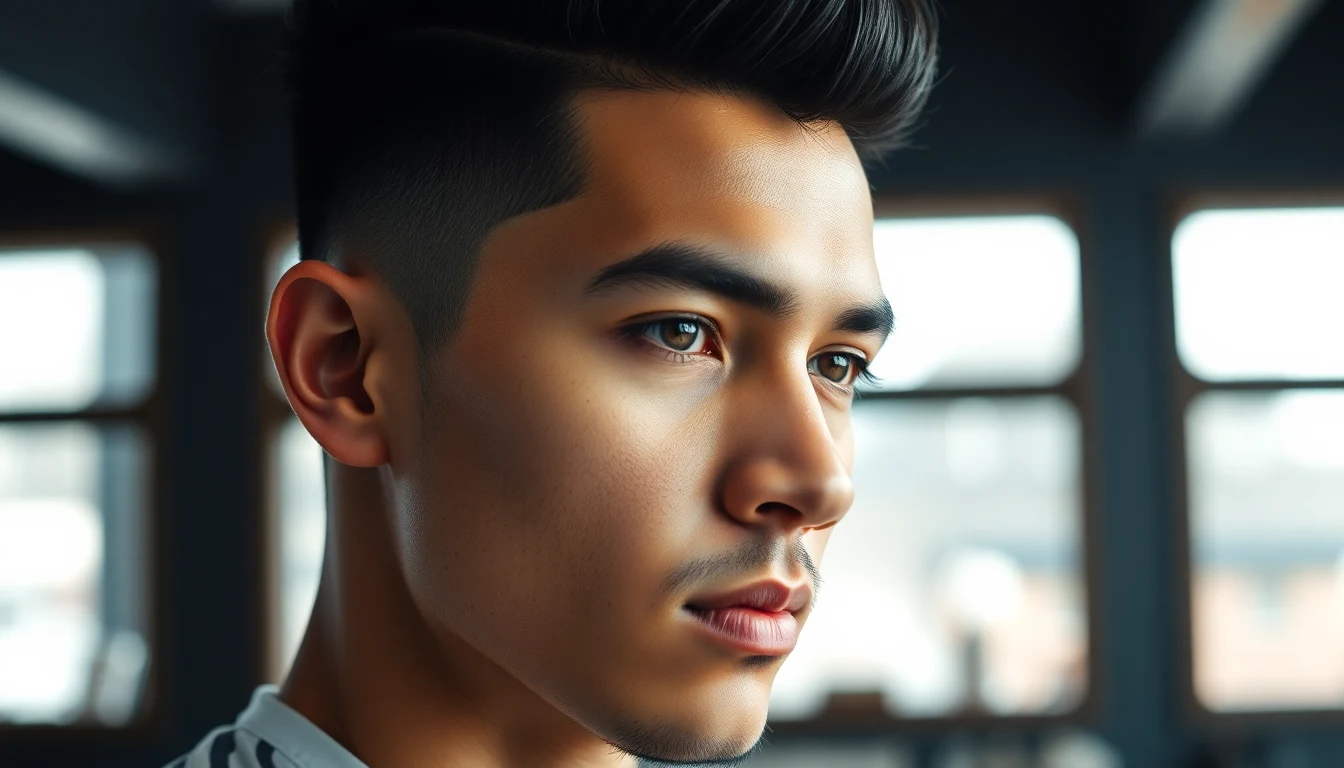
Maintenance requires: Daily brushing with a boar bristle brush, beard oil (I recommend a quality beard growth serum for added thickness), regular trimming to maintain shape, and washing with a beard-specific shampoo two to three times per week.
6. The Extended Goatee
The extended goatee takes the traditional goatee and stretches it along the jawline. The chin and mustache are connected, and the hair follows the jawline toward the ear, but the cheeks remain shaved. This works incredibly well for Latino men with strong jaw growth but patchy cheeks because it emphasizes your natural strength.
Think of it as a goatee with sideburn connectivity. The line should follow your natural jawline and taper as it approaches the ear.
7. The Anchor Beard
The anchor beard combines a pointed chin beard (like an anchor’s point) with a thin mustache that does not connect to it. The soul patch area fills in the gap. It is a precise, sculpted look that requires regular trimming but creates a distinctive appearance.
This is not a beginner-friendly style because it requires precision shaping and regular upkeep. But for Latino men who want something unique that showcases their grooming skills, the anchor stands out.
8. The Mustache (Bigote)
The standalone mustache is making a comeback in a big way. From the thick, classic bigote that your abuelo wore to the modern trimmed version, the mustache is one of the most culturally significant Latino beard styles. It works for nearly every Latino man because the mustache area is almost always our strongest growth zone.
The key to a good mustache is keeping the edges clean. Trim above the lip line so hair does not hang over your upper lip. Define the corners with a precision trimmer. And invest in a small amount of mustache wax if you want to shape the ends.
Latino Beard Styles by Face Shape
| Face Shape | Best Styles | Why It Works |
|---|---|---|
| Round | Goatee, extended goatee, short boxed (angular shape) | Adds vertical length and angles to a round face |
| Oval | Any style; full beard, stubble, boxed | Balanced proportions work with everything |
| Square | Short boxed beard, circle beard, stubble | Softens strong jawline without hiding it |
| Oblong | Short stubble, sideburns connected to beard, mutton chops | Adds width, avoids adding more length |
| Diamond | Full beard (rounded shape), boxed beard | Fills in the narrow chin and balances the cheekbones |
Beard Growth Tips for Latino Men
If your beard is not where you want it to be, here are practical steps that actually work. Understanding latino beard styles is key to a great grooming routine.
Give It Time
The number one mistake is shaving too early. Most guys judge their beard potential after one or two weeks, which is way too soon. Commit to at least four full weeks of growth before making any decisions. Many thin spots fill in with time as longer hairs cover gaps.
Optimize Your Health
Beard growth responds to overall health. Sleep seven to eight hours per night. Exercise regularly (strength training specifically boosts testosterone, which drives beard growth). Eat enough protein. Stay hydrated. These are not magic cures, but they create the hormonal environment that supports maximum facial hair growth.
Use a Beard Growth Product
A beard growth serum can help stimulate dormant follicles and increase thickness over time. These products typically contain biotin, castor oil, and other follicle-supporting ingredients. Results are not overnight; expect eight to twelve weeks of consistent use before seeing meaningful changes.
Derma Rolling
Micro-needling (derma rolling) on the beard area has gained popularity for stimulating growth in patchy spots. A 0.5mm derma roller used once or twice per week on sparse areas can stimulate blood flow and collagen production. Let the skin heal between sessions and apply a beard oil afterward. This is not scientifically guaranteed, but many men report positive results.
Beard Care Routine for Latino Men
A great beard requires a routine. Here is the daily and weekly schedule I recommend to my clients.
Daily Routine (5 Minutes)
- Brush your beard: Use a boar bristle brush in the direction of growth. This trains the hair, distributes natural oils, and removes any debris.
- Apply beard oil: Three to five drops worked into the beard and the skin underneath. This prevents itchiness, dryness, and flaking. For thicker beards, use a beard balm instead for added hold.
- Shape edges: Quick pass with a trimmer along the cheek line and neckline to keep things crisp. This takes 30 seconds once you have the muscle memory.
Weekly Routine
- Wash with beard shampoo: Two to three times per week. Regular hair shampoo is too harsh for facial hair and strips the skin underneath. Use a gentle, sulfate-free beard wash.
- Condition: Apply beard conditioner after washing. Leave it in for two minutes, then rinse. This keeps coarse Latino beard hair soft and manageable.
- Trim for shape: Once a week, use a trimmer to maintain your chosen style length. Trim against the grain for a clean result, then brush to check evenness.
Essential Beard Products
| Product Type | What It Does | When to Use | Our Pick |
|---|---|---|---|
| Beard oil | Moisturizes skin and hair, reduces itch | Daily after shower | Jojoba-based oil |
| Beard growth serum | Stimulates growth in thin areas | Nightly before bed | Beard Growth Serum |
| Beard balm | Moisturizes + light hold for shaping | Daily for styling | Shea butter-based balm |
| Beard wash | Gentle cleansing without stripping oils | 2-3x per week | Sulfate-free wash |
| Trimmer | Maintains length and edges | Weekly trimming | Adjustable guard trimmer |
Pairing Beard Styles with Haircuts
Your beard and haircut should work together as a unit. Here are the combinations that work best for Latino men.
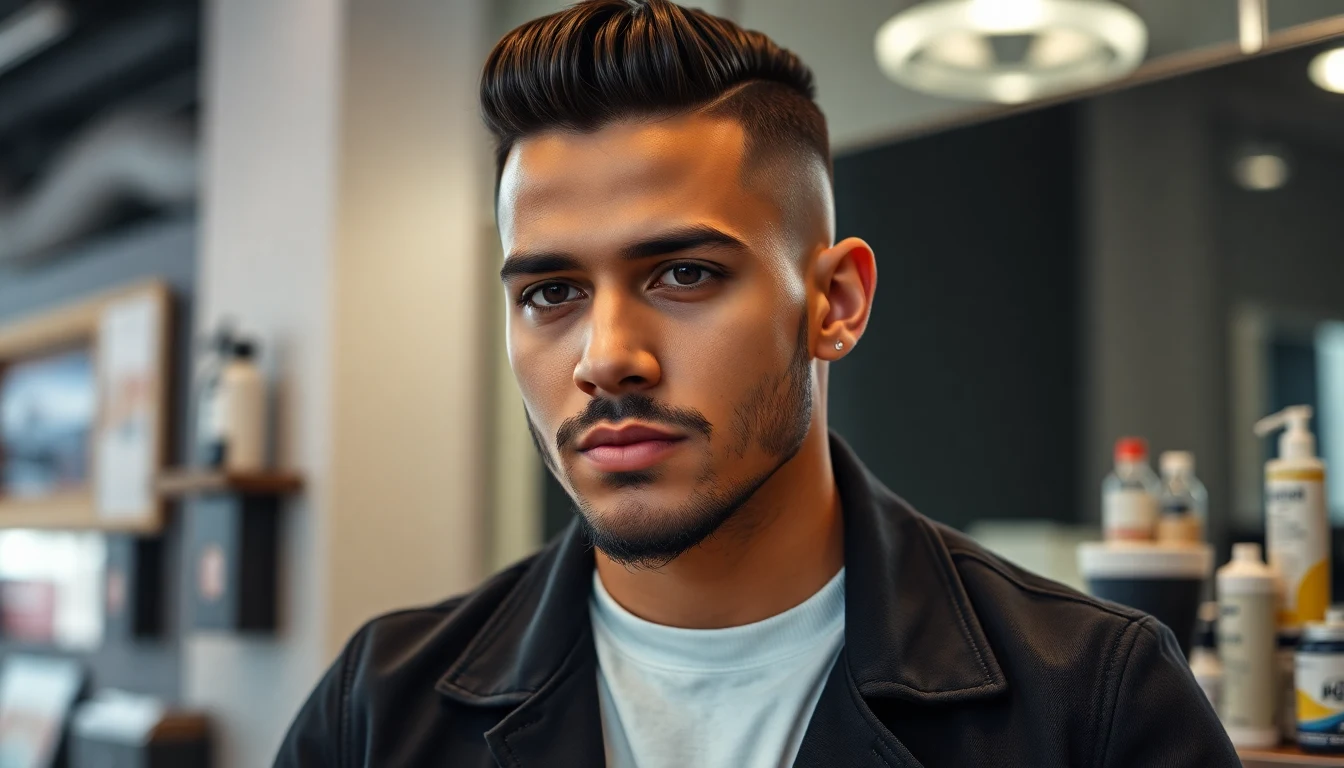
| Beard Style | Best Haircut Pairing | Overall Vibe |
|---|---|---|
| Designer stubble | Textured crop or low taper | Casual, effortless |
| Goatee | Skin fade or buzz cut | Clean, defined |
| Short boxed beard | Mid skin fade or comb over | Polished, sharp |
| Full beard | Slick back or pompadour | Bold, masculine |
| Mustache | Low taper or classic side part | Retro, distinguished |
For the best haircut options to pair with your beard, check out our complete Mexican men’s hairstyles guide and our breakdown of Hispanic men’s hairstyles.
How Your Barber Shapes a Beard
Professional beard shaping at the barbershop includes several steps that are hard to replicate at home.
- Hot towel application: Softens the hair and opens the pores. Makes trimming cleaner and more precise.
- Length reduction: Uses clippers with appropriate guard to bring the beard to the desired overall length.
- Cheek line definition: Creates a clean line from the sideburn area to the corner of the mouth. Some men prefer a natural cheek line, others want a sharp, defined one.
- Neckline shaping: Defines the bottom border of the beard. The standard is one finger-width above the Adam’s apple, following the jawline curve to behind the ears.
- Straight razor cleanup: Everything below the neckline and above the cheek line gets a razor pass for a sharp edge.
- Detail work: Trimming stray hairs, shaping the mustache, blending the beard into the haircut at the sideburns.
A professional beard shape typically costs $10 to $25 on top of your haircut price. If you are growing a beard for the first time, I strongly recommend getting it professionally shaped at least once, then maintaining that shape at home.
Dealing with Patchy Beard Growth
Let me be real: not every Latino man can grow a full, even beard. And that is completely fine. The trick is working with what you have, not chasing what you don’t.
Patchy cheeks but strong chin and mustache: Go with a goatee, extended goatee, or circle beard. These styles highlight your strengths and avoid your weak spots entirely.
Even but thin growth everywhere: Designer stubble is your friend. At 3mm of length, thin hair looks like intentional light coverage rather than failed beard growth.
One side thicker than the other: This is more common than you think. Let the thinner side grow slightly longer than the thick side, then trim both to a uniform appearance. A beard brush helps train hair on the thin side to lay in the right direction. When it comes to latino beard styles, technique matters most.
Patches on the chin: If your chin area has gaps, avoid styles that depend on chin coverage. A mustache-only style or a specific patchy beard strategy might serve you better.
Skincare Under the Beard
The skin under your beard needs attention. Beard hair traps oil, dead skin, and bacteria against your face. Without proper care, you get beardruff (beard dandruff), itching, and even acne under the hair.
Use a gentle facial cleanser like CeraVe on your beard area when washing. Work it down to the skin, not just the surface of the hair. After washing, apply beard oil directly to the skin by working it in from underneath. This keeps the skin moisturized and prevents flaking.
For a complete approach to face care, check out our Latino men’s skincare routine guide.
Frequently Asked Questions
At what age do most Latino men grow a full beard?
Full beard potential typically arrives between ages 22 and 30 for most Latino men. Some guys can grow a solid beard in their late teens, but many do not reach full coverage until their mid-twenties or later. If you are in your early twenties and your beard is not where you want it, give it time. Beard growth continues developing well into your thirties.
Does shaving make your beard grow back thicker?
No. This is a myth. Shaving cuts the hair at its thickest point (the base of the shaft), which makes regrowth feel coarser, but it does not actually change the thickness, density, or speed of growth. If you want thicker beard growth, focus on health, nutrition, and topical treatments like beard growth serums.
How do I stop my beard from itching?
Itching is almost always caused by dry skin under the beard. Use beard oil daily to moisturize the skin, wash with a gentle beard shampoo (not regular body soap), and brush daily to remove dead skin cells. The worst itching usually happens during the first two weeks of growing when the short, blunt hair tips scratch the skin. Push through it. It gets better.
Can I dye my beard to cover gray hairs?
Absolutely. Beard dye is safe and widely available. For a natural look, choose a shade slightly lighter than your natural color. Dying a shade too dark looks obviously artificial. Semi-permanent dyes last about four to six weeks and fade gradually, which is more forgiving than permanent options. Many barbershops offer beard dyeing services for $15 to $30.
What Latino beard style is best for a professional workplace?
Designer stubble or a neatly trimmed short boxed beard are the most universally accepted in professional environments. Keep edges sharp, length uniform, and the overall appearance groomed. A well-maintained beard of any style signals professionalism. It is the unkempt, uneven beards that cause issues at work, not beards themselves.
Final Thoughts
Latino beard styles are about working with what you have and making it look intentional. Whether you grow a full barba completa or rock a clean goatee, the difference between looking good and looking great comes down to maintenance. Commit to the daily brush, the weekly trim, and the quality products that keep your facial hair healthy.
Remember: the best beard style for you is the one that matches your growth pattern, fits your face shape, and makes you feel confident. Do not chase a style that your genetics do not support. Instead, master the style that makes your natural growth look its absolute best.
For more grooming guidance, explore our best pomade for Hispanic hair guide, our clippers recommendation guide, and the full Latino barbershop culture story.
Frequently Asked Questions
What is the best Latino beard style for a round face shape?
For round faces, longer beard styles like the Full Beard (Barba Completa) or Extended Goatee work best because they add length and definition to your jawline. You should avoid shorter, boxed styles that can emphasize the roundness of your face. Your barber can help you choose a style that complements your specific face shape.
At what age do most Latino men grow a full beard?
Most Latino men can grow a full beard by their early to mid-twenties, though some start as early as eighteen while others take until their thirties. Beard growth depends on genetics and individual testosterone levels rather than ethnicity alone. If you’re experiencing slower growth, give yourself time and focus on optimizing your health through proper nutrition and sleep.
How do I deal with patchy beard growth while growing out a Latino beard style?
Patchy growth is common among Latino men and often improves with time as you let your beard grow for at least 2-3 months without trimming. You can use derma rolling and beard growth products to stimulate fuller growth in sparse areas. If patchiness persists, your barber can suggest styles like the Designer Stubble or Goatee that work well with your natural growth pattern.
What products should I use to maintain coarse or wiry facial hair?
For coarse Latino beards, you’ll need a quality beard oil and beard balm to soften the hair and keep it manageable. A beard butter can also help tame wiry growth and reduce irritation on the skin underneath. Look for products with natural oils like argan or jojoba, and use them daily as part of your grooming routine.