If you want to master maori mens grooming traditions, this guide covers everything you need to know. Last updated: February 2026 by Tane Matua, Pacific Islander Grooming Specialist
I grew up in Aotearoa, New Zealand, surrounded by Maori culture without fully appreciating its depth. The kapa haka performances at school, the hongi greeting at tangi and hui, the ta moko that some of my uncles and their friends wore on their faces, these were part of the fabric of daily life, so familiar that I did not stop to consider how extraordinary they were. It was not until I traveled abroad and saw how the rest of the world perceived Maori culture, sometimes with genuine admiration, sometimes with superficial appropriation, that I understood the responsibility that comes with sharing these traditions. Maori grooming is not a trend to adopt. It is a cultural system to understand and, for those with whakapapa (genealogy), to carry forward with pride.
Maori men’s grooming traditions encompass far more than haircuts and skincare. They represent a worldview in which the body is a vessel of mana (spiritual power), whakapapa (ancestral connection), and identity. The way a Maori man grooms himself, from the ta moko on his face to the way he wears his hair, communicates who he is, where he comes from, and what he stands for. This guide explores these traditions with the respect they deserve, covering ta moko and its significance, traditional Maori hair care practices, the modern Maori warrior aesthetic, and important considerations about cultural respect for non-Maori readers. For expert guidance on this topic, consult Healthline’s research overview on natural oils for hair health.
Before we begin, I want to be clear about my intention. This article is educational, written to increase understanding and appreciation of Maori grooming traditions. It is not an invitation for cultural appropriation. Elements like ta moko carry deep significance that cannot be separated from Maori identity, and I will be explicit about what is shared cultural heritage and what belongs specifically to tangata whenua (the people of the land).
Ta Moko: The Sacred Art of Maori Tattoo : Maori Mens Grooming Traditions
Ta moko is the most visually striking element of Maori men’s grooming and the one most widely recognized internationally. Understanding ta moko requires understanding it as fundamentally different from Western tattooing. While a Western tattoo is a decorative choice applied to the skin’s surface, ta moko is an expression of identity carved into the skin, literally inscribing a man’s whakapapa, tribal affiliations, social standing, and personal history into his flesh.

The Meaning and Significance of Ta Moko
Every ta moko is unique. The design is not chosen from a catalog or copied from another person’s tattoo. It is created specifically for the individual by a tohunga ta moko (specialist tattoo artist) in consultation with the person receiving it. The design encodes specific information: the wearer’s iwi (tribe), hapu (sub-tribe), whanau (family), achievements, social status, and personal qualities. Reading a ta moko, for those who understand the visual language, is like reading a biography written on the body.
The most prestigious ta moko for men is the full-face moko, known as moko kanohi. The face is divided into zones, each carrying specific meaning. The center of the forehead represents overall rank. The areas around the brows represent position or station. The temples and cheeks represent iwi affiliation and whakapapa. The chin area represents mana and prestige. The nose area represents tribe. A man’s full-face moko is, in essence, his identity card, his resume, and his spiritual map combined into a single, permanent work of art.
The Revival of Ta Moko
The practice of ta moko was suppressed during colonization and became rare by the mid-20th century. However, the Maori cultural renaissance that began in the 1970s and has accelerated since has brought ta moko back to prominence. Today, increasing numbers of Maori men and women are receiving ta moko as a reclamation of cultural identity. Prominent Maori politicians, artists, athletes, and public figures wear ta moko visibly and proudly, and New Zealand society has evolved to recognize ta moko as a legitimate cultural expression in professional and public settings.
The revival has also brought renewed attention to traditional methods. While modern ta moko can be applied with tattoo machines, some tohunga ta moko use traditional tools, chisel-like implements called uhi, that carve grooves into the skin rather than puncturing it with needles. The traditional method produces a distinctive raised texture that differs from the flat ink deposit of machine tattooing. Some men choose the traditional method specifically for its cultural authenticity and the spiritual significance of the more intensive process. Mastering maori mens grooming traditions takes practice but delivers great results.
Ta Moko vs. Kirituhi: An Important Distinction
Ta moko is specifically for people of Maori whakapapa. Non-Maori who admire the Maori tattoo aesthetic can receive kirituhi, which uses similar visual elements (koru, manawa, and other motifs) but does not encode identity information and is not considered ta moko. Kirituhi is a respectful alternative for non-Maori who appreciate the art form without claiming the cultural identity it represents. Many tohunga ta moko and Maori tattoo artists offer kirituhi to non-Maori clients and can explain the distinction between the two.
The distinction matters deeply in Maori culture. A non-Maori person wearing a full-face moko, or a design that replicates the specific identity-encoding patterns of ta moko, would be viewed as deeply disrespectful, equivalent to falsely claiming someone else’s identity and heritage. Understanding this boundary is essential for anyone interested in Maori tattoo art.
Traditional Maori Hair Care
Hair holds significant cultural importance in Maori tradition, as it does across Polynesian cultures. The head is the most tapu (sacred) part of the body in Maori spiritual belief, and the hair that grows from it carries particular mana.
Cultural Significance of Hair
In traditional Maori society, hair was not cut casually. The cutting of hair was a significant act that could carry spiritual implications. Long hair was associated with mana and strength, and the cutting of a warrior’s hair could be an act of shame or submission. Hair clippings were treated with respect rather than simply discarded, as they retained the mana of the person they came from.
Today, most Maori men wear their hair in contemporary styles, but awareness of hair’s cultural significance persists. Many Maori men grow their hair long at various points in their lives as a conscious connection to their cultural heritage. The topknot, worn by Maori warriors in traditional depictions and historical accounts, has seen a revival among men who want to visually express their Polynesian identity.
Traditional Hair Care Ingredients
Traditional Maori hair care relied on native New Zealand plants and natural oils. Raukawa (Raukaua edgerleyi) oil, extracted from the native raukawa tree, was used as a hair conditioning treatment. The oil had a pleasant scent and was believed to strengthen the hair and promote growth. Other native ingredients included harakeke (flax) gel, extracted from the inner leaves of the New Zealand flax plant, which provided a natural styling hold similar to modern gel.
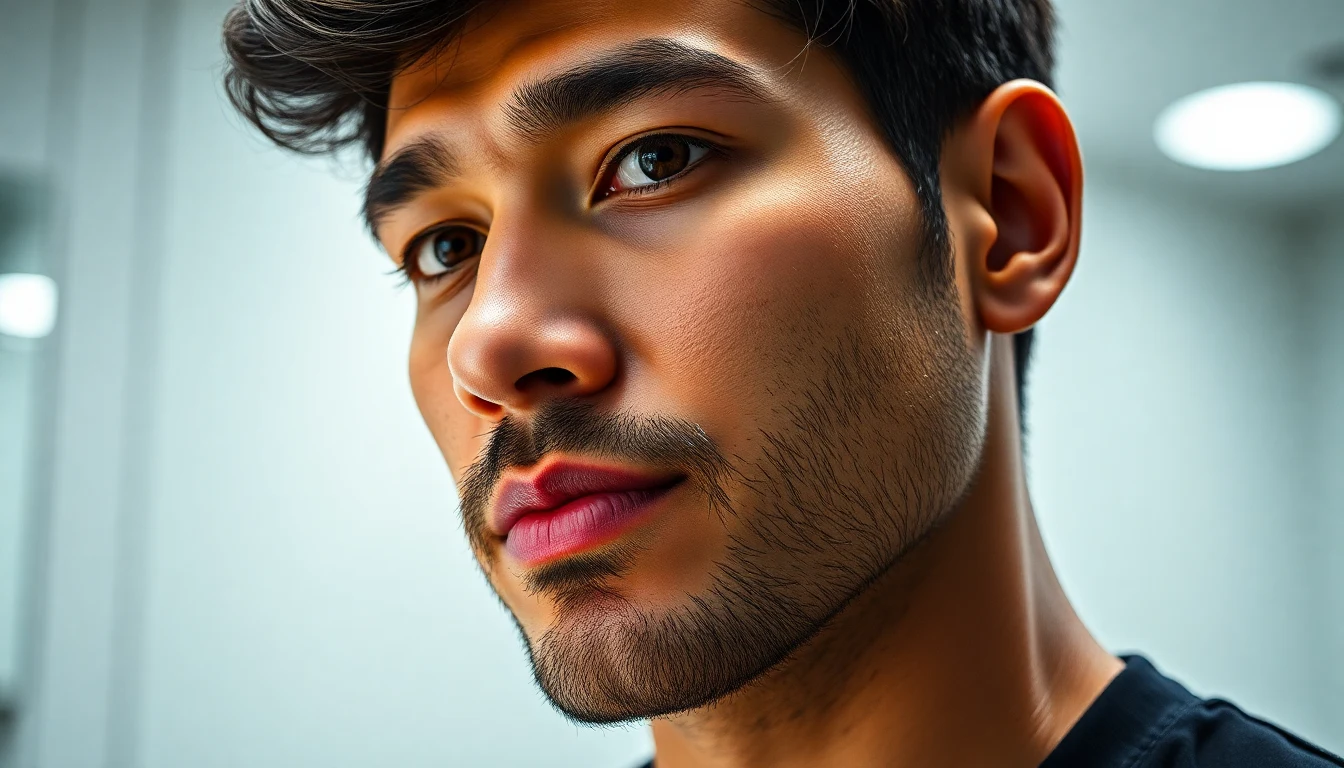
Kawakawa (Piper excelsum) was used in various preparations for both hair and skin. The leaves contain myristicin and other compounds with anti-inflammatory and antimicrobial properties, making kawakawa-based preparations effective for scalp health and skin care. Modern New Zealand-made grooming products increasingly incorporate kawakawa and other native ingredients, creating a bridge between traditional Maori knowledge and contemporary formulations.
Coconut oil, while not native to New Zealand, has been adopted into Maori hair care through the broader Polynesian cultural exchange. Many Maori men use coconut oil as their primary hair conditioning treatment, following the same pre-shampoo and leave-in techniques used across the Pacific. The combination of coconut oil with native New Zealand ingredients represents the evolution of Maori grooming practice: rooted in tradition, enriched by the wider Pacific, and adapted to modern life.
The Modern Maori Warrior Aesthetic
The modern Maori warrior aesthetic draws from traditional imagery and adapts it to contemporary expression. This aesthetic is not costume or affectation. For Maori men, it is a way of carrying ancestral identity into the present day.
Hair
The modern warrior aesthetic encompasses a range of hairstyles. Long hair worn down or in a topknot connects directly to traditional warrior imagery. The undercut (long on top, shaved on the sides) merges traditional length with modern precision. The fully shaved head, common among Maori rugby players and cultural performers, represents strength and discipline. There is no single “correct” hairstyle for the modern Maori warrior look; the key element is intentionality and cultural awareness. Understanding maori mens grooming traditions is key to a great grooming routine.
Ta Moko and Body Art
Ta moko is the most visible element of the warrior aesthetic. Men who wear ta moko are making a visible commitment to their Maori identity that cannot be hidden or set aside. The full-face moko, in particular, is a profound statement that affects every social interaction, professional situation, and public appearance. The growing acceptance of ta moko in New Zealand professional and public life reflects the broader cultural shift toward recognizing and celebrating indigenous identity.
Physical Presence
The Maori warrior aesthetic extends beyond hair and tattoos to encompass physical conditioning and presence. Traditional Maori warriors were renowned for their physical strength and martial skill, and many modern Maori men maintain strong physiques through rugby, combat sports, CrossFit, and traditional training methods. The grooming element complements the physical element: a well-groomed Maori man with ta moko and strong physical presence embodies the modern warrior ideal that connects ancient tradition with contemporary power.
Grooming for Ta Moko Care
Men with ta moko, particularly facial ta moko, have specific grooming considerations that relate to maintaining the appearance and health of their tattooed skin.
Sun protection is critical. UV radiation fades tattoo ink over time, and facial skin receives significant sun exposure year-round. A daily broad-spectrum SPF 30 or higher applied to the face protects both the skin and the tattoo ink beneath it. This is the single most important maintenance step for preserving ta moko vibrancy over the years.
Moisturizing keeps the skin supple and the tattoo lines sharp. Dry, flaky skin obscures tattoo detail and makes the design look faded. A daily moisturizer, preferably unscented to avoid interaction with the ink, maintains the skin’s condition. Monoi oil and coconut oil both work well for tattoo moisturizing and connect to Pacific grooming traditions.
Gentle cleansing avoids the harsh ingredients that can irritate tattooed skin. Use a mild, fragrance-free cleanser on tattooed areas rather than aggressive exfoliants or scrubs that could damage the skin’s surface and affect the tattoo’s appearance.
For men with facial ta moko who also wear beards, the beard grooming routine needs to account for the tattoo beneath. Keep the beard well-conditioned with beard oil to prevent the dry, rough beard hair from irritating the tattooed skin. Regular washing prevents buildup of oil and dead skin that could obscure the moko design visible through the beard.
Cultural Respect: A Guide for Non-Maori
Understanding and appreciating Maori grooming traditions is welcome and encouraged. Appropriating or misrepresenting them is not. Here are guidelines for non-Maori who wish to engage respectfully with Maori culture.
Admire, learn, and ask questions. Maori people are generally proud of their culture and willing to share knowledge with those who approach with genuine interest and respect. Visiting a Maori cultural center, attending a powhiri (welcome ceremony), or reading works by Maori authors provides authentic education.
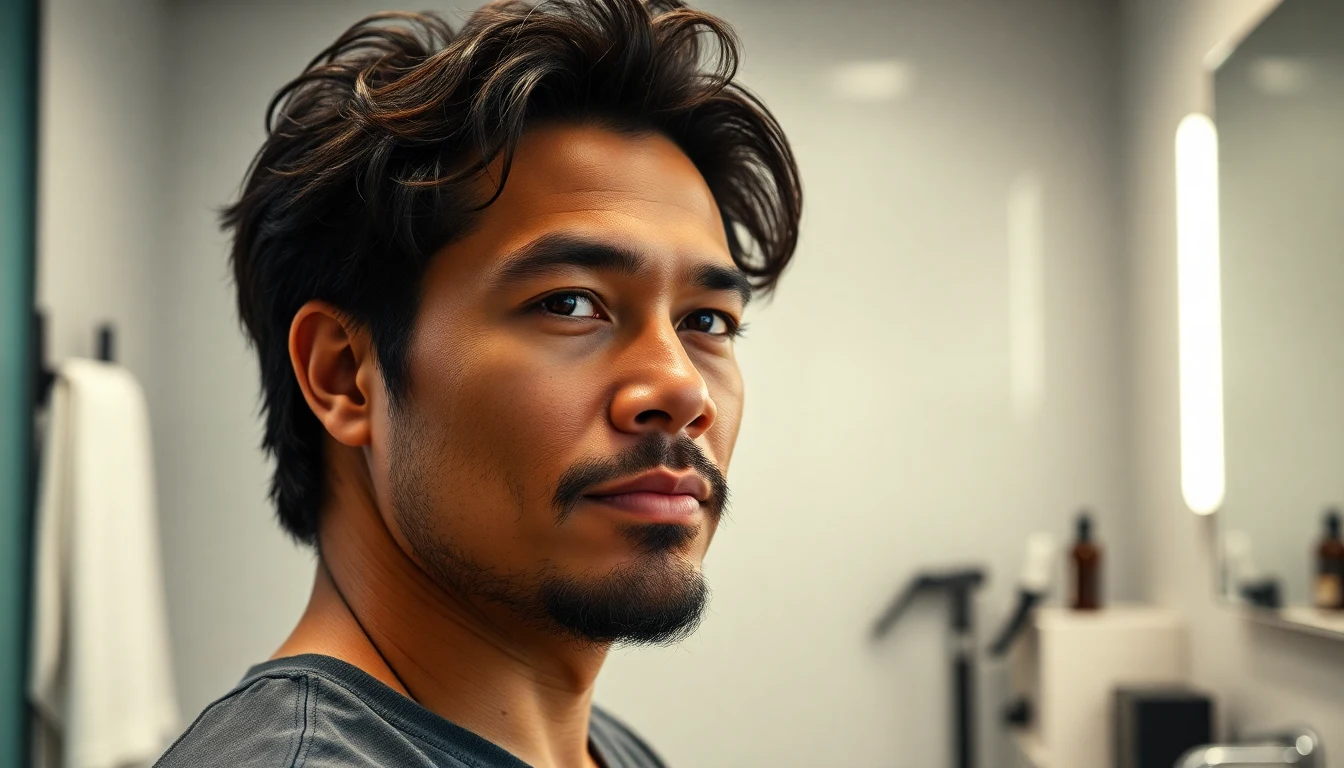
Do not copy ta moko designs. If you want a tattoo inspired by Maori art, seek out a Maori tattoo artist who can create a kirituhi design appropriate for a non-Maori person. Explain your intent, your appreciation for the art form, and your understanding of the distinction between ta moko and kirituhi. A good artist will work with you to create something beautiful and culturally respectful. When it comes to maori mens grooming traditions, technique matters most.
Do not use Maori cultural elements as costume or fashion accessories. Wearing a hei matau (bone hook necklace) because you understand its symbolism and have a connection to the culture is different from wearing it because it looks cool in a photo. The distinction lies in understanding and respect.
Support Maori-owned businesses. When purchasing New Zealand-made grooming products that incorporate native ingredients or Maori cultural elements, seek out brands owned by or created in partnership with Maori people. This ensures that the cultural knowledge being commercialized benefits the community it comes from.
Frequently Asked Questions
Can non-Maori get ta moko?
No. Ta moko is specifically for people of Maori whakapapa (genealogy). Non-Maori can receive kirituhi, which uses Maori-inspired motifs and design principles but does not encode identity information and is not considered ta moko. Always work with a Maori tattoo artist who can guide you toward a culturally appropriate design.
Where can I find traditional Maori grooming products?
New Zealand-based companies like Aotea (which produces kawakawa-based skincare), Living Nature, and various Maori-owned small businesses create grooming products incorporating native ingredients and traditional knowledge. These products are available online and at specialty retailers in New Zealand and internationally. Look for products that clearly identify their ingredients and their connection to traditional Maori plant knowledge.
Is the Maori warrior aesthetic appropriate outside of New Zealand?
For Maori men living in the diaspora (Australia, United Kingdom, Pacific Islands, and elsewhere), the warrior aesthetic is a valid expression of cultural identity regardless of geography. For non-Maori, elements like growing long hair or maintaining strong physical presence are universal and not culturally specific. Ta moko and specifically Maori cultural markers remain tied to Maori identity and should be approached as described in the cultural respect section above.
How do Maori men care for their thick hair?
Modern Maori men use a combination of traditional and contemporary hair care methods. Coconut oil as a conditioning treatment is widespread. Native New Zealand ingredients (kawakawa, harakeke, raukawa) are incorporated where available. Standard grooming products designed for thick, coarse hair (moisturizing shampoos, heavy conditioners, styling pomades) form the basis of the daily routine. The principles are the same as for other Pacific Islander men with similar hair types: moisture, conditioning, and products designed for thick, coarse textures.
Conclusion: Grooming as Cultural Expression
Maori men’s grooming traditions are inseparable from Maori cultural identity. Every element, from the sacred art of ta moko to the traditional use of native plant oils, from the significance of hair as a carrier of mana to the warrior aesthetic that connects past and present, carries meaning that transcends mere appearance. For Maori men, grooming is an act of cultural preservation, personal identity, and ancestral connection.
For the wider Pacific Islander community and for anyone interested in understanding one of the world’s most distinctive grooming traditions, Maori culture offers profound lessons about the relationship between how we present ourselves and who we are. Approach with respect, learn with genuine curiosity, and appreciate the depth of tradition that makes Maori grooming not just a practice, but a living heritage.
Frequently Asked Questions
What is ta moko and what does it mean in Maori culture?
Ta moko is a traditional Maori facial tattoo that serves as a unique identifier of genealogy, status, and personal history rather than just a decorative mark. Each ta moko design is custom to the individual and tells the story of their whakapapa (ancestry) and mana (spiritual power), making it a sacred and permanent expression of cultural identity.
What are traditional Maori men’s grooming practices I should know about?
Traditional Maori grooming emphasizes natural ingredients and spiritual connection to the body as a vessel of mana and ancestral heritage. Practices include caring for hair with natural oils, maintaining facial grooming with cultural significance, and understanding that grooming choices communicate your identity and cultural standing within your community.
How can I approach Maori men’s grooming traditions respectfully if I’m not Maori?
If you’re not Maori, educate yourself on the cultural significance behind these traditions rather than treating them as trends to adopt, and avoid appropriating sacred practices like ta moko without understanding their meaning. The article emphasizes that Maori grooming is a cultural system to understand and respect, not a superficial aesthetic to copy.
What is the modern Maori warrior aesthetic in men’s grooming?
The modern Maori warrior aesthetic blends traditional grooming elements with contemporary style while honoring cultural roots and spiritual significance. This approach maintains the pride and identity communicated through traditional practices like specific hairstyles and grooming choices while adapting them to modern life in Aotearoa, New Zealand and beyond.