
If you want to master muslim mens beard styles, this guide covers everything you need to know. Last updated: February 2026 by Omar Al-Rashid, Certified Aesthetician
Growing up in Dearborn, I watched my father shape his beard every Friday morning before Jumu’ah (Friday prayer). He never rushed it. He would comb through carefully, trim the edges, and apply a touch of oil. That weekly ritual was my first lesson in Muslim grooming: the beard is not just hair on your face. It is an act of faith, a connection to the sunnah (the Prophet’s teachings and traditions), and for many of us, a visible marker of identity.
But here is the reality that many brothers face: understanding what “sunnah-compliant” actually means when it comes to beard length and style can be confusing. Scholars differ. Communities differ. Your Hanafi uncle says one thing, your Salafi coworker says another, and the barber down the street just wants to know how many millimeters you want on the sides. This guide is here to help you navigate those waters, offering practical beard styles that respect Islamic tradition while looking sharp in 2026. For expert guidance on this topic, consult authenticated hadiths on personal cleanliness from Sunnah.com.
Religious Note: Grooming practices in Islam can vary by scholarly opinion and personal observance. Always consult with your imam, scholar, or religious guide to confirm that any products or practices mentioned here align with your personal level of observance and religious requirements.
What the Sunnah Says About Beards : Muslim Mens Beard Styles
Before we talk about styles, we need to talk about the foundation. The Prophet Muhammad (peace be upon him) instructed men to grow their beards and trim their mustaches. This hadith appears in multiple authentic collections, including Sahih al-Bukhari and Sahih Muslim. The exact Arabic phrase “a’fu al-lihya” is often translated as “let the beard grow” or “leave the beard alone,” though scholars have debated the precise implications for centuries.
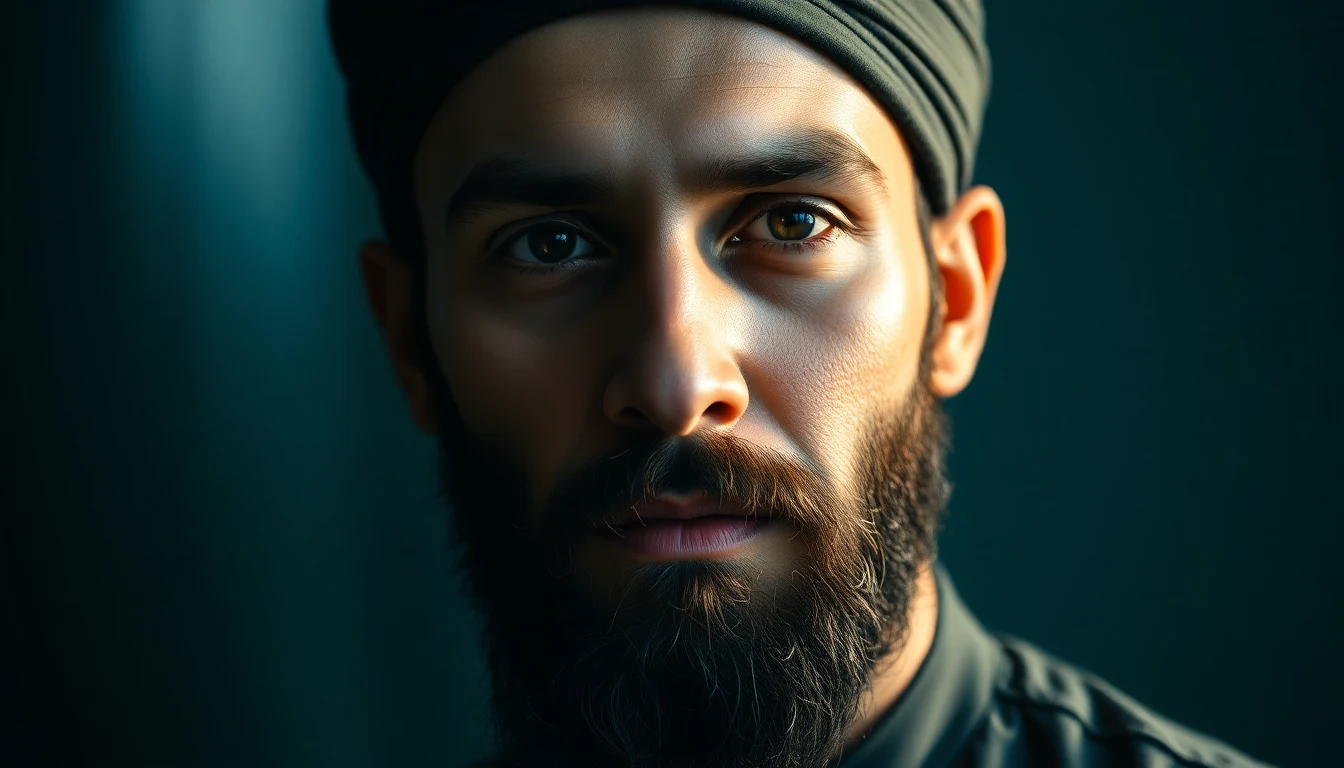
The key scholarly positions break down into a few main camps. The majority of traditional scholars across all four Sunni schools of jurisprudence (Hanafi, Maliki, Shafi’i, and Hanbali) agree that growing a beard is either obligatory (wajib) or strongly recommended (sunnah mu’akkadah). Where they diverge is on the question of trimming.
The Fist-Length Guideline
You will hear brothers reference “fist-length” as the minimum beard length. This comes from reports that companions of the Prophet, including Ibn Umar (may Allah be pleased with him), would grab their beards in their fist and trim what extended beyond it. Many Hanafi and some Hanbali scholars use this as the standard minimum length, which typically works out to about 4 to 6 centimeters depending on your hand size.
Other scholars, particularly in the Shafi’i and Maliki traditions, permit trimming the beard shorter than a fist-length, as long as it remains visibly present and maintained. The Maliki position, in particular, allows for more styling flexibility, permitting the removal of hair that looks “disheveled” or unkempt.
Trimming the Mustache
There is stronger consensus on the mustache: it should be kept short. The Prophet (peace be upon him) clearly instructed trimming the mustache so that it does not hang over the upper lip. Most scholars agree that the mustache should be trimmed to the lip line or shorter, though complete shaving of the mustache is debated.
Muslim Men Beard Styles: From Short to Full
Now let us walk through the actual styles. I have organized these from shorter to longer, noting where each falls on the spectrum of scholarly opinion. Remember: your personal practice is between you and Allah. This is a practical guide, not a fatwa.
1. The Heavy Stubble (5-10mm)
Heavy stubble sits at the shorter end of what most scholars would consider “having a beard.” At 5 to 10 millimeters, the hair is clearly visible and gives the face definition without requiring much daily maintenance. This style works particularly well for brothers with patchy growth patterns, as the shorter length makes thin areas less noticeable.
From a scholarly perspective, this length is more commonly accepted among Shafi’i and Maliki-leaning communities, where the emphasis is on having a visible beard rather than meeting a specific minimum length. Brothers following Hanafi or Hanbali rulings may find this too short for their standard of observance.
For maintaining heavy stubble evenly, a quality beard trimmer with precise length settings is essential. The OLOV X Beard Trimmer offers the fine-tuned adjustments you need for this length range.
2. The Short Boxed Beard (10-20mm)
The short boxed beard is probably the most common style I see among Muslim professionals in America. It follows the natural jawline with clean edges on the cheeks and neck, trimmed to a uniform 1 to 2 centimeters. This length is neat, professional, and clearly identifiable as a beard.
The “boxed” part refers to the defined cheek line and neckline, which give the beard a structured, intentional appearance. Many brothers pair this with a slightly shorter mustache, keeping the upper lip visible per sunnah guidance.
This style suits most face shapes and is easy to maintain at home with weekly trims. It is widely accepted across Muslim communities, though stricter interpretations may still consider it below the fist-length threshold.
3. The Rounded Medium Beard (20-40mm)
At 2 to 4 centimeters, you are entering the range that satisfies nearly all scholarly positions on minimum beard length. The rounded medium beard follows the natural contour of the jaw and chin, with the bottom edge shaped into a gentle curve rather than left angular or squared off.
This is a versatile, flattering style. It softens angular jawlines and adds definition to rounder faces. The rounded shape also tends to look tidier than a squared-off cut at this length, reducing the “just growing it out” appearance that can happen during the awkward middle phase.
Keeping this style looking sharp requires regular combing and occasional shaping. A sturdy Zeus Handmade Beard Comb helps distribute oils evenly and trains the hair to lay in the right direction.
4. The Fist-Length Classic (40-60mm)
This is the standard that many practicing Muslim men aim for. The fist-length classic is grown to approximately the length of a closed fist measured from the chin, then anything beyond that may be trimmed. The result is a substantial, dignified beard that unmistakably signals Islamic identity. Mastering muslim mens beard styles takes practice but delivers great results.
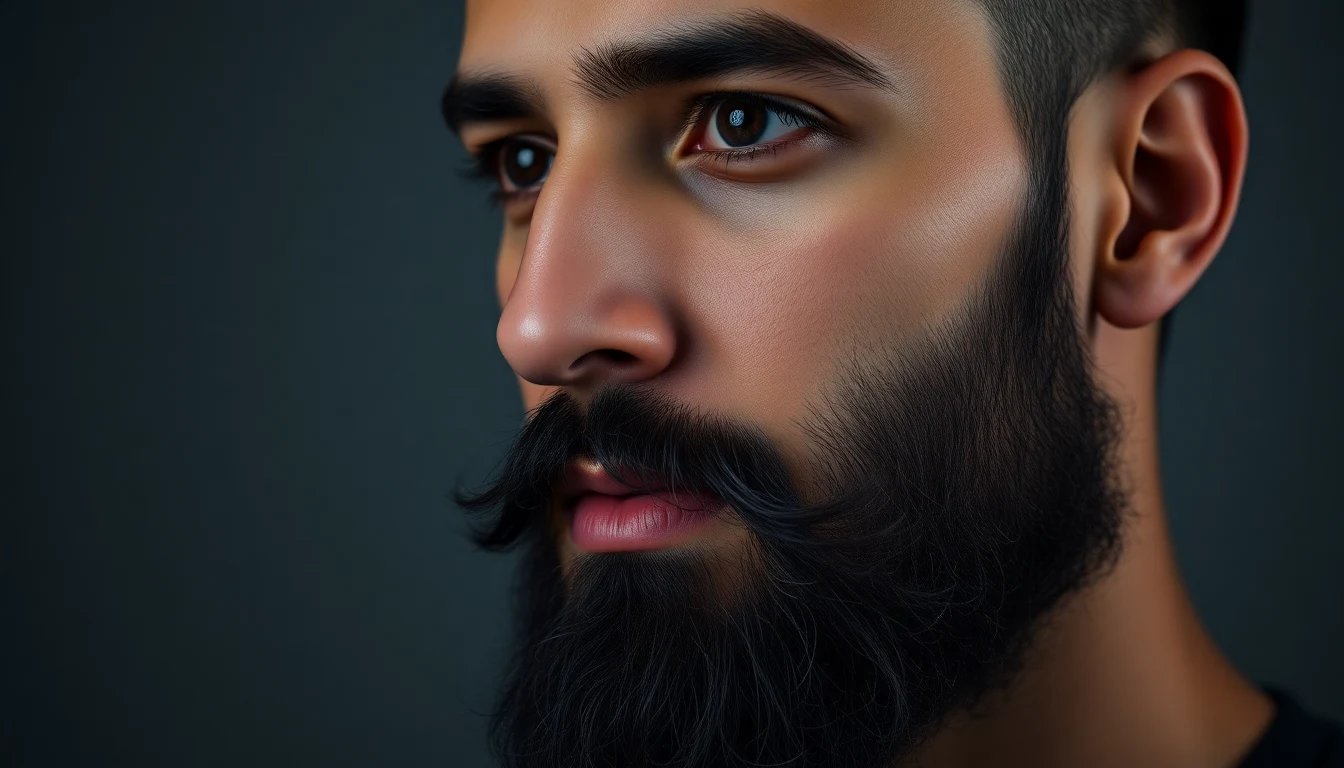
At this length, beard care becomes more important. The hair can become dry, tangled, or unruly without proper attention. Regular washing with a gentle beard wash and conditioner keeps the hair soft and manageable. Follow up with a quality beard balm to add moisture and light hold.
The key to making this length look polished rather than scraggly is maintaining the cheek line and neckline. Let the length come from the chin and jaw, but keep the boundaries clean. A weekly edge-up makes a significant difference.
5. The Full Natural Beard (60mm+)
The full natural beard grows beyond the fist-length minimum, sometimes significantly. Many brothers who follow the most literal interpretation of “leave the beard alone” will only trim stray hairs and maintain basic hygiene without imposing a length limit.
A full natural beard requires the most maintenance of any style on this list, which might seem counterintuitive. But longer beards need regular washing (two to three times per week), daily oiling or balm application, and thorough combing to prevent tangles and the dreaded “bird’s nest” effect.
Using a beard growth serum can help brothers who are working toward a fuller, thicker long beard. Look for serums with biotin and natural oils that nourish the hair follicle from the root.
6. The Tapered Beard
The tapered beard is a modern styling technique that works at almost any length. It is shorter on the sides (near the ears and sideburns) and gradually lengthens toward the chin. This creates a sleek, V-shaped profile that photographs well and pairs naturally with faded hairstyles.
For Muslim men who keep their beards at or above fist-length, tapering offers a way to look polished without sacrificing length where it matters. The chin and jawline maintain the sunnah-compliant length while the sides remain neat and proportional.
This style usually requires a skilled barber for the initial shaping, after which you can maintain it at home with a good trimmer.
7. The Extended Goatee
The extended goatee covers the chin and connects to the mustache area, with the cheeks kept much shorter or clean. This is a style that some brothers adopt when their cheek growth is thin or patchy.
However, it is worth noting that some scholars consider this problematic if the cheeks are completely shaved, as the sunnah instructs growing the beard (lihya), which traditionally refers to the hair on the entire lower face, not just the chin. If you are going this route, keeping at least visible stubble on the cheeks may be more aligned with traditional rulings.
8. The Ducktail Beard
The ducktail is a full beard that comes to a subtle point at the chin, resembling the shape of a duck’s tail. It requires the chin hair to grow slightly longer than the sides, with careful shaping to create that tapered point.
This is an excellent choice for brothers with oval or heart-shaped faces, as the pointed chin adds length and balance to the face. It works well at the fist-length range and beyond. The shaping can be done at home with practice, though your first attempt should ideally be handled by a barber who can set the foundation shape.
Choosing a Beard Style for Your Face Shape
Your face shape plays a major role in which beard style will look best on you. Here is a quick reference guide for the most common face shapes among Muslim men.
Round Face
If your face is as wide as it is long, you want a beard that adds vertical length. The ducktail, tapered, and fist-length classic styles all work well. Avoid keeping the sides too full, as this will only make your face appear wider. Let the chin grow longer and keep the cheeks trimmed slightly shorter.
Oval Face
Oval faces are the most versatile. Nearly any style from the list above will look good. The short boxed beard and rounded medium beard are especially flattering, but you have room to experiment.
Square Face
Square faces have a strong jawline and angular features. The rounded medium beard softens those angles nicely. If you are going for a longer style, let the bottom edge curve rather than squaring it off, which would only emphasize the boxiness of your jaw.
Oblong or Rectangular Face
For longer face shapes, keep the chin length moderate and allow the sides to fill out a bit. The short boxed beard and full natural beard (without excessive chin length) work well. Avoid styles like the ducktail that add even more length to an already long face.
Diamond or Heart-Shaped Face
These faces are wider at the cheekbones and narrower at the forehead and chin. A fuller beard on the chin area balances the proportions. The fist-length classic and ducktail styles both add mass where it is needed most.
Beard Maintenance Essentials for Muslim Men
Regardless of which style you choose, proper maintenance is non-negotiable. A well-kept beard is part of tahara (ritual purity) and general Islamic etiquette. The Prophet (peace be upon him) was known for keeping his beard clean and groomed.
Washing Your Beard
If you perform wudu (ritual washing before prayer) five times a day, your beard is already getting rinsed regularly. But rinsing during wudu is not the same as washing. Use a dedicated beard wash two to three times per week to remove oil buildup, food particles, and dead skin cells beneath the hair.
During wudu, the Prophet (peace be upon him) would run his wet fingers through his beard to ensure water reached the skin underneath. This practice, known as “takhleel al-lihya,” is recommended by most scholars and is especially important for brothers with thicker, denser beards where water may not naturally penetrate to the skin. Understanding muslim mens beard styles is key to a great grooming routine.
Oiling and Moisturizing
Beard oil should be applied daily, ideally after wudu when the hair is slightly damp. This locks in moisture and keeps the hair soft. For brothers concerned about halal ingredients, look for oils with natural bases like argan, jojoba, or black seed oil (habbatus sauda), which has its own place in the sunnah as a healing remedy.
For more hold and shaping, follow the oil with a beard balm. The biotin in quality balms also supports healthier, stronger beard growth over time.
Combing and Shaping
Combing your beard daily serves multiple purposes. It trains the hair to grow in a uniform direction, distributes oils evenly from root to tip, and removes tangles before they become knots. The Prophet (peace be upon him) is reported to have combed his beard regularly.
A handmade beard comb with both wide and fine teeth gives you versatility. Use the wide teeth for longer beards and detangling, and the fine teeth for mustache grooming and final shaping.
Trimming Protocol
Even the fullest sunnah beard benefits from trimming stray hairs that grow in odd directions. Most scholars who advocate for leaving the beard at fist-length still permit tidying up wild hairs, cleaning the neckline, and evening out asymmetric growth.
The OLOV X Beard Trimmer handles everything from stubble maintenance to precision neckline work. Its adjustable length settings make it easy to switch between maintaining a short boxed beard during the week and touching up a longer style before Jumu’ah.
Dealing with Common Beard Challenges
Patchy Growth
Patchy beards are incredibly common, especially among younger brothers. Genetics play the biggest role, but there are strategies to work with what you have. First, give your beard time. Many men see significant improvement in density between ages 20 and 30 as testosterone levels stabilize.
In the meantime, keeping your beard at a shorter length (the heavy stubble or short boxed style) makes patchiness far less visible. A beard growth serum with biotin and peptides can stimulate dormant follicles over several months of consistent use.
Also consider that patchy does not mean non-compliant. Growing what you can is fulfilling the sunnah according to most scholars. The obligation is to grow, not to achieve a specific thickness.
Beard Itch and Beardruff
That maddening itch, especially during the first few weeks of growth, is caused by dry skin underneath the beard. Frequent wudu can actually worsen this if you are not moisturizing afterward, because the water evaporates and takes moisture from the skin with it.
The fix is simple: apply a light moisturizer or beard oil immediately after wudu, while the skin is still damp. A gentle CeraVe Moisturizer works well under the beard, as it is fragrance-free and non-comedogenic (will not clog pores). Follow up with beard oil for the hair itself.
Workplace Concerns
Some brothers worry about how a longer beard will be perceived in professional settings. The reality in 2026 is that well-groomed beards of any length are widely accepted in most American workplaces. The key word is “well-groomed.” A fist-length beard that is clean, shaped, and maintained sends a very different signal than one that is neglected.
If you are in a field with stricter grooming standards (military, food service, healthcare), know your rights. In the United States, Title VII of the Civil Rights Act protects religious grooming practices. Many Muslim service members have successfully obtained religious accommodation for their beards.
Beard Styles by Scholarly School
To help brothers align their style choices with their school of jurisprudence, here is a general overview. Remember that individual scholars within each school may hold different positions.
Hanafi Position
The Hanafi school generally requires the beard to reach at least fist-length. Trimming below this is considered disliked (makrooh) by most Hanafi scholars. Styles like the fist-length classic, full natural, tapered (with sufficient chin length), and ducktail fit comfortably within this framework.
Maliki Position
The Maliki school is arguably the most flexible on trimming. Imam Malik himself reportedly permitted trimming for neatness, and many Maliki scholars allow trimming below fist-length as long as the beard remains clearly present. This opens up the short boxed beard and rounded medium beard as viable options.
Shafi’i Position
Shafi’i scholars generally consider growing the beard recommended (sunnah) rather than obligatory, with trimming below fist-length being disliked but not sinful. This provides a middle ground that accommodates most styles on our list.
Hanbali Position
The Hanbali school generally agrees with the Hanafi position on fist-length as the minimum, with growing the beard being obligatory. However, there is a notable difference in that some Hanbali scholars permit shaping and tidying more liberally, as long as the overall length is maintained.
Seasonal Beard Considerations
Your beard behaves differently depending on the season, and adjusting your care routine accordingly will keep it looking its best year-round.
Summer Care
Heat and humidity cause more sweating under the beard, which can lead to breakouts and irritation. Wash your beard more frequently in summer (every other day rather than twice a week) and use a lighter oil. Keep a small bottle of beard oil in your pocket to reapply after outdoor wudu at the masjid.
Winter Care
Cold, dry air is the enemy of healthy beards. The hair becomes brittle and the skin underneath flakes. Switch to a heavier balm or butter during winter months, and reduce washing to twice a week maximum. Indoor heating dries things out further, so consider a humidifier in your bedroom. When it comes to muslim mens beard styles, technique matters most.
Ramadan and Hajj Considerations
During Ramadan, your skin may become drier due to the fast, especially if you are not drinking enough water at suhoor and iftar. Pay extra attention to moisturizing your beard and the skin underneath. For a complete Ramadan skincare approach, check out our Ramadan skincare guide.
During Hajj and Umrah, men in ihram (the state of pilgrimage) cannot trim their beards or any body hair. If you know you will be performing Hajj, it helps to do a thorough trim and shape-up before entering ihram, so your beard starts from a clean baseline.
Halal-Conscious Product Selection
When choosing beard care products, Muslim men should be aware of potentially haram (forbidden) ingredients. The main concerns are:
- Animal-derived ingredients: Collagen, keratin, glycerin, and stearic acid can be sourced from pigs. Look for products that specify plant-based or halal-certified versions of these ingredients.
- Alcohol: This is the most debated ingredient. Many scholars permit denatured alcohol (which cannot be consumed) in topical products, while others require completely alcohol-free formulations. Know your position and read labels accordingly.
- Carmine/cochineal: A red dye made from insects, sometimes found in tinted beard products. While insects are a lesser concern than pork derivatives, some brothers prefer to avoid them.
For a deeper exploration of halal ingredients and what to look for on labels, read our detailed halal skincare guide. And if you are looking for alcohol-free fragrance options to pair with your beard grooming routine, our alcohol-free cologne and attar guide covers the best options.
The Friday Beard Routine
Friday is the day of extra grooming in Islam. The Prophet (peace be upon him) encouraged bathing, wearing clean clothes, using fragrance, and paying special attention to personal appearance before Jumu’ah prayer. Your beard should be part of that preparation.
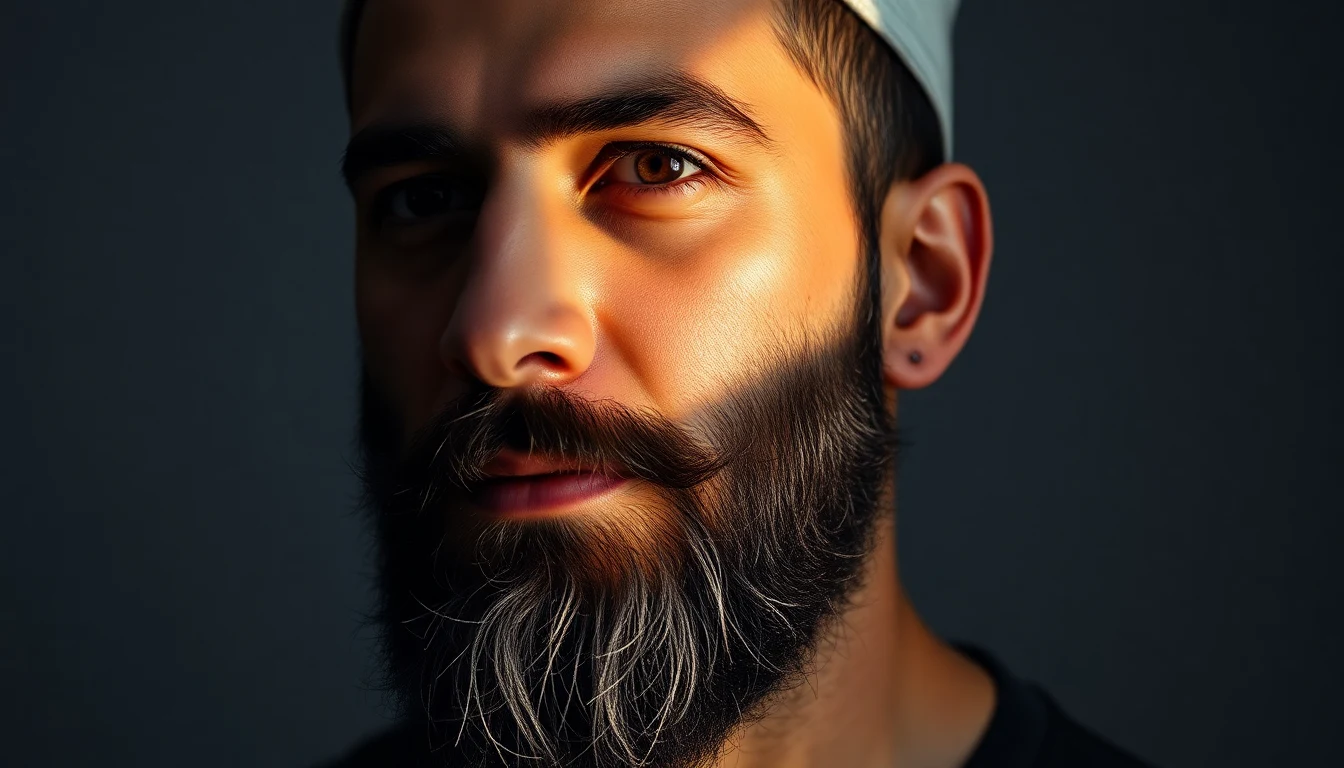
A solid Friday routine looks like this: wash your beard thoroughly in the shower, apply conditioner and let it sit for a minute before rinsing, comb through while damp, apply oil and balm, do any necessary trimming or edge work, and finish with a touch of halal fragrance. Our complete Jumu’ah grooming guide walks through the entire Friday preparation routine step by step.
Growing Your Beard Out: A Timeline
If you are starting from clean-shaven or heavy stubble and want to reach fist-length, here is a realistic timeline of what to expect.
Weeks 1 to 2: The Stubble Phase
Your beard grows about half a millimeter per day. During the first two weeks, you are in heavy stubble territory. This is when itching peaks. Resist the urge to shave. Moisturize daily and keep the skin clean with a gentle CeraVe Foaming Cleanser to prevent ingrown hairs.
Weeks 3 to 6: The Awkward Phase
Your beard is clearly visible but not yet long enough to style properly. Growth may appear uneven, with some areas filling in faster than others. This is completely normal. Keep the neckline clean (shave below the Adam’s apple) but otherwise let everything grow.
Months 2 to 3: The Shaping Phase
At around two months, you have enough length to start defining your chosen style. Visit a barber who understands Muslim beard styles for the initial shaping, then maintain the look at home.
Months 4 to 6: The Fullness Phase
By four to six months of growth, most men will reach or approach fist-length. The beard fills in more completely as slower-growing hairs catch up. This is when the investment in good care products really shows, as the difference between a moisturized, conditioned beard and a neglected one becomes dramatic.
FAQ
Is it haram to trim my beard below fist-length?
This depends on which scholarly opinion you follow. The Hanafi and Hanbali schools generally consider it at minimum disliked (makrooh) to trim below fist-length, while the Maliki and Shafi’i schools permit more flexibility. Consult with your imam or trusted scholar for guidance specific to your situation and school of thought.
Can I shape my beard and still follow the sunnah?
Yes, most scholars permit shaping, cleaning the neckline, trimming stray hairs, and maintaining a presentable appearance. The sunnah emphasis is on growing the beard, not on leaving it completely untouched. Even scholars who advocate for minimal trimming generally allow for tidying and grooming.
My beard grows patchy. Am I still fulfilling the sunnah?
Absolutely. The sunnah is to grow what Allah has given you, not to achieve a specific density or fullness. Many companions of the Prophet had beards of varying thickness. Grow what you can, maintain it well, and do not stress about what is outside your control.
How do I keep my beard from smelling, especially during wudu?
Regular washing is the foundation. Use a dedicated beard wash two to three times per week, and make sure to run your wet fingers through the beard during wudu as the Prophet taught. After patting dry, apply a lightly scented beard oil. Avoid heavy food smells by keeping a napkin over your beard while eating strongly scented foods.
What beard style is best for a professional work environment?
The short boxed beard and rounded medium beard are universally professional. For brothers maintaining fist-length or longer, keeping the edges clean and the hair well-conditioned is what makes the difference. A well-maintained long beard reads as distinguished, not disheveled. Pair it with good skin care from our wudu-friendly skincare guide for the complete polished look.
Final Thoughts
Your beard is a deeply personal expression of faith, identity, and personal style. Whether you keep it at heavy stubble or grow it well past fist-length, the most important thing is that you wear it with intention and take care of it properly. The Prophet (peace be upon him) valued cleanliness and presentation alongside obedience to the sunnah. There is no contradiction between looking good and being observant.
Start where you are. Pick a style from this guide that aligns with your scholarly tradition and face shape, invest in the right tools and products, and grow into it. Your beard will thank you, in sha Allah, and so will the brothers who stop you after salah to ask how you keep it looking so clean.
For more beard care guidance rooted in Islamic tradition, explore our sunnah beard care guide and halal beard oil recommendations. And remember: the best beard style is the one you maintain with consistency and care.
Frequently Asked Questions
What does ‘Sunnah-compliant’ mean when it comes to Muslim men’s beard styles?
Sunnah-compliant refers to beard styles that follow the teachings and traditions of Prophet Muhammad, though scholars interpret these guidelines differently based on their school of Islamic law. The most commonly referenced guideline is maintaining a beard length of at least a fist’s length, though some communities accept shorter styles. It’s important to consult with your imam or religious scholar to understand what aligns with your personal level of observance.
How often should I trim and maintain my Muslim beard?
Many Muslim men follow a weekly grooming routine, similar to the Friday tradition described in the article, where you comb, trim the edges, and apply oil before Jumu’ah prayer. Regular maintenance keeps your beard neat and healthy while maintaining its length according to Sunnah guidelines. The frequency depends on your beard growth rate and the specific style you’re wearing.
What is the fist-length guideline for beards in Islam?
The fist-length guideline suggests maintaining a beard that is approximately 40-60mm long, which is one of the most recognized Sunnah-compliant lengths among Muslim communities. This measurement comes from authenticated hadiths on personal cleanliness and represents a balanced approach between respecting Islamic tradition and modern grooming standards. However, shorter lengths like 10-40mm are also acceptable depending on your scholarly tradition and personal observance.
Can I style my beard in different ways while still being Sunnah-compliant?
Yes, you can choose from several Sunnah-compliant styles ranging from heavy stubble (5-10mm) to full beards (40-60mm), with options like short boxed beards and rounded medium beards in between. The key is maintaining your beard with care and intention rather than following a single rigid style. Different Islamic schools and communities may have varying preferences, so consulting your imam helps ensure your chosen style aligns with your faith practice.