
If you want to master muslim mens hair care guide, this guide covers everything you need to know. Last updated: February 2026 by Omar Al-Rashid, Certified Aesthetician
Hair care might seem like a simple topic, but for Muslim men, it carries layers that most grooming guides never touch. We deal with the practical reality of wudu (ritual washing) wetting our hair multiple times daily. We navigate questions about what hairstyles are permissible. We balance cultural identity with professional expectations. And we do it all while trying to keep our hair looking good.
I have worked with brothers across the spectrum at my grooming studio in Dearborn: Arab men with thick, wavy hair; South Asian brothers with straight, dense locks; African American Muslims with coily textures; and converts figuring out how their existing grooming routine fits into their new practice. The diversity of hair types within the Muslim ummah is enormous, and no single routine fits everyone. This guide provides a framework you can adapt to your specific hair type, length preference, and level of observance. For expert guidance on this topic, consult authenticated hadiths on personal cleanliness from Sunnah.com.
Religious Note: Grooming practices in Islam can vary by scholarly opinion and personal observance. Always consult with your imam, scholar, or religious guide to confirm that any products or practices mentioned here align with your personal level of observance and religious requirements.
What the Sunnah Says About Men’s Hair : Muslim Mens Hair Care Guide
The Prophet Muhammad (peace be upon him) gave attention to his hair. Multiple hadith narrations describe him combing his hair, oiling it, and keeping it clean and well-maintained. Aisha (may Allah be pleased with her) reported that the Prophet’s hair varied in length throughout his life, sometimes reaching his earlobes and at other times touching his shoulders.
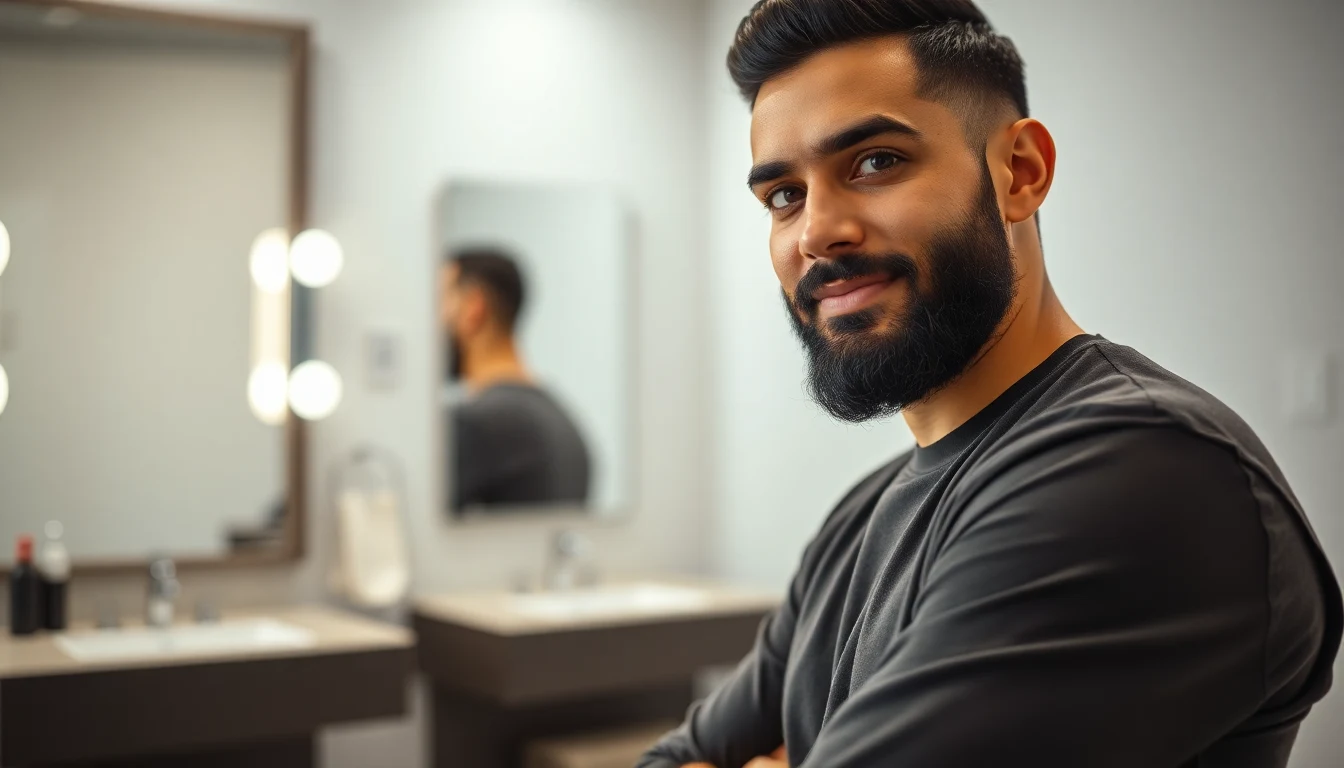
Several key sunnah principles apply to men’s hair care:
- Cleanliness: The Prophet (peace be upon him) washed and oiled his hair regularly. He encouraged bathing on Fridays before Jumu’ah prayer.
- Combing: He combed his hair and instructed others to comb theirs. The hadith mentions combing every other day as a balanced approach.
- Even cutting: The Prophet (peace be upon him) discouraged “qaza,” which is shaving parts of the head while leaving others long, creating an uneven look. Most scholars interpret this as a prohibition on extreme asymmetric styles.
- Oiling: He applied oil to his hair, which aligns with modern understanding of moisturizing and conditioning.
- Dyeing gray hair: The Prophet (peace be upon him) encouraged changing the color of gray hair and specified avoiding pure black dye. Henna (reddish-brown) was his recommended alternative.
Popular Hair Styles for Muslim Men
The Short Crop
The most common hairstyle among Muslim men globally. Hair is kept uniformly short (typically 1-3 centimeters) across the entire head, sometimes with a slight taper at the sides. This style is universally accepted by scholars, easy to maintain, and practical for wudu since the hair dries quickly after washing.
For brothers who wear a kufi (prayer cap) regularly, the short crop sits neatly beneath it without flattening awkwardly or creating noticeable “hat hair” when the kufi is removed.
The Medium Length (Ear-Length)
This mirrors the length the Prophet (peace be upon him) was described as having at various points. Hair reaches the earlobes, sometimes slightly past them. It requires more maintenance than a short crop, including regular conditioning and styling, but offers a distinctive look that connects to prophetic tradition.
Medium-length hair needs product to stay manageable, especially in humid environments. A light pomade or cream keeps it in place without looking stiff or unnatural. This length also works well when parted to the side or center, both of which are traditional Muslim styles.
The Shoulder-Length Style
Also described in hadith narrations about the Prophet’s hair. Shoulder-length hair on men is less common in Western Muslim communities but is perfectly normal in many Arab, South Asian, and Southeast Asian cultures. It requires significant care: regular washing, conditioning, and protection from drying and breakage.
The Shaved Head
Shaving the entire head is permissible in Islam and is actually required during Hajj for those who choose halq (shaving) over taqseer (trimming). Outside of Hajj, some brothers maintain a shaved head as a personal preference. It is the most wudu-friendly option, as there is no hair to dry, and water reaches the scalp directly.
Brothers with shaved heads need to focus on scalp care: moisturizing, sun protection, and preventing razor bumps.
Faded and Tapered Styles
Modern fades and tapers are extremely popular among younger Muslim men. Most scholars consider these permissible as long as the cut is reasonably uniform and does not fall into the category of “qaza” (shaving some parts while leaving others dramatically different). A skin fade that transitions smoothly from shorter sides to longer top is generally considered acceptable, while shaving designs, words, or extreme patterns into the hair is more debated. Mastering muslim mens hair care guide takes practice but delivers great results.
Hair Care by Hair Type
The Muslim ummah encompasses virtually every hair type on earth. Here is how to care for yours.
Straight, Thick Hair (Common in Arab and East Asian Communities)
Straight hair tends to show oil quickly, which means it can look greasy within a day of washing. On the positive side, it is generally easy to style and manage.
Washing frequency: Every 2-3 days, or after heavy sweating.
Products: Lightweight conditioner (avoid heavy creams that weigh hair down). A clarifying shampoo once a week to remove buildup. Light styling products: water-based pomades, sea salt sprays for texture.
Wudu tip: Straight hair dries faster than curly hair after wudu. If you style your hair in the morning, the midday wudu rinse may disrupt it. Keep a small amount of styling product at your desk or in your masjid bag for quick touch-ups.
Wavy Hair (Common in Middle Eastern and Mediterranean Communities)
Wavy hair has natural body and texture that many other types envy. However, it can become frizzy in humidity and may develop an uneven wave pattern as it grows.
Washing frequency: Every 2-3 days. Co-washing (conditioner only) on alternate days can maintain the wave pattern without drying the hair.
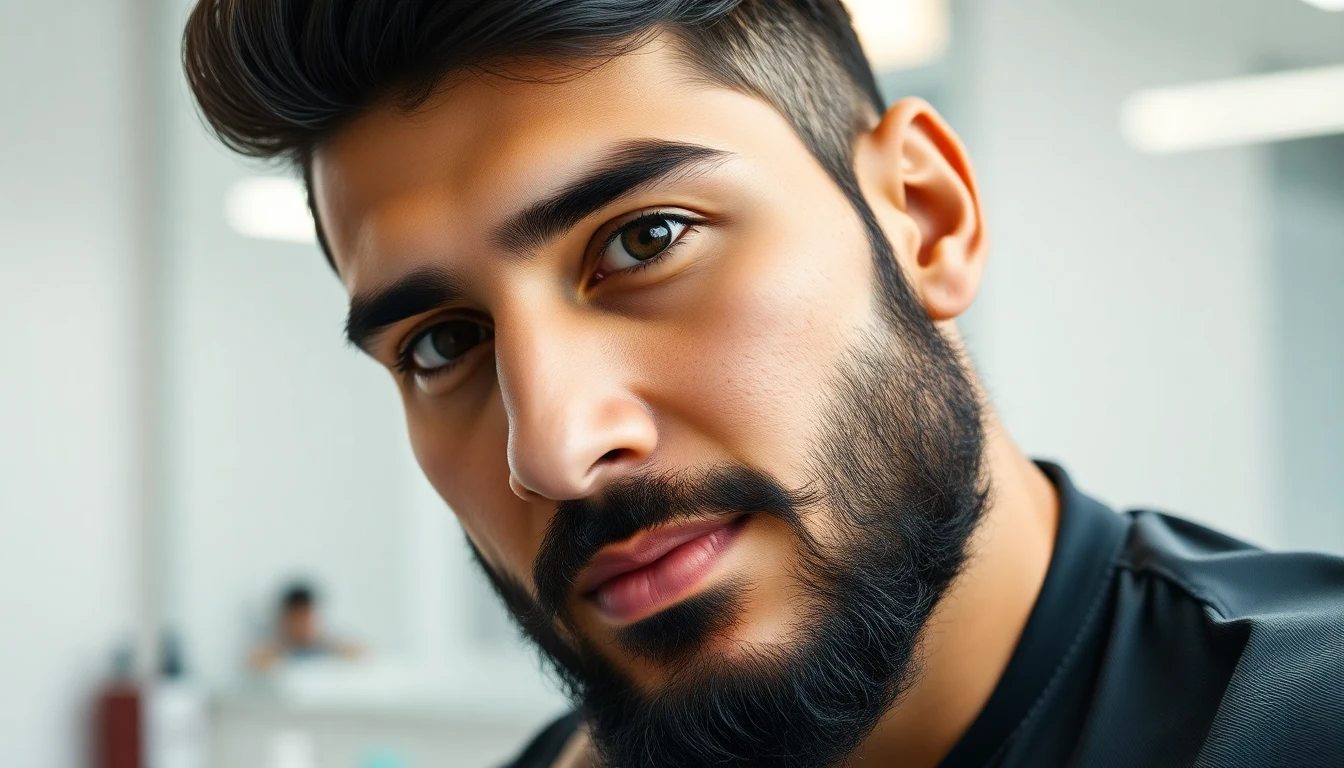
Products: A sulfate-free shampoo to preserve natural oils. A medium-weight conditioner. Curl cream or leave-in conditioner to define waves and combat frizz.
Wudu tip: Wavy hair responds well to being re-wet and scrunched. After wudu, scrunch the wet hair gently to reactivate the wave pattern, then let it air dry.
Curly and Coily Hair (Common in African, African American, and Some South Asian Communities)
Curly and coily textures (type 3 and 4 on the hair typing system) need the most moisture and the gentlest handling. These hair types are prone to dryness, shrinkage, and breakage if not properly cared for.
Washing frequency: Once a week or every 10 days. Over-washing strips the natural oils that curly hair desperately needs. Between washes, co-wash or simply rinse with water.
Products: A rich, moisturizing shampoo (sulfate-free is mandatory). Deep conditioner weekly. Leave-in conditioner daily. Styling gel or cream to define curls and reduce shrinkage.
Wudu tip: The repeated wetting from wudu can actually benefit curly hair by adding moisture. However, if you style with gel or cream, the water may disrupt your curl definition. Consider using a water-activated styling product that re-sets when wet, so wudu actually refreshes your style rather than ruining it.
Fine, Thinning Hair
Hair thinning affects men of all ethnicities and can be a particular source of self-consciousness for brothers who wear kufis or taqiyahs, as the cap can draw attention to the hairline. Understanding muslim mens hair care guide is key to a great grooming routine.
Washing frequency: Every 1-2 days. Fine hair shows oil buildup quickly.
Products: Volumizing shampoo and conditioner (avoid heavy, moisturizing formulas that weigh thin hair down). Light styling sprays. Avoid wax and heavy pomades. Consider a gentle cleanser for the scalp if dandruff compounds the thinning.
Growth support: Growth serums designed for the beard can also be applied to the scalp, as the active ingredients work on any hair follicle. Our black seed oil guide covers a sunnah-based approach to supporting hair health.
Wudu and Hair Care: The Practical Challenges
This is the section that no generic hair care guide covers, and it might be the most important one for Muslim men. Performing wudu five times a day means your hair gets wet five times a day. That is a reality that profoundly affects your hair care strategy.
Does Wudu Require Wetting the Hair?
The head wiping (masah) during wudu requires passing wet hands over the head. The minimum, according to most scholars, is wiping at least one-quarter of the head with wet hands. The sunnah method is to wipe from the front of the head to the back and then return to the front. This does not require soaking the hair, but it does get it wet.
Managing Styled Hair During Wudu
This is the biggest practical challenge. You spend time styling your hair in the morning, then wudu partially undoes it five times before bedtime. Here are strategies that work:
- Use water-resistant styling products: Pomades with a wax base hold better against moisture than water-based gels. The trade-off is that they are harder to wash out.
- Keep it short: Shorter hairstyles recover from wudu wetting much faster than longer styles. A 2cm crop looks essentially the same wet or dry.
- Embrace the natural look: Let your hair’s natural texture work for you. If your hair has a natural wave or curl, wudu wetting can actually enhance it.
- Carry a small comb: A quick comb-through after wudu restores most styles in under 30 seconds.
Preventing Wudu-Related Dryness
Repeated wetting without conditioning can strip the hair’s moisture, especially for brothers with curly or coily textures. Counteract this by:
- Applying a light leave-in conditioner every morning that survives wudu wetting.
- Using a moisturizing shampoo when you do wash.
- Applying hair oil (black seed, argan, or jojoba) after your last wudu of the day to replenish moisture overnight.
- Using CeraVe Moisturizing Cream on the scalp if dryness is severe.
Halal Hair Products: What to Use and What to Avoid
The same ingredient concerns that apply to skincare and shampoo apply to styling products. For a comprehensive breakdown, see our halal skincare guide and halal shampoo guide. Here is the quick reference for hair styling products specifically.
Generally Safe
- Water-based pomades with plant-derived ingredients
- Natural oils (argan, jojoba, coconut, black seed, olive)
- Shea butter-based styling creams
- Sea salt sprays (water, salt, sometimes plant extracts)
- Aloe vera gel
Check the Source
- Glycerin-based products (plant vs. animal origin)
- Keratin treatments (animal vs. plant keratin)
- Protein treatments (which protein source?)
- Wax-based pomades (beeswax is halal; check other wax sources)
Typically Problematic
- Products with unspecified collagen (likely porcine)
- Styling gels with pork-derived gelatin as a thickener
- Products containing tallow from unspecified animal sources
Hair and Headwear: Kufi, Taqiyah, and Turban Care
Many Muslim men wear head coverings regularly, and this creates unique hair care challenges.
Preventing “Hat Hair”
A kufi worn for extended periods flattens the hair at the top and creates a ridge around the head where the edge sits. For short hair, this is barely noticeable. For medium to longer hair, it can be a problem.
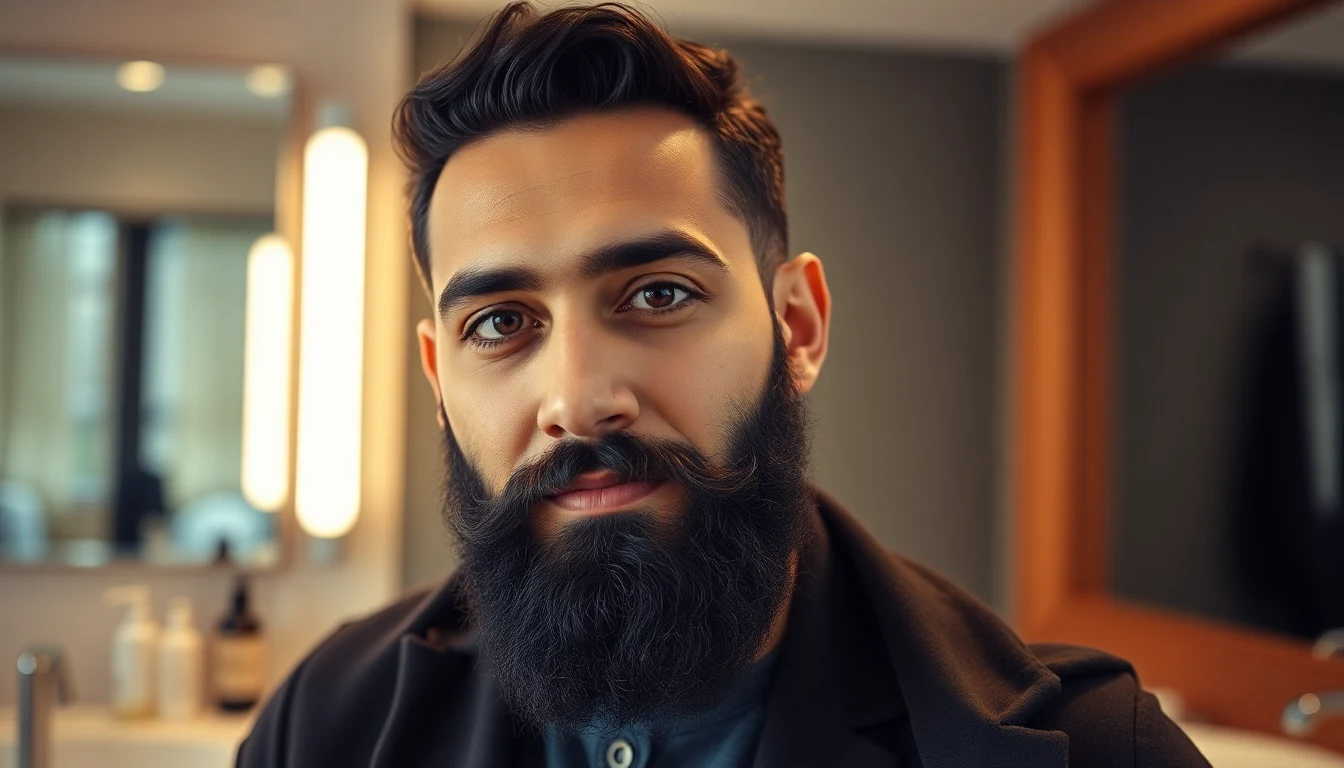
Solutions: choose a looser-fitting kufi that does not compress the hair tightly; remove the kufi periodically to let your hair “breathe”; after removing, run your fingers through the flattened area and shake gently to restore volume.
Hygiene Under Headwear
Head coverings trap heat and moisture against the scalp, which can accelerate oil buildup and create a breeding ground for bacteria and fungus. Wash your kufi or taqiyah at least weekly, more often in summer. If you wear a knitted or crocheted cap, have several in rotation so you always have a clean one available.
Turban-wearing brothers should wash the cloth turban weekly as well. The layers of fabric closest to the scalp absorb sweat and oils that can transfer back to the hair and cause irritation.
Dyeing Hair and Beards: The Islamic Perspective
The Prophet (peace be upon him) encouraged changing the appearance of gray hair, specifically saying “Change this gray hair, and avoid black” (Sahih Muslim). This has led to a rich tradition of hair dyeing among Muslim men, with some specific guidelines. When it comes to muslim mens hair care guide, technique matters most.
Henna (Recommended)
Henna produces a reddish-brown to deep auburn color depending on the concentration and hair type. It was the Prophet’s recommended dye and is 100% plant-based, making it the most unambiguously halal option. Henna also conditions the hair, adding strength and shine. It does not penetrate the hair shaft in a way that would block water during wudu, so it does not affect the validity of ritual washing.
Other Natural Dyes
Katam (Buxus dioica), when mixed with henna, produces darker brown to near-black shades. Indigo is another plant-based option that creates very dark tones. These traditional alternatives have been used throughout Islamic history for brothers who want a darker color while respecting the hadith guidance against pure black dye.
The Black Dye Question
The hadith explicitly advises against pure black dye. Most scholars interpret this as a prohibition (haram) or at minimum strongly disliked (makrooh tahrimi). Some scholars make exceptions for specific circumstances, such as military service where a youthful appearance is strategically important. For most brothers, very dark brown (which can appear black in certain lighting) is the closest permissible option.
Seasonal Hair Care Adjustments
Summer
UV exposure, sweat, and chlorine (if swimming) all damage hair. Use a leave-in conditioner with UV protection. Rinse hair with fresh water before swimming. Increase washing frequency to manage sweat buildup. Consider a slightly shorter cut for comfort.
Winter
Cold, dry air and indoor heating strip moisture. Reduce washing frequency. Use heavier conditioners and hair oils. Wear a satin-lined kufi if possible to reduce friction-related breakage. A weekly deep conditioning treatment with black seed oil or argan oil makes a significant difference during the cold months.
FAQ
Is it sunnah to grow hair long?
The Prophet (peace be upon him) wore his hair at various lengths, from ear-length to shoulder-length. Growing hair long is not obligatory but it is a valid sunnah practice. What matters more than length is maintenance: keeping it clean, combed, and presentable. A well-maintained short crop fulfills the spirit of the sunnah just as much as well-maintained long hair.
Are faded haircuts haram?
Most scholars permit fades and tapers because they represent a graduated, uniform transition rather than the “qaza” (uneven shaving) that the Prophet prohibited. The prohibition applies to dramatically shaving some sections while leaving others untouched, creating a jarring contrast. A smooth fade from shorter sides to a longer top does not typically fall into this category. However, designs shaved into the hair are more debated.
How do I protect my hairstyle during wudu?
You cannot skip the head wiping during wudu to protect a hairstyle. However, the minimum requirement is wiping wet hands over a portion of the head, not drenching it. Some brothers develop a technique of lightly wiping rather than saturating, which fulfills the requirement while minimizing disruption to the hair. After wudu, a quick comb-through restores most styles.
Can I use hair gel and still perform valid wudu?
Most scholars agree that regular hair gel does not create a waterproof barrier that invalidates wudu. The water from the hand wiping mixes with the gel and reaches the hair. However, extremely heavy wax-based products or waterproof sprays could potentially be an issue. If you are concerned, apply styling products after wudu rather than before.
What about hair transplants? Are they halal?
This is a question that has received increasing scholarly attention. Many contemporary scholars permit hair transplants, reasoning that they are a form of treatment for a medical condition (alopecia) rather than changing Allah’s creation unnecessarily. The transplant uses your own hair follicles from one area of the scalp to another, so no foreign or haram material is introduced. However, some scholars have reservations. Consult with your local imam or a scholar you trust for guidance specific to your situation.
Final Thoughts
Muslim men’s hair care is about working with the unique realities of our lifestyle: frequent wudu, headwear, diverse hair textures across the ummah, and grooming standards rooted in prophetic tradition. The best routine is one that keeps your hair healthy and clean, works with your wudu schedule rather than against it, and aligns with your personal level of observance.
Invest in the right products for your hair type, establish a consistent weekly routine, and give your hair extra attention on Fridays as the Prophet (peace be upon him) taught. For related guidance, explore our sunnah beard care guide, halal shampoo recommendations, Jumu’ah grooming routine, and black seed oil for hair health.
Your hair is part of your presentation to the world and to Allah. Take care of it accordingly. In sha Allah.
Frequently Asked Questions
How does wudu affect Muslim men’s hair care routines?
Since wudu involves ritual washing that wets your hair multiple times daily, you need a hair care routine that accommodates frequent moisture exposure without causing damage or frizz. This means choosing sulfate-free shampoos, conditioning regularly, and potentially adjusting your styling approach based on how often you perform ablution.
What are the most popular halal-friendly hairstyles for Muslim men?
Common styles include the short crop, medium-length ear-level cuts, shoulder-length styles, faded and tapered designs, and the shaved head. Your choice should align with both your personal observance level and your hair type, whether you have straight, wavy, or coily texture.
Can you provide a Muslim men’s hair care guide that works for different hair types?
The guide addresses hair care across diverse textures including straight thick hair common in Arab communities, wavy hair in Middle Eastern populations, and coily textures in African American Muslim men. You should select products and techniques tailored to your specific hair type rather than following a one-size-fits-all approach, and consult your imam about any products that align with your religious requirements.
How do Muslim men balance professional appearance with religious grooming practices?
You can maintain both by choosing hairstyles that are religiously permissible while fitting workplace standards, such as faded cuts or medium-length styles that look polished. The key is finding grooming products and routines that support your faith observance without compromising your professional image.