
If you want to master nordic beard care for men, this guide covers everything you need to know. Last updated: February 2026 by Erik Lindqvist, Nordic Skincare Specialist
Growing a beard in Scandinavia means growing it in conditions that actively work against both the beard and the skin underneath. Eight months of cold air that strips moisture from facial hair. Heated indoor spaces that create a humidity desert. Wind that chaps exposed skin and dries beard hairs into a wiry, uncooperative mess. And underneath it all, the fair, sensitive skin that many Nordic men share, skin that reacts to half the beard products on the market and develops beardruff, redness, and irritation if not treated with deliberate care.
I have worn a beard through fifteen Swedish winters and learned every lesson the hard way. The expensive artisanal beard oil that smelled like a Nordic forest but gave me contact dermatitis from its essential oil blend. The thick butter that felt protective but clogged my pores and caused a breakout that took three weeks to resolve. The coal tar shampoo I used on my beard to treat flaking that dried the hair so badly it broke off in patches. Each failure taught me something, and over the years I built a beard care approach rooted in the same principles that guide Nordic skincare: simplicity, gentleness, and respect for the skin’s natural barrier. For expert guidance on this topic, consult the American Academy of Dermatology’s eczema and sensitive skin guide.
This guide shares that approach. It covers beard care for men with fair, sensitive facial skin, with specific attention to cold climate challenges, product selection for reactive skin, and maintenance techniques that keep the beard looking healthy without sacrificing the comfort of the skin underneath.
The Scandinavian Approach to Beard Maintenance : Nordic Beard Care For Men
Scandinavian grooming philosophy centers on lagom, the concept of “just enough.” In beard care, this translates to using the minimum effective amount of the simplest possible products. No 15-ingredient artisanal blends. No daily elaborate rituals with multiple products layered on top of each other. Just the essential steps performed consistently, using products that contain only what your beard and skin need and nothing they do not.
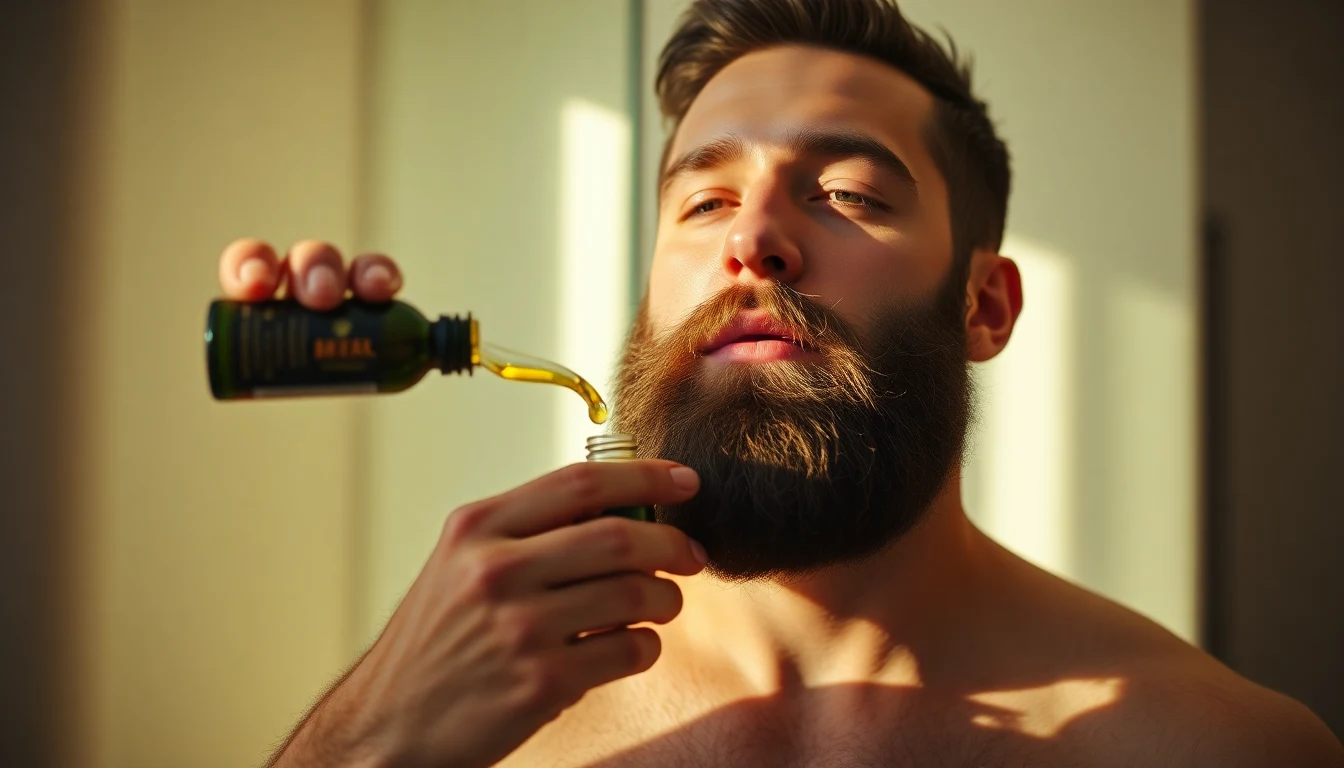
Principle 1: Protect the skin, not just the hair. Most beard care advice focuses on the beard hair itself. For men with sensitive skin, the priority must be the skin underneath. If the skin is healthy, the beard benefits. If the skin is irritated, no amount of beard oil will make the beard look good.
Principle 2: Fewer products, better quality. Every product you apply to your beard contacts your facial skin. Each product is a potential irritant. Reducing the number of products reduces the number of potential triggers. One excellent beard oil is better than a beard oil, a beard balm, a beard butter, and a beard spray used together.
Principle 3: Adapt to the season. Nordic conditions vary dramatically between summer and winter. Your beard care routine should too. Heavier conditioning in winter, lighter maintenance in summer, and constant attention to the skin’s response to environmental changes.
Beard Oils for Sensitive Skin
Beard oil is the single most important product for men with sensitive skin under their beard. The right oil moisturizes the skin, conditions the hair, and prevents the beardruff and itching that plague sensitive-skinned beard growers. Mastering nordic beard care for men takes practice but delivers great results.
The safest base oils: Jojoba oil (mimics natural sebum, extremely low allergenicity), squalane (naturally present in skin, virtually zero allergenicity), and grapeseed oil (lightweight, quickly absorbed, not a tree nut). These three oils can be used individually or blended together for a custom beard oil with no fragrance and minimal allergy risk.
Product recommendation: Desert Essence 100% Pure Jojoba Oil is the safest single-ingredient beard oil. Apply 3-5 drops daily, rubbing between palms and massaging through the beard and into the skin underneath. In winter, increase to 5-7 drops to compensate for the increased dryness from cold air and indoor heating.
What to avoid: Essential oils (fragrance and irritation risk), tree nut oils if you have nut sensitivities, lanolin-containing products, and any oil with added fragrance or preservatives.
Cold Climate Beard Challenges
Nordic winters present unique challenges for beard maintenance that men in warmer climates do not face.
Moisture freeze: When you step outside in sub-zero temperatures, the moisture in your beard can literally freeze. Ice crystals in the beard hair create micro-damage to the cuticle, making the hair brittle and prone to breakage. The solution is to apply a protective layer of beard oil or a light shea butter before going outside. This creates a barrier that prevents moisture from freezing directly on the hair shaft.
Indoor-outdoor cycling: Moving repeatedly between cold outdoor air and heated indoor spaces creates a cycle of contraction and expansion in both the skin and the hair. This cycling can trigger flares in sensitive skin and worsen beardruff. Maintaining consistent moisture levels through regular oiling helps buffer against these temperature transitions.
Wind damage: Cold winter wind strips moisture from exposed beard hair and skin, causing drying, chapping, and roughness. If you spend extended time outdoors in winter, a scarf or neck gaiter pulled up over the beard provides physical protection against wind exposure.
Low humidity: Indoor heating in Scandinavian homes can drop humidity to 15-20%, which is drier than the Sahara Desert. This dramatically increases transepidermal water loss from the facial skin under the beard. Running a humidifier in your home during winter months (targeting 40-50% humidity) benefits both your skin and your beard.
Preventing and Treating Beard Dandruff on Sensitive Skin
Beardruff (flaking skin under the beard) is caused by the same factors as scalp dandruff: dry skin, yeast overgrowth, or seborrheic dermatitis. On sensitive skin, it is often worsened by the products used to treat it.
Daily prevention: Apply beard oil daily to keep the underlying skin moisturized. Use a soft boar bristle brush to gently exfoliate the skin under the beard, removing dead cells before they accumulate and flake visibly. Understanding nordic beard care for men is key to a great grooming routine.
Treatment for persistent beardruff: Wash the beard 2-3 times per week with a gentle, fragrance-free cleanser like CeraVe Hydrating Facial Cleanser. If flaking persists, use a zinc pyrithione cleanser on the beard area once or twice a week. Vanicream Z-Bar works well for this purpose and is gentle enough for facial skin.
What not to do: Do not use harsh dandruff shampoos (coal tar, selenium sulfide) on the beard. These are formulated for the scalp, which is thicker and more resilient than facial skin. On sensitive facial skin, they can cause significant irritation, redness, and worsened flaking.
Grooming Tools for Nordic Beard Care
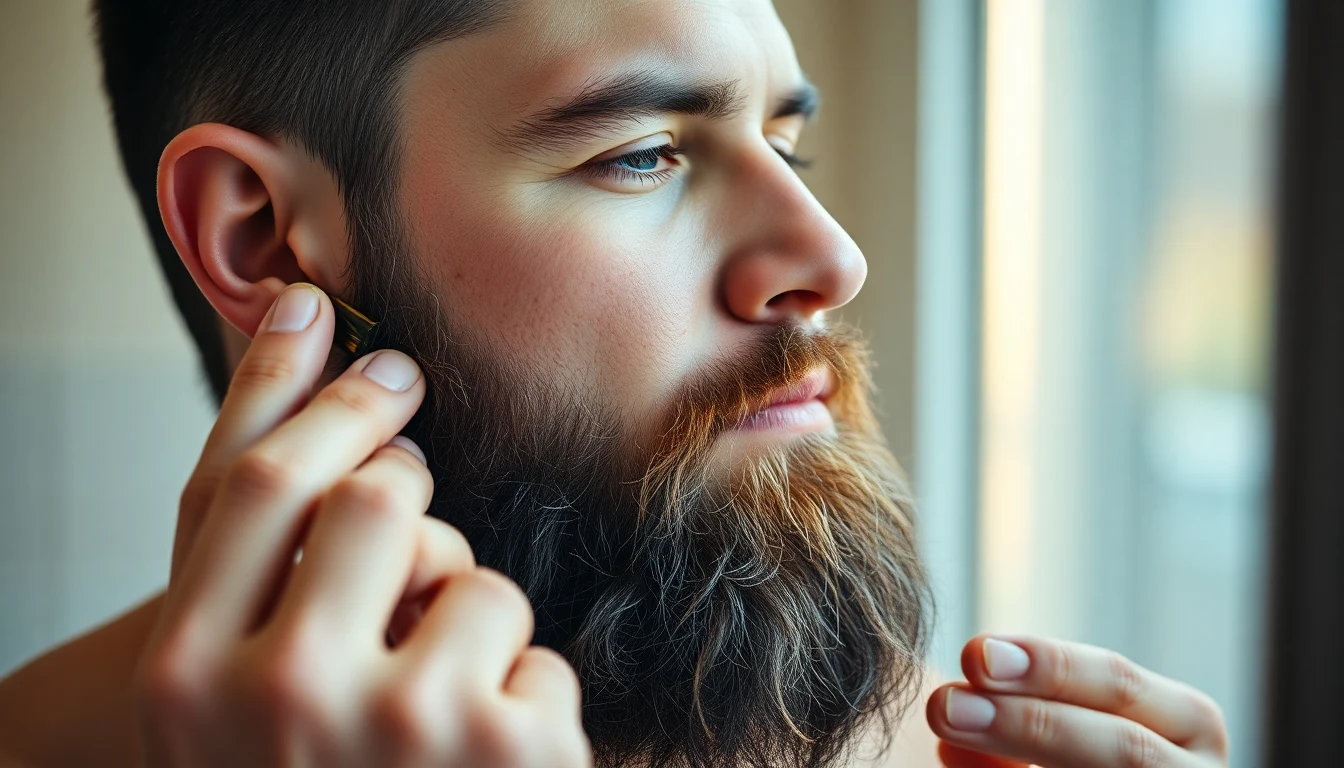
Boar bristle brush: A gentle boar bristle brush distributes oil, trains hair direction, and exfoliates the skin underneath. Use it daily after applying beard oil. Choose a brush with natural boar bristles rather than synthetic, as natural bristles are softer and less likely to irritate sensitive skin.
Wide-tooth wooden comb: For beards longer than 2 inches, a wide-tooth comb detangles without pulling. Wood is preferable to plastic because it does not create static (a significant issue in dry winter air) and distributes oil more evenly. Zeus Sandalwood Beard Comb is handmade with anti-static properties.
Beard trimmer: A quality beard trimmer with adjustable guard lengths allows precise maintenance without the irritation risk of razor shaving. For sensitive-skinned men, trimming is almost always preferable to shaving for maintaining beard shape, as the trimmer does not contact the skin directly.
Seasonal Beard Care Routine
Winter (October – March)
Daily: 5-7 drops jojoba oil, brush through. Apply shea butter before outdoor exposure in extreme cold.
2-3x per week: Wash with fragrance-free cleanser. Condition with a rinse-out conditioner if beard hair is very dry.
Weekly: Deep condition with a heavier oil (argan or coconut, if tolerated) left on for 30 minutes before washing.
Summer (April – September)
Daily: 3-4 drops jojoba oil. Brush through. The increased humidity reduces the need for heavy conditioning. When it comes to nordic beard care for men, technique matters most.
2x per week: Wash with fragrance-free cleanser. Less frequent washing is needed in summer than winter because the skin produces more natural oil.
Sun protection: Apply SPF to any exposed skin around the beard edges, including the cheeks above the beard line and the neck below. UV exposure on sensitive skin accelerates aging and triggers redness.
Frequently Asked Questions
Can I grow a full beard with very sensitive skin?
Yes. In fact, a beard can protect sensitive facial skin from environmental stressors like wind, cold, and UV. The key is managing the skin underneath with gentle, fragrance-free products and not allowing beardruff or irritation to develop unchecked. Many men with sensitive skin report that their facial skin actually improves after growing a beard, because the beard provides a physical barrier against external irritants.
How do I handle beard itch during the growth phase?
Beard itch is worst during weeks 1-3 of growth. Apply jojoba oil to the skin twice daily (morning and evening) to soften the growing hairs and moisturize the skin they are poking. If itching is severe, a thin application of 1% hydrocortisone cream for up to 5 days can provide relief. Do not scratch, as this creates micro-abrasions that worsen irritation on sensitive skin.
Should I use conditioner on my beard?
A fragrance-free rinse-out conditioner can be used on longer beards (1 inch or more) 2-3 times per week to soften the hair and reduce tangling. Apply only to the beard hair, not the skin underneath. Rinse thoroughly. Avoid leave-in conditioners on sensitive facial skin, as the prolonged contact increases the risk of a reaction from any ingredient.
What is the best beard length for sensitive skin?
Any length works as long as you maintain the skin underneath. Stubble (3-5mm) requires the least maintenance but offers the least protection. Short beards (1-2 cm) provide some skin protection with moderate maintenance. Full beards (2+ inches) provide the most environmental protection but require the most consistent care to prevent beardruff and irritation from product buildup.
Do Nordic men have different facial hair than other Europeans?
Nordic facial hair tends to be lighter in color (blonde, light brown, or reddish) and may be finer in texture than the dark, coarse facial hair common in Mediterranean men. This lighter, finer hair requires less heavy conditioning but is more prone to dryness and breakage in cold conditions. The underlying skin is typically fairer and more sensitive, which is why Nordic beard care emphasizes gentleness and minimal-ingredient products.
Final Thoughts
Nordic beard care is not about elaborate routines or expensive products. It is about understanding that the skin underneath your beard is the foundation, and protecting that foundation with simple, gentle, fragrance-free products applied consistently. Jojoba oil, a soft brush, and a fragrance-free cleanser form the core of a routine that keeps both the beard and the skin healthy through the harshest conditions. Lagom. Just enough, done right, every day.
Frequently Asked Questions
What makes Nordic beard care different from standard beard care routines?
Nordic beard care is specifically designed to address the harsh Scandinavian climate with eight months of cold, dry air and heated indoor spaces that strip moisture from facial hair. The approach prioritizes simplicity, gentleness, and protecting your skin’s natural barrier rather than using heavy products that can clog pores or cause irritation on fair, sensitive skin.
Why do beard products often cause irritation on fair, sensitive facial skin?
Many commercial beard products contain essential oils, synthetic fragrances, and heavy butters that can trigger contact dermatitis, breakouts, and redness in men with fair, sensitive skin. Fair skin is naturally more reactive and prone to conditions like beardruff and irritation, so these men need carefully selected products with minimal irritants.
What mistakes should I avoid when treating a dry, flaky beard in cold climates?
Avoid using harsh treatments like coal tar shampoo, which can over-dry beard hair and cause it to break off in patches, or thick butters that clog pores and cause breakouts. Instead, focus on gentle cleansing and moisturizing products that respect your skin’s natural barrier while protecting against wind and cold weather damage.
How can I prevent my beard from becoming wiry and unmanageable during winter months?
Combat wiry beard texture by using moisturizing products specifically formulated for sensitive skin and protecting your facial hair from wind exposure when possible. Regular gentle conditioning and avoiding over-drying products will help maintain softer, more cooperative beard hair throughout the cold winter months.