
Last updated: February 2026 | Written by Carlos Espinoza, Latino Grooming Editor
This article contains affiliate links, which means we may earn a small commission if you purchase through our links. This does not affect our editorial opinions or the price you pay.
There is a moment every Latino barber remembers. It is the first time a client sat down in the chair, pulled up a photo on their phone, and said, “Give me the Peso Pluma.” For some barbers it was early 2023. For others in Guadalajara, Monterrey, or the Rio Grande Valley, it was even earlier. But that request became a wave, and then a flood. Peso Pluma did not just make a hairstyle popular. He made the mullet the defining haircut of a generation of young Latino men.
I have been cutting hair and writing about Latino grooming for years, and I cannot think of a single artist who has influenced barbershop culture as fast as Hassan Emilio Kabande Laija, the kid from Zapopan, Jalisco who goes by Peso Pluma. His music changed regional Mexican, and his hair changed the way millions of young men show up to the barber. Let me break down exactly what his style is, how it evolved, and how to get it right.
Who Is Peso Pluma?
If you are reading this article, you probably already know. But for the SEO gods and anyone who stumbled here from a Google search: Peso Pluma (born June 15, 1999 in Zapopan, Jalisco, Mexico) is a Mexican singer and songwriter who became one of the biggest music artists on the planet. His genre is corridos tumbados, a modern evolution of traditional corridos that blends regional Mexican music with urban, trap, and reggaeton influences.
His breakout came in 2022 and 2023 with tracks like “Ella Baila Sola” (with Eslabon Armado), which hit number one on the Billboard Hot 100, and “La Bebe” (with Yng Lvcas). By 2023, he was selling out arenas worldwide, collaborating with artists from Bad Bunny to Nicki Minaj, and becoming the face of a musical movement that put Jalisco on the global map.
But here is what matters for our purposes: his hair became as iconic as his music. The Peso Pluma haircut became one of the most searched men’s hairstyles in Latin America and among Latino communities in the United States. It is not just a haircut. It is a cultural marker, the same way the Edgar haircut defined a generation of takuache culture before it.
Peso Pluma’s Signature Style: The Modern Mullet
Let me be clear about what we are talking about. Peso Pluma’s signature look is a modern mullet, also described as a shullet (shag + mullet) depending on the specific phase of his hair evolution. The core elements are:
- Top: Shorter, textured, layered hair with volume and movement. Not buzzed short, but cropped enough to create clear contrast with the back.
- Sides: Tapered or faded. In his earlier looks, the sides were more of a gentle taper. Later versions featured cleaner low-to-mid fades.
- Back: This is the signature. The back is left significantly longer, flowing past the collar and sometimes reaching the shoulders. It has natural movement, layers, and often a slight wave or curl.
- Front: Depending on the era, he has worn the front with textured fringe falling forward, side-swept, or with curtain bangs that frame his face.
The overall silhouette is unmistakable: short-to-medium on top and sides, long and flowing in the back. It is the classic mullet architecture, but modernized with layering, texture, and a deliberate sense of style that separates it from the 1980s version your dad might remember.
Why This Style Took Off
Peso Pluma did not invent the mullet. The style has been cycling through global fashion for decades, and it was already having a revival in K-pop, Australian surf culture, and European fashion circles before he hit the mainstream. But what Peso Pluma did was make the mullet unmistakably Mexican. He attached it to a sound, a movement, and an identity that resonated deeply with young Latino men.
Corridos tumbados culture already had a visual identity: the cowboy boots, the regional Mexican fashion, the gold chains. But the hair was the finishing piece. When Peso Pluma showed up on stage at festivals, on magazine covers, and in music videos with that mullet flowing behind him, he gave millions of young men permission to grow their hair out in a way that felt culturally authentic rather than borrowed.
In the barbershops I work with across Texas and California, the “Peso Pluma” became a shorthand. Guys walk in and say the name, and the barber knows exactly what to do. That level of cultural recognition is rare. It puts Peso Pluma’s hair influence in the same category as Elvis’s pompadour or David Beckham’s faux hawk. It is a generation-defining look.
Peso Pluma’s Hair Evolution: A Timeline
His hair did not start with the full mullet. Like most signature looks, it evolved over time. Here is the progression.
2020 to Early 2022: The Pre-Fame Look
Before Peso Pluma became a household name, his hair was relatively standard for a young man from Jalisco. He wore it short to medium length, sometimes with a basic taper on the sides and a bit of length on top. Nothing that would make you look twice at the barber shop. This was the music-grinding era when he was building his catalog and performing at smaller venues. The hair was practical, not yet a statement.
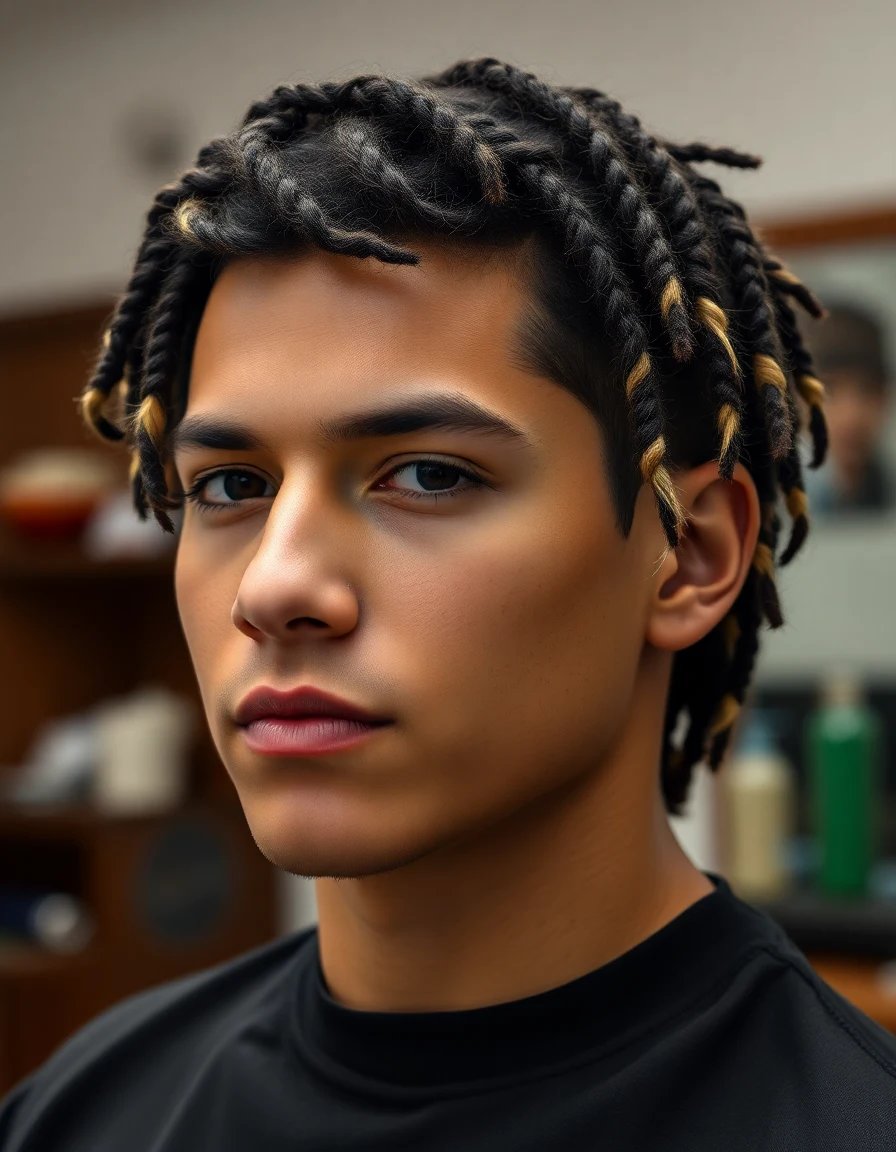
During this period, you can see in early photos and videos that he occasionally had a slightly grown-out look with more length in the back than on the sides, a hint of what was coming. But it was more “I have not been to the barber in a while” than “I am intentionally growing a mullet.”
Late 2022: The Shullet Emerges
As “Ella Baila Sola” started climbing the charts and Peso Pluma’s visibility increased, the hair began to take shape. This is the shullet phase: a transitional look where the back was noticeably longer than the top and sides, but not yet at full mullet length. The layers were shaggier, the texture was more lived-in, and the sides had a soft taper rather than a hard fade.
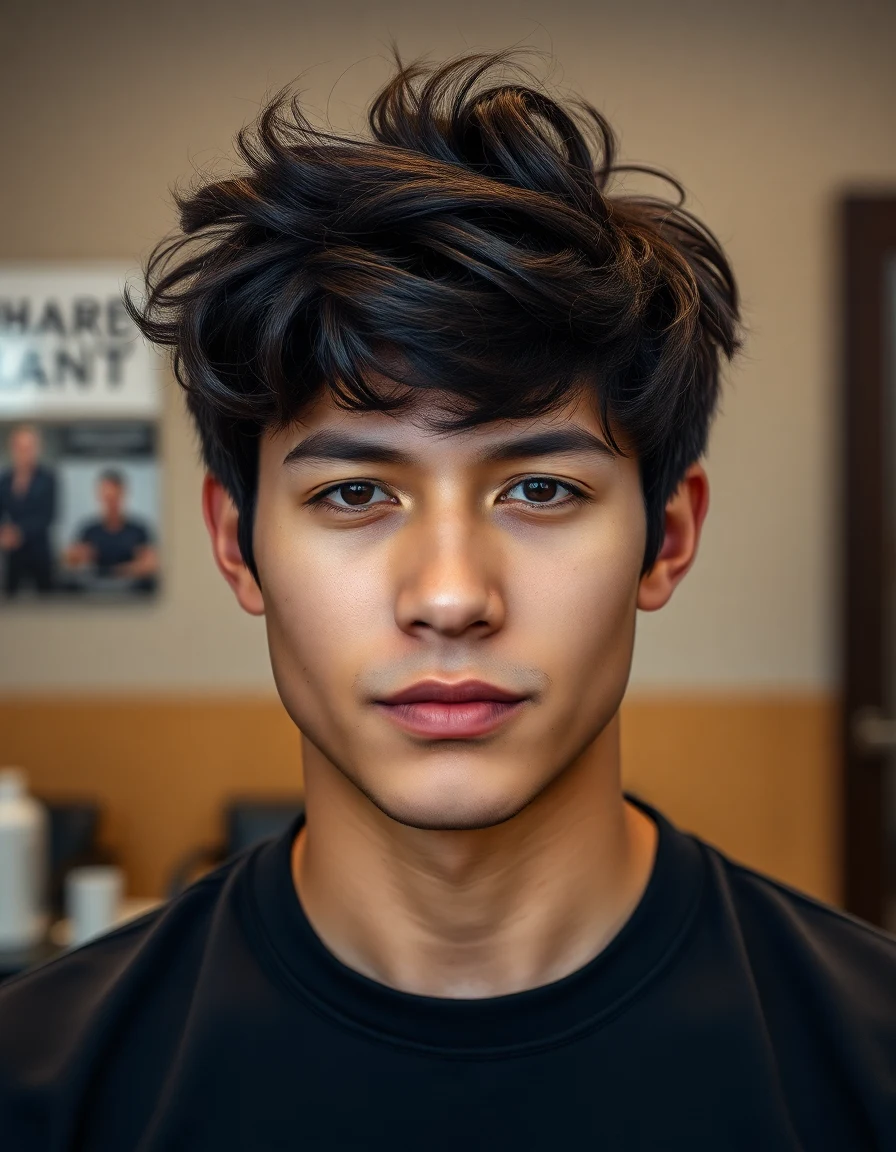
The shullet is the version of the cut that first caught the attention of barbers and style watchers. It felt fresh because it was not trying too hard. The length in the back looked natural, almost like he just let it grow while keeping the front and sides trimmed. That effortless quality is part of what made it so appealing and so copyable.
2023: The Full Mullet Takes Over
By the time Peso Pluma was headlining Coachella, topping global charts, and appearing on every major magazine cover, the mullet was in full effect. The back had grown past the collar and toward the shoulders. The layers were more defined. The top was kept textured but with enough length to style forward or to the side. The sides featured a cleaner taper, creating more contrast between the short sides and long back.
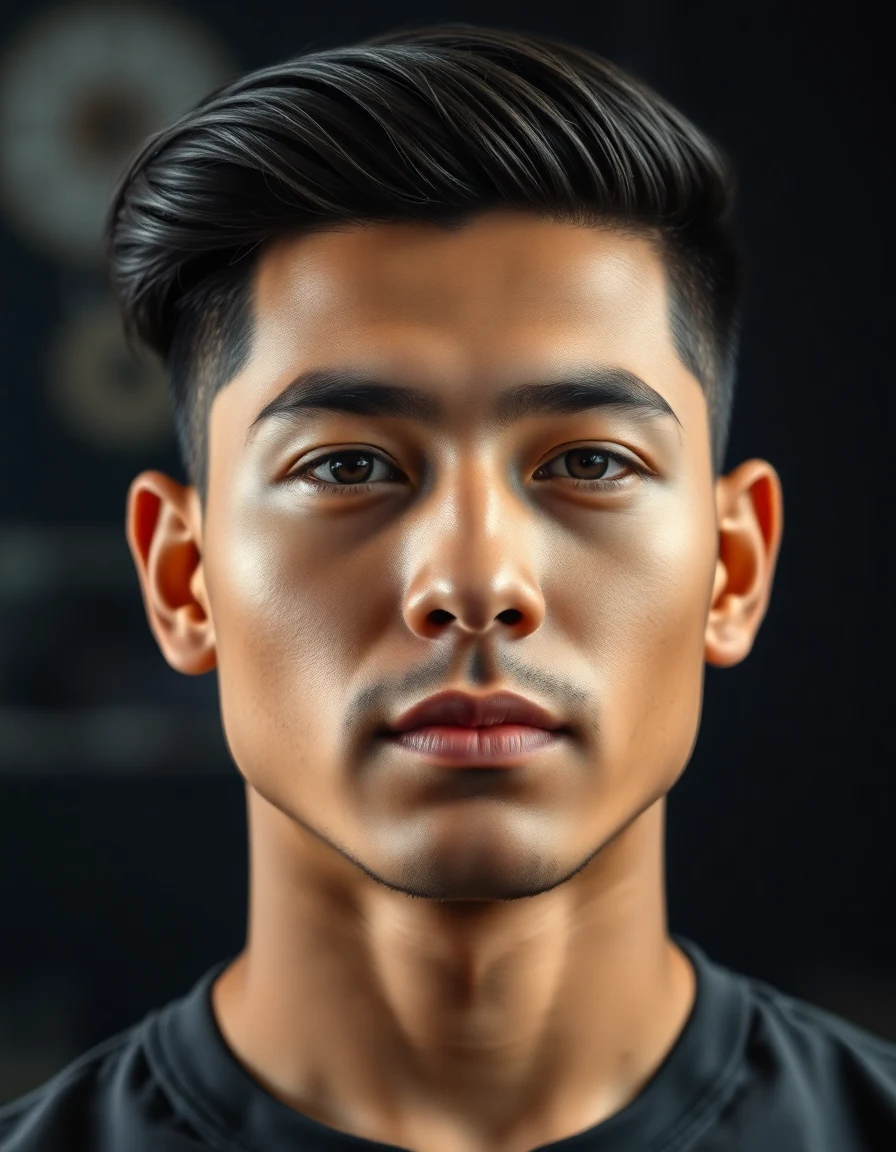
This is the version that flooded barbershops worldwide. The “Ella Baila Sola” era mullet. When people say “the Peso Pluma haircut,” this is usually what they mean: a modern, layered mullet with a clear short-to-long transition, natural flow in the back, and a confident, rock-star energy.
During his 2023 Doble P tour and subsequent festival appearances, the mullet became his visual brand. Red carpets, award shows, music videos: the hair was always front and center. Stylists began adding subtle highlights or lighter tones to the tips, adding dimension to the layers and catching stage lights beautifully.
Late 2023 to 2024: Refinement and Variations
As Peso Pluma continued to evolve as an artist, so did the hair. He began experimenting with slight variations: sometimes wearing the front with more of a curtain-bang effect, sometimes pushing it back with product for a slicker look on formal occasions. The back length stayed long, but the layering became more sculpted and intentional.
He also started playing with hair color. Subtle warm highlights and lighter tones at the tips became a recurring element, especially for photo shoots and music video shoots. This added a dimensional quality to the mullet that made it photograph differently under different lighting.
During some appearances, he wore his hair pulled partially back, showing that the mullet length was also versatile enough for half-up styles. This practical versatility is something barbers should mention to clients: the Peso Pluma cut is not a one-trick style. Mastering peso pluma haircut takes practice but delivers great results.
2025 to 2026: The Evolved Icon
By 2025 and into 2026, Peso Pluma’s hair has continued to mature alongside his career. The mullet remains his signature, but with more polish and intentionality. The taper work on the sides has become cleaner and more precise. The back retains its length but with better-defined layers that create movement and shape rather than just hanging. The overall aesthetic has shifted from “effortless rocker” to “deliberately styled icon.”
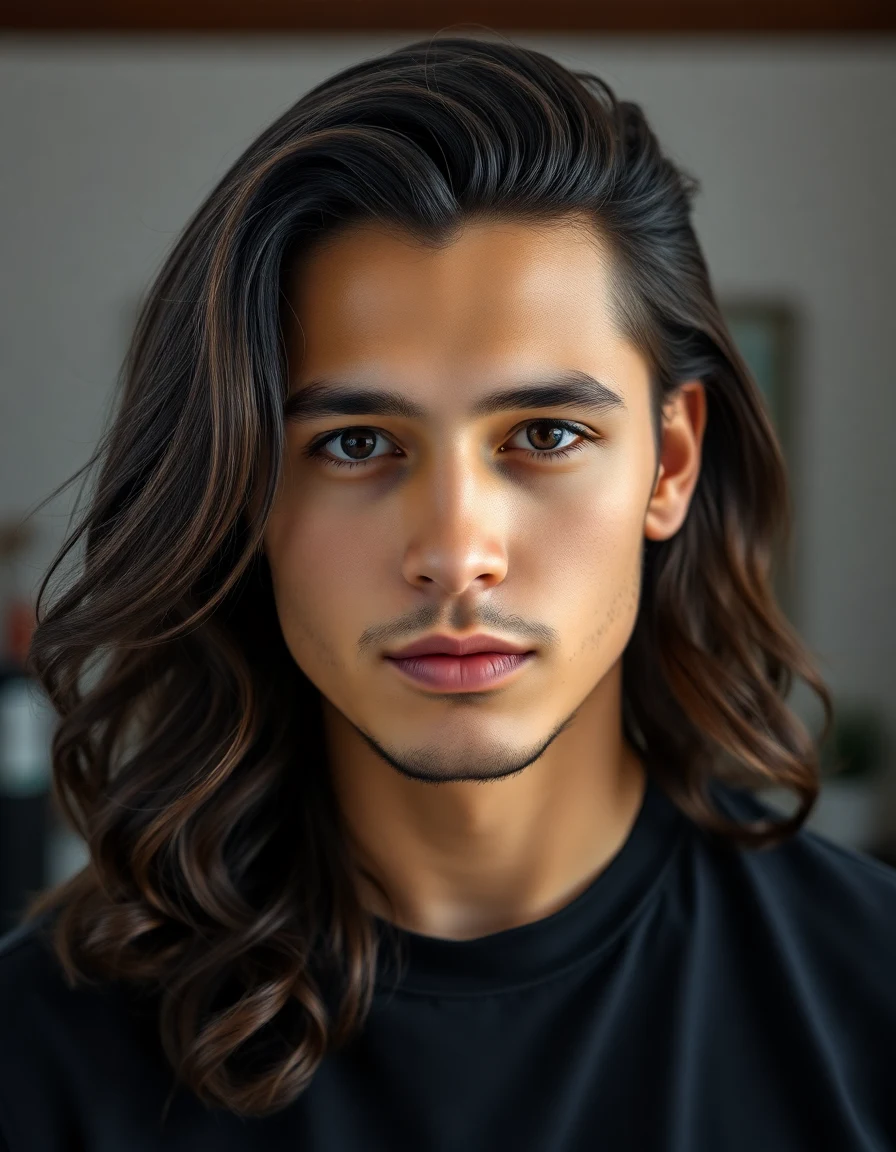
He has also influenced a broader trend. The modern mullet is now one of the most requested styles in barbershops not just in Mexico and the US, but across Latin America, Spain, and even in non-Latino markets. The style has evolved beyond any single artist, but Peso Pluma remains its most visible ambassador.
The Five Variations of the Peso Pluma Cut
Not everyone wants the exact same version, and not every hair type or lifestyle can support the full-length mullet. Here are the five main variations barbers see clients requesting, all inspired by different phases and takes on the Peso Pluma look.
| Variation | Back Length | Side Treatment | Best For | Grow Time | Maintenance |
|---|---|---|---|---|---|
| The Shullet | Collar length | Soft taper | First-timers, office-friendly | 3-5 months | Every 3-4 weeks |
| The Full Mullet | Past collar, near shoulders | Low-mid taper fade | Full commitment, stage presence | 8-12 months | Every 3-4 weeks |
| Curtain Bangs Mullet | Collar to shoulder | Taper or low fade | Oval and heart face shapes | 6-10 months | Every 3-4 weeks |
| The Fade Mullet | Collar length or longer | Mid to high skin fade | Cleaner, more urban aesthetic | 6-10 months | Every 2-3 weeks |
| The Textured Crop Mullet | Nape to collar | Mid fade | Guys who want mullet energy without full length | 4-6 months | Every 2-3 weeks |
Variation 1: The Shullet (Starter Mullet)
This is where most guys start, and it is the version closest to Peso Pluma’s late 2022 look. The back is grown to collar length, the top has shaggy layers with texture, and the sides get a soft taper rather than a hard fade. It reads as “intentionally messy” rather than “full mullet,” which makes it more approachable for guys who are not ready to go all-in or who work in environments where a dramatic mullet might raise eyebrows.
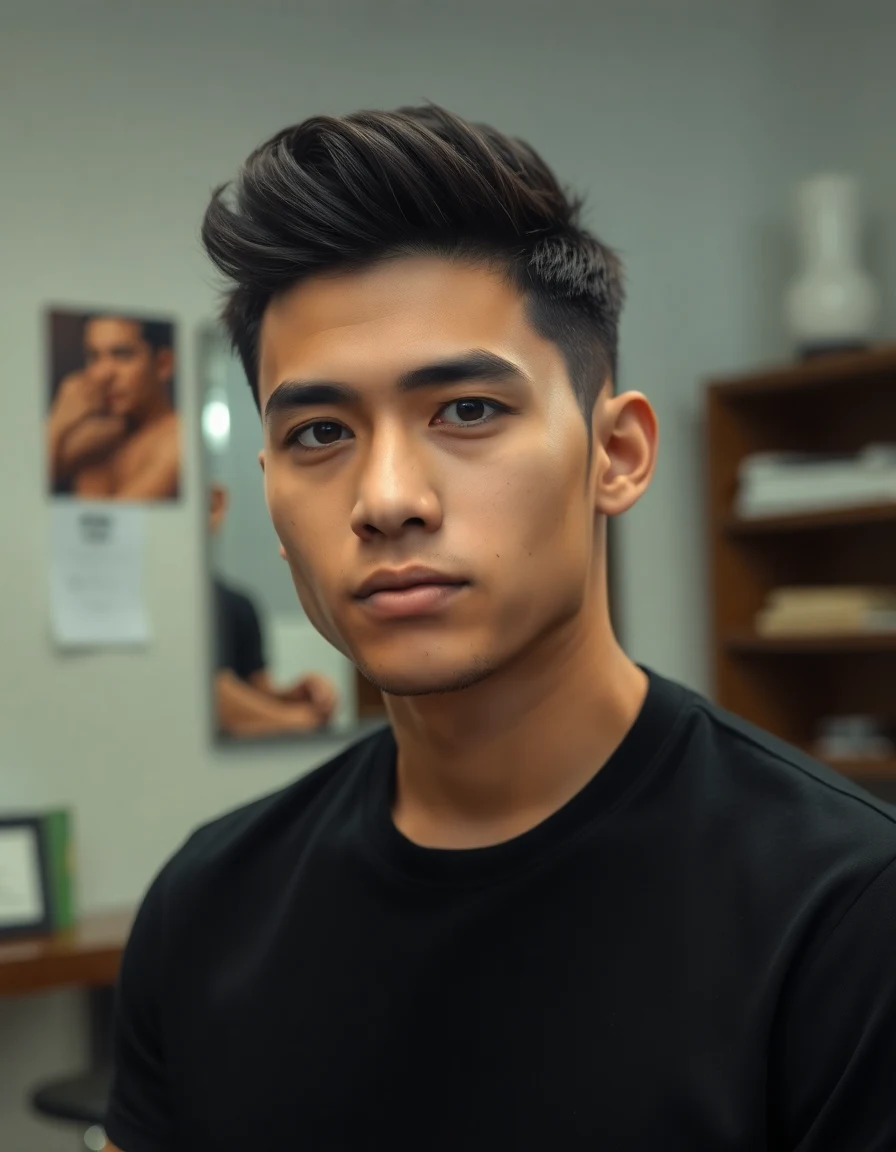
The shullet is also the easiest to reverse if you decide the mullet life is not for you. One trim at the back and you are back to a standard layered cut. Low risk, high reward.
Variation 2: The Full Mullet
This is the Peso Pluma at Coachella version. Back length past the collar, approaching the shoulders. Clear contrast between the textured, shorter top and the long, flowing back. Sides tapered with a low to mid fade for clean definition. This is the version that gets heads turning and the one that requires the most commitment to grow and maintain.
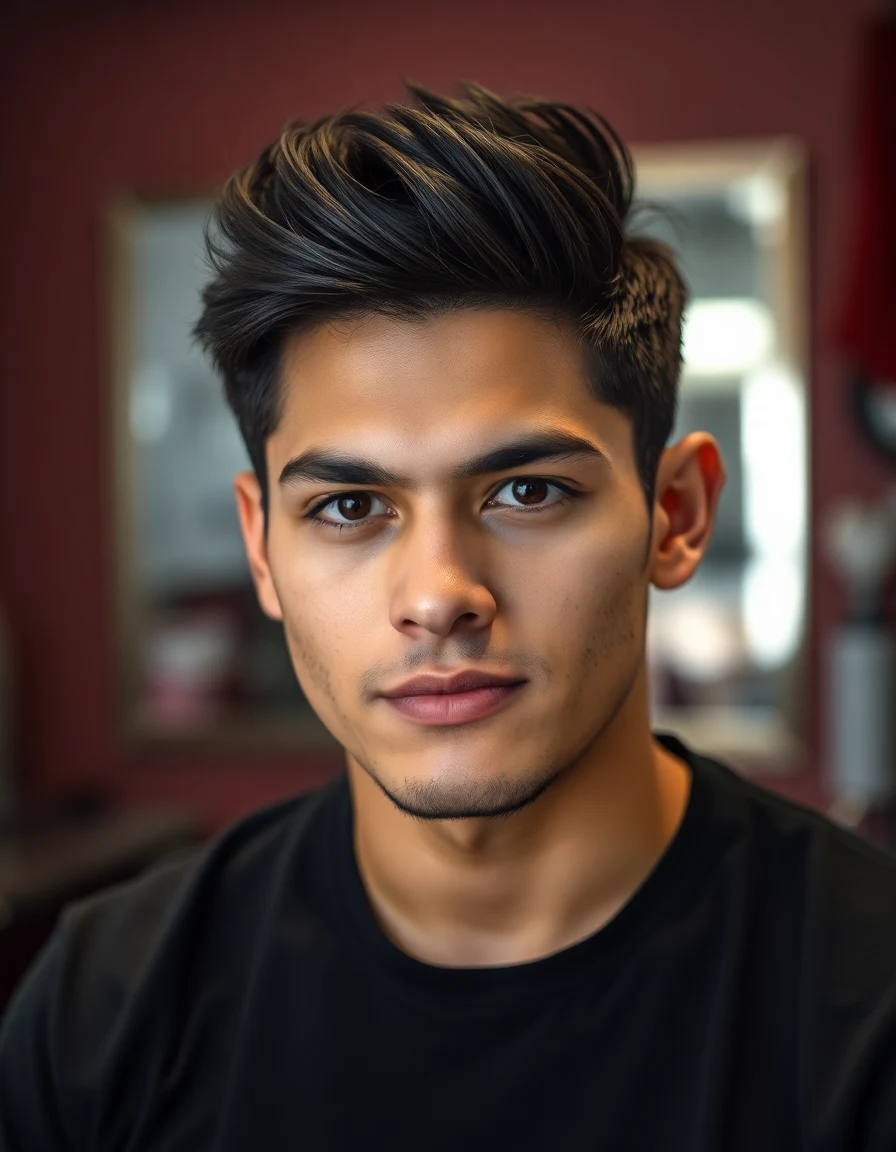
If you are growing from a short cut, budget 8 to 12 months of patience. The back needs to reach a length where it flows naturally rather than sticking out at awkward angles. During the growth phase, visit your barber every 3 to 4 weeks to keep the top and sides shaped while letting the back grow freely.
Variation 3: The Curtain Bangs Mullet
This variation adds face-framing curtain bangs to the front of the mullet. Instead of a textured crop or side-swept fringe on top, the front hair is grown longer and parted down the middle, falling to either side of the face. The back maintains the standard mullet length. Peso Pluma has been seen with this variation during some of his more polished appearances, and it adds a softer, almost romantic quality to the overall look.
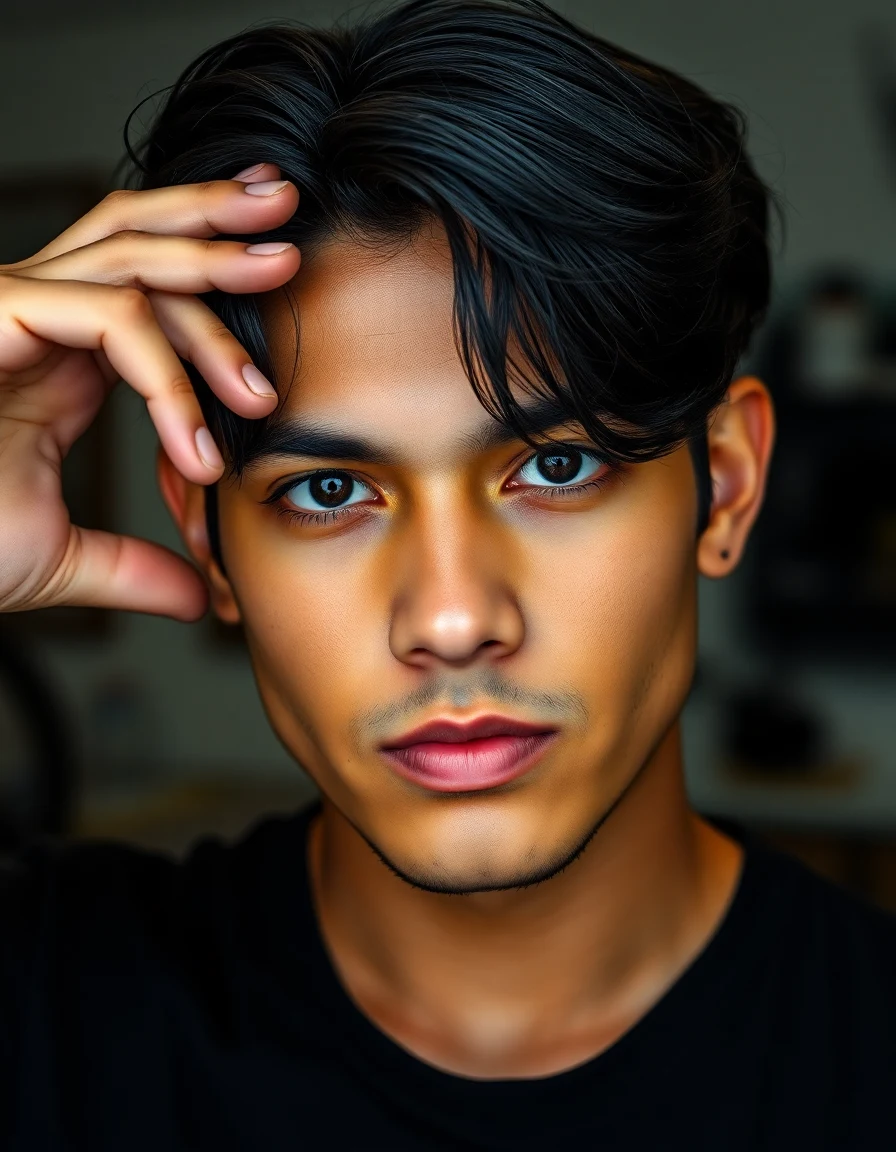
Curtain bangs work particularly well on oval and heart-shaped faces because they add width at the cheekbone level and soften angular features. They also provide styling versatility: you can push them back with product for a different look or let them fall naturally for everyday wear.
Variation 4: The Fade Mullet
This combines the mullet back with a sharper, more defined skin fade on the sides. The contrast is more dramatic: skin or near-skin at the temples blending up into the longer top and then transitioning to the long back. This version leans more urban and less rocker, and it is popular among guys who already rock fades and want to incorporate the mullet trend without losing that clean, sharp side profile.
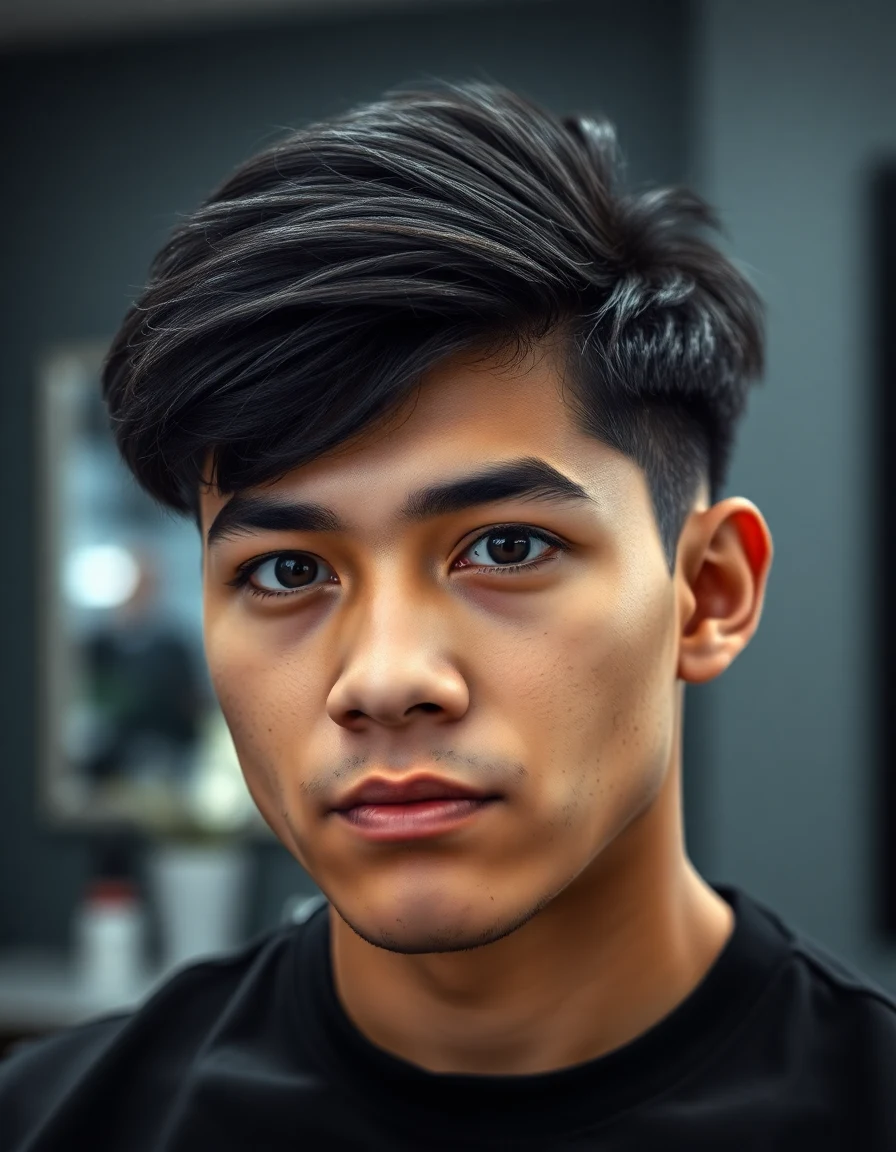
The fade mullet requires more frequent barber visits (every 2 to 3 weeks) because fades grow out fast and lose their crispness. But the visual impact is strong. Check out our guide to types of fades to decide what level of fade works for your face shape.
Variation 5: The Textured Crop Mullet
This is the most conservative version. The top is a standard textured crop (short, choppy, forward-styled), the sides get a mid fade, and the back is grown out to just the nape or collar length. It hints at the mullet without fully committing. This version is popular among younger guys who want to reference the Peso Pluma aesthetic without the full length, and it works well in school or workplace environments where longer hair might be an issue.
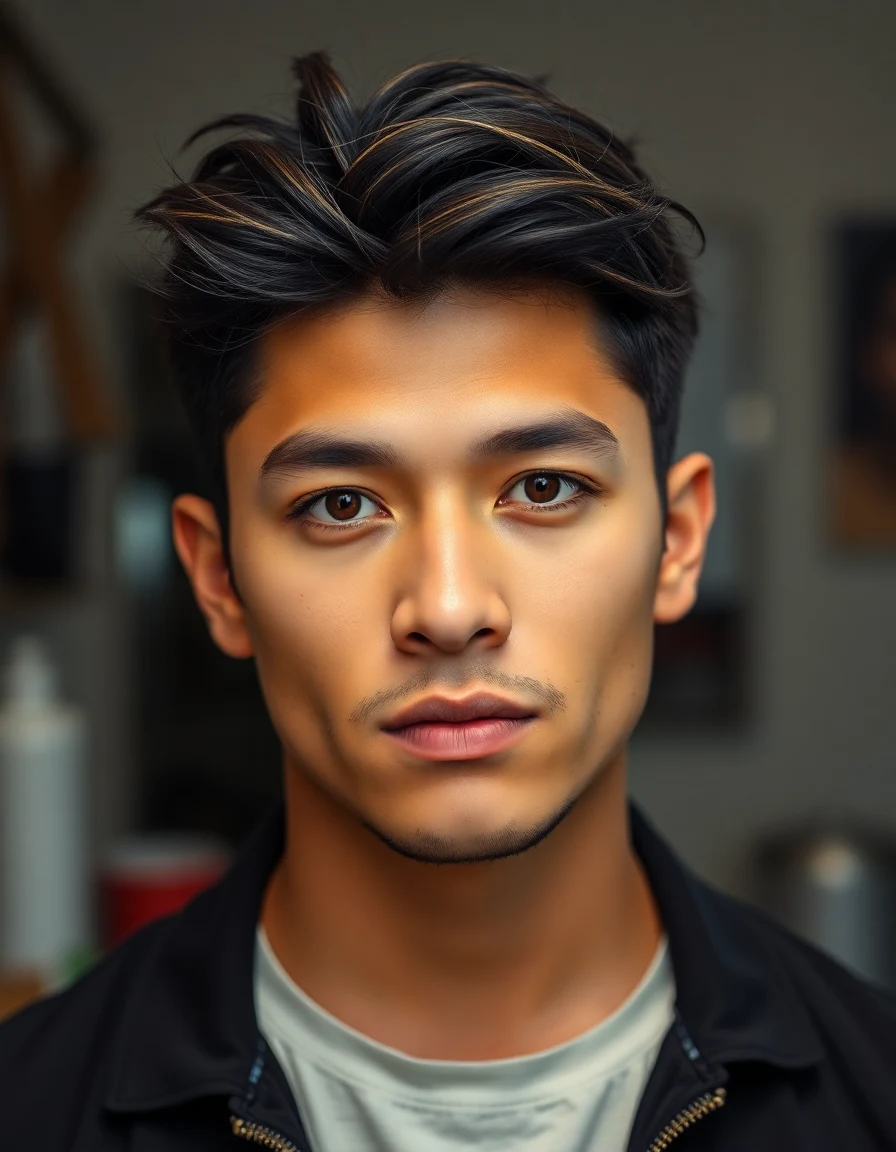
How to Get the Peso Pluma Haircut
This is the section you came here for. Here is exactly what to tell your barber, step by step, to walk out with the Peso Pluma cut. I have broken it down for both the shullet starter version and the full mullet.
Step 1: Bring a Reference Photo
This is non-negotiable. No matter how well I describe this cut in words, a reference photo communicates more in two seconds than any verbal explanation. Save 2 to 3 photos of Peso Pluma’s hair from different angles (front, side, back) and show them to your barber before they pick up the clippers. If you want a specific variation, find photos that match that version.
I cannot stress this enough. Barbers interpret “modern mullet” differently depending on their training and experience. A photo eliminates ambiguity. Your barber should be able to look at the photo and immediately understand the layering, length ratios, and fade level you want.
Step 2: The Barber Script (English)
Here is exactly what to say:
“I want a modern mullet, like Peso Pluma’s style. Keep the top about 3 to 4 inches with textured layers. I want a low taper fade on the sides, blending into the length in the back. Leave the back as long as possible [or specify collar length, shoulder length, etc.]. I want layers throughout the back so it flows and has movement, not just one heavy length. The front I want [textured and forward / side-swept / curtain bangs]. Clean up the neckline but keep the length.”
Key details to specify:
- Top length: 3 to 4 inches for the classic look. Shorter (2 inches) for the textured crop mullet version.
- Side fade level: Low taper for the classic Peso Pluma look. Mid fade or skin fade for the sharper variation.
- Back length: Specify exactly where you want it: nape, collar, or shoulders.
- Layering: Ask for layers in the back, not a blunt cut. Layers create movement and prevent the back from looking like a heavy curtain.
- Front style: Forward fringe, side-swept, or curtain bangs. Choose based on your face shape.
Step 3: The Barber Script (Spanish)
For the barberia:
“Quiero un mullet moderno, estilo Peso Pluma. Arriba dejame como 3 a 4 pulgadas con capas y textura. A los lados un degradado bajo que se mezcle con el largo de atras. Atras dejamelo lo mas largo posible [o especifica: al cuello, a los hombros]. Quiero capas atras para que tenga movimiento, no todo parejo. Enfrente lo quiero [con textura hacia adelante / de lado / con cortina]. Limpiame la nuca pero sin cortar el largo.”
Quick reference phrases for the barber chair:
- “Mullet moderno” = modern mullet
- “Capas” = layers
- “Degradado bajo” = low fade
- “Degradado medio” = mid fade
- “Dejame el largo atras” = keep the length in the back
- “Con textura” = with texture
- “Cortina” = curtain (for curtain bangs)
- “Al cuello” = to the collar
- “A los hombros” = to the shoulders
Step 4: The Growing Phase
If you currently have short hair, you will not walk out of the barbershop with a Peso Pluma mullet on day one. This cut requires a growth strategy. Here is the plan:
Months 1 to 2: Stop cutting the back entirely. Continue trimming the top and sides every 3 to 4 weeks to maintain shape. This is when the back starts growing out from a standard cut. It will look slightly uneven. That is normal. Understanding peso pluma haircut is key to a great grooming routine.
Months 3 to 4: The awkward phase. The back is not quite long enough to flow but long enough to stick out or flip at the ends. Resist the urge to cut it. Use a leave-in conditioner or light styling cream to train it downward. A hat is your friend during this period. No shame in it.
Months 5 to 6: You should now have enough back length for a shullet. Visit your barber for a shaping session: clean up the layers, refine the taper on the sides, and start creating the intentional mullet silhouette rather than a “growing it out” look.
Months 7 to 12: Full mullet territory. Continue growing the back while maintaining the top and sides with regular trims. By month 10 to 12, you should have the full Peso Pluma silhouette with back length past the collar.
Best Products for the Peso Pluma Style
The modern mullet is not a wash-and-go situation for most hair types. You need products that add texture to the top, control the back without making it stiff, and keep the overall look matte and natural rather than shiny and gelled. Here is what works.
For the Top: Texture and Hold
The top of the Peso Pluma cut needs a product that creates separation, texture, and light hold without looking wet or crunchy. Matte-finish clays and pastes are your best friends here.
- Pacinos Matte Paste: Medium hold, matte finish. Works perfectly for the textured, messy top. Rework it throughout the day without buildup. This is my top recommendation for this style.
- Baxter of California Clay Pomade: Slightly stronger hold with a natural finish. Good for thicker hair that needs more control on top.
- Sea Salt Texturizing Spray: Apply to damp hair before blow-drying for natural, beachy texture. This gives the top that “I woke up like this” look that is central to the Peso Pluma aesthetic.
For the Back: Flow and Condition
The back of the mullet needs to look healthy, have movement, and not frizz out or tangle. This means conditioning is as important as styling.
- Leave-in conditioner: Apply to the back length after every wash. This keeps the hair soft, reduces frizz, and prevents the dry, straw-like texture that makes a mullet look neglected instead of styled.
- Lightweight hair oil (argan or jojoba): A few drops on the ends of the back length add shine without greasiness. Focus on the last 2 to 3 inches where the hair is oldest and driest.
- Wide-tooth comb: Detangle the back with a wide-tooth comb, never a fine comb or brush that will create frizz and break the hair.
For the Sides: Clean and Sharp
If your version includes a fade, the sides are about maintenance between barber visits more than daily styling. But a few products help.
- Suavecito Firme Hold Pomade: If you need to slick down any transition areas between the fade and the longer top, Suavecito is the standard in Latino barbershops for a reason. Strong hold, water-soluble, washes out clean. Check out our review of the best pomade for Hispanic hair for more options.
- Reuzel Blue Strong Hold: For formal occasions when you want the top slicked back and the sides absolutely flat. High shine, all-day hold.
The Daily Styling Routine
- Wash: Shampoo 2 to 3 times per week (not daily; daily shampooing strips the natural oils the back length needs). Condition every time you wash.
- Towel dry: Gently squeeze moisture out. Do not rub aggressively, especially on the longer back section.
- Apply leave-in conditioner: Work it through the back length from mid-shaft to ends.
- Apply texturizing product to top: Rub matte paste or clay between palms, work through the top section, and style with fingers for a messy, textured look.
- Optional blow-dry: For more volume on top, blow-dry with a round brush directing hair upward and forward. Let the back air-dry for a more natural flow.
- Finish: A light mist of sea salt spray if you want extra texture. A drop of hair oil on the back ends if they feel dry.
Why This Cut Works for Latino Hair
There is a reason the Peso Pluma mullet looks so good on so many Latino men, and it comes down to hair texture. Most of us have thick, dense hair with strong natural body. That thickness is exactly what the modern mullet needs to work.
The Thickness Advantage
Thick hair holds the layered, textured top without going flat. It creates natural volume in the back without needing extensions or volumizing products. And the density means the transition from short sides to long back looks full and deliberate rather than thin and wispy. If you have read our Hispanic men hairstyles guide, you know that thickness is the number one asset in Latino hair, and the mullet takes full advantage of it.
Natural Texture Works in Your Favor
Whether your hair is straight, wavy, or slightly curly, the mullet benefits from natural texture. Straight hair creates a sleek, flowing back. Wavy hair adds movement and body that makes the layers pop. Even curly hair works; it just creates a different silhouette that is equally valid. Peso Pluma himself has a slight natural wave that gives his mullet that lived-in, effortless quality.
Growth Patterns
Latino hair tends to grow fast, which is both an advantage and a consideration. The advantage is that you will reach mullet length faster than guys with slower-growing hair. The consideration is that the top and sides also grow fast, meaning you need regular maintenance trims to keep the mullet shape intentional. Budget for barber visits every 3 to 4 weeks. For more on how different Mexican men hairstyles work with our hair type, check out our dedicated guide.
Face Shape Guide: Will It Work on You?
The mullet is more versatile than people think, but some face shapes benefit from specific adjustments.
| Face Shape | Verdict | Best Variation | Adjustments |
|---|---|---|---|
| Oval | Excellent | Any variation | None needed. Oval faces can pull off every version. |
| Square | Great | Full mullet or curtain bangs | The length in the back softens angular jawlines. Avoid very high fades that emphasize squareness. |
| Round | Good with adjustments | Fade mullet or textured crop mullet | Add height on top to elongate. A higher fade creates vertical emphasis. Avoid heavy curtain bangs that add width. |
| Heart | Great | Curtain bangs mullet | Curtain bangs balance a wider forehead. The flowing back adds volume below the jawline for proportion. |
| Oblong | Good with adjustments | Shullet or textured crop mullet | Avoid too much height on top. Keep the top flatter and the sides slightly fuller to add width. |
| Diamond | Excellent | Full mullet or curtain bangs | The length complements cheekbone prominence. Curtain bangs frame the face well. |
Common Mistakes to Avoid
I see these errors constantly. If you are investing months of growth into a mullet, do not undercut yourself with these rookie mistakes.
1. Skipping Maintenance Trims
The biggest mistake guys make is thinking “growing a mullet” means not getting haircuts. Wrong. You need to keep cutting the top and sides regularly while growing the back. Without maintenance, you do not get a mullet. You get a shapeless mess that looks like you lost a bet. The mullet’s power is in the contrast between short and long. Maintenance trims preserve that contrast.
2. Neglecting the Back Length
The back of your mullet is the longest hair on your head, and long hair needs care. If you are used to short hair where you shampoo and go, you need to adjust. Without conditioner, the back will get dry, frizzy, and tangled. Without occasional detangling, it will mat. Treat the back like someone growing out their hair for the first time, because that is exactly what you are doing.
3. Using the Wrong Products
Heavy gels and high-shine pomades kill the mullet aesthetic. The Peso Pluma look is matte, textured, and natural-looking. If your hair looks wet, stiff, or crunchy, you are using the wrong product. Stick to matte clays, pastes, and sea salt sprays. Save the Suavecito for the sides or for formal occasions when you want to slick the top back.
4. Going Too Short on the Sides Too Soon
A skin fade on the sides with a short back creates a disconnected look that reads more “accident” than “intention” during the early growth phase. Start with a soft taper and only move to a sharper fade once the back has enough length to create a deliberate contrast. The fade mullet variation looks incredible, but only when the back is long enough to justify the drama on the sides.
5. Ignoring Your Hair Texture
Straight, wavy, and curly hair all produce different mullet silhouettes. If your hair is very curly, the back will be shorter than it appears when stretched. Account for this when deciding on target length. If your hair is very straight, the back may need more layers to avoid looking flat and lifeless. Tell your barber about your natural texture so they can layer accordingly.
6. Not Committing to the Awkward Phase
Every mullet goes through an ugly duckling stage around months 2 to 4 when the back is too long to look like a short cut but too short to flow. Most guys quit during this phase. Push through. Use hats, beanies, or bandanas. Style the front and sides extra clean to compensate. The other side of the awkward phase is the mullet you actually want.
The Cultural Significance of the Peso Pluma Mullet
I want to take a moment to talk about why this cut matters beyond aesthetics, because that is the kind of thing we cover in depth here at CulturedGrooming.
Peso Pluma’s mullet is not just a hairstyle. It is a cultural statement tied to a specific moment in Latin American music history. Corridos tumbados brought regional Mexican music to the global mainstream for the first time. And Peso Pluma, with his Jalisco roots, his mullet, his boots, and his unapologetic Mexican identity, became the face of that movement.
For young Latino men, particularly Mexican and Mexican-American men, choosing the Peso Pluma haircut is a way of participating in that cultural moment. It says: I listen to corridos tumbados. I am proud of my Mexican roots. I identify with this movement. In the same way that the Edgar haircut became a marker of takuache culture, the mullet became a marker of the corridos tumbados generation.
This is what makes Latino barbershop culture so fascinating. Haircuts are never just haircuts. They are cultural flags. They tell people who you are, what community you belong to, and what values you carry. The barber is not just a service provider. The barber is a cultural intermediary who translates identity into style. If you are new to this idea, our guide to Latino men haircuts explores this connection in depth. When it comes to peso pluma haircut, technique matters most.
It is also worth noting that the mullet itself has a long history in Latin America that predates Peso Pluma. In countries like Colombia, Chile, and Argentina, variations of the mullet have been popular among rock, punk, and working-class communities for decades. Peso Pluma did not create the Latino mullet from scratch. He amplified an existing cultural thread and connected it to a new musical movement. That is what the best style icons do: they do not invent from nothing. They crystallize something that was already in the air.
Peso Pluma vs. Other Celebrity Mullets
The modern mullet revival is not just a Latino phenomenon. Here is how the Peso Pluma cut compares to other notable celebrity mullets making waves in 2026.
| Celebrity | Style | Key Differences | Cultural Context |
|---|---|---|---|
| Peso Pluma | Modern layered mullet | Natural texture, matte finish, tapered sides | Corridos tumbados, Mexican identity |
| BTS/K-pop artists | Fashion mullet | More styled, often dyed, curtain-front heavy | K-pop, high fashion |
| Miley Cyrus | Punk/rock mullet | Platinum blonde, choppy, more aggressive | Rock revival, punk feminism |
| Australian surfers | Beach mullet | Sun-bleached, longer on top, less tapered | Surf culture, outback casual |
| European footballers | Sport mullet | Sharper fades, more sculpted, geometric | Athletic, streetwear |
What sets the Peso Pluma mullet apart is its naturalism. It does not look overly styled or salon-produced. It looks like the hair of a young man from Jalisco who happens to have incredible taste. That approachability is a huge part of its appeal. You do not need a personal stylist or a four-step blowout routine. You need a good barber, decent products, and the patience to grow it out. For guys interested in other culturally-rooted styles, check out our guide to Puerto Rican men hairstyles, which covers different Caribbean approaches to similar fade-and-length combinations.
How to Style the Peso Pluma for Different Occasions
One of the underrated benefits of the modern mullet is its versatility. Here is how to adapt the same cut for different settings.
Casual / Everyday
This is the default Peso Pluma look. Textured top styled with fingers and matte paste, back hanging naturally, sides clean from your last barber visit. Minimal effort, maximum impact. Air-dry the back, work some product into the top, and go.
Night Out / Club
Add a little more intention. Blow-dry the top for extra volume. Use a slightly stronger hold product like Layrite Superhold to keep the top in place through the night. You can also slick the top back for a different silhouette that shows off the face and emphasizes the long back. A bit of hair oil on the back adds a subtle, healthy shine under club lighting.
Formal / Wedding / Event
The mullet can dress up better than most people expect. Slick the top back with a high-hold pomade (water-based so it washes out), clean up the side taper with a lineup, and let the back flow naturally. Pair it with a well-fitted suit and you have a look that is both culturally authentic and event-appropriate. Peso Pluma himself has worn this version to award shows.
Work / Office
If your workplace is conservative, the shullet variation is your best bet. The back is not long enough to draw attention, the top is textured but neat, and the overall look reads “stylish professional” rather than “rock concert.” Alternatively, tie the back into a small low ponytail or half-up style to minimize the mullet effect during work hours.
Finding the Right Barber
Not every barber can execute a proper modern mullet. Here is how to find the right one.
- Check their Instagram or portfolio. Look for photos of mullets, shullets, or any style that shows they can handle both short precision work (fades) and longer layered cutting. If their entire portfolio is skin fades and Edgars, they may not have the scissor skills for the back of a mullet.
- Ask if they do layered cuts. The mullet requires layering in the back, which is a different skill set than clipper fading. A barber who is primarily a “clipper barber” might struggle with the scissor work needed for proper mullet layers.
- Consider a stylist. Controversial take, but some of the best mullet cuts come from hairstylists (male or female) rather than traditional barbers. Stylists often have more training in layered, longer cuts while still being able to handle the fade on the sides. A barber-stylist hybrid is ideal.
- Find a barber who works with Latino hair. Thick, dense hair requires specific cutting techniques. A barber experienced with Latino hair will know how to thin out the layers without creating bulk, how to handle cowlicks, and how to work with the natural growth patterns that come with our hair type. Our best clippers for Latino hair guide covers the tool side of this equation.
Pairing the Cut with Facial Hair
The Peso Pluma mullet pairs differently with different facial hair styles. Peso Pluma himself has mostly been clean-shaven or with very light stubble, which keeps the focus on the hair. But here are your options.
- Clean-shaven: The classic pairing. All attention goes to the hair. Best for younger guys and those with patchy beard growth.
- Stubble (3 to 5 day growth): Adds maturity and edge to the look without competing with the mullet. This is the most versatile pairing.
- Short goatee or mustache: A short, well-trimmed mustache or goatee works well and references classic Mexican masculinity. Think of the bigote (mustache) tradition in Mexican culture.
- Full beard: This can work but requires careful balancing. A full beard with a full mullet is a lot of hair, so keep the beard very well-groomed. A shorter, trimmed beard is better than a long bushy one. Check out our Latino beard styles guide for more pairing ideas.
The Cost Breakdown
Let me be real about what this hairstyle costs to maintain, because nobody talks about the financial commitment of longer hair.
| Expense | Frequency | Estimated Cost | Monthly Total |
|---|---|---|---|
| Maintenance trim (top + sides) | Every 3-4 weeks | $30-$50 | $30-$50 |
| Full shaping session (layers, back) | Every 6-8 weeks | $40-$65 | $20-$35 |
| Styling products | Monthly replenishment | $15-$30 | $15-$30 |
| Conditioner / leave-in | Monthly | $10-$20 | $10-$20 |
| Total Monthly | $75-$135 |
That is more than a standard short haircut, but not dramatically so. The biggest added costs are conditioner (which you did not need with short hair) and slightly higher barber fees for the layered cutting work. If you are already getting fades every 2 to 3 weeks, the barber cost may actually stay similar or go slightly up.
Frequently Asked Questions
What is the Peso Pluma haircut called?
Peso Pluma’s signature haircut is a modern mullet, sometimes called a shullet (a shag-mullet hybrid). It features a shorter, textured, layered top with tapered or faded sides and significantly longer hair in the back. The style has also been referred to as the “corridos tumbados mullet” because of its deep association with the regional Mexican music genre.
How do I ask my barber for the Peso Pluma haircut?
Ask for a modern mullet with textured layers on top, a low taper or mid fade on the sides, and length kept in the back past the collar. In Spanish, say “un mullet moderno con capas en la parte de arriba, degradado bajo a los lados, y largo atras.” Bring a reference photo for best results.
Does the Peso Pluma haircut work with curly hair?
Yes. Curly and wavy hair actually adds natural volume and texture that enhances the mullet silhouette. The key is having your barber adjust the layering to work with your curl pattern rather than fighting it. Wavy hair in particular creates a natural flow in the back that looks great with this cut.
How long does it take to grow out the Peso Pluma mullet?
Starting from a standard short haircut, expect 4 to 6 months to reach a basic shullet length, and 8 to 12 months for the full mullet with back length past the collar. The awkward phase hits around months 2 to 4 when the back is not quite long enough to flow. Regular trims on the top and sides during growth keep the shape intentional.
How much does the Peso Pluma haircut cost at a barbershop?
A standard mullet cut with fade work runs between $30 and $60 at most barbershops, depending on your city and the barber’s skill level. In major cities like LA, Houston, or Miami, expect the higher end. Maintenance visits every 3 to 4 weeks (trimming the top and sides while growing the back) typically cost $25 to $40.
Is the mullet still in style in 2026?
The modern mullet is one of the biggest men’s hair trends globally in 2026. It has crossed over from Latin American music culture into mainstream fashion, K-pop, European football, and streetwear. The style continues to evolve with new variations like the fade mullet, curtain bangs mullet, and textured shullet.
Final Thoughts
The Peso Pluma haircut is more than a trend. It is a cultural statement backed by one of the most significant musical movements in Latin American history. Whether you go for the starter shullet or the full Coachella-stage mullet, this cut connects you to a moment in time when regional Mexican music went global and a kid from Zapopan changed what it means to look fresh.
The practical reality is straightforward: the cut works with thick Latino hair, requires patience to grow out, needs regular maintenance to look intentional, and benefits from the right products. Follow the barber scripts above, invest in the growth process, and you will have a style that turns heads and carries cultural weight.
For more inspiration on styles that work with our hair type, explore our full guide to Latino men haircuts or dive into the specific cut guides linked throughout this article. And if you are just starting your mullet journey, bookmark this page. You will want to reference the growth timeline and product recommendations as you go.
Buena suerte, compa. The mullet awaits.
Further reading: For research-backed grooming advice, see Healthline Men’s Health.
Frequently Asked Questions
What is the Peso Pluma haircut and how is it different from a regular mullet?
The Peso Pluma haircut is a modern mullet, also called a shullet, that combines a textured, layered top with tapered or faded sides and significantly longer hair in the back. It differs from traditional mullets by featuring more refined layers on top and a sleeker fade, making it a contemporary take on the classic style popularized by the regional Mexican music scene.
How do I ask my barber for the Peso Pluma haircut?
Request a modern mullet with textured layers on top, a low taper or mid fade on the sides, and length kept in the back past the collar. For best results, bring a reference photo and consider asking in Spanish: ‘un mullet moderno con capas en la parte de arriba, degradado bajo a los lados, y largo atras.’
What products should I use to style the Peso Pluma haircut?
You’ll want a strong-hold pomade like Suavecito Firme Hold or Reuzel Blue to keep the textured layers in place on top while maintaining definition. A sea salt texturizing spray can also add grip and volume to the layered sections without making the style look too slicked or heavy.
Is the Peso Pluma haircut suitable for all hair types?
The shullet style works best with straight to wavy hair, though it can be adapted for curly or coily textures with the right technique and products. If you have thicker or curlier hair, work with a barber experienced in Latino grooming to ensure the layers are cut properly for your hair type.