Last updated: February 2026 by Avi Feldman, Grooming Columnist
Growing up in an Ashkenazi household in Brooklyn, my exposure to Sephardic beard traditions was limited to the Yemenite family down the block whose patriarch had the most magnificent beard I had ever seen: perfectly maintained, glistening with oil, and reaching well below his collarbone. When I asked my father why our beards looked different from theirs, he gave me the classic Ashkenazi answer: “Different minhag.” It was not until I moved to Chicago and began working alongside Sephardic, Mizrachi, and Yemenite colleagues that I truly understood how much the beard means across these communities, and how their approach to grooming differs from what I grew up with.
This guide explores the Sephardic world’s relationship with the beard: the halachic foundations, the kabbalistic dimensions, the community-specific variations, and the practical grooming approaches that distinguish Sephardic practice from Ashkenazi tradition. Whether you are Sephardic yourself, married into a Sephardic family, or simply curious about the diversity within Jewish beard culture, this is for you. For expert guidance on this topic, consult Chabad’s overview of Jewish grooming laws and traditions.
Religious Note: Jewish grooming law (halacha) varies by community, tradition, and scholarly opinion. Always consult with your rabbi or posek (halachic authority) to confirm that any grooming practices described here are appropriate for your level of observance and family tradition.
The Halachic Foundation: Shulchan Aruch vs. Rema
The fundamental divide between Sephardic and Ashkenazi grooming starts with the primary halachic authorities each community follows.
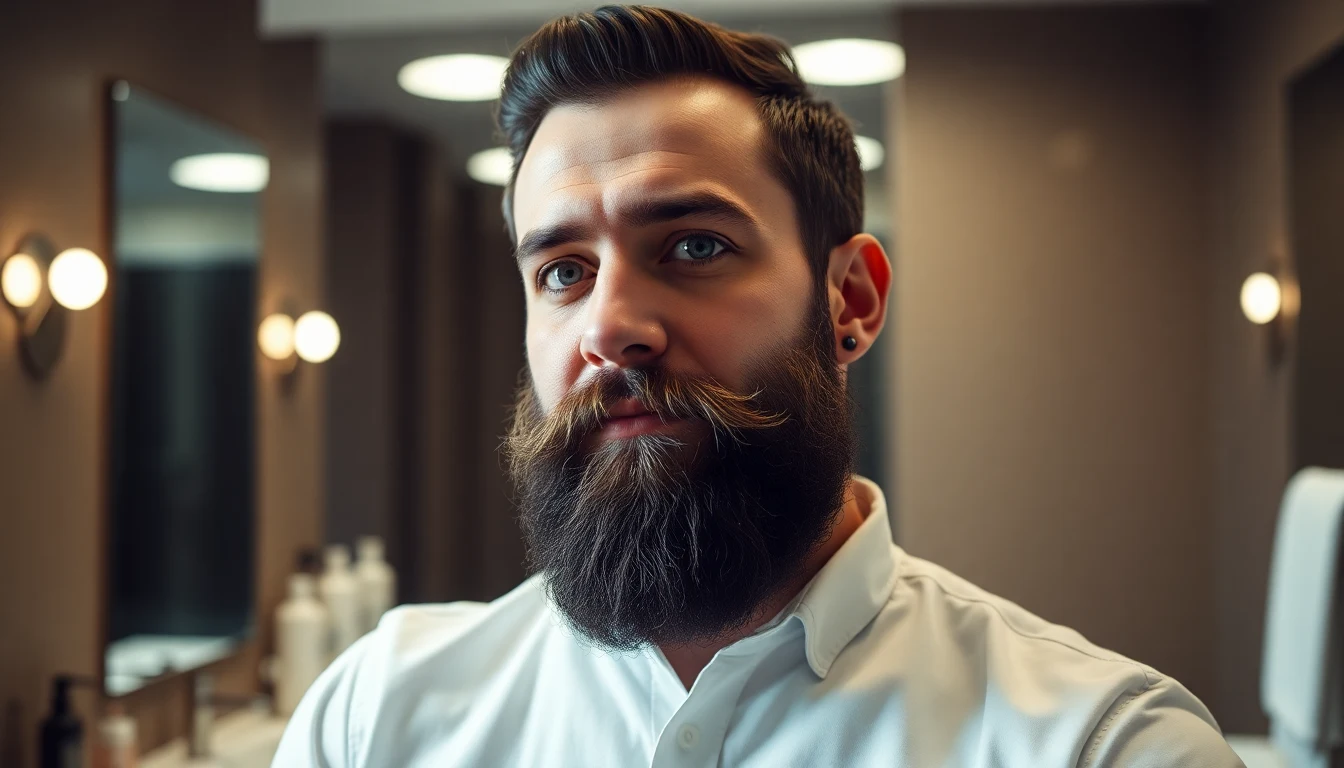
The Shulchan Aruch, authored by Rabbi Yosef Karo (a Sephardic authority based in Tzfat, Israel), is the primary halachic code for Sephardic Jews. The Rema (Rabbi Moshe Isserles), an Ashkenazi authority from Krakow, Poland, added glosses to the Shulchan Aruch representing Ashkenazi custom and practice. These two authorities sometimes reach different conclusions on grooming questions, and these differences ripple through their respective communities to this day.
The Five Corners
The Torah (Vayikra/Leviticus 19:27) prohibits destroying the “corners” (pe’os) of the beard. Both Sephardic and Ashkenazi authorities agree on this foundational prohibition, but they differ in identifying the exact “corners” and in what constitutes “destruction.”
The Shulchan Aruch identifies five specific areas of the beard that constitute the “corners”: two on each side of the face (upper and lower jaw) and one on the chin. Destruction of these areas specifically with a razor (a blade that cuts at skin level) is the Torah prohibition. Using scissors, which leave a slight stubble, is universally permitted because scissors do not “destroy” at skin level.
Electric Shavers: The Key Difference
This is where the practical divergence is most visible. Many Ashkenazi poskim permit certain electric shavers (particularly those that operate by a “lift-and-cut” mechanism simulating scissors rather than a razor action). This has led to widespread electric shaver use among Modern Orthodox Ashkenazi men. Our lift-and-cut mechanism guide explains the technology.
Many Sephardic poskim, following the stricter position of the Shulchan Aruch and subsequent Sephardic authorities like the Ben Ish Chai, prohibit even electric shavers on the five “corners.” This results in a significantly higher percentage of bearded men in Sephardic communities compared to their Modern Orthodox Ashkenazi counterparts. Mastering sephardic beard traditions takes practice but delivers great results.
However, this is not universal. Some Sephardic authorities, particularly those influenced by modern Israeli religious Zionism, are more lenient about electric shavers. Community and family minhag play a decisive role.
The Kabbalistic Dimension
For many Sephardic men, the beard is not merely a halachic requirement; it carries deep kabbalistic (mystical) significance. This dimension is less emphasized in mainstream Ashkenazi culture (outside of Chassidic communities) but is central to Sephardic grooming philosophy.
The Thirteen Attributes of Mercy
The Zohar (the primary kabbalistic text) associates the beard with the Thirteen Attributes of Divine Mercy (Yud-Gimmel Tikkunei Dikna). According to this teaching, each section of the beard channels a specific divine attribute. Removing the beard is therefore seen as interrupting the flow of spiritual light and mercy.
This kabbalistic teaching is why many Sephardic men, particularly those connected to the mystical tradition (mekubalim), are reluctant to trim their beards at all, not just in the five “corners.” While the halachic prohibition is limited to the five areas, the kabbalistic ideal is to leave the entire beard untouched.
The Influence of the Arizal
Rabbi Isaac Luria (the “Arizal”), the most influential kabbalist in Jewish history, lived in Tzfat among the Sephardic community in the 16th century. His rulings on beard care have had an outsized impact on Sephardic grooming practice. The Arizal taught that one should not remove any beard hair at all, including with scissors, based on the kabbalistic significance of the beard.
While this extreme position is followed mainly by mekubalim and some Chassidic groups, its influence on the broader Sephardic attitude toward beards is significant. It creates a cultural reverence for the beard that goes beyond halachic obligation into spiritual devotion.
Beard Traditions by Sephardic Community
Yemenite Jews (Teimanim)
Yemenite Jewish men are renowned for their beards. The Yemenite community maintained a strong beard tradition throughout its history, rarely trimming and certainly never shaving. The typical Yemenite beard is grown to full length, oiled regularly (traditionally with sesame oil), and maintained with meticulous combing. Many Yemenite elders have beards that reach their chests or below.
The Yemenite approach to beard care emphasizes natural oils and minimal intervention. The beard is washed, oiled, and combed, but not shaped or sculpted. This results in a full, natural look that many other communities admire but few replicate.
Moroccan Jews
Moroccan Jewish men historically maintained a range of beard styles, from full beards among rabbis and elders to neatly trimmed beards among merchants and professionals. The Moroccan community is known for its pragmatic approach to halacha, balancing stringency with practicality. Many Moroccan poskim permit trimming the beard with scissors or clippers, as long as the five “corners” are preserved.
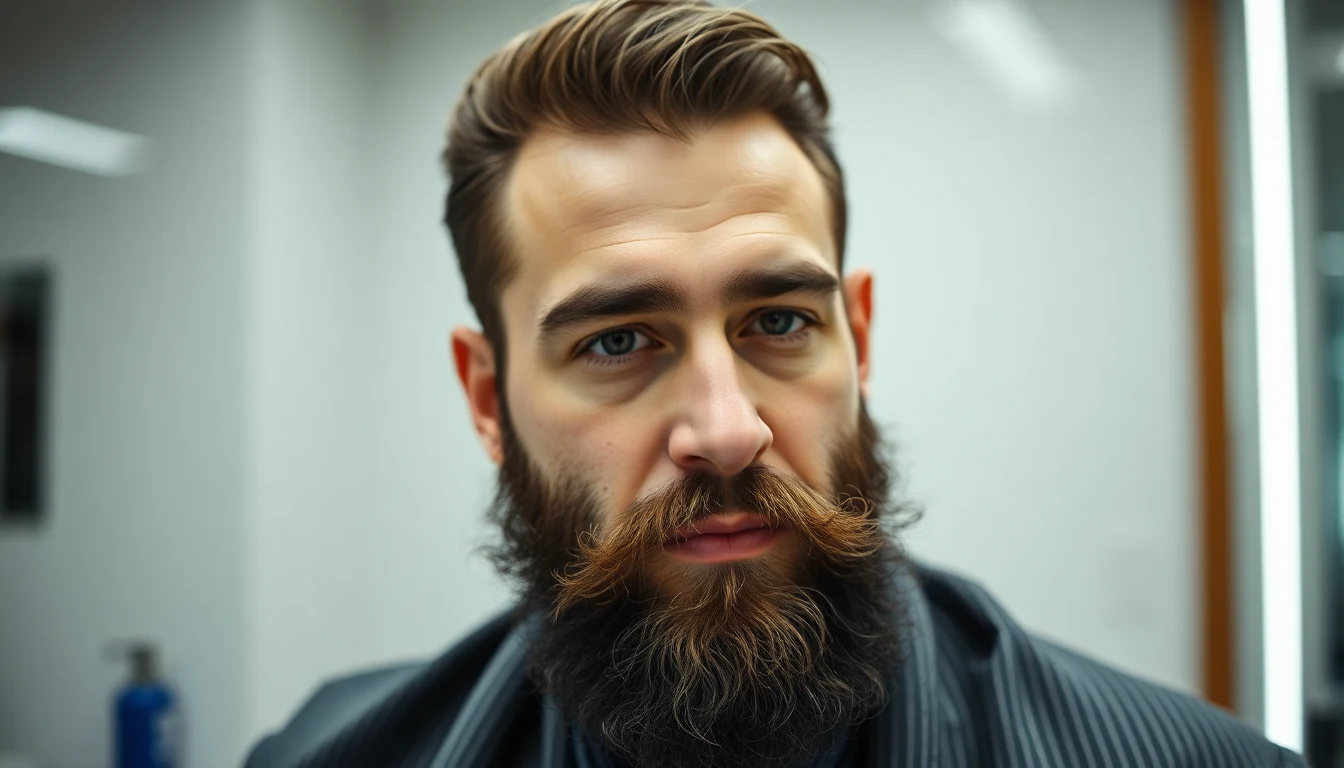
Moroccan beard care traditionally incorporated argan oil (Morocco is the world’s primary source of argan) and olive oil. This tradition continues today, with many Moroccan Jewish men using argan-based beard products. Understanding sephardic beard traditions is key to a great grooming routine.
Iraqi and Syrian Jews
The Iraqi Jewish community, following the rulings of the Ben Ish Chai (Rabbi Yosef Chaim of Baghdad), generally maintained full beards. The Ben Ish Chai was deeply influenced by the Arizal’s kabbalistic teachings and ruled strictly against trimming the beard. This tradition continues in many Iraqi communities, particularly in Israel.
Syrian Jewish men (particularly from Aleppo and Damascus) historically showed more variation, with some maintaining full beards and others trimming more freely with scissors. The Syrian community’s grooming culture was influenced by its urban, mercantile character.
Persian Jews
Iranian Jewish grooming was historically influenced by the broader Persian aesthetic, which valued well-maintained, neatly shaped beards. Persian Jewish men often kept their beards somewhat shorter and more sculpted than their Yemenite or Iraqi counterparts, using scissors to maintain a clean outline while respecting the five “corners.”
North African Jews (Tunisia, Libya, Algeria)
North African communities generally followed a middle path: rabbis and scholars maintained full beards, while laypeople trimmed more freely. The French colonial influence in North Africa introduced some secular grooming norms, and many North African Jews who immigrated to France adopted more trimmed styles while maintaining the five “corners.”
Sephardic vs. Ashkenazi: Key Grooming Differences
| Topic | Sephardic Tradition | Ashkenazi Tradition |
|---|---|---|
| Electric shavers | Many poskim prohibit | Many poskim permit (lift-and-cut) |
| Scissors trimming | Permitted by halacha; discouraged by kabbalists | Widely practiced and accepted |
| Full beard culture | Strong emphasis across communities | Strong in Chassidic; varies in Modern Orthodox |
| Kabbalistic significance | Central to grooming decisions | Emphasized mainly in Chassidic communities |
| Sefirah restrictions | Many start from Pesach through 34th of Omer | Varies: some from Pesach, some from Rosh Chodesh Iyar |
| Hair and beard oils | Traditional (argan, sesame, olive) | Modern commercial products more common |
| Beard in mourning | Some leniency to trim after shiva | Generally strict for full shloshim |
Sephardic Beard Care Products and Traditions
Sephardic grooming traditions draw on the botanical resources of the Mediterranean, North Africa, and the Middle East. Here are the traditional products and their modern equivalents.
Argan Oil
Morocco’s “liquid gold.” Argan oil is rich in vitamin E, omega fatty acids, and antioxidants. It softens the beard, conditions the skin underneath, and adds a healthy sheen without heaviness. Moroccan Jewish men have used it for centuries, and it remains one of the best beard oils available. Look for 100% pure, cold-pressed argan oil for the highest quality.
Olive Oil
Used across all Sephardic communities. Extra virgin olive oil is a perfectly functional beard oil on its own, though it is heavier than argan and can feel greasy if over-applied. A few drops worked through the beard after washing provides excellent moisture. Olive oil also has mild antimicrobial properties that help prevent beard acne.
Sesame Oil
Traditional in Yemenite and Iraqi communities. Sesame oil has a lighter texture than olive oil and absorbs quickly into the beard. It provides a natural, subtle sheen and has anti-inflammatory properties.
Modern Alternatives
For those who prefer modern, purpose-formulated products, an unscented beard oil designed for daily use works well within the Sephardic grooming framework. For hold and shaping, an unscented beard balm keeps the beard presentable. And for growth support, a beard growth serum can help brothers who are growing their beards for the first time.
The Full Beard: Maintenance for the Long Haul
Many Sephardic men maintain beards that are significantly longer than the typical Ashkenazi trimmed style. A full, untrimmed beard requires specific care. When it comes to sephardic beard traditions, technique matters most.
Daily Care
- Morning: Wash face, apply beard oil (5-8 drops for a full beard), comb through with a wide-tooth comb starting from the bottom to detangle.
- Midday: Quick comb-through to maintain neatness. Reapply a drop or two of oil if feeling dry.
- Evening: Wash the beard 2-3 times per week with a dedicated cleanser. Condition as needed. Apply oil before bed.
Weekly Care
- Erev Shabbos: Thorough wash and conditioning. Extra oil application. Careful combing. This is the weekly reset. Our pre-Shabbat grooming routine covers the full protocol.
- Deep conditioning: Once a week, apply a generous amount of oil (argan, olive, or a blend) to the beard, let it sit for 15-20 minutes, then wash out. This keeps the hair supple and prevents the brittle, straw-like texture that long beards can develop.
FAQ
I am Ashkenazi but married into a Sephardic family. Whose beard minhag do I follow?
Generally, you follow your own community’s halachic tradition, not your spouse’s. An Ashkenazi man who marries a Sephardic woman remains Ashkenazi in his personal halachic practice. However, some couples choose to align their household practice with one tradition for the sake of consistency. Consult with a rabbi who is knowledgeable in both traditions for guidance specific to your situation.
Can Sephardic men use electric shavers?
This is one of the most debated questions in Sephardic halacha. Many prominent Sephardic poskim, including Rabbi Ovadia Yosef, were lenient about certain electric shavers (particularly foil shavers that cut above the skin). Other Sephardic poskim, following the kabbalistic tradition, prohibit all forms of facial hair removal. Your family’s minhag and your rabbi’s guidance should determine your practice. Our halachic shaving guide covers the different positions.
Why do some Sephardic men have longer beards than Chassidic men?
Both Sephardic mekubalim and Chassidic men follow kabbalistic teachings about the beard. The difference is often one of aesthetics and cultural tradition rather than halachic principle. Yemenite and Iraqi men, for example, traditionally maintained very long beards with careful oiling, producing a smooth, flowing look. Chassidic beards tend to be left more natural and untamed, reflecting a different cultural aesthetic. Both are expressing the same kabbalistic values through different grooming traditions.
Is there a difference in how Sephardic communities handle Sefirat HaOmer grooming?
Yes. Many Sephardic communities follow the practice of restricting haircutting from Pesach through the 34th day of the Omer, then permitting it from the 34th onward. Some Ashkenazi communities restrict from Rosh Chodesh Iyar through Lag B’Omer. The practical difference: Sephardic men may have a longer restriction-free period at the end of the Omer, while Ashkenazi men may have a longer restriction-free period at the beginning. See our Sefirat HaOmer guide for details.
What about Sephardic men who are clean-shaven? Is that a thing?
Yes. Particularly in communities with strong French or Western cultural influence (Moroccan Jews in France, North African Jews in general), many men shave regularly while being careful to preserve the five “corners” using scissors or permitted trimming methods. The kabbalistic emphasis on the full beard is strongest in Yemenite, Iraqi, and mystically-oriented communities. Sephardic grooming exists on a spectrum, just like Ashkenazi grooming does.
Final Thoughts
Sephardic beard traditions represent one of the richest and most diverse grooming cultures in the Jewish world. From the oiled magnificence of a Yemenite elder’s beard to the neatly maintained Moroccan style to the kabbalistic fullness of the Iraqi mekubal, the Sephardic approach to the beard carries layers of meaning: halachic, mystical, cultural, and personal.
Whether you follow these traditions from birth or are discovering them for the first time, the core principles are worth understanding. The beard, in Sephardic thought, is not just hair on your face. It is a channel for divine attributes, a marker of identity, and a connection to a tradition that spans communities from Yemen to Morocco to Baghdad.
For related guides, explore our Jewish beard care essentials, Mizrahi grooming traditions, halachic shaving guide, and beard growth for Jewish men.
Frequently Asked Questions
What is the main difference between Sephardic beard traditions and Ashkenazi grooming practices?
Sephardic communities traditionally place greater emphasis on beard maintenance and oil treatments, viewing the beard with deeper religious and kabbalistic significance compared to Ashkenazi practice. The article explains that these differences stem from varying interpretations of Jewish law (halacha) and the influence of Kabbalah on Sephardic grooming customs.
Can I use an electric shaver if I follow Sephardic Jewish grooming laws?
The article addresses electric shavers as a key difference in grooming approaches between communities, though the specific ruling depends on your rabbi’s interpretation of halachic law. You should consult with your posek (halachic authority) to determine what grooming tools are appropriate for your level of observance and family tradition.
How do Yemenite Jewish beard traditions differ from other Sephardic practices?
Yemenite Jews (Teimanim) are noted in the article as having distinctive beard traditions, including the practice of maintaining long, well-oiled beards that reflect their unique cultural approach to grooming within the broader Sephardic world. The article explores these community-specific variations to show the diversity within Jewish beard culture.
What role does Kabbalah play in Sephardic beard grooming customs?
Kabbalah significantly influences Sephardic beard traditions, with connections to spiritual concepts like the Thirteen Attributes of Mercy and teachings from the Arizal. The article explains that these kabbalistic dimensions give the beard spiritual meaning beyond halachic requirements, distinguishing Sephardic approach from other Jewish communities.