
Can You Use Shaving Cream with an Electric Razor?
This is one of the most common questions I get from men who are tired of the dry, tugging irritation that comes with electric shaving but don’t want to go back to manual blades. They figure throwing some shaving cream into the mix should help. And they’re right, to a point.
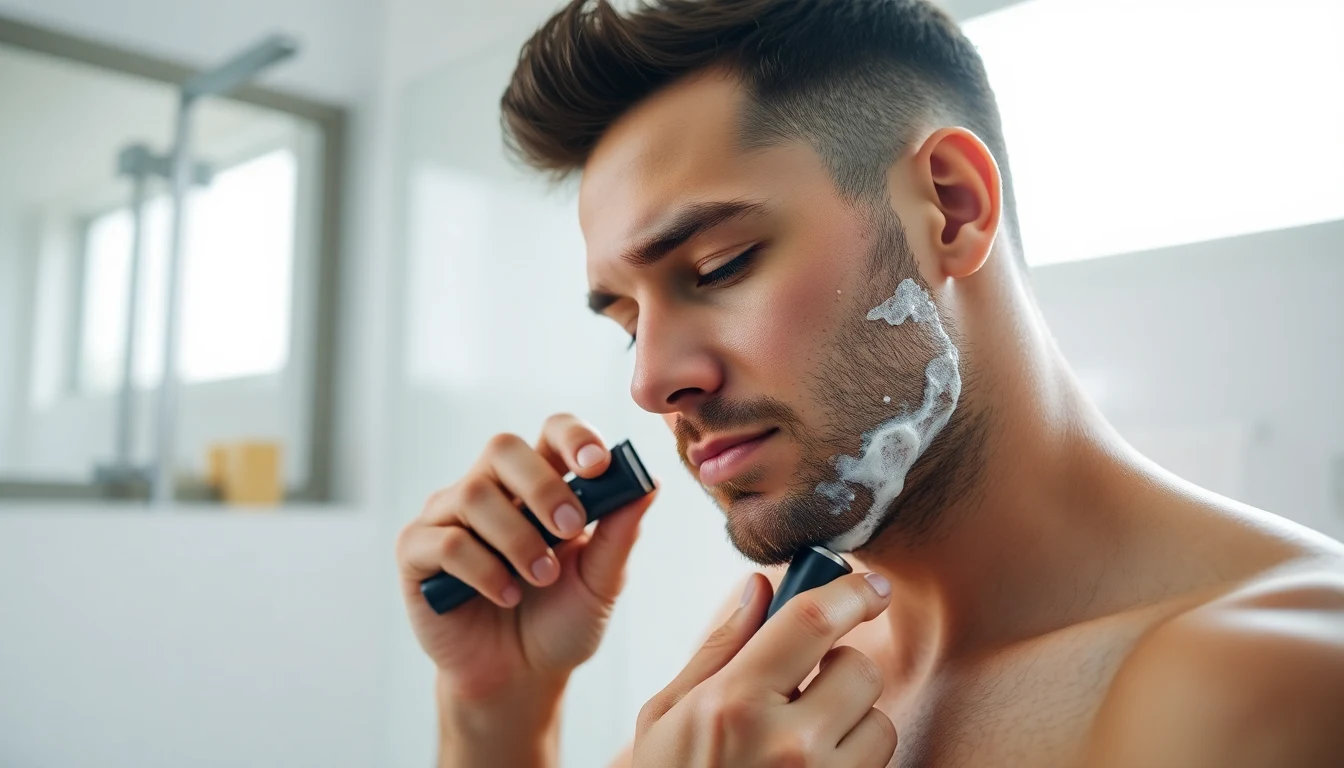
The short answer: yes, you can use shaving cream with an electric razor, but only if your shaver is specifically rated for wet use. If it’s not, you risk damaging the motor, corroding internal components, and voiding your warranty. And even with a wet/dry shaver, not all creams work. Use the wrong product and you’ll end up with a clogged head and a worse shave than you started with.
Let me walk you through the full picture so you can do this right.
Why Regular Electric Razors Can’t Handle Cream: Can You Use Shaving Cream
A standard electric razor, whether it’s a foil or rotary model, is designed to be used dry. The internal motor, circuit board, and cutting mechanism are not sealed against moisture. When you introduce shaving cream, you’re introducing water, oils, and surfactants directly into the machine.
Here’s what happens when you put cream in a dry-only electric razor:
- Motor corrosion. Water reaches the motor housing and begins oxidizing metal components. You won’t see it immediately, but within weeks the motor starts grinding and losing power.
- Foil or cutter clogging. Cream residue builds up between the foil and the cutting blades, reducing cutting efficiency and creating a pulling sensation instead of a clean cut.
- Drainage failure. Dry-only razors have no water drainage pathways. Liquid pools inside the head, creating a breeding ground for bacteria and mold.
- Electrical short. Even small amounts of liquid reaching the circuit board can cause shorts, especially during charging.
I’ve seen men bring in electric razors that died after three months because they decided to “try it wet” with a model that was never built for it. Don’t be that guy. Check your razor’s rating before you add any liquid product.
What “Wet/Dry” Actually Means
When an electric razor is labeled “wet/dry,” it means the manufacturer has sealed the internal components against water and liquid products. The motor housing, circuit board, and battery compartment are all waterproofed. The head assembly is designed to let water and cream flow through without trapping residue.
Most wet/dry shavers also include:
- Rubberized seals around all openings
- Drainage channels built into the head for cream and water runoff
- Corrosion-resistant materials on all internal metal parts
- A pop-up lock or mechanism that prevents the head from opening during wet use
The IPX7 rating is what you want to look for. That means the device can be fully submerged in water up to 1 meter for 30 minutes without damage. Some budget shavers claim “washable head” which only means you can rinse the head under the faucet. That’s not the same as being rated for wet shaving with cream.
If you’re unsure about your current razor, check the manual or the manufacturer’s website. If it doesn’t explicitly say “wet/dry” or show the shaver being used in the shower, assume it’s dry only. Mastering can you use shaving cream takes practice but delivers great results.
The Real Benefits of Using Cream with an Electric Razor
So why bother? If electric razors are designed to work dry, what does adding cream actually accomplish? More than you might think. Mastering can you use shaving cream takes practice but delivers great results.
Closer Shave
Shaving cream softens your stubble. Softer hair is easier to cut. This is basic physics. When the foil or rotary blade meets a softened hair, it cuts cleaner and closer to the skin surface instead of pulling or breaking the hair mid-shaft. Many men report that their wet electric shave is noticeably closer than their dry electric shave, even with the same shaver.
Less Irritation
The number one complaint about electric shaving is irritation: redness, razor burn, and that raw, tight feeling on the neck and jawline. Cream creates a lubrication layer between the foil and your skin. Less friction means less irritation. If you’ve been dealing with post-shave redness, this alone might solve your problem. For more on managing irritation, check out our wet vs dry shaving breakdown.
Better Skin Hydration
Dry shaving strips your skin of its natural oils every single time. Your face produces sebum (oil) that protects the skin barrier, and a dry electric razor scrapes it right off. Shaving cream replaces that moisture and adds its own protective layer. Your face feels better immediately after the shave and stays more comfortable throughout the day. (We recommend this Williams Lectric Shave, Electric Razor Pre-Shave.)
Reduced Ingrown Hairs
When hair is dry and brittle, it’s more likely to be cut at a jagged angle that curls back into the skin. Softened, hydrated hair gets cut cleanly, which means the regrowth pattern is smoother and less likely to become ingrown. This is especially important for men prone to razor bumps. If ingrowns are a persistent issue, our guide on the best razors for preventing bumps covers this in detail. For more guidance, Men’s Health provides expert resources on men’s grooming.
What Type of Cream to Use (and What to Avoid)
Not all shaving products are created equal when it comes to electric razors. The wrong product will clog your shaver and make the experience worse, not better.
What Works
- Pre-shave electric lotions. These are specifically formulated for electric razors. They’re thin, alcohol-based or silicone-based liquids that stiffen stubble and reduce friction without leaving residue. Products like Williams Lectric Shave have been the standard for decades.
- Thin shaving gels. Clear, non-foaming gels work well with wet/dry electric shavers. They provide lubrication without creating thick lather that clogs the head.
- Quality shaving cream (used sparingly). A small amount of proper shaving cream, like Cremo, applied in a thin layer works with wet/dry shavers. The key is using less than you’d use with a manual razor. You want a thin, slick film, not a thick lather.
What to Avoid
- Canned shaving foam. The propellant-driven foam is too thick and airy. It gets trapped in the foil perforations and between rotary heads, dramatically reducing cutting performance. Plus, the chemicals in aerosol foam can degrade the rubber seals in your shaver over time.
- Thick shaving soap lather. Traditional soap lather built with a brush is far too dense for electric razors. It will clog the head within seconds.
- Shaving oil on its own. While a few drops of pre-shave oil under a thin gel can work, using shaving oil alone creates a sticky film that’s extremely difficult to clean from the shaver head and will attract dirt and dead skin cells.
- Anything with heavy fragrances or menthol. These ingredients can irritate skin that’s already being abraded by the electric shaver’s vibrating head. Keep it simple and mild.
Step-by-Step: Wet Shaving with an Electric Razor
Here’s the process I recommend to clients who want to get the best results from their wet/dry electric shaver. Follow this and you’ll get a closer, more comfortable shave than dry shaving alone.
Step 1: Wash Your Face
Start with warm water and a gentle face wash. This serves two purposes: it removes dirt and oil that would otherwise clog your shaver, and it begins softening your stubble. Hot water opens your pores and relaxes the hair follicle, making each hair easier to cut. Spend at least 30 seconds washing. If you’re shaving right after a shower, you’re already set.
Step 2: Apply Pre-Shave Product
If you’re using a pre-shave electric lotion, apply it now and let it sit for 15 to 20 seconds. It will stiffen your stubble slightly (making it easier for the foil to capture) while creating a slick surface. If you’re going straight to cream or gel, skip this step.
Step 3: Apply a Thin Layer of Cream or Gel
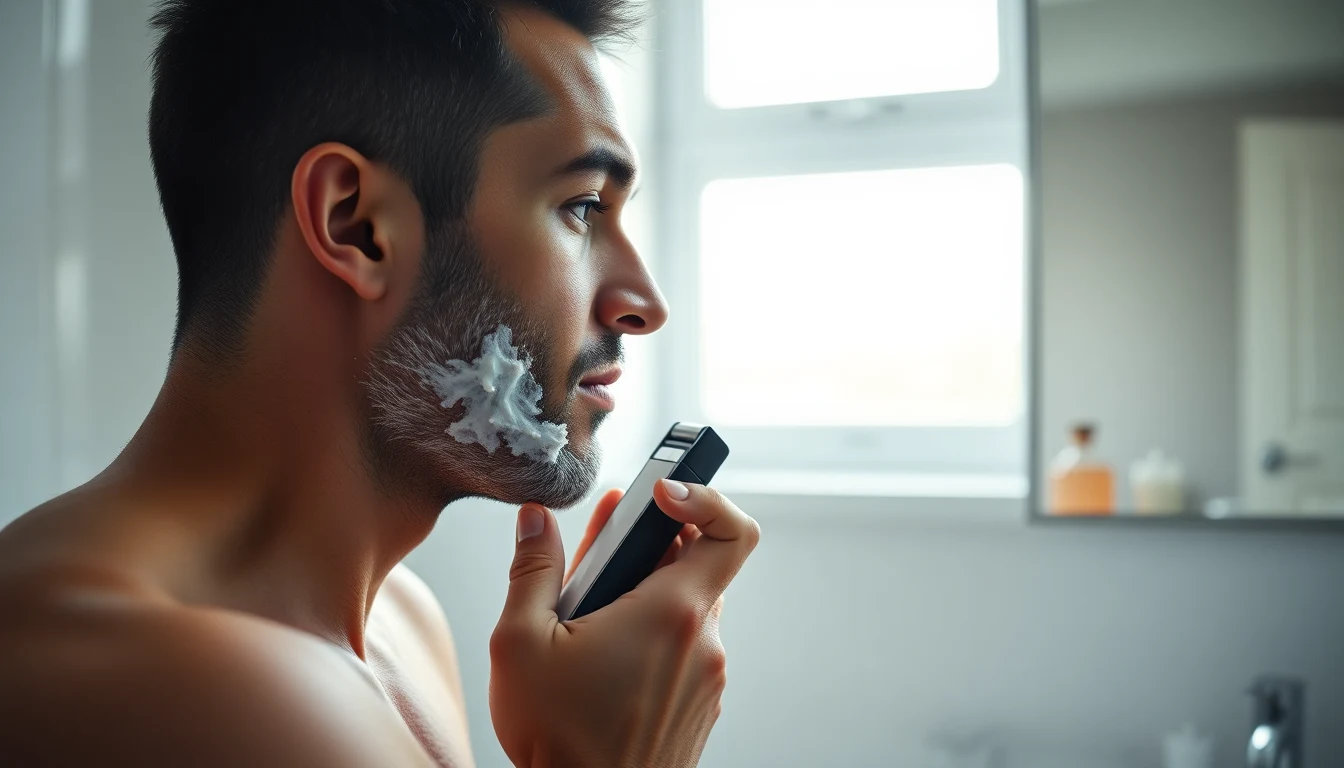
Here’s where most men go wrong. They squeeze out a golf ball of cream and lather up like they’re using a safety razor. With an electric, you want a thin, almost transparent layer. Use about half the amount you’d use with a manual blade. Work it into your stubble with your fingers, covering all the areas you’ll shave.
The product should feel slick on your skin, not thick. If you can’t see your stubble through the cream, you’ve used too much. Understanding can you use shaving cream is key to a great grooming routine. Understanding can you use shaving cream is key to a great grooming routine.
Step 4: Shave with Light Pressure
Turn on your shaver and use gentle, slow strokes. One of the biggest mistakes with electric razors, wet or dry, is pressing too hard. The foil or rotary head is designed to do the cutting work. Pressing hard just increases irritation and wears out your foil faster. For technique details, read our guide on how to shave with an electric razor properly.
For foil shavers, use straight up-and-down strokes against the grain. For rotary shavers, use small circular motions. With cream, you’ll notice the shaver glides more smoothly and catches fewer hairs on the first pass.
Step 5: Rinse and Check
Rinse your face with cool water to close pores, then check for any spots you missed. With cream providing visual feedback (you can see where you’ve already shaved), touch-up passes are easy to target.
Step 6: Clean Your Shaver Immediately
This step is non-negotiable. Do not set your wet, cream-coated shaver down and “clean it later.” Open the head, rinse every component under warm running water, shake out excess water, and leave it open to air dry. If your shaver came with a cleaning station, run a cycle. Cream residue left in the head breeds bacteria and reduces blade life.
Recommended Wet/Dry Shavers
If your current shaver is dry-only and you want to make the switch to wet shaving, here are the models I recommend to clients.
Foil Shavers
- Braun Series 7 is the sweet spot for most men. Fully waterproof, excellent foil design that handles cream without clogging, and the AutoSense technology adjusts power based on beard density. It comes with a cleaning station that handles all the post-shave maintenance.
- Braun Series 9 is the premium option with five shaving elements instead of three. If you have thick stubble and want the absolute closest electric shave possible with cream, this is it. Pricey, but the performance justifies the cost.
- Panasonic Arc5 uses a five-blade cutting system with a flexible head that follows facial contours. Outstanding wet performance and one of the fastest motors on the market at 70,000 cross-cuts per minute.
For a deeper comparison, check our full breakdown of foil shaver techniques and models.
Rotary Shavers
- Philips Norelco 9000 Series is the best wet/dry rotary on the market. The heads flex independently in 8 directions, and the aquatic seal system is built to handle cream and gel without any issues. Works in the shower.
Pre-Shave and Cream Products
- Williams Lectric Shave is the classic pre-shave for electric razors. Dries quickly, stiffens stubble, and creates a friction-free surface. Affordable and effective.
- Cremo Original Shaving Cream is ideal for electric wet shaving because it’s a concentrated, non-lathering formula that creates a thin, slick layer. No thick foam to clog heads.
- Nivea Sensitive Shaving Gel is a clear, non-foaming gel that works well with both foil and rotary wet/dry shavers. Chamomile and vitamin E for sensitive skin.
Does Wet Electric Shaving Beat Dry?
Based on my experience with hundreds of clients, wet electric shaving produces better results for most men. But “most” is not “all.”
Wet Electric Shaving Is Better When:
- You have sensitive skin that gets irritated from dry shaving
- You want the closest possible electric shave
- You deal with razor bumps or ingrown hairs
- You shave in the shower (saves time by combining steps)
- Your skin feels tight and dry after shaving
Dry Electric Shaving Is Better When:
- You need to shave at your desk or in the car (no mess)
- You’re in a rush and literally have two minutes
- Your skin tolerates dry shaving well with no irritation
- You don’t want the cleanup hassle of washing cream from your shaver
For the best of both worlds, some men shave dry on weekdays for speed and do a longer wet electric shave on weekends for comfort and closeness. There’s no rule that says you have to pick one and stick with it.
Common Mistakes to Avoid
I’ve seen men try wet electric shaving and give up after one bad experience. Usually it’s because they made one of these mistakes:
- Using too much cream. Thick lather belongs on a safety razor, not an electric. Thin layer only.
- Not cleaning the shaver after. Cream left in the head for even a few hours hardens into a cement-like residue that takes serious effort to remove and dulls the blades.
- Using canned foam. The propellant gas and thick consistency are terrible for electric shavers. Use cream from a tube or gel from a squeeze bottle.
- Pressing too hard. The cream makes it tempting to push harder thinking you’ll get closer. You won’t. You’ll just get more irritation.
- Shaving against the grain on the first pass. Even with cream, start with the grain on your first pass. Go against only on a second pass if needed.
- Skipping the face wash. Cream on a dirty face mixes with oils and dead skin, creating a paste that clogs everything.
How to Clean Your Electric Razor After Wet Shaving
Proper cleaning extends blade life and prevents bacterial buildup. Here’s the full process: When it comes to can you use shaving cream, technique matters most.
- With the shaver still running, hold it under warm running water and let the stream flush through the head for 10 to 15 seconds.
- Turn off the shaver and remove the head assembly.
- Rinse each component individually: the foil frame, the inner blades, and the housing.
- If your model allows it, apply a drop of electric shaver lubricant or light mineral oil to the blades. This keeps cutting efficiency high.
- Shake out excess water and leave all components separated to air dry. Don’t snap the head back together while it’s wet.
- Once a week, do a deep clean with the manufacturer’s cleaning solution or a spray-on blade cleaner.
If your shaver has a cleaning station, use it after every wet shave. The cleaning solution is designed to dissolve cream residue that water alone won’t fully remove. When it comes to can you use shaving cream, technique matters most.
Frequently Asked Questions
Can shaving foam damage an electric razor?
Yes. Canned shaving foam (the pressurized aerosol type) can damage even wet/dry rated electric razors over time. The thick, air-filled foam gets trapped in the cutting mechanism, reduces performance, and the chemical propellants can degrade rubber seals. Use a thin gel or concentrated cream instead, never canned foam.
What is the best cream for an electric shaver?
The best option is a non-lathering, concentrated cream like Cremo or a clear shaving gel. These products create a thin, slick layer without producing thick foam that clogs the shaver head. Pre-shave lotions formulated specifically for electric razors, like Lectric Shave, are also excellent and can be used alone or under a thin layer of cream. (We recommend this Williams Lectric Shave, Electric Razor Pre-Shave.)
What is the difference between wet and dry electric shaving?
Dry electric shaving uses no products. You turn on the shaver and go. Wet electric shaving involves applying water, cream, gel, or pre-shave lotion before shaving. Wet shaving with an electric typically gives a closer shave with less irritation but takes a few extra minutes and requires thorough cleaning afterward. For sensitive skin, wet usually produces significantly better results.
How do you clean an electric razor after a wet shave?
Rinse the running shaver under warm water for 10 to 15 seconds, then turn it off and disassemble the head. Rinse each part separately, apply a drop of blade lubricant if available, shake out water, and leave all parts open to air dry completely. Do not reassemble while wet. Use a cleaning station or spray cleaner weekly for deep cleaning.
Is it worth buying a wet/dry electric shaver just for cream use?
If you experience irritation, dryness, or razor bumps from dry electric shaving, absolutely yes. The difference in comfort is substantial for most men. Even if you only use cream on weekends, having the wet/dry option gives you flexibility. Plus, wet/dry shavers are easier to clean since you can rinse them freely. The price premium over dry-only models is typically $20 to $40, which pays for itself in comfort. For product guidance, see our roundup on the best post-shave products to pair with your routine.
The Bottom Line
Using shaving cream with an electric razor works, and for many men it transforms an uncomfortable daily chore into something that actually feels good. But you need two things: a wet/dry rated shaver and the right cream.
Don’t use canned foam. Don’t use thick soap lather. Don’t skip the cleanup. Get a proper wet/dry shaver, use a thin layer of concentrated cream or clear gel, and clean the head immediately after every use.
Do that, and you’ll get a closer, smoother, more comfortable shave than you ever thought an electric razor could deliver.
Further reading: For research-backed grooming advice, see Healthline Men’s Health.
Explore more tips at CulturedGrooming.com.
Further reading: For research-backed grooming advice, see Healthline Men’s Health.
Frequently Asked Questions
Can you use shaving cream with an electric razor without damaging it?
Yes, you can use shaving cream with an electric razor, but only if your shaver is specifically rated for wet/dry use. Using cream on a standard dry-only electric razor risks damaging the motor, corroding internal components, and voiding your warranty.
What’s the difference between wet and dry electric shaving?
Wet electric shaving involves applying shaving cream or gel before using a wet/dry rated shaver, which provides a closer shave, less irritation, and better skin hydration. Dry electric shaving uses no products and is faster but can cause tugging and irritation, especially for men with curly or textured hair.
What type of shaving cream should I use with my electric shaver?
Use lightweight shaving gels, foams, or pre-shave oils specifically designed for electric razors, and apply them in a thin layer. Avoid thick, heavy creams or products with alcohol, as these can clog your shaver’s head and reduce its effectiveness.
How do I properly clean my electric razor after using shaving cream?
Rinse your shaver immediately under warm running water to remove all cream residue, then use a cleaning brush if provided to clear the head thoroughly. For wet/dry shavers, you can also soak the head briefly in warm water and allow it to air dry completely before storage.