
If you want to master amritdhari sikh grooming standards, this guide covers everything you need to know. Last updated: February 2026 by Arjun Singh-Goldstein, Interfaith Grooming Specialist
When I took Amrit at the age of twenty-three, I remember the profound weight of the commitment I was making. Standing before the Panj Pyare in the early morning hours, receiving the Amrit prepared in the iron bata with the khanda, I understood that I was entering a discipline that would define every aspect of my appearance and daily life. My mother, who comes from a Jewish background, understood the concept of a covenant. “Every faith has its agreements with God,” she told me before the ceremony. “This is yours.” She was right. The Amrit Sanchar was my covenant, and grooming became one of the most visible ways I live it out every single day.
For men considering Amrit or newly initiated into the Khalsa, the grooming standards can feel overwhelming. What exactly does the Rehat Maryada say about hair? What products can you use? What practices cross the line? These questions deserve clear, respectful answers rooted in the actual text of the Sikh code of conduct, combined with practical guidance for navigating modern life as an Amritdhari Sikh. That is what this article aims to provide. For expert guidance on this topic, consult SikhNet’s community resources on Sikh lifestyle and traditions.
Religious Note: Grooming practices within the Sikh faith are deeply personal and connected to each individual’s level of observance. Always consult with your Granthi, Panj Pyare, or trusted community elders to confirm that any grooming suggestions mentioned here align with your personal practice and the Rehat Maryada (Sikh code of conduct).
Who Is an Amritdhari Sikh? : Amritdhari Sikh Grooming Standards
An Amritdhari Sikh is someone who has undergone the Amrit Sanchar (initiation ceremony) and been formally initiated into the Khalsa, the community of committed Sikhs established by Guru Gobind Singh Ji in 1699. The word “Amritdhari” literally means “one who has taken Amrit” (the sacred baptismal nectar).

During the Amrit Sanchar, which is conducted by five initiated Sikhs known as the Panj Pyare (the Five Beloved Ones), the initiate drinks Amrit, has it sprinkled on their eyes and hair, and takes a series of vows. These vows include wearing the five articles of faith (the Panj Kakars), reciting daily prayers (Nitnem), and following the Rehat Maryada, the Sikh code of conduct published by the Shiromani Gurdwara Parbandhak Committee (SGPC).
Becoming Amritdhari is one of the most significant steps a Sikh can take. It is a voluntary, deeply personal decision that should be made with full understanding of the commitments involved. Not all Sikhs are Amritdhari; many live as Keshdhari (keeping kesh but not formally initiated) or Sehajdhari (on the gradual path). Each stage of practice is respected within the community.
The Five Ks (Panj Kakars) Explained in Detail
The Panj Kakars are the five articles of faith that every Amritdhari Sikh is required to wear at all times. Each one carries deep spiritual significance and practical purpose. Understanding them is essential to understanding Amritdhari grooming standards.
Kesh (Uncut Hair)
Kesh is perhaps the most visible of the five Ks and the one most directly related to grooming. The Rehat Maryada states clearly that a Sikh shall not remove or trim hair from any part of the body. This means no cutting of head hair, no shaving of the beard, no trimming of eyebrows, and no removal of body hair.
The spiritual reasoning behind kesh is multifaceted. It represents acceptance of God’s will (Hukam), the belief that the human form, as given by the Creator, is complete and should not be altered. It also represents courage, as wearing uncut hair in a world that often stigmatizes it requires bravery. Guru Gobind Singh Ji specifically commanded the keeping of kesh as a marker of Sikh identity, making Sikhs visible and accountable in the world.
For grooming purposes, kesh requires active care, not passive neglect. The Rehat Maryada does not say to ignore your hair. It says not to cut it. There is a significant difference. Washing, oiling, combing, and maintaining your kesh is not just acceptable but expected. A Singh with clean, well-maintained kesh honors the very principle that kesh represents.
Kanga (Wooden Comb)
The kanga is a small wooden comb that is kept in the hair at all times, typically tucked into the joora (topknot). The kanga represents discipline and cleanliness. It is a reminder to comb your hair regularly, keeping it neat and tidy.
Traditionally, the kanga is combed through the hair twice daily, once in the morning and once in the evening. This practice is part of the Sikh daily discipline (rehat) and serves both spiritual and practical purposes. Spiritually, it is a meditative act of self-care and mindfulness. Practically, it prevents tangles, distributes natural oils, and keeps the kesh in good condition.
Kara (Steel Bracelet)
The kara is a steel bracelet worn on the wrist. It symbolizes restraint, reminding the wearer to act righteously. While the kara is not directly related to grooming, it is part of the complete appearance of an Amritdhari Sikh and should be worn at all times, including during grooming activities. Mastering amritdhari sikh grooming standards takes practice but delivers great results.
Kachera (Cotton Undergarment)
The kachera is a specific type of cotton undergarment that represents self-control and modesty. Like the kara, it is not directly related to visible grooming but is part of the overall discipline of the Khalsa. Amritdhari Sikhs are required to wear a kachera at all times.
Kirpan (Ceremonial Dagger)
The kirpan is a ceremonial dagger that represents the duty to stand against injustice and protect the weak. It is worn on a strap called a gatra, typically under or over clothing. The kirpan completes the physical appearance of the Amritdhari Sikh.
What the Rehat Maryada Says About Grooming
The Sikh Rehat Maryada, as published by the SGPC, contains specific instructions about personal appearance. Here are the key provisions that relate to grooming.
On Hair: “A Sikh should not remove hair from any part of his or her body.” This is the central grooming directive. It explicitly prohibits cutting, trimming, shaving, or plucking hair from anywhere on the body. This includes head hair, beard hair, mustache hair, eyebrows, chest hair, arm hair, and leg hair.

On the Turban: The Rehat Maryada instructs that Sikh men should cover their kesh with a turban (dastar). The turban is not optional for Amritdhari Sikh men; it is a required article. Women may choose to wear a turban or cover their head with a chunni (headscarf).
On Dyeing Hair: The Rehat Maryada does not specifically address hair dyeing. This has led to varied interpretations within the community. Some Amritdhari Sikhs consider dyeing hair acceptable because it does not involve removing hair. Others view it as an alteration of the natural form given by God. This is a matter for personal reflection and, if needed, consultation with the Panj Pyare.
Grooming Practices That Are Acceptable for Amritdhari Sikhs
Understanding what is acceptable is just as important as knowing what is prohibited. The following grooming practices are generally considered compatible with Amritdhari standards.
Washing and conditioning kesh: Regular shampooing and conditioning of both head hair and beard hair is not only acceptable but encouraged. Clean kesh is healthy kesh, and the Sikh tradition values cleanliness highly.
Oiling hair: The practice of applying oil to the kesh (champi) is a traditional Sikh and Punjabi practice with deep cultural roots. Oils like coconut oil, almond oil, and mustard oil are all excellent choices.
Combing with the kanga: This is explicitly part of the rehat. Combing your kesh morning and evening with your kanga is a spiritual practice and a grooming necessity.
Using beard oil and balm: Products that nourish and maintain the beard without cutting or trimming it are perfectly acceptable. Beard balm helps keep a long kesh beard manageable and well-presented.
Skincare: Washing your face, moisturizing, using sunscreen, and treating skin conditions are all acceptable. Taking care of the body is consistent with Sikh teachings about the body as a divine gift.
Using fragrance: Wearing cologne, attar, or body spray is acceptable. Many Sikh men prefer alcohol-free attars out of personal preference or interpretation of their practice, but this is a personal choice.
Grooming Practices That Violate Amritdhari Standards
The following practices are considered violations of the Rehat Maryada and constitute what is known as a “bajjar kurehit” (major transgression) related to kesh. Understanding amritdhari sikh grooming standards is key to a great grooming routine.
Cutting head hair: Any trimming, cutting, or shaping of head hair is prohibited. This includes “evening out” the ends or cutting split ends.
Shaving or trimming the beard: The beard must remain unshorn. No trimming, shaping, lining up, or removal of any facial hair. This includes the mustache, which should not be trimmed.
Plucking or threading eyebrows: Eyebrow shaping through plucking, threading, or waxing constitutes hair removal and is not permitted.
Removing body hair: Shaving, waxing, or using hair removal creams on any part of the body (chest, arms, legs, back) is prohibited.
Not wearing a turban: For Amritdhari Sikh men, leaving the house without a turban (or at minimum a keski, a smaller turban) is a departure from the rehat.
Common Questions from Newly Initiated Sikhs
If you have recently taken Amrit or are preparing to do so, you likely have many practical questions. Here are the ones I hear most often, along with the answers I have gathered from my own experience and conversations with Granthis and Panj Pyare over the years.
“What if I accidentally lose a hair while combing?” Natural hair shedding is part of the human body’s normal cycle. Losing hairs during combing, showering, or sleeping is not a violation of kesh. The prohibition is against intentionally removing hair. The body naturally sheds dozens of hairs daily, and this is understood and accepted within the rehat.
“Can I use hair products with chemicals?” Yes. Shampoo, conditioner, hair oil, and styling products are all acceptable as long as they are not used to alter the fundamental nature of your kesh (such as chemical straighteners that damage the hair structure). Products that clean, nourish, and maintain your kesh are consistent with the principle of caring for what God has given you.
“My beard is itchy and uncomfortable. What can I do?” Beard discomfort is common, especially for new Amritdhari Sikhs whose beards are still growing to their natural length. Regular washing with a gentle cleanser, applying beard oil daily, and using a quality beard comb to detangle will significantly reduce itchiness. The discomfort typically diminishes as your beard reaches its natural length and you establish a care routine.
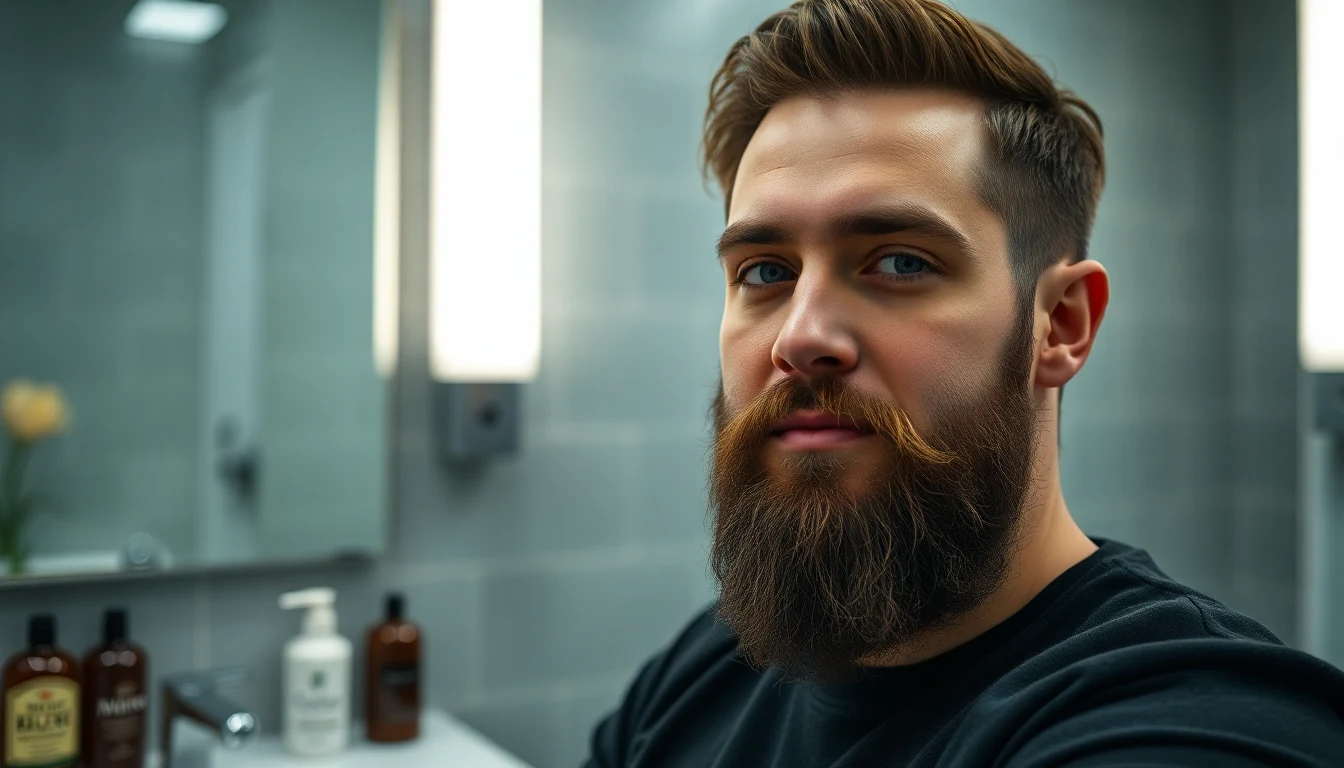
“Is it acceptable to tie my beard for a neat appearance?” Yes. Many Amritdhari Sikhs use a beard fixo (a thin, mesh-like net) or gel to set their beard close to the jaw for a tidy appearance. Rolling and tying the beard is a traditional Sikh practice that has been done for centuries. This does not involve removing any hair; it simply manages its appearance.
“What about nose hair or ear hair?” The Rehat Maryada’s instruction covers all body hair. Observant Amritdhari Sikhs do not trim nose hair or ear hair. If nose hair or ear hair is causing a genuine medical issue (such as obstructing breathing), consult both a medical professional and your Panj Pyare for guidance specific to your situation.
Grooming Products Compatible with Amritdhari Standards
The key principle for product selection is simple: choose products that maintain and care for your hair and skin without removing any hair. Here are specific recommendations.
Dabur Vatika Coconut Hair Oil is a trusted name in Sikh households. This hair oil nourishes kesh, prevents dryness, and makes combing with the kanga smoother. It contains coconut oil, henna, and amla. Apply it to your kesh after washing for best results.
Kama Ayurveda Bringha Hair Oil is a premium option for those who want a more therapeutic hair oil. It contains bhringraj, which is traditionally believed to support hair health, along with neem and sesame. This oil is particularly good for Sikhs who deal with scalp dryness under the turban. When it comes to amritdhari sikh grooming standards, technique matters most.
The Beard Club Biotin Beard Balm is ideal for Amritdhari Sikhs with long kesh beards. The balm provides hold and nourishment without any trimming. Work it through the full length of your beard to keep it looking intentional and well-maintained.
Wide Tooth Comb by Auzo serves as a supplementary detangling tool alongside your kanga. For very long kesh, start with this wide-tooth comb to work through major tangles before finishing with your kanga for a thorough combing.
Dove Intense Repair Shampoo is a gentle, nourishing shampoo that works well for long kesh. It repairs damage from the friction of turban wearing and keeps hair strong. Use it two to three times per week.
Living as an Amritdhari Sikh in a Modern World
One of the challenges of being an Amritdhari Sikh, particularly in Western countries, is navigating a world that does not always understand or accommodate your grooming practices. In the workplace, you may encounter dress codes that assume clean-shaven faces. In social situations, you may face questions or assumptions about your appearance. In the fitness world, you may deal with practical challenges related to long hair and a turban during exercise.
These challenges are real, and they require both practical solutions and spiritual resilience. On the practical side, many of the products and techniques discussed in this article will help you present yourself with confidence. A well-groomed Amritdhari Sikh, with a clean, oiled beard, a crisp dastar, and well-maintained kesh, commands respect in any environment.
On the spiritual side, remember why you took Amrit in the first place. The five Ks are not burdens. They are gifts that connect you to the Guru, to the Khalsa Panth, and to a tradition of fearless, principled living. Every time you tie your turban, comb your kesh, or care for your beard, you are practicing your faith in the most tangible, visible way possible.
Frequently Asked Questions
What happens if an Amritdhari Sikh violates the kesh standard?
If an Amritdhari Sikh cuts their hair (a bajjar kurehit, or major transgression), the traditional path is to appear before the Panj Pyare at a Gurdwara, explain the situation, accept the tankhah (penance) they assign, and retake Amrit. This process is not punitive. It is restorative, designed to bring the Sikh back into alignment with their commitment. The Sikh community generally approaches these situations with compassion rather than judgment.
Can Amritdhari Sikhs use hair gel or styling products?
Yes. Products that help maintain and present your kesh neatly are acceptable. Beard gel (used for beard setting), hair oils, and styling aids are all fine as long as they do not involve removing any hair. Many Amritdhari Sikhs use fixo or gel to set their beards neatly against the jaw for a polished appearance.
Is Amrit a one-time ceremony or does it need renewal?
Amrit is a one-time initiation. However, if a Sikh commits a bajjar kurehit (major transgression, such as cutting kesh), they may need to retake Amrit after appearing before the Panj Pyare. The commitment itself is meant to be lifelong, and many Sikhs describe the process of living as Amritdhari as a continuous, deepening practice rather than a single event.
What is the difference between Keshdhari and Amritdhari?
A Keshdhari Sikh keeps uncut hair (kesh) and may wear a turban but has not formally taken Amrit. An Amritdhari Sikh has taken Amrit and is committed to wearing all five Ks and following the full Rehat Maryada. Many Keshdhari Sikhs are on the path toward Amrit and live according to similar grooming standards by choice, even without the formal initiation.
Conclusion
Amritdhari grooming is not about restriction. It is about intention. Every aspect of the Khalsa appearance, from the uncut kesh to the dastar to the kara on your wrist, carries meaning and purpose. When you understand the theology behind these practices, grooming ceases to feel like a limitation and begins to feel like a privilege. You are walking through the world as a visible representative of the Guru’s vision for humanity.
Take care of your kesh with the same reverence you bring to your prayer. Oil it, comb it, wash it, and present it with pride. Your appearance is your daily testimony, and with the right products and practices, you can honor your Amrit commitment while looking and feeling your absolute best.
Frequently Asked Questions
What does the Rehat Maryada say about hair care for Amritdhari Sikhs?
The Rehat Maryada, the Sikh code of conduct, requires Amritdhari Sikhs to keep uncut hair as one of the Five Ks (Panj Kakars), which represents spiritual commitment and identity. While the text prohibits cutting or removing hair, it allows for regular washing, oiling, and combing to maintain cleanliness and health. You should consult with your Granthi or community elders about specific grooming practices that align with your personal observance level.
Can I use modern grooming products as an Amritdhari Sikh?
Yes, you can use modern grooming products like shampoos, conditioners, oils, and beard balms as long as they don’t involve cutting, plucking, or removing hair. Many Amritdhari Sikhs use quality products designed for long hair and beards to maintain their appearance while respecting the Rehat Maryada. Always check product ingredients to ensure they align with your values, and consider products specifically formulated for your hair type and cultural needs.
What are the Five Ks and how do they relate to grooming standards?
The Five Ks (Panj Kakars) are Kesh (uncut hair), Kara (steel bracelet), Kirpan (ceremonial sword), Kachera (undergarments), and Kangha (comb), which form the foundation of Amritdhari Sikh identity and grooming practice. Kesh represents your covenant with the faith, while Kangha is used daily for hair maintenance and is considered a spiritual tool. Together, these articles define how you present yourself and maintain your appearance as an initiated Sikh.
Is there a difference between Amritdhari and non-Amritdhari Sikh grooming practices?
Yes, Amritdhari Sikhs have taken the Amrit Sanchar ceremony and commit to stricter grooming standards outlined in the Rehat Maryada, including maintaining uncut hair, while non-Amritdhari Sikhs may follow their own personal interpretation of Sikh values. Amritdhari Sikhs are bound by specific codes of conduct regarding appearance, though the level of observance can vary between individuals. If you’re considering becoming Amritdhari, it’s important to understand these commitments fully before taking Amrit.