
If you want to master sikh beard styles and length, this guide covers everything you need to know. Last updated: February 2026 by Arjun Singh-Goldstein, Interfaith Grooming Specialist
I was at a family wedding in Chandigarh when I noticed something that perfectly illustrated the diversity of Sikh beard practice. Standing in the langar hall were three of my uncles, all devout Sikhs, all wearing turbans, and each with a completely different beard. Uncle Ranjit, an Amritdhari Singh, had a full, flowing kesh beard that reached his chest, carefully oiled and combed, tied neatly with a fixo underneath his turban. Uncle Harpreet, a Keshdhari Sikh who had not taken Amrit, wore his beard at about three inches, natural and untrimmed but shorter simply because he had started keeping kesh later in life. And their youngest brother, Uncle Mandeep, who had recently returned to the turban after years without one, had a beard that was still in the early growing stages, patchy in places but growing with determination.
All three men were Sikhs. All three wore their beards with pride. And none of them would judge the other for where they were on their journey. That is the truth about Sikh beards that most grooming guides miss: there is a wide spectrum of practice, and each point on that spectrum deserves practical guidance. This article covers the full range, from the longest kesh beards to newer growth, with product recommendations and techniques specific to each stage. For expert guidance on this topic, consult SikhNet’s community resources on Sikh lifestyle and traditions.
Religious Note: Grooming practices within the Sikh faith are deeply personal and connected to each individual’s level of observance. Always consult with your Granthi, Panj Pyare, or trusted community elders to confirm that any grooming suggestions mentioned here align with your personal practice and the Rehat Maryada (Sikh code of conduct).
The Spectrum of Sikh Beard Practice : Sikh Beard Styles And Length
Before discussing beard care techniques, it is essential to acknowledge the diversity within the Sikh community regarding facial hair. The Sikh tradition is not monolithic, and men at different stages of their spiritual journey will have different beards. All of them deserve respect, and all of them can benefit from proper grooming guidance.
Amritdhari Sikhs: Full, Unshorn Kesh Beard
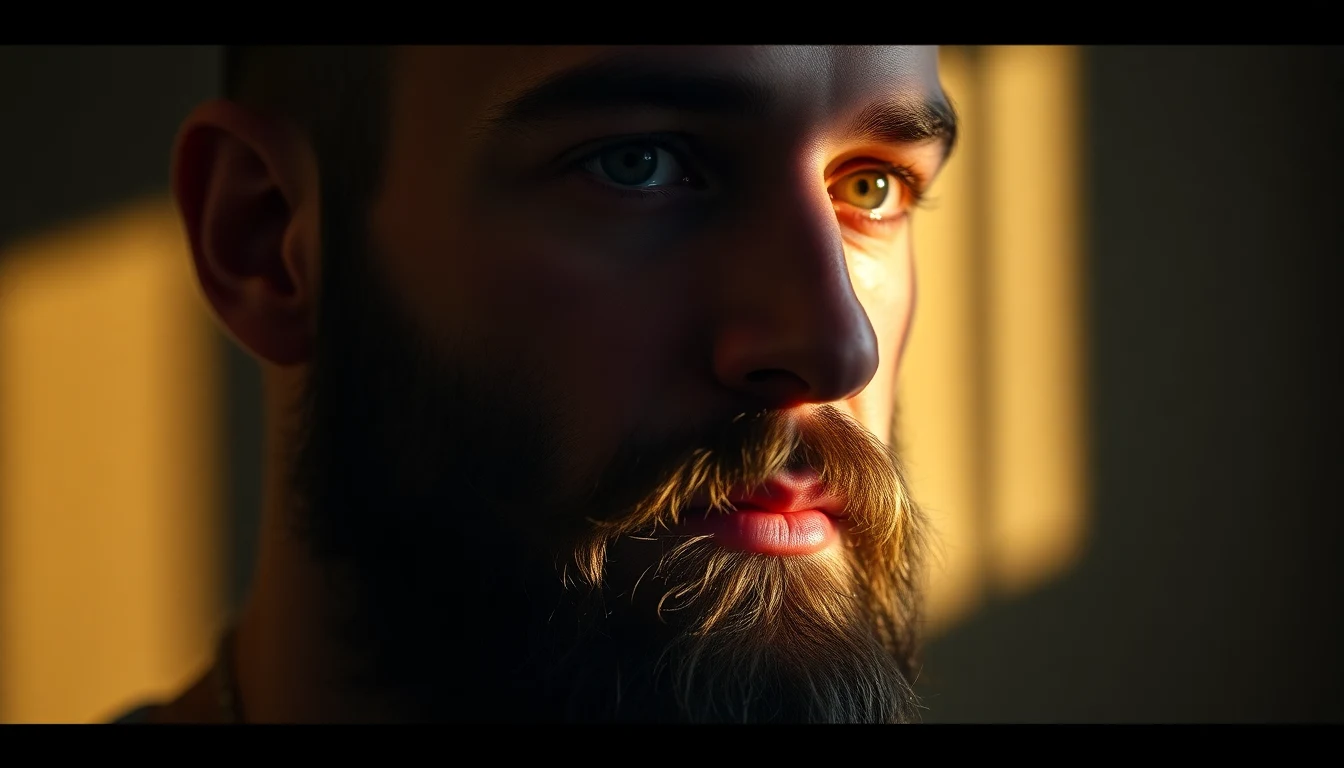
Amritdhari Sikhs who have taken Amrit maintain a fully unshorn beard as required by the Rehat Maryada. No trimming, no shaping, no lining up. The beard grows to its natural length and is maintained through washing, oiling, combing, and, in many cases, tying or setting with fixo or gel. These beards can be extraordinarily long, sometimes reaching the chest or even the waist in older Singhs. They represent the fullest expression of the kesh commitment and require the most specialized care.
Keshdhari Sikhs: Natural Beard, Varying Lengths
Keshdhari Sikhs keep their kesh (uncut hair) and may wear a turban but have not formally taken Amrit. Many Keshdhari Sikhs maintain full, natural beards similar to Amritdhari Singhs. Others may have shorter beards simply because they began keeping kesh later in life, or because their genetics produce a slower or shorter beard growth cycle. The key distinction is that the beard is natural, untrimmed, and growing according to each man’s individual biology.
Sehajdhari and Mona Sikhs
Sehajdhari Sikhs are on the gradual path toward full Sikh practice and may or may not keep kesh. Mona Sikhs (a colloquial term for Sikhs who cut their hair) may or may not maintain a beard. These terms describe points on a spectrum, not fixed categories. I include them here because the Sikh community is diverse, and a grooming guide that only addresses the longest possible beard would fail many readers. If you are a Sikh man with any length of beard, whether you are growing it for the first time or have maintained it for decades, the care techniques in this guide will be relevant to you.
I want to be clear about something: this article does not advocate for any particular level of beard keeping. That is between you, your conscience, and your relationship with Waheguru. What this article does is provide practical grooming guidance for wherever you are right now.
Full Kesh Beard Care: For Beards Longer Than Six Inches
Most mainstream beard guides top out at about four to six inches of beard length. For Amritdhari and Keshdhari Sikhs with unshorn beards, those guides are nearly useless. A twelve-inch beard has fundamentally different needs than a two-inch beard. Here is how to care for a truly long kesh beard. Mastering sikh beard styles and length takes practice but delivers great results.
Washing
A long kesh beard should be washed two to three times per week with a gentle shampoo or dedicated beard wash. Dove Intense Repair Shampoo works well because it cleans without stripping natural oils. Apply the shampoo primarily to the skin under the beard and the upper portion of the beard near the jaw. Let the suds run through the lower lengths as you rinse. Over-shampooing the ends causes dryness and brittleness.
After shampooing, always condition. Use a regular hair conditioner on the mid-lengths and ends of the beard. Leave it on for two to three minutes before rinsing. Conditioner is essential for long beards because it smooths the cuticle of each hair, reducing tangles and making the beard softer and more manageable. Many Sikh men skip this step and wonder why their beards are wiry. Conditioning is the answer.
Oiling
Oil is the most important product for a long kesh beard. Apply beard oil or hair oil to your damp (not dripping) beard after every wash. Work the oil from the roots near the jawline through the full length of the beard, making sure to coat the ends, which are the oldest and driest part of the beard. For very long beards, you may need a tablespoon or more of oil per application. Coconut oil and almond oil are both excellent choices for long kesh beards.
Combing and Detangling
Detangling a long kesh beard requires patience and the right tools. Never drag a fine-toothed comb through a long beard. Start with a wide-tooth comb and work from the bottom of the beard upward. Begin at the tips, gently working through any tangles, and gradually move upward toward the jaw. Once the major tangles are out, follow with a finer beard comb for smoothing.
Always comb when the beard is slightly damp and oiled. Dry combing increases friction and causes breakage. If you encounter a stubborn knot, do not pull. Apply a drop of oil directly to the knot and gently work it apart with your fingers before returning to the comb.

Setting and Tying the Beard
Many Amritdhari Sikhs set their beard by rolling it up close to the jaw and securing it with a fixo (a thin, mesh-like net) or gel. This practice creates a neat, polished appearance and prevents the beard from getting in the way during daily activities. To set your beard, comb it straight down, then roll it upward from the bottom, creating a smooth cylinder along your jawline. Secure with a fixo or apply beard gel to hold the shape.
Some Singhs prefer to wear their beard open (flowing freely). This is equally traditional and appropriate. If you wear your beard open, regular oiling and combing are especially important to keep it looking intentional rather than neglected. Beard balm can provide light hold and nourishment for an open beard, keeping stray hairs in check without the firmness of gel.
Products for Very Long Beards
Standard beard products are formulated for beards of a few inches. Sikh men with beards of six inches or more need products that can handle significantly greater length and volume.
Dabur Vatika Coconut Hair Oil is my top recommendation for very long kesh beards. Yes, it is marketed as a hair oil, not a beard oil. But long kesh beards are essentially long hair, and they benefit from the same products that nourish head kesh. The coconut oil base penetrates the hair shaft, and the herbal additives provide nourishment. You will use more product per application than with a short beard, so the larger bottle size and lower price point of hair oils makes more economic sense than boutique beard oils.
The Beard Club Biotin Beard Balm provides light hold and nourishment for open-wear long beards. The biotin supports hair strength, while the balm format gives just enough hold to keep the beard shaped without the stiffness of wax or gel. Apply to the full length of the beard and comb through for even distribution.
Zeus Beard Comb for Men is handmade with polished teeth that glide through long beard hair without snagging. For Sikh men with very long beards, investing in a quality comb is not optional. A cheap plastic comb will create static, cause snagging, and contribute to breakage. A well-made wooden or handcrafted comb treats your beard with the care it deserves. Understanding sikh beard styles and length is key to a great grooming routine.
Wide Tooth Comb by Auzo is the first tool you should reach for when detangling a long kesh beard. The wide spacing allows it to move through even the thickest beards without pulling. Use it before the finer beard comb for a two-step detangling process that minimizes breakage.
Nizoral Anti-Dandruff Shampoo addresses beard dandruff, which is more common and more persistent in very long beards because the dense hair creates a warm, moist environment against the skin. Use as a beard wash two to three times per week, massaging it into the skin under the beard and letting it sit for three to five minutes before rinsing.
Beard Care for Amritdhari Sikhs Who Do Not Trim
For Amritdhari Sikhs, the beard is not styled through cutting. It is styled through maintenance, presentation, and the way you carry it. Here are specific techniques for presenting an untrimmed beard with confidence and polish.
Managing Width
Long kesh beards can grow outward as well as downward, creating a wide, bushy appearance. Since trimming is not an option, managing width requires training the hair to lay downward through consistent combing, oiling, and, if desired, setting with fixo. Daily combing in a downward direction, combined with the weight of oil, gradually trains beard hairs to lay flatter against the jaw. Over time, a well-maintained kesh beard develops a natural downward flow.
Dealing with Curly or Wiry Sections
Most beards have areas where the hair grows in different directions or with different textures. Some sections may be straight while others curl tightly. Without trimming to create uniformity, you need to work with these natural variations. Apply extra oil and balm to the curliest sections. Use a hot towel treatment (placing a warm, damp towel over your beard for five minutes after oiling) to relax curl and smooth the hair. Over time, the weight of a long beard naturally straightens some curl.
Gray Beard Management
As Sikh men age, their beards naturally develop gray hairs. For Amritdhari Sikhs, the question of whether to dye a graying beard is a matter of personal interpretation. Some view gray hair as a natural expression of God’s design and prefer to leave it untouched. Others choose to use henna (a natural, plant-based dye that has been used in South Asian culture for centuries) to maintain a darker appearance. Henna is generally considered acceptable within the community because it is a natural product that does not involve removing hair.
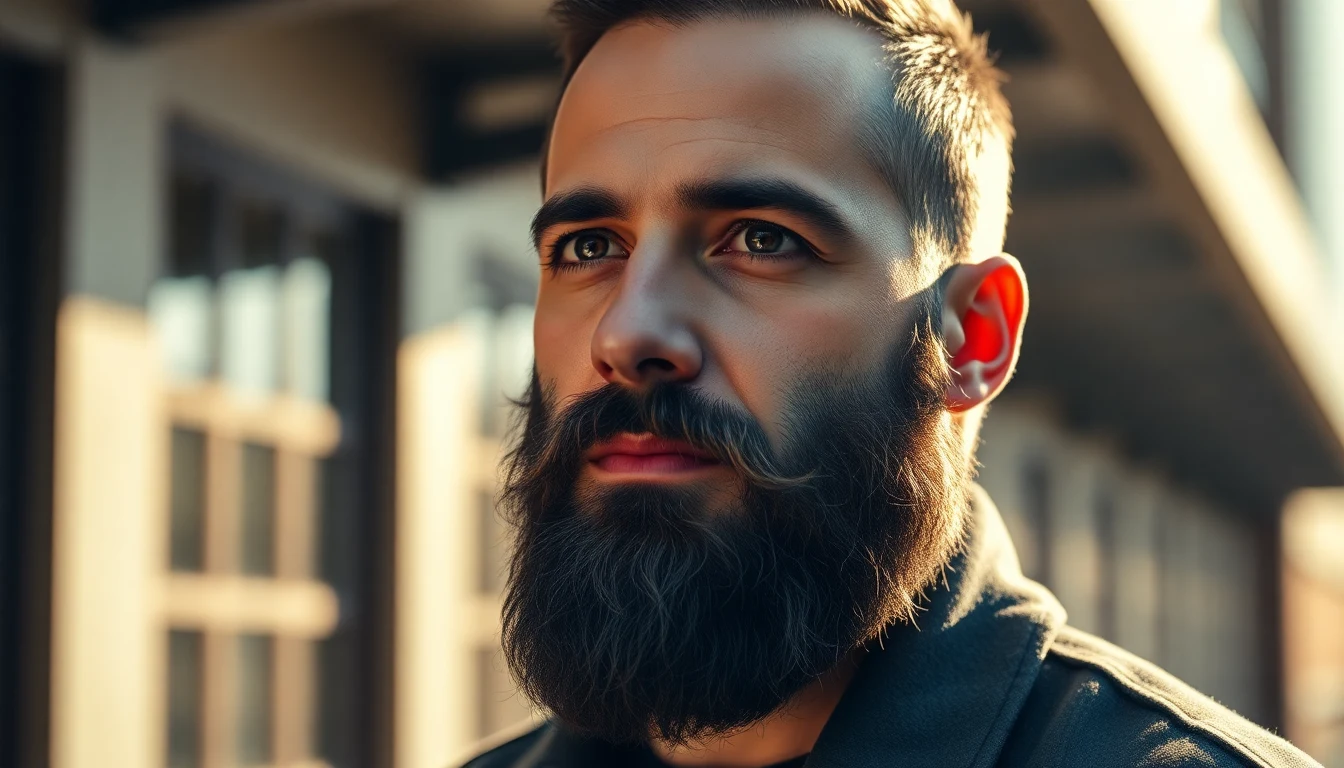
If you choose to embrace your gray, note that gray beard hair tends to be coarser and drier than pigmented hair. Increase your oiling frequency and use a richer conditioner to keep gray hairs soft. If you choose to use henna, consult with experienced users about achieving a natural-looking result, as henna can sometimes produce a very red-orange tone that may not be what you expect.
Growing Your Beard: Guidance for New Kesh Keepers
If you are new to keeping kesh, the early stages of beard growth can be challenging. Here is what to expect and how to navigate the awkward phases.
The First Month: Itching and Patchiness
The first few weeks of beard growth are often the most uncomfortable. Your skin is adjusting to hair that has not been there before (or hair that is growing back after being shaved). Itching is normal and usually subsides within two to four weeks. To manage it, wash your face and beard area daily, apply a light moisturizer or beard oil, and resist the urge to scratch vigorously. If you notice dry, flaky skin, use Head and Shoulders Itchy Scalp Care as a face wash on the bearded area.
Patchiness is also common in the early stages. Most men do not grow a perfectly even beard, especially at first. Areas that appear thin will often fill in over the coming months as slower-growing follicles catch up. Give your beard at least three months before making any judgments about its coverage or fullness. When it comes to sikh beard styles and length, technique matters most.
Months Two Through Six: The Awkward Phase
Between one and six months of growth, many men hit an awkward phase where the beard is too long to look neat on its own but too short to tie or set. This is the phase where many men are tempted to give up. Do not. During this time, focus on consistent oiling, combing in a downward direction, and using a light beard balm to add shape and control. The beard will not look its best during this phase, and that is normal. Push through it.
Six Months and Beyond: Establishing Your Beard
After six months, most beards have reached a length where they begin to take on a natural shape and flow. This is when you can start experimenting with different presentation styles (open vs. set, various oiling routines, etc.) and settle into a maintenance routine that works for your specific beard type and lifestyle.
Frequently Asked Questions
Is it acceptable for an Amritdhari Sikh to use beard straightening products?
This depends on the product and the interpretation. Products that temporarily smooth or relax the beard (like balms, oils, or hot towel treatments) without chemically altering the hair structure are generally considered acceptable. Chemical straightening treatments that permanently alter the hair’s keratin bonds are more controversial, as some view them as altering the natural form of the kesh. Consult with your Panj Pyare if you are uncertain about a specific product or technique.
How do I eat neatly with a long kesh beard?
This is one of the most practical challenges of a very long beard. Many Amritdhari Sikhs tuck their beard behind their ears or hold it to one side while eating. Some use the fixo or tie their beard closer to the jaw during meals. Eating with a long beard does require some awareness, especially with foods like soup, curry, or anything with sauce. Keep a napkin handy, and do not be self-conscious about it. Every long-bearded Singh has the same experience.
My beard grows in different directions. How do I make it look neat?
Train the beard through consistent combing in the desired direction, ideally after applying oil. The combination of oil weight and directional combing will gradually teach your beard hairs to lay in a more uniform pattern. Using a beard balm adds hold that reinforces the trained direction. This process takes weeks of consistency, not days, so be patient.
How can I reduce beard frizz without trimming?
Frizz is caused by dry, damaged hair cuticles. The solution is moisture and sealing. Condition your beard after every wash. Apply oil to damp beard hair to lock in moisture. Use a beard balm for a smooth finish. Avoid touching or rubbing your beard throughout the day, as friction creates frizz. Sleeping on a satin pillowcase also reduces overnight frizz significantly.
Is it normal for a Sikh beard to have different textures in different areas?
Absolutely. Most beards have multiple textures. The chin may grow straight while the cheeks grow curly. The mustache may be wiry while the jaw is soft. This variation is genetically determined and completely normal. Rather than fighting these different textures, work with them. Apply extra conditioning to wiry areas. Use balm to smooth curly sections. Over time, the weight of a longer beard creates more uniformity naturally.
Conclusion
The Sikh beard, in all its variations, is a statement of identity and faith. Whether yours reaches your chest or is just beginning to grow past your jawline, it deserves care, attention, and the right products. The spectrum of Sikh beard practice is broad, and there is no single “correct” beard. What matters is that you care for what you have with intention, that you present yourself to the world with dignity, and that your beard, whatever its length, reflects the discipline and self-respect that are central to Sikh life.
Oil it, comb it, wash it, and wear it with pride. Your beard is not just facial hair. It is your daily, visible commitment to the path you have chosen. And with the right care, it will be one of the most distinguished features about you.
Frequently Asked Questions
What are the main differences between Amritdhari and Keshdhari Sikh beard styles?
Amritdhari Sikhs, who have taken Amrit, typically maintain full, flowing kesh beards that can reach the chest and are carefully oiled and maintained with a fixo underneath the turban. Keshdhari Sikhs who haven’t taken Amrit may wear shorter beards, often around three inches, depending on when they began keeping kesh. Both are valid expressions of Sikh faith, and the difference reflects individual spiritual commitment rather than any hierarchy of practice.
How should you care for a full Sikh beard if you’re just starting to grow it out?
When growing a new Sikh beard, you should expect patchiness in the early stages and allow time for full growth before judging the final appearance. Regular oiling and combing help train the hair and maintain cleanliness as it grows, and patience is essential since reaching full kesh length takes considerable time. It’s helpful to consult with community elders or a Granthi for guidance specific to your personal grooming journey.
Are there specific products recommended for maintaining Sikh beard styles and length?
The article provides product recommendations tailored to different beard stages and lengths, including oils for maintenance and tools for styling longer kesh beards. The specific products chosen should support your individual beard care routine, whether you’re maintaining a three-inch style or a full chest-length kesh beard. Consulting with your Granthi or community can help you select products that align with your spiritual practice.
Is there a judgment within the Sikh community about different beard lengths and styles?
No, the Sikh community recognizes that beard practice exists on a spectrum and each person’s journey deserves respect, as illustrated by families where devout Sikhs maintain different beard lengths based on their level of observance. Whether you’re maintaining a full kesh beard, a shorter three-inch style, or growing one for the first time, there is no hierarchy or judgment among practicing Sikhs. Your grooming choices should reflect your own spiritual path and observance level.