
If you want to master sikh wedding grooming guide for, this guide covers everything you need to know. Last updated: February 2026 by Arjun Singh-Goldstein, Interfaith Grooming Specialist
My cousin’s Anand Karaj at a Gurdwara in Fremont, California, is still one of the most beautiful ceremonies I have ever witnessed. As part of the groom’s side, I had the honor of helping him prepare that morning. Watching him tie his wedding dastar, a stunning saffron and gold silk, while the kirtan played softly from a speaker in the next room, I understood something fundamental: preparation is prayer. Every fold of fabric, every drop of oil worked through his beard, every careful adjustment in the mirror was an act of reverence for the ceremony about to take place. If you have a Sikh wedding on the horizon, whether as the groom, a groomsman, or a guest, this guide will help you prepare with the same intentionality.
A Sikh wedding is not a casual affair. The Anand Karaj (Ceremony of Bliss) is a sacred union performed in the presence of the Guru Granth Sahib, and every element of your appearance should reflect the gravity and joy of the occasion. This guide covers everything from weeks-ahead skin preparation to the morning-of turban tying, so you can walk into that Gurdwara feeling confident, well-groomed, and spiritually ready. For expert guidance on this topic, consult SikhNet’s community resources on Sikh lifestyle and traditions.
Religious Note: Grooming practices within the Sikh faith are deeply personal and connected to each individual’s level of observance. Always consult with your Granthi, Panj Pyare, or trusted community elders to confirm that any grooming suggestions mentioned here align with your personal practice and the Rehat Maryada (Sikh code of conduct).
Understanding the Anand Karaj Ceremony : Sikh Wedding Grooming Guide For
Before discussing grooming, it helps to understand the ceremony you are preparing for. The Anand Karaj literally translates to “Ceremony of Bliss” and is the Sikh marriage ceremony. It takes place in the presence of the Guru Granth Sahib, with the couple circling the holy scripture four times while the Lavan (four wedding hymns composed by Guru Ram Das Ji) are recited. The ceremony is deeply spiritual, focusing on the couple’s journey toward union with God through their partnership.

The Anand Karaj can take place at a Gurdwara or at any location where the Guru Granth Sahib is installed with proper reverence. The ceremony itself typically lasts about an hour, but the full wedding day, including the Milni (meeting of the families), the Ardas (prayers), the ceremony, and the langar (communal meal), can span several hours. Your grooming needs to hold up for the duration.
Traditionally, the groom wears a sherwani, achkan, or kurta pajama in rich, celebratory colors. His dastar is often the centerpiece of his outfit, matched to his clothing or intentionally contrasting. The sehra (a decorative veil of flowers or beaded strings) hangs from the front of the turban, framing his face. Every element works together, and grooming is the foundation that holds it all in place.
Four Weeks Before the Wedding: Skin Preparation
Great skin on the wedding day starts weeks in advance. Four weeks gives you enough time to address common issues without rushing or risking a bad reaction to new products.
Establish a Consistent Routine
If you do not already have a skincare routine, now is the time to start one. Keep it simple: a gentle cleanser morning and evening, a lightweight moisturizer, and sunscreen during the day. The goal for the first two weeks is to get your skin accustomed to regular care. Do not introduce any harsh active ingredients (like strong retinols or chemical peels) this close to the wedding, as they can cause purging or irritation that may not resolve in time.
Address Specific Concerns Early
If you have hyperpigmentation along your turban line, start using a niacinamide serum (5 to 10 percent) now. Four weeks is just enough time to see meaningful improvement. If you deal with acne, a consistent cleansing routine with salicylic acid will help. If your under-beard skin is flaky or rough, begin a regimen of gentle exfoliation and regular beard oil application.
Hydrate and Nourish
Drink plenty of water in the weeks leading up to the wedding. Well-hydrated skin photographs better, feels more comfortable under a turban, and holds up longer during a full day of celebration. Consider adding a hydrating face mask to your weekly routine. A simple sheet mask or a homemade multani mitti mask with rose water once a week will do wonders for your complexion.
Two Weeks Before: Beard Preparation
Your beard will be prominently on display during the wedding, and photographs will capture it from every angle. Two weeks of dedicated beard care will ensure it looks its absolute best.
Deep Conditioning
Start deep conditioning your beard twice a week. Apply a generous amount of coconut oil or almond oil to your beard, working it through from root to tip. Leave it on for at least thirty minutes (overnight is even better), then wash it out with a gentle shampoo. This will make your beard softer, shinier, and more manageable for the wedding day. Mastering sikh wedding grooming guide for takes practice but delivers great results.
Detangling and Combing
Spend extra time combing your beard during these two weeks. Use a wide-tooth comb first to work through major tangles, then follow with your kanga or a finer beard comb. Regular combing trains your beard hairs to lay in a consistent direction, which makes a significant difference in how your beard looks on the day.
Addressing Beard Dandruff
Nothing ruins wedding photos like visible flakes in your beard. If you have any tendency toward beard dandruff, use Nizoral Anti-Dandruff Shampoo as a beard wash three times a week for these two weeks. The ketoconazole will eliminate the fungus that causes flaking. Follow with beard oil to prevent the dryness that can accompany antifungal treatment.
One Week Before: Dastar Selection and Preparation
The wedding dastar is often the most striking element of a Sikh groom’s outfit, and choosing the right one requires thought and preparation.
Choosing the Fabric
For a wedding, most grooms choose silk, silk-blend, or brocade fabric. Silk has a natural luster that photographs beautifully and adds an element of celebration. However, silk is significantly harder to tie than cotton rubia voile. If you are not an experienced turban tyer, consider having a professional turban tyer (pagri bandhne wala) help you on the morning of the wedding. Many Indian and Sikh event planners can recommend one.

Alternatively, a high-quality starched rubia voile in a rich color can look nearly as impressive as silk, especially in photographs, and is much easier to tie securely. This is the route I recommend for grooms who tie their own turban.
Color Coordination
Your dastar should complement your sherwani or outfit. There are two approaches: matching and contrasting. A matching turban (same color family as your outfit) creates an elegant, coordinated look. A contrasting turban (for example, saffron turban with a navy sherwani) creates a bolder, more dramatic look. Both are traditional and appropriate.
Common wedding dastar colors include saffron (representing Khalsa tradition), red or maroon (representing celebration in Punjabi culture), gold (representing prosperity), and royal blue (representing the Khalsa spirit). Discuss color choices with the bride’s family as well, since many Sikh weddings coordinate the groom’s turban with the bride’s outfit.
Practice Tying
If you plan to tie your own wedding dastar, practice with the actual fabric at least three to four times during the week before the wedding. Silk and brocade behave very differently from cotton. They are slippery, less forgiving, and require a different tension. Each practice session should include putting on and adjusting the sehra, so you know how the total look will come together.
The Sehra: Wedding Turban Decoration
The sehra is a decorative veil that hangs from the front of the groom’s turban, covering his face. In Sikh weddings, the sehra is traditionally made from fresh flowers (particularly marigolds and jasmine), though modern sehras are also made from beads, crystals, or decorative strings. The sehra is tied to the turban before the groom enters the Gurdwara for the ceremony, usually by the groom’s mother or sister.
When selecting a sehra, consider the weight. A heavy sehra can pull your turban forward over the course of several hours. If you are using a fresh flower sehra, make sure it is not so heavy that it distorts the shape of your dastar. Bead and crystal sehras are lighter and more predictable. Attach the sehra with turban pins at multiple points across the front of the turban to distribute the weight evenly.
Some grooms also wear a kalgi (a turban ornament or plume) at the top of their dastar. The kalgi is typically a jeweled or metallic ornament that adds height and grandeur. Like the sehra, it should be pinned securely so it does not shift during the ceremony.
Morning of the Wedding: Your Complete Grooming Routine
The morning of the wedding is not the time for experiments. Every product should be something you have used before, and every step should be practiced. Here is the complete routine, from shower to Gurdwara.
Step 1: Wash and Condition Your Kesh (45 Minutes Before Dressing)
Wash your kesh with a nourishing shampoo like Dove Intense Repair and condition thoroughly. This is not a quick rinse; give the conditioner five minutes to work. Rinse completely. Leaving conditioner residue can make your hair slippery, which will make turban tying more difficult.
Step 2: Oil Your Kesh (35 Minutes Before Dressing)
Towel-dry your kesh until it is damp but not dripping. Apply a light layer of hair oil to keep your kesh manageable under the turban all day. Do not over-oil; you want just enough for softness and manageability without making the fabric of your turban absorb oil and darken. Understanding sikh wedding grooming guide for is key to a great grooming routine.
Step 3: Tie Your Joora
Comb your kesh thoroughly with your kanga, then tie your joora. For a wedding, position the joora slightly forward on the crown of your head, as this creates a better base for a taller, more structured turban shape.
Step 4: Skincare
Cleanse your face, apply a lightweight moisturizer, and let it absorb for five minutes before touching the turban fabric to your forehead. If you will be outdoors for photographs, apply sunscreen to exposed skin.
Step 5: Beard Preparation
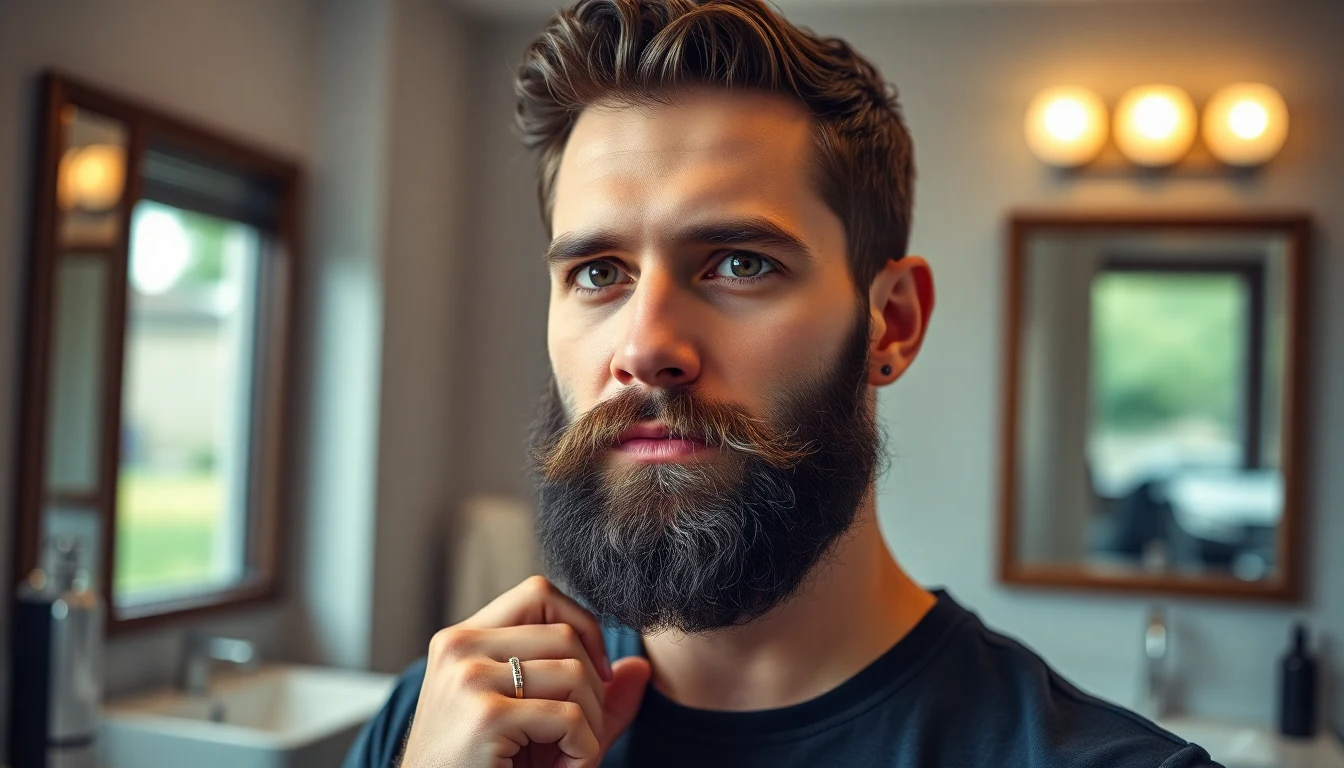
Apply beard balm through the full length of your beard. Comb it out carefully. If you traditionally set your beard (rolling and tying it close to the jaw), do this now. If you wear your beard open, ensure it is well-shaped and there are no stray hairs going in random directions. For a wedding, you want your beard to look intentional and cared-for.
Step 6: Tie Your Dastar
This is the main event. Whether you are tying your own turban or having a professional help you, give yourself plenty of time. A wedding dastar should take fifteen to twenty minutes to tie properly, longer if you are using silk fabric. Tie it slightly tighter than your everyday dastar, as you need it to hold its shape through hours of ceremony, photography, and celebration.
Step 7: Attach the Sehra and Kalgi
Once the dastar is tied, have a family member or friend help you attach the sehra and kalgi. Use turban pins to secure them firmly. Check the placement in the mirror from multiple angles. The sehra should hang evenly across your forehead, and the kalgi should sit centered at the peak of the turban.
Step 8: Fragrance
Apply your chosen fragrance as the final step. For Sikh weddings, attars (concentrated oil-based perfumes) are a traditional and fitting choice. Apply to pulse points: wrists, neck, behind the ears. A quality attar will last the full day without needing reapplication.
Choosing the Right Fragrance for the Occasion
Fragrance selection for a Sikh wedding deserves special attention. You want something that feels festive and memorable without being overpowering in the close, sacred space of the Gurdwara.
Attars are the most traditional choice. These concentrated oil-based perfumes have been used in South Asian culture for centuries. They project gently, do not overwhelm in enclosed spaces, and their oil base means they last longer than alcohol-based sprays. Rose, sandalwood, and oud are classic attar notes that feel appropriate for a wedding. Swiss Arabian Layali offers a beautiful blend that works well for celebrations.
Alcohol-free options are preferred by many observant Sikhs. Attars are naturally alcohol-free, making them an ideal choice. Al Rehab Crown Perfume Oil is another excellent alcohol-free option with a warm, sophisticated scent profile.
Whatever fragrance you choose, test it at least a week before the wedding to make sure it does not interact badly with your skin chemistry or cause any irritation. The last thing you want on your wedding day is a fragrance that smells different on your skin than it did in the bottle.
Grooming Tips for Sikh Wedding Guests
You do not have to be the groom to look your best at a Sikh wedding. If you are attending as a guest, groomsman, or family member, here are some pointers.
Your dastar should be fresh and well-starched. A Sikh wedding is a formal occasion, and your turban should reflect that. Tie a fresh, crisp dastar in a color that complements your outfit. Avoid wearing the same color as the groom unless you have been specifically asked to do so as part of the wedding party.
Groom your beard thoroughly. A wedding is not the day for a lived-in, casual beard look. Wash, oil, and comb your beard before dressing. If you set your beard, do so neatly. If you wear it open, make sure it is well-shaped and clean.
Cover your head in the Gurdwara. This applies to all guests, Sikh or not. If you do not wear a dastar, bring a clean bandana or cloth to cover your head during the ceremony. Many Gurdwaras provide head coverings for guests, but bringing your own shows respect and preparation. When it comes to sikh wedding grooming guide for, technique matters most.
Choose appropriate fragrance levels. The Gurdwara is a sacred space, and you will be sitting in close proximity to other guests for an extended period. Wear fragrance, but do not drench yourself. Two to three sprays or dabs of attar is plenty.
Coordinating Your Dastar with Sherwani
The coordination between your dastar and your wedding outfit (sherwani, achkan, or kurta) is one of the most impactful style decisions you will make for the day. Here are proven combinations that work.
Maroon sherwani with gold dastar: This is a classic, regal combination. The warmth of maroon pairs beautifully with the richness of gold silk.
Navy sherwani with saffron dastar: This creates a striking, high-contrast look that photographs exceptionally well. The saffron adds Khalsa symbolism to a modern outfit.
Ivory sherwani with red dastar: Red is a traditional wedding color in Punjabi culture, and pairing it with ivory creates a look that is both classic and celebratory.
All-white combination: A white sherwani with a white dastar creates a clean, ethereal look that is particularly popular in some Sikh communities. This combination is associated with purity and spiritual focus.
Whatever combination you choose, make sure the fabrics complement each other. A matte cotton turban paired with a heavily embroidered silk sherwani will look mismatched. A silk turban with silk clothing creates visual harmony.
Frequently Asked Questions
Should I hire a professional turban tyer for my wedding?
If you are not confident in your ability to tie a silk or brocade turban, hiring a professional is a wise investment. Professional turban tyers (often available through South Asian wedding planners or Gurdwara referrals) can create an incredibly precise, photogenic turban that will last all day. Expect to pay $100 to $300 for this service, depending on your location and the complexity of the style. If you do tie your own turban, practice with the actual wedding fabric at least four to five times in advance.
How do I keep my turban looking fresh during a long wedding day?
Tie it slightly tighter than usual (without causing discomfort), use turban pins at all critical points, and avoid touching or adjusting it throughout the day. If you need adjustments, step into a restroom and use the mirror rather than making adjustments by feel. Carry a few spare turban pins in your pocket in case one comes loose.
What if the bride’s family expects a different turban style than I usually wear?
Communication is key. In some Sikh wedding traditions, the bride’s family presents the groom with a turban (palla or saffa) as part of the Milni ceremony. If this is the case, discuss color preferences in advance. If there is a specific style expectation (for example, some families prefer a Patiala shahi while others prefer a Dumalla), talk about it early so you can practice the appropriate style.
Can non-Sikh groomsmen wear a turban for the ceremony?
Non-Sikh groomsmen wearing turbans at a Sikh wedding is generally seen as a respectful gesture, especially if they are doing so to honor the occasion and the groom’s tradition. However, it is courteous to ask the groom and his family if this would be appreciated. If non-Sikh groomsmen do wear turbans, they should be tied neatly and worn respectfully throughout the ceremony.
Conclusion
A Sikh wedding is one of the most joyful, spiritually rich experiences in a man’s life. Whether you are the groom circling the Guru Granth Sahib or a guest witnessing the Lavan from the sangat, your grooming is an expression of respect for the ceremony, for the couple, and for the Guru’s presence. Start your preparation weeks in advance, choose your dastar and fragrance with care, and walk into that Gurdwara knowing that every fold of your turban and every hair of your beard has been tended with intention. That is the Sikh way.
Frequently Asked Questions
What is the Sikh wedding grooming guide for men covering as the groom?
The Sikh wedding grooming guide for men covers everything from weeks-ahead skin preparation to morning-of turban tying, including beard maintenance, dastar (turban) selection and styling, and skincare routines tailored to your specific needs. It emphasizes treating grooming as an act of reverence for the Anand Karaj ceremony, where every detail reflects the sacred nature of the occasion.
How should I prepare my beard and facial hair for an Anand Karaj ceremony?
You should begin beard preparation weeks in advance by maintaining consistent oil conditioning and gentle grooming to keep your beard healthy and well-defined. On the morning of the ceremony, carefully oil and comb your beard, ensuring it’s clean and presentable, as facial hair is an important part of Sikh tradition and appearance at weddings.
What role does the dastar play in Sikh wedding grooming, and how do I choose one?
The dastar (turban) is a central element of Sikh wedding appearance and serves as both a spiritual and aesthetic statement for the ceremony. You should select high-quality silk dastar in traditional colors like saffron and gold, and practice tying it properly before the wedding day to ensure you feel confident and respectful during the Anand Karaj.
Should I consult with anyone before making grooming choices for a Sikh wedding?
Yes, grooming practices within the Sikh faith are deeply personal and connected to your level of observance, so you should consult with your Granthi, Panj Pyare, or trusted community elders to ensure your grooming choices align with the Rehat Maryada (Sikh code of conduct) and your personal practice. This consultation helps you prepare authentically and respectfully for the sacred ceremony.