
Single Blade vs Multi-Blade Razors: Which Gives a Better Shave?
If you want to learn more about single blade razors vs, you’ve come to the right place. The single blade vs multi-blade razor debate has been going on since Gillette introduced the first twin-blade cartridge in 1971. Five decades later, we have cartridges with five and six blades, and at the same time, a massive resurgence in single-blade safety razors and straight razors. Both sides claim to deliver the superior shave. So what is actually true?
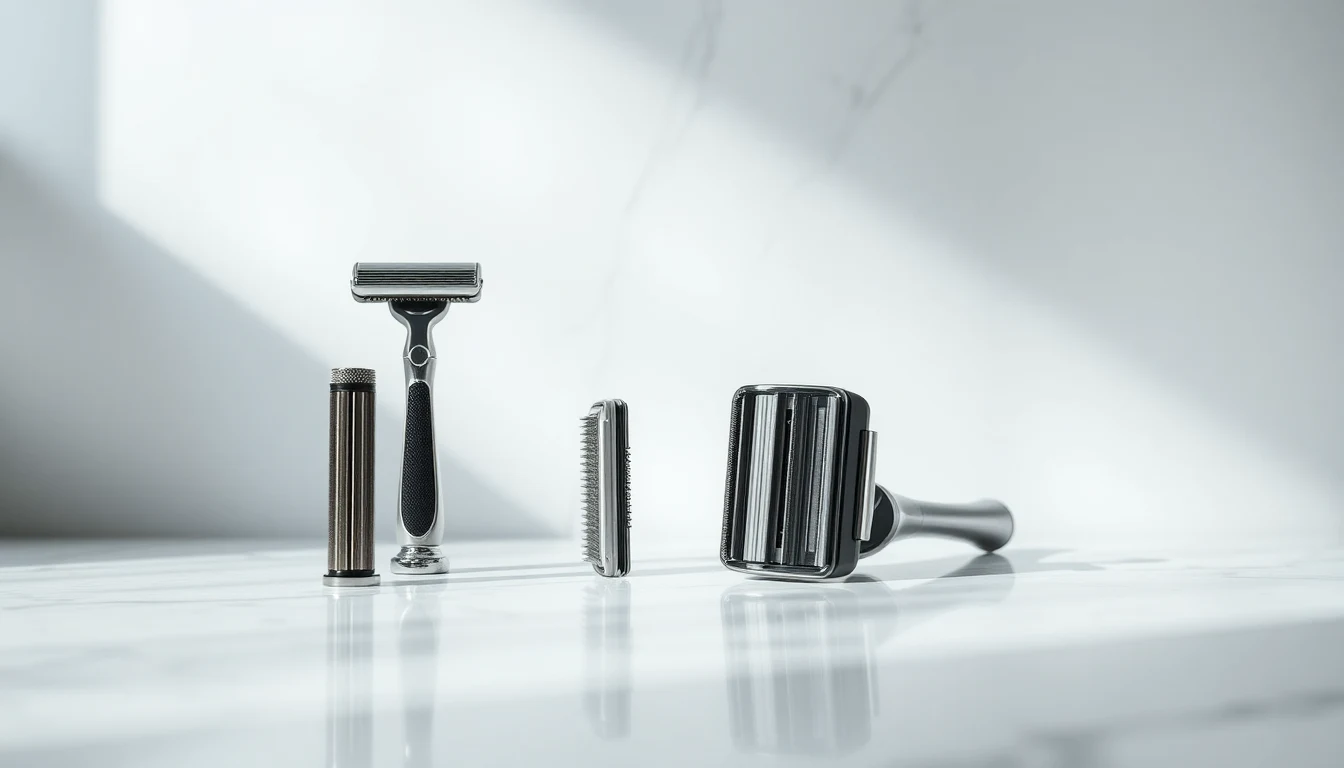
I have shaved with everything from disposable single-blade razors to six-blade cartridges, from vintage safety razors to Japanese straight razors. The honest answer is that both systems work well, but they work well for different reasons and for different men. This guide gives you the straight comparison so you can pick the right tool for your face, your skin, and your routine.
How Single-Blade Razors Work for Single Blade Razors Vs
A single-blade razor puts one cutting edge against your skin. That is it. No engineering gimmicks, no spring-loaded cartridge, no lubricating strip. Just one sharp blade doing one job.
Safety Razors
The double-edge safety razor is the most popular single-blade option. A thin, double-sided blade sits in a metal head that exposes just enough of the edge to cut hair while a guard bar limits how deep the blade can go. The “safety” in the name refers to this guard, which was a revelation when it replaced the straight razor as the everyday shaving tool in the early 1900s.
Safety razors come in different levels of aggressiveness. A mild razor like the Merkur 34C has a smaller blade gap and works well for men with sensitive skin. An aggressive razor exposes more blade and removes more hair per pass, which suits men with thick, coarse beards. Adjustable razors let you dial in the aggressiveness to match your needs.
Straight Razors
The original single-blade shaving tool. A straight razor is essentially a naked blade that you hold at a 30-degree angle against your skin with no guard at all. It requires more skill but gives you complete control over pressure, angle, and stroke direction. Learning to shave with a straight razor takes 3 to 4 weeks, but the payoff in closeness and precision is real.
Shavettes
A shavette looks and handles like a straight razor but uses disposable blades instead of a permanent blade that needs honing. It is a good middle ground for men who want the straight razor experience without the maintenance commitment.
How Multi-Blade Razors Work
Multi-blade cartridges use a principle called hysteresis, also known as lift-and-cut. The first blade catches a hair and lifts it slightly out of the follicle. Before the hair can retract, the second blade cuts it at a lower point. Each additional blade repeats this cycle, theoretically cutting the hair progressively shorter with each pass of a single blade.
The Engineering Behind It
Modern cartridge razors are genuinely impressive pieces of engineering. Blades are mounted on spring-loaded platforms that pivot to follow facial contours. Lubricating strips with aloe or vitamin E coat the skin as the cartridge passes. Precision trimmer blades on the back handle detail work around sideburns and under the nose. Some cartridges even have micro-fins that stretch the skin ahead of the blades.
Popular Multi-Blade Options
The market ranges from two-blade systems like the Gillette SkinGuard (designed specifically for sensitive skin) to five-blade systems like the Gillette Fusion5 and Schick Hydro 5. Six-blade options exist from smaller brands. The most popular cartridges in the US are three to five blades, with five-blade systems dominating shelf space.
Closeness Comparison
Here is where things get interesting. The marketing from cartridge companies would have you believe that more blades equals a closer shave. The reality is more nuanced than that.
Multi-Blade Advantage: One-Pass Closeness
In a single pass with minimal technique, a five-blade cartridge will remove more hair than a single-blade safety razor. The lift-and-cut mechanism and multiple cutting edges mean you are getting several cuts with each stroke. For a man who wants to make two or three quick passes and be done, cartridges deliver solid results with minimal effort.
Single-Blade Advantage: Multi-Pass Closeness
A safety razor or straight razor with proper technique (a with-the-grain pass followed by an across-the-grain pass) achieves a level of closeness that matches or exceeds a cartridge. The single blade cuts hair cleanly at the skin’s surface, and because you are making deliberate, controlled passes from different directions, you catch hairs that a cartridge might push flat rather than cut. Many men who switch from cartridges to safety razors report that their afternoon stubble takes longer to appear.
The Verdict on Closeness
With equal technique and effort, a single-blade razor gives a marginally closer shave. With minimal technique and rushed execution, a multi-blade cartridge gives a closer shave. The difference is smaller than either side wants to admit. If closeness is your only concern and you shave quickly, cartridges work fine. If you are willing to invest 10 to 15 minutes and proper technique, single blades pull ahead.
Razor Bumps and Ingrown Hairs
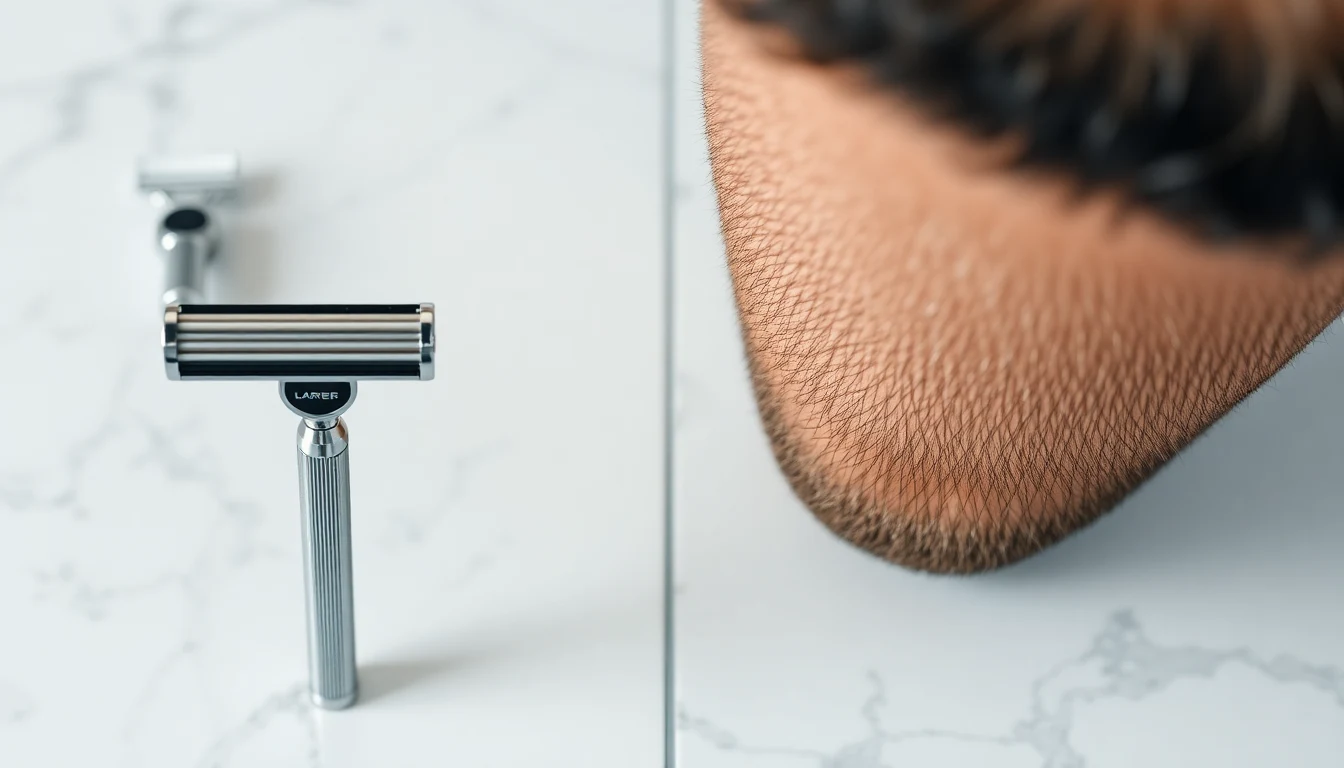
This is where the single-blade razor wins convincingly, and it is not close. Mastering single blade vs multi-blade razors takes practice but delivers great results. Mastering single blade vs multi-blade razors takes practice but delivers great results. Mastering single blade vs multi-blade razors takes practice but delivers great results. Mastering single blade vs multi-blade razors takes practice but delivers great results. Mastering single blade vs multi-blade razors takes practice but delivers great results.
Why Multi-Blade Razors Cause More Bumps
The same lift-and-cut mechanism that gives cartridges their one-pass closeness is also what causes problems. When the first blade lifts a hair and the second blade cuts it below the skin surface, that hair tip retracts into the follicle. If the hair is curly or coarse, it can curl back into the skin as it grows, creating an ingrown hair. Multiply this across five blades and thousands of hairs, and you get the persistent razor bump problem that plagues many men.
Why Single Blades Are Better for Bumps
A single blade cuts hair at the skin surface, not below it. There is no lift-and-cut, no sub-surface cutting. The hair grows back from a clean cut at the skin line, which dramatically reduces the chance of it curling inward. Dermatologists have been recommending single-blade razors for razor bump prevention for decades. This is not marketing. It is basic physics and dermatology.
Who This Matters Most For
Men with curly or coarse facial hair are the most affected. This includes most Black men, many Hispanic men, and white men with particularly wiry or curly beards. If you have dealt with persistent pseudofolliculitis barbae (the clinical name for razor bumps), switching to a single-blade razor is one of the most effective changes you can make. Pair it with a good shaving cream and aftershave and you will see improvement within 2 to 3 weeks.
Skin Irritation
Beyond razor bumps, general skin irritation, including redness, burning, and dryness, is a major factor in choosing your shaving tool.
Multi-Blade Irritation
Every blade that passes over your skin creates friction. Five blades means five passes of friction in a single stroke. Even with lubricating strips and pivoting heads, that is a lot of contact. Men with sensitive skin often find that cartridge razors leave their face red and irritated, especially on the neck where skin is thinner and more reactive. The canned shaving gels that most cartridge users pair with their razors do not help, as many contain alcohol and chemical propellants that further irritate skin.
Single-Blade Irritation
A single blade means one pass of friction per stroke. Combined with a proper shaving soap or cream and a pre-shave routine that softens hair and prepares the skin, single-blade shaving can be remarkably gentle. That said, poor technique with a safety razor, particularly too much pressure or a blade angle that is too steep, can cause significant irritation. The blade does not forgive sloppy form the way a spring-loaded cartridge does.
The Key Difference
Multi-blade irritation is caused by the tool itself (multiple friction points). Single-blade irritation is caused by poor technique. One is inherent to the design. The other is fixable with practice. This is why men who switch to safety razors sometimes have a rough first two weeks before their technique improves and irritation drops significantly below what they experienced with cartridges. For more guidance, American Academy of Dermatology provides expert resources on skin and hair care.
Cost Over Time
This is where the single-blade razor absolutely dominates, and it is one of the primary reasons men make the switch.
Multi-Blade Costs
A pack of four Gillette Fusion5 cartridges retails for $18 to $22. Each cartridge lasts about a week with daily shaving. That is roughly $4 to $5.50 per week, or $230 to $290 per year just for blades. Add in canned shaving gel at $4 to $6 per can (about one per month), and you are looking at $280 to $360 annually. Over 10 years, that is $2,800 to $3,600.
Single-Blade Costs
A quality safety razor like the Merkur 34C costs about $30 to $40 and lasts essentially forever. Double-edge blades cost $0.08 to $0.25 each and last 3 to 7 shaves depending on the blade and your beard. Even at the high end, that is about $25 per year in blades. A puck of quality shaving soap runs $10 to $20 and lasts 3 to 6 months. Annual cost after the initial investment: roughly $45 to $80. Over 10 years: $450 to $800, including the razor and brush.
The Math Is Brutal
Single-blade shaving costs roughly 75 to 80 percent less than cartridge shaving over time. A man who switches at age 25 and shaves for the next 40 years saves somewhere between $8,000 and $12,000 in today’s dollars. That is not pocket change. It is a vacation fund.
Convenience and Speed
This is where multi-blade cartridges earn their keep, and it is a legitimate advantage.
Multi-Blade Speed
A cartridge shave takes 3 to 5 minutes for most men. Apply foam, make a few passes, rinse, done. The pivoting head follows your face’s contours automatically. The guard prevents most nicks even with sloppy technique. You can shave in the shower without a mirror if you are in a hurry. For men with packed morning schedules, that speed matters.
Single-Blade Time Investment
A proper safety razor shave takes 8 to 15 minutes. That includes building lather, a with-the-grain pass, re-lathering, an across-the-grain pass, and post-shave care. A straight razor shave takes 15 to 20 minutes, more if you include the stropping time. There is no rushing a single-blade shave without consequences.
Travel Convenience
Cartridge razors are TSA-friendly for carry-on bags. Safety razor handles can fly, but the double-edge blades go in checked luggage only. Straight razors are a definite no for carry-on. If you travel frequently with only a carry-on bag, cartridges have a practical advantage. Many safety razor enthusiasts keep a cartridge razor specifically for travel. Understanding single blade vs multi-blade razors is key to a great grooming routine. Understanding single blade vs multi-blade razors is key to a great grooming routine. Understanding single blade vs multi-blade razors is key to a great grooming routine. Understanding single blade vs multi-blade razors is key to a great grooming routine. Understanding single blade vs multi-blade razors is key to a great grooming routine.
Who Should Use a Single-Blade Razor
Based on everything above, single-blade razors are the better choice for these men.
Men Prone to Razor Bumps
If you get ingrown hairs or bumps regularly, switching to a single blade is one of the most effective interventions available. The absence of lift-and-cut technology means hair is cut at the surface, not yanked below it. Combined with proper technique and a good post-shave routine, most men see a dramatic reduction in bumps within 2 to 3 weeks.
Men with Coarse or Curly Beards
Coarse, curly hair is the most prone to being pulled below the skin by multi-blade cartridges. A single blade treats each hair individually and cuts it cleanly without manipulation. If your beard hair tends to be wiry or spirals when it grows, single blade is your friend.
Budget-Conscious Shavers
The math speaks for itself. If spending $250+ per year on cartridges bothers you (and it should), a $35 safety razor and $0.10 blades will feel like liberation. The upfront cost is recovered within 2 to 3 months.
Men Who Enjoy the Process
If you view shaving as a craft rather than a chore, single-blade shaving is far more engaging. The ritual of building lather, the focus required for proper technique, the satisfaction of mastering a skill. For men who enjoy hands-on craftsmanship, it scratches the same itch as cooking from scratch or working with hand tools.
Men with Sensitive Skin
Less blade contact means less friction, which means less irritation. A mild safety razor with a quality blade and proper lather can be gentler on sensitive skin than even the most advanced multi-blade cartridge. The key is technique. A safety razor with no pressure and the right angle produces almost zero irritation.
Who Should Use a Multi-Blade Razor
Multi-blade cartridges are the better choice for these men.
Men Who Prioritize Speed
If your morning routine is measured in minutes, not in enjoyment, a cartridge razor gets the job done quickly and competently. A five-blade cartridge with a decent shaving cream delivers a respectable shave in 3 to 5 minutes with minimal risk of cuts.
Men Sensitive to Technique
Some men simply do not want to learn a new skill for their morning shave. A cartridge razor is forgiving. Bad angle? The pivot adjusts. Too much pressure? The spring absorbs it. Wrong direction? The guard still prevents most cuts. If you want a tool that requires no learning curve, cartridges deliver.
Beginning Shavers
Young men shaving for the first time have enough to worry about without adding blade angle and grain direction to the equation. Starting with a quality cartridge razor (not a cheap disposable) builds confidence and establishes basic shaving habits. Transitioning to a safety razor later, once the fundamentals are solid, is a natural progression.
Frequent Travelers
If you fly carry-on-only multiple times per month, the convenience of throwing a cartridge razor in your bag without worrying about blade regulations is a genuine practical advantage.
Making the Switch: Cartridge to Single Blade
If you have decided to try single-blade shaving, here is the practical roadmap.
Start with a Safety Razor
A safety razor is the most approachable entry point. The guard provides some protection while you learn proper angle and pressure. Pick up a Merkur 34C or similar mid-range razor, a sample pack of different blade brands (blade feel is highly personal), a quality brush, and a good soap or cream.
Technique Basics
Hold the razor at about 30 degrees. Use zero pressure, just let the weight of the razor head do the work. Shave with the grain on your first pass, re-lather, then shave across the grain on your second pass. That two-pass approach gives you a close, comfortable shave while you are learning. Wet shaving with a proper lather is essential. Do not try to use a safety razor with canned foam.
Give It Three Weeks
Your first few shaves will be slower and possibly less close than your cartridge. This is normal. Your skin also needs time to adjust to a different shaving method. By week 2, your technique will improve noticeably. By week 3, most men are getting better shaves than they ever did with a cartridge and experiencing significantly less irritation. When it comes to single blade vs multi-blade razors, technique matters most. When it comes to single blade vs multi-blade razors, technique matters most. When it comes to single blade vs multi-blade razors, technique matters most. When it comes to single blade vs multi-blade razors, technique matters most. When it comes to single blade vs multi-blade razors, technique matters most.
Find Your Blade
Different blade brands vary considerably in sharpness, smoothness, and longevity. A blade that works perfectly for one man might be uncomfortable for another. Buy a sampler pack with 5 to 10 different brands and try each for a full week before judging. Feather blades are the sharpest, Astra Superior Platinum are a popular middle ground, and Derby blades are mild and forgiving for beginners.
Recommended Razors
Best Single-Blade Safety Razors
The Merkur 34C is the gold standard for beginners. Well-balanced, medium aggressiveness, built to last forever. For men who want adjustability, the Rockwell 6S lets you swap base plates to dial in the exact blade exposure you want. For budget-conscious starters, the Vikings Blade Chieftain delivers solid performance at a lower price point.
Best Multi-Blade Cartridge Razors
If you are sticking with cartridges, the Gillette SkinGuard is the best option for sensitive skin, as it is specifically designed to minimize bump-causing sub-surface cutting. The Harry’s razors offer good German-engineered blades at a lower price than Gillette. For the closest cartridge shave, the Gillette ProGlide is hard to beat, though the refills are expensive.
Pair With the Right Products
Regardless of which razor you choose, your shaving soap or cream and post-shave care matter enormously. A great razor with bad lather will underperform. A decent razor with excellent lather and a proper aftershave routine will give you outstanding results. Invest in the whole system, not just the blade.
The Bottom Line
The single blade vs multi-blade debate does not have a universal winner. Single-blade razors deliver a closer shave with less irritation and dramatically lower cost, but they require technique and time. Multi-blade cartridges deliver convenience, speed, and a forgiving learning curve, but they cost more and cause more bumps for men with certain hair types.
If you are dealing with razor bumps, spending too much on cartridges, or just want a better shaving experience, try a safety razor. The initial investment is small, the learning curve is manageable, and the improvement in shave quality and skin health is something most men notice within their first month.
If your current cartridge setup works, your skin is happy, and your mornings are time-crunched, there is no shame in sticking with what works. The best razor is the one that gives you a comfortable, close shave that fits your life. Whether that uses one blade or five is a personal call.
Frequently Asked Questions
Is a single blade closer than a multi-blade razor?
With proper technique (two passes, correct angle, quality lather), a single-blade safety razor achieves equal or slightly better closeness compared to a five-blade cartridge. The difference is that a cartridge gives that closeness in one pass with minimal skill, while a safety razor requires deliberate technique across two passes. Men who master safety razor technique consistently report that their afternoon stubble appears later than it did with cartridges.
Is a single-blade razor better for Black men?
Yes. The American Academy of Dermatology specifically recommends single-blade razors for men prone to pseudofolliculitis barbae (razor bumps), which disproportionately affects Black men due to curly hair structure. Multi-blade cartridges cut hair below the skin surface, which causes curly hairs to grow inward. Single blades cut at the surface, eliminating the primary cause of ingrown hairs. Check our guide to the best razors for Black men for specific product recommendations.
How many passes should you make with a safety razor?
Two passes is the sweet spot for most men: one pass with the grain and one pass across the grain. This delivers a close, comfortable shave with minimal irritation. Advanced shavers sometimes add a third pass against the grain for baby-smooth results, but this increases irritation risk and is unnecessary for daily shaving. Beginners should stick with one or two passes and add a third only after their technique is solid, typically after 4 to 6 weeks of practice.
What is the learning curve for a safety razor?
Most men get a comfortable, nick-free shave by the end of their first week. A genuinely good shave that outperforms their old cartridge typically comes by week 2 to 3. The main things to learn are blade angle (about 30 degrees), pressure (essentially none, let the razor’s weight work), and grain direction. The transition from electric or cartridge shaving is easier than most men expect, especially if you watch a couple of technique videos before your first attempt.
Can you use a single-blade razor for head shaving?
Absolutely. Many men who shave their heads prefer safety razors for the same reasons they prefer them on their face: closer shave, less irritation, and much lower cost. Head shaving with a safety razor takes a bit more practice than face shaving due to the curved surface and blind spots at the back, but a quality short-handle safety razor designed for head use makes the process straightforward. Start with a mild razor and gentle blade while you learn the contours of your scalp.
Further reading: For more grooming research, see the latest men’s health guides.
Explore more at CulturedGrooming.com.
Further reading: For research-backed grooming advice, see Healthline Men’s Health.
Further reading: For research-backed grooming advice, see Healthline Men’s Health.
Frequently Asked Questions
Why do single blade razors cause fewer razor bumps and ingrown hairs than multi-blade razors?
Single blade razors cut hair at skin level with one clean pass, while multi-blade razors pull the hair below the skin before cutting, causing it to retract and create ingrown hairs. This makes single blades significantly better for men prone to razor bumps, especially those with curly or coarse hair.
Is a single blade closer than a multi-blade razor?
Both can achieve comparable closeness, but they work differently. Multi-blade razors get a close shave in one pass, while single blade razors require multiple passes at different angles to reach the same level of closeness and smoothness.
How long does it take to switch from a cartridge razor to a single blade safety razor?
Most men need about three weeks to adjust to the learning curve of a safety razor, as it requires different technique and angle than cartridge razors. Starting with a quality safety razor and practicing proper grip and blade angle will speed up your adaptation.
Which razor type is more cost-effective over time?
Single blade razors are significantly cheaper long-term since replacement blades cost just pennies compared to cartridge razor refills that can cost $3-5 each. While the initial investment in a quality safety razor handle is higher, you’ll save money within a few months of regular shaving.