If you want to master tongan mens grooming guide, this guide covers everything you need to know. Last updated: February 2026 by Tane Matua, Pacific Islander Grooming Specialist
When I visited my Tongan relatives in Nuku’alofa for the first time as an adult, I was struck by something that would seem unremarkable to anyone who had grown up there but was revelatory to me, a Polynesian man raised outside the islands. On Sunday morning, the men of the family prepared for church with the same careful attention to grooming that I associated with formal events. Hair was combed and oiled until it gleamed. Clothes were pressed and white. Shoes were polished. And the fragrance of coconut oil, applied generously to hair and skin, filled the house. This was not vanity. In Tongan culture, presenting yourself well is a form of respect, for God, for your family, for your community, and for yourself. A Tongan man who appears in public unkempt is not showing rugged individualism. He is showing disregard for the people around him.
Tonga is unique among Pacific Island nations in several ways relevant to grooming. It is the only Pacific Island country that was never formally colonized by a European power, which means its cultural traditions, including grooming practices, experienced less disruption than those of colonized nations. Tongan culture places extraordinary emphasis on appearance and personal presentation as expressions of social respect and family pride. And the Tongan physique, including the characteristically thick, dense hair shared with other Polynesian populations, presents specific grooming challenges and opportunities that this guide addresses. For expert guidance on this topic, consult Healthline’s research overview on natural oils for hair health.
This guide covers traditional Tongan grooming practices and their cultural significance, practical hair care for the thick, coarse hair type common among Tongan men, modern Tongan hairstyles that blend tradition with contemporary style, beard grooming for Tongan facial hair, skincare adapted to the Tongan tropical environment, and the significance of grooming in Tongan social life.
The Cultural Significance of Grooming in Tonga : Tongan Mens Grooming Guide
In Tongan culture, personal appearance is not a private matter. It is a social statement that reflects on your family, your church community, and your standing within the broader social hierarchy. Understanding this cultural framework explains why Tongan men invest significant time and effort in grooming. It is not self-indulgence. It is social responsibility.
Faka’apa’apa: Respect Through Appearance
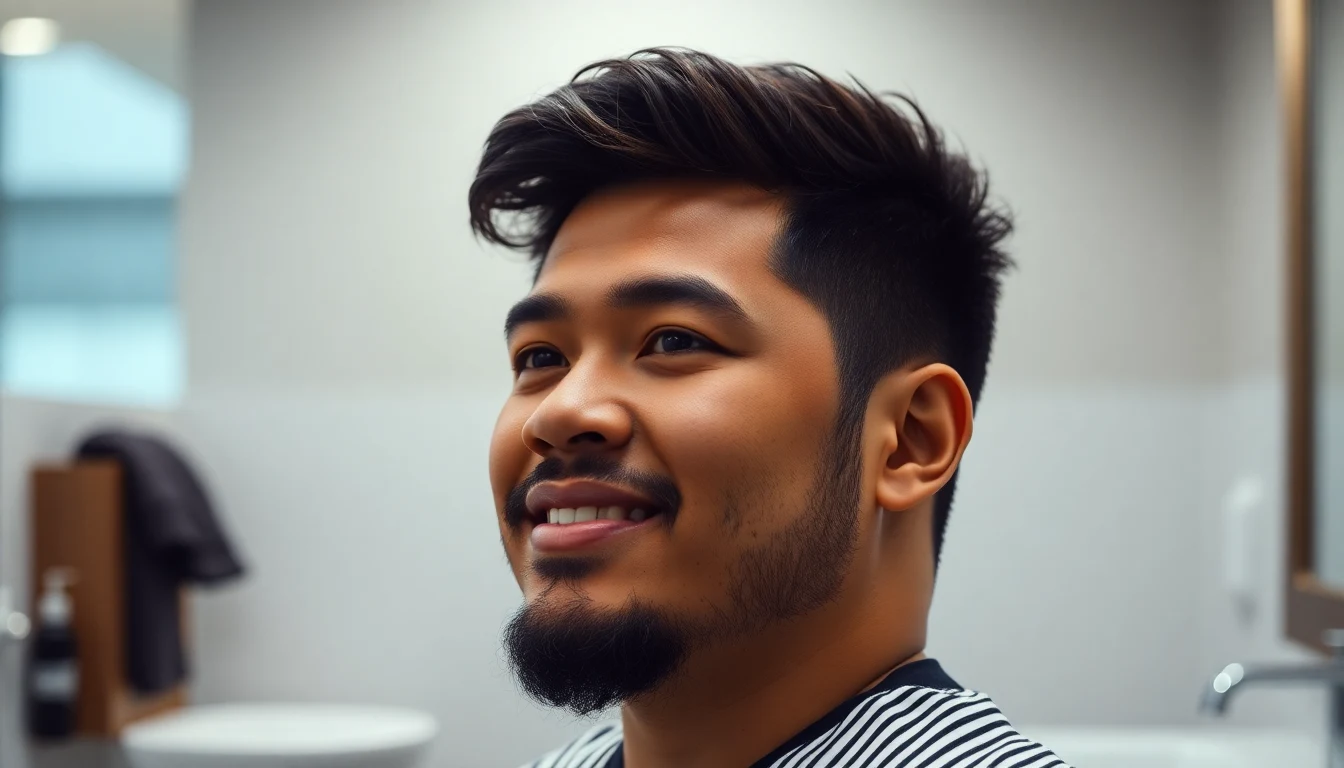
The Tongan concept of faka’apa’apa (respect, deference, proper conduct) extends to how a man presents himself. Appearing well-groomed, clean, and properly dressed is a demonstration of faka’apa’apa toward the people you encounter. When a Tongan man dresses in his Sunday best for church, he is showing respect for God and the congregation. When he grooms himself before attending a kava circle, he is showing respect for his peers. When he presents himself neatly at a family gathering, he is showing respect for his elders and representing his parents’ upbringing. In each context, grooming is a social act, not merely a personal one.
This cultural expectation creates an environment where grooming is taken seriously by Tongan men from a young age. Boys learn proper grooming habits by watching their fathers and uncles prepare for social events. The tools of grooming, the comb, the mirror, the coconut oil, are as familiar in a Tongan household as cooking utensils or sports equipment. There is no stigma attached to a man spending time on his appearance because the culture explicitly values that effort.
Fonua and Family Pride
In Tonga, the individual represents the family. A man’s appearance reflects not just on himself but on his parents, his siblings, his extended family, and his village. The Tongan concept of fonua (land, people, belonging) ties personal presentation to communal identity. A well-groomed Tongan man brings pride to his family. A man who neglects his appearance invites whispered judgment not of him alone but of his upbringing and his family’s standards.
For Tongan men in the diaspora (Australia, New Zealand, the United States, and elsewhere), maintaining grooming standards becomes an act of cultural preservation. In a foreign environment where Tongan cultural cues may be unfamiliar to the surrounding community, personal presentation remains one of the most visible ways to carry Tongan identity forward. The Sunday church outfit, the well-oiled hair, the clean appearance, these are portable cultural practices that travel with the diaspora wherever it goes.
Traditional Tongan Grooming Practices
Coconut Oil: The Foundation
Coconut oil is the cornerstone of traditional Tongan grooming. In Tonga, where coconut palms are abundant and coconut products are integrated into every aspect of daily life, coconut oil has been the primary hair and skin product for as long as anyone can remember. Tongan coconut oil is traditionally made by grating mature coconut meat, squeezing the grated meat to extract coconut cream, and allowing the cream to separate naturally. The oil that rises to the top is collected, strained, and used for cooking, grooming, and medicinal purposes.
For hair care, Tongan men apply coconut oil daily, combing it through the hair to maintain moisture, shine, and manageability. The traditional practice is to apply the oil generously, which gives the hair a pronounced glossy appearance that is considered attractive and well-groomed in Tongan culture. This aesthetic differs from Western grooming norms, which tend to favor a matte, “product-free” look. In Tonga, visibly oiled hair communicates care and effort, not excess.
For skin, coconut oil is applied after bathing as a full-body moisturizer. The tropical Tongan climate, with its combination of heat, humidity, and sun exposure, can dehydrate the skin over time, particularly for men who work outdoors in fishing, farming, or construction. Daily coconut oil application maintains skin hydration, provides a modest UV barrier, and keeps the skin supple and smooth. The practice is so universal in Tonga that the scent of coconut oil is essentially the scent of a well-groomed Tongan man.
Fragrant Oils and Sini Preparations
Traditional Tongan grooming often incorporates fragrant additions to coconut oil. The practice of infusing coconut oil with flowers, sandalwood shavings, or aromatic bark creates scented oils similar to Tahitian monoi but using local Tongan plant materials. These sini (scented oil) preparations are made by soaking fragrant materials in coconut oil for several days, allowing the oil to absorb the aromatic compounds. Mastering tongan mens grooming guide takes practice but delivers great results. Mastering tongan mens grooming guide takes practice but delivers great results. Mastering tongan mens grooming guide takes practice but delivers great results.
Common fragrant additions include frangipani (pua) flowers, which produce a sweet, tropical scent; heilala flowers (Tonga’s national flower), which add a delicate floral aroma; and sandalwood (ahi) bark or shavings, which contribute a warm, woody fragrance. These scented oils are considered more refined than plain coconut oil and are often reserved for special occasions, church attendance, and formal social events.
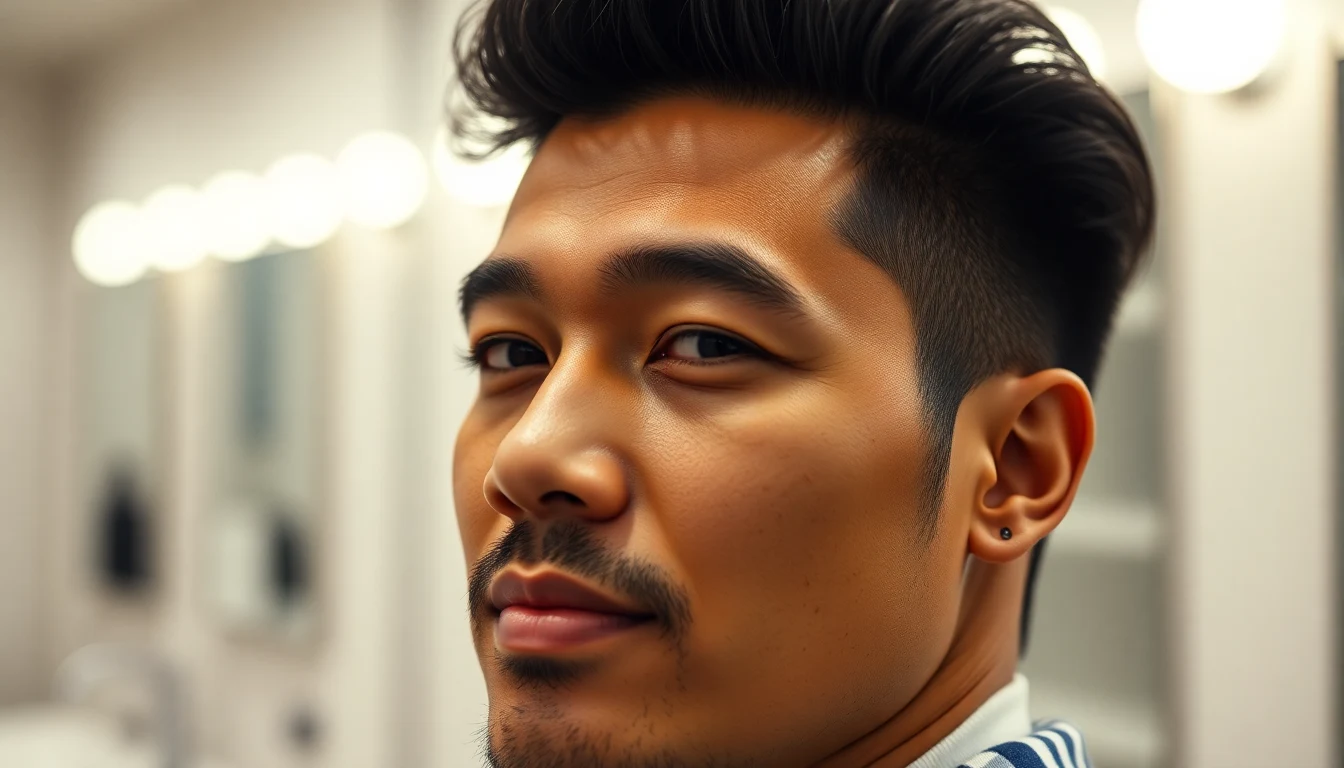
The art of making sini is traditionally women’s work in Tongan culture, and the fragrant oils are given as gifts, used within the family, and sometimes sold at markets. However, many Tongan men learn to make basic sini preparations, and the practice of scenting coconut oil with available botanicals is accessible to anyone with coconut oil and fragrant flowers.
The Tongan Haircut: Social Norms and Expectations
Tongan social norms around men’s hair have historically been more conservative than in some other Polynesian cultures. While Samoan and Maori cultures have strong traditions of long hair on men, Tongan men have traditionally worn their hair shorter, particularly in the context of the church-influenced social expectations that have shaped modern Tongan culture. Neat, short, well-oiled hair has been the default expectation for Tongan men in most social contexts for several generations.
This is gradually shifting, particularly among younger Tongan men and those in the diaspora. The broader Polynesian cultural revival has encouraged some Tongan men to grow their hair longer as an expression of Pacific identity, and modern hairstyle trends (fades, textured crops, man buns) have expanded the range of acceptable styles. However, the expectation of neatness and intentional grooming remains constant: whatever style a Tongan man chooses, it should look maintained and deliberate, never neglected or accidental.
Hair Care for Thick Tongan Hair
Tongan men share the thick, coarse, dense hair type common across Polynesian populations. This hair type has specific care requirements that differ from the default advice found in most mainstream grooming guides, which are typically written for thinner, finer hair textures.
Washing Frequency
Thick Tongan hair should be washed two to three times per week, not daily. Daily washing strips the natural oils that thick hair needs to maintain moisture and flexibility. Given that many Tongan men apply coconut oil daily, daily shampooing would create a counterproductive cycle of adding and then removing the oils that the hair needs. On non-wash days, rinsing with water alone removes sweat and surface debris without stripping oil.
When shampooing, use a moisturizing, sulfate-free formula. Sulfates (sodium lauryl sulfate, sodium laureth sulfate) are effective cleansers but can strip too much oil from thick, coarse hair, leaving it dry and difficult to manage. Look for shampoos labeled “moisturizing,” “hydrating,” or “for thick/coarse hair” that use gentler surfactants. Shea Moisture products are widely available and formulated for the thick, coarse hair textures that Tongan men have.
Conditioning
Conditioning is non-negotiable for thick Tongan hair. Every shampoo session should be followed by a thick, heavy conditioner left on for three to five minutes. This regular conditioning maintains the hair’s moisture balance and prevents the dryness, brittleness, and breakage that thick hair is prone to without adequate conditioning.
In addition to regular conditioning, a weekly deep conditioning treatment with coconut oil maintains the intensive moisture that thick hair requires. Apply coconut oil generously to dry hair, cover with a shower cap or plastic wrap, and leave for a minimum of 30 minutes (overnight is ideal). Shampoo twice to remove the oil, then follow with regular conditioner. This weekly treatment, essentially the same practice Tongan families have used for generations, prevents the cumulative moisture deficit that makes thick hair dry, dull, and prone to damage.
Styling Products
For short to medium-length Tongan hair, a matte-finish pomade or clay provides hold and texture without the wet, greasy look (unless you prefer the traditional oiled aesthetic, in which case coconut oil alone provides both conditioning and a natural shine). Matte pomade works well for the textured crop and modern fade styles popular among younger Tongan men. For longer hair, a leave-in conditioner or a few drops of argan oil provides moisture and frizz control without heavy hold.
Traditional Tongan styling uses coconut oil exclusively, and this remains a perfectly valid approach. For everyday wear, a small amount of coconut oil combed through the hair provides light hold, natural shine, and ongoing conditioning. The key is amount: too much oil overwhelms the hair and looks excessively greasy even by Tongan standards. Start with a pea-sized amount, warm it between your palms, and work it through the hair. Add more only if needed.
Modern Tongan Hairstyles
Modern Tongan men are embracing a wider range of hairstyles than previous generations, influenced by global style trends, the diaspora experience, and the broader Polynesian cultural revival. Here are the most popular styles among Tongan men today.
The Skin Fade
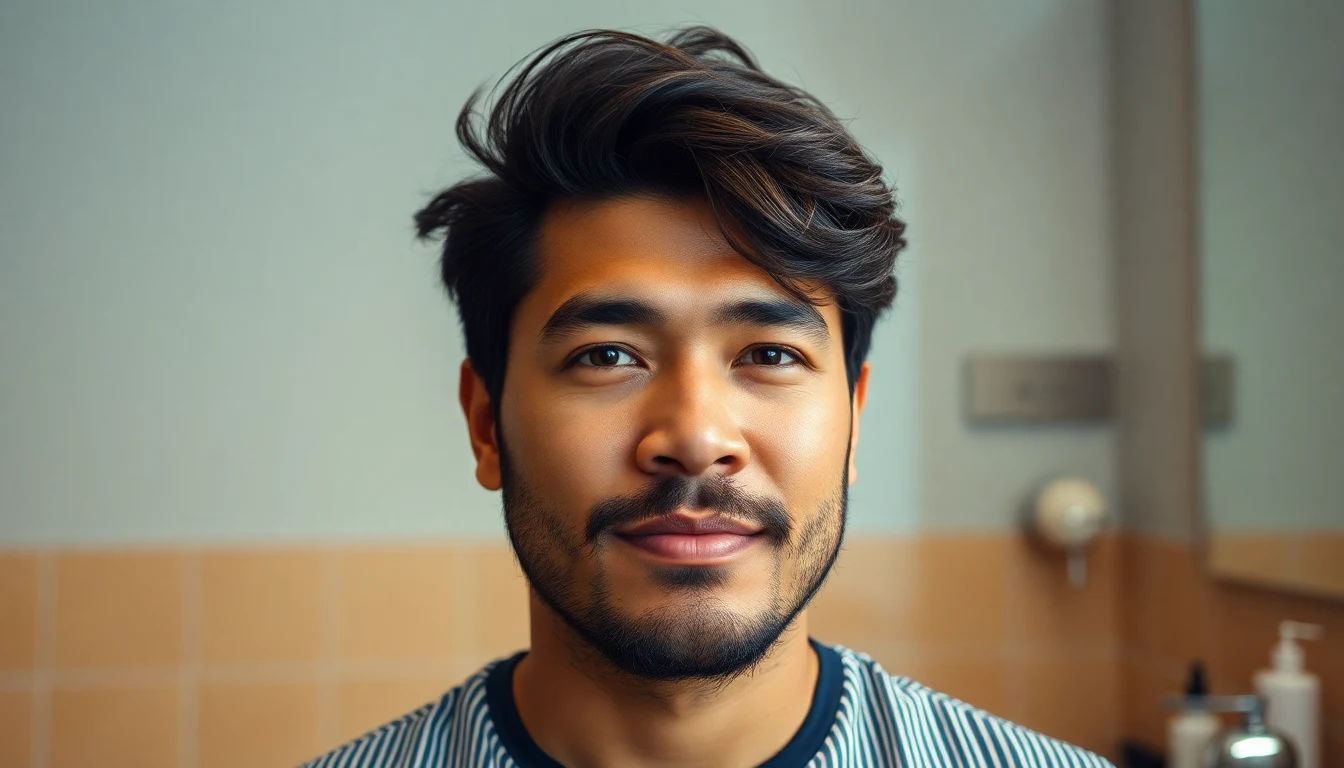
The skin fade (bald fade or zero fade) is the most popular haircut among young Tongan men in both Tonga and the diaspora. It features a gradual transition from bare skin at the temples and nape to longer hair on top, creating a clean, modern look that works well with thick Polynesian hair. The density of Tongan hair makes the fade transition particularly dramatic and visually striking. Maintain the fade with barber visits every two to three weeks, and use a precision trimmer to clean up the edges between visits.
The Textured Crop
The textured crop keeps the hair short on top (one to two inches) with a faded or tapered sides. The top hair is styled with a matte product to create texture and movement rather than lying flat. This style works exceptionally well with thick Tongan hair because the natural density provides built-in volume and body that finer hair types cannot achieve. Apply a small amount of matte clay or paste, work it through the hair with your fingers, and push the front slightly forward and to one side. Understanding tongan mens grooming guide is key to a great grooming routine. Understanding tongan mens grooming guide is key to a great grooming routine. Understanding tongan mens grooming guide is key to a great grooming routine.
The Classic Short Back and Sides
The traditional short haircut, neatly cut and combed, remains the standard for Tongan men in formal and church contexts. This style is characterized by clean, even cutting with scissors or clippers, a defined side part or combed-back finish, and well-oiled hair that lies neat and controlled. For many Tongan men, particularly those involved in church leadership or formal community roles, this conservative style communicates seriousness, respectability, and adherence to cultural expectations.
Longer Styles
Younger Tongan men in the diaspora are increasingly growing their hair longer, influenced by the broader Polynesian identity movement and by high-profile Tongan athletes and celebrities who wear longer hairstyles. The man bun, the topknot, and shoulder-length natural hair worn loose are all gaining acceptance. For men growing their hair long, the transition period (typically six to twelve months of awkward, in-between length) is the most challenging phase. Use a headband, hat, or simple pulled-back style to manage the hair during this period, and maintain regular conditioning to keep the growing hair healthy.
The Buzz Cut
The buzz cut is popular among Tongan men in the military, in sports, and those who prefer zero-maintenance grooming. On thick Tongan hair, a buzz cut looks clean and strong, and the hair’s density means it fills in evenly without the patchiness that can affect buzz cuts on thinner hair. The buzz cut eliminates virtually all hair maintenance requirements, making it practical for active lifestyles. Use quality clippers with a guard setting of 1 to 3 for a classic buzz, and maintain it with a weekly home trim.
Beard Grooming for Tongan Men
Tongan men generally develop strong facial hair, ranging from full, dense beards to solid stubble. The beard grooming approach depends on your growth pattern, your social context, and your personal preference.
Clean-Shaven
The clean-shaven look has been the traditional norm for Tongan men in church and formal settings for several generations, influenced partly by the missionary emphasis on cleanliness and partly by the practical demands of the tropical climate (beards can feel hot and uncomfortable in Tongan heat and humidity). If you maintain a clean shave, use a moisturizing shave cream and a single-blade safety razor to reduce razor bumps, which are common on the thick, coarse facial hair that most Tongan men have. Shave with the grain, rinse with cold water after shaving, and apply a soothing aftershave balm (not alcohol-based, which dries the skin and increases irritation).
Stubble
Short stubble (one to three days of growth) is becoming increasingly acceptable in Tongan social contexts and offers a practical compromise between the clean-shaven expectation and the difficulty of daily shaving on thick, coarse facial hair. Maintain stubble at a consistent length using a beard trimmer with a guard setting of 1 to 2. Apply a small amount of coconut oil or beard oil daily to keep the stubble soft and prevent the prickly, uncomfortable texture that untreated stubble can develop.
Full Beard
Full beards are becoming more common among Tongan men, particularly in the diaspora where social norms are more flexible. If growing a full beard, the most important maintenance practice is conditioning. Tongan facial hair is thick, coarse, and can become wiry and rough without regular conditioning. Apply beard oil or coconut oil daily, working from the skin outward through the full length of the beard. Comb or brush the beard daily with a boar bristle brush to distribute the oil, train the hair direction, and remove debris. Trim the beard every one to two weeks to maintain shape and remove split ends.
The Tongan cultural context may influence where and when you wear a full beard. In more traditional settings (church, formal family events, meetings with elders), some older Tongans may view a full beard as less respectful than a clean-shaven face. Knowing your audience and context is part of the Tongan grooming sensibility: adapting your presentation to the social situation rather than maintaining a single look regardless of context.
Skincare for the Tongan Climate
The Tongan tropical climate creates specific skincare challenges that require attention beyond basic grooming.
Sun Protection
Tonga’s position in the tropical Pacific means UV levels are extreme year-round. While the darker skin of Tongan men provides meaningful natural UV protection (roughly SPF 8 to 13 from melanin), this is not complete protection. Skin cancer occurs in Pacific Islander populations, and it is often diagnosed later because the assumption that dark skin does not get skin cancer delays medical attention. Apply a lightweight SPF 30 sunscreen to the face and exposed skin before extended outdoor activity. Choose a formulation designed for darker skin tones to avoid white cast.
Dealing with Heat and Humidity
Tonga’s humidity can cause skin issues including heat rash, fungal infections, and excessive sweating that leads to clogged pores and breakouts. Keep the skin clean with daily washing using a gentle cleanser. Avoid heavy, pore-clogging moisturizers in the humid Tongan climate; lightweight options like kukui nut oil or a gel-based moisturizer provide hydration without trapping sweat and bacteria against the skin. Wearing breathable fabrics (cotton, linen) allows the skin to release heat and moisture naturally.
Salt Water Recovery
For Tongan men who fish, surf, or spend significant time in the ocean, salt water exposure dries both the skin and hair. Rinse with fresh water after ocean activities as soon as possible. Apply coconut oil to the skin and hair after rinsing to replenish the moisture that salt water strips away. The traditional Tongan practice of oiling the body after bathing serves exactly this purpose: it seals moisture into the skin and hair after the cleansing effects of salt water exposure.
Post-Inflammatory Hyperpigmentation
Dark spots left behind after acne, cuts, or skin irritation are more prominent on darker Tongan skin. Prevention is the best approach: treat acne early with a salicylic acid cleanser, avoid picking or squeezing blemishes (which dramatically increases hyperpigmentation), and protect healing skin from sun exposure. For existing dark spots, a niacinamide serum (5 to 10 percent concentration) applied nightly gradually fades hyperpigmentation over several months. Niacinamide is well-tolerated by all skin types and does not carry the irritation risk of more aggressive lightening agents. When it comes to tongan mens grooming guide, technique matters most. When it comes to tongan mens grooming guide, technique matters most. When it comes to tongan mens grooming guide, technique matters most.
Grooming for Tongan Social Occasions
Tongan social life revolves around occasions where personal presentation is scrutinized, and knowing how to groom for each context is an important social skill.
Church (Lotu)
Sunday church attendance is the most important weekly social occasion for most Tongan families. Grooming for church means the highest standard of personal care: freshly showered, hair neatly combed and oiled, face clean-shaven or beard meticulously trimmed, dressed in white or formal attire. The expectation is that you present yourself as respectfully as possible for worship. For many Tongan men, the Sunday morning grooming ritual is the most thorough of the week, involving careful attention to every detail of appearance.
Kava Circles (Faikava)
Kava drinking is a central social activity for Tongan men, and while the dress code is less formal than church, neatness and cleanliness are still expected. Grooming for kava circles is casual but intentional: clean clothes, neat hair, and a generally well-maintained appearance. The social nature of kava drinking means you are in close proximity to peers and elders, making personal hygiene and grooming particularly noticeable.
Weddings and Funerals
These are the occasions where Tongan grooming reaches its most formal expression. For weddings, expect the same standards as church with additional attention to fragrance (a quality cologne or traditional scented oil) and accessories. For funerals, grooming is subdued but meticulous: clean, neat, and somber. Black clothing replaces the usual Sunday white, and the emphasis is on respectful simplicity rather than display. Both occasions are deeply communal events where your appearance reflects on your entire extended family.
Sports and Community Events
Rugby, cricket, and other sports are social events in Tonga where grooming standards relax considerably. Casual clothing and natural appearance are appropriate during athletic activities. However, Tongan men often clean up quickly after sports events, especially if the game is followed by a communal meal or social gathering. The transition from sportswear to presentable casual is a skill that Tongan men develop early, keeping a change of clothes and basic grooming supplies accessible for post-game social obligations.
Frequently Asked Questions
Why do Tongan men oil their hair so much?
The practice of oiling the hair serves both practical and cultural purposes. Practically, coconut oil conditions the thick, coarse Polynesian hair that most Tongan men have, keeping it soft, manageable, and protected from the drying effects of sun, salt, and wind. Culturally, well-oiled hair signals care and effort in personal presentation, qualities that Tongan society values highly. The glossy, oiled hair aesthetic in Tonga communicates the same thing that a crisp suit communicates in a Western boardroom: this person takes their appearance, and by extension their social obligations, seriously.
What products work best for Tongan hair?
The most effective and culturally appropriate product for Tongan hair remains coconut oil, which works as a conditioner, styling agent, and protective treatment simultaneously. For men who want modern product options, look for moisturizing shampoos and heavy conditioners designed for thick, coarse hair. Shea Moisture, Palmer’s, and Cantu all make products formulated for the thick hair textures common in Polynesian populations. For styling, matte pomades and clays work well for short to medium styles, while leave-in conditioners and lightweight oils (argan, kukui nut) work best for longer hair.
How should Tongan men deal with razor bumps?
Razor bumps (pseudofolliculitis barbae) are extremely common among Tongan men because the thick, coarse facial hair is prone to curling back into the skin after shaving. The most effective solutions are: switch from multi-blade razors to a single-blade safety razor (reduces how closely the hair is cut beneath the skin surface), always shave with the grain (never against), use a pre-shave oil to soften the hair before shaving, apply a salicylic acid treatment after shaving to prevent ingrown hairs, and consider growing stubble or a short beard to eliminate the problem entirely. For men who must be clean-shaven for work or cultural reasons, electric foil shavers are less likely to cause razor bumps than blade razors.
Is there a Tongan equivalent to ta moko or pe’a?
Traditional Tongan tattooing (tatatau) has a long history but was largely suppressed during the Christian missionary period in the 19th century. Historical accounts describe Tongan men receiving geometric tattoo designs on the torso, legs, and arms. While the practice declined more significantly in Tonga than in Samoa (where tattooing survived colonialism more intact), there has been a revival of interest in traditional Tongan tattoo designs in recent years. Modern Tongan men interested in traditional tattoo should seek out Polynesian tattoo artists knowledgeable in specifically Tongan design traditions, which are distinct from Samoan, Maori, and Hawaiian tattoo styles.
Conclusion: Grooming as Social Currency
In Tongan culture, grooming is not about vanity. It is about respect, family pride, and social responsibility. A well-groomed Tongan man communicates through his appearance that he values the people around him, that his family raised him properly, and that he understands his role within the community. This cultural framework transforms grooming from a private routine into a public statement.
The practical grooming needs of Tongan men, managing thick, coarse hair, protecting skin in a tropical climate, maintaining a clean and intentional appearance, are addressed through the combination of traditional practices (coconut oil conditioning, fragrant sini preparations) and modern grooming products designed for Polynesian hair and skin types. The best approach combines both: honoring the traditional practices that have served Tongan men for centuries while incorporating modern products and techniques that address specific challenges more effectively than traditional methods alone.
Whether you are a Tongan man in Nuku’alofa preparing for Sunday service, a Tongan man in Auckland heading to work, or a Tongan man in Salt Lake City maintaining your cultural identity in the diaspora, the principles are the same. Take care of your hair and skin. Present yourself with intentionality and effort. And understand that in Tongan culture, the time you invest in grooming is not time spent on yourself. It is time spent on your relationship with your family, your community, and your culture.
Frequently Asked Questions
What makes the Tongan men’s grooming guide different from other grooming advice?
Tongan grooming practices are rooted in respect and cultural pride rather than vanity, with an emphasis on presenting yourself well for God, family, and community. The guide specifically addresses the unique needs of Polynesian hair, which is characteristically thick and dense, requiring specialized care techniques that general grooming advice doesn’t cover.
Why is coconut oil so important in traditional Tongan grooming?
Coconut oil is a cornerstone of Tongan grooming culture, used generously on both hair and skin to create a polished, gleaming appearance that signals respect and dignity. Beyond its cultural significance, coconut oil provides natural benefits for thick Polynesian hair, helping to nourish and manage the density that characterizes this hair type.
How does Tongan culture view personal grooming and appearance?
In Tongan culture, careful grooming and neat appearance are expressions of respect for God, family, and community, not signs of vanity. An unkempt appearance is considered disrespectful to those around you, which is why Tongan men traditionally take the same careful approach to grooming for everyday occasions as they do for formal events.
What specific grooming challenges do men with thick Polynesian hair face?
Men with thick Polynesian hair need specialized techniques and products to manage density and maintain a polished appearance without weighing the hair down or causing buildup. Traditional approaches like oiling and careful combing help enhance the natural texture while keeping hair healthy and visibly gleaming.