
Trimmer vs Shaver: What’s the Difference and Which Do You Need?
Last updated: February 2026 by Jack Brennan, White Men’s Grooming Editor
Here is something I hear in the barbershop at least twice a week: “I just need something to shave with.” Then I ask a few questions and find out the guy does not actually want a clean shave. He wants to keep his stubble at a three-day length, or shape up his beard line, or just knock down the growth on his neck. That is not a shaver’s job. That is a trimmer’s job.
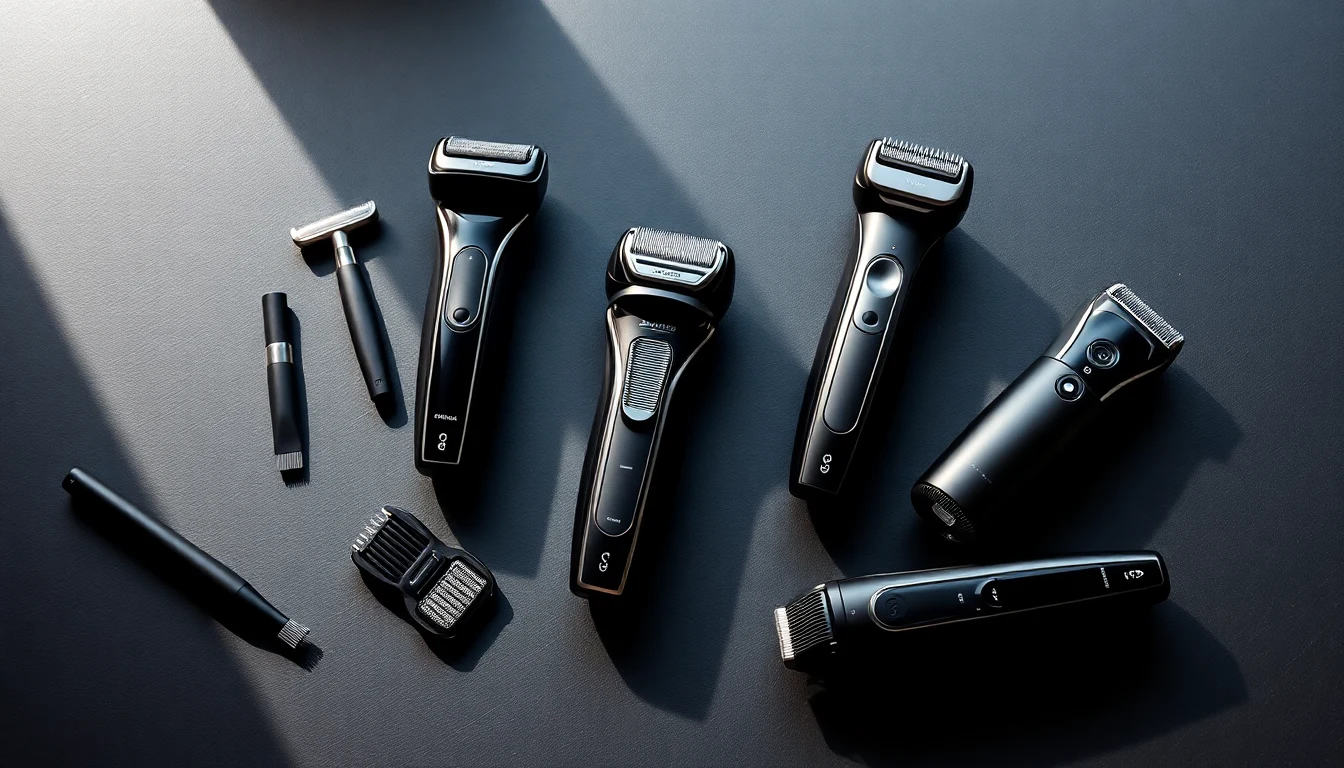
The trimmer vs shaver confusion is one of the most common grooming mistakes men make. They buy the wrong tool, get frustrated with the results, and assume the product is bad. It is not. They just grabbed a hammer when they needed a screwdriver. Let me straighten this out.
The Core Difference: Length vs Flush
This is the fundamental distinction, and everything else flows from it.
A trimmer cuts hair to a specific length. It has exposed blades (usually a T-blade or detachable blade) and comes with guard combs that set how much hair is left behind. The shortest a trimmer will go is about 0.5mm, which looks like heavy five-o’clock shadow. Most trimmers work best in the 1mm to 25mm range, depending on the guard.
A shaver cuts hair flush with the skin surface (or just below it). Whether it is a foil or rotary shaver, the goal is the same: remove visible stubble completely and leave smooth skin. A shaver’s cutting elements are hidden behind a protective screen or guard, which means the blades never contact your skin directly.
That is the whole thing. Trimmers leave length. Shavers leave nothing. Once you understand that, every other question about which to use answers itself.
What Trimmers Excel At
Beard Shaping and Maintenance
If you keep any kind of facial hair, a trimmer is your primary tool. Full beards, goatees, stubble looks, chinstraps, whatever. A trimmer with the right guard lets you maintain a consistent length across your entire beard. Without it, you are either growing wild or shaving clean. There is no in-between. (We recommend this MANSPOT Manscape Groin & Body Hair.)
Most quality trimmers come with 8 to 12 guard sizes, giving you precise control from 0.5mm up to 20mm or more. For maintaining a short, groomed stubble look (the most popular style right now), you want a guard in the 2mm to 4mm range. For a medium beard, 8mm to 12mm. The guard does the measuring for you. (We recommend this Honest Amish – Classic Beard Oil.)
Body Hair Management
Trimmers are the right tool for body grooming: chest, arms, legs, and below the belt. A shaver on body hair creates stubble that itches as it grows back. A trimmer leaves enough length to avoid that prickly regrowth phase while still keeping things neat and under control. If you are not sure about the full picture on body grooming, our electric razor guide covers technique for every zone.
Maintaining Stubble
The “designer stubble” or “perpetual three-day beard” look requires a trimmer, full stop. You cannot achieve this with a shaver. A shaver removes the stubble. A trimmer shapes it. The Philips Norelco OneBlade has become hugely popular precisely because it lets guys maintain that exact stubble length with minimal effort. Mastering trimmer vs shaver takes practice but delivers great results.
Lineup and Edge Work
When you need sharp, defined lines along your sideburns, beard border, or neckline, a trimmer with a fine T-blade or zero-gap blade gives you surgical precision. Barbers use outliner trimmers for this exact purpose. The exposed blade lets you see exactly where you are cutting and make micro-adjustments. A shaver’s enclosed head cannot match this level of precision on edges. Mastering trimmer vs shaver takes practice but delivers great results.
Ear, Nose, and Eyebrow Grooming
Dedicated detail trimmers handle the small stuff that a full-size shaver cannot reach. Nose hair, ear hair, unibrow cleanup, and stray eyebrow hairs all fall under the trimmer’s domain. These tools have small, protected heads designed for tight spaces and sensitive areas.
What Shavers Excel At
Clean Shaves
This is a shaver’s entire purpose. If you want a smooth, clean-shaven face with no visible stubble, a shaver is the tool. Whether you choose foil or rotary (see our foil vs rotary comparison for the full breakdown), the result is the same: hair removed at or below the skin surface.
Electric shavers have narrowed the gap with traditional razors significantly. Premium models from Braun and Panasonic deliver closeness that rivals a blade, without the risk of cuts, nicks, or severe razor burn. For men who shave daily, the time savings alone make an electric shaver worth the investment.
Daily Face Shaving
If you are clean-shaven for work and need to shave five to six days a week, an electric shaver is faster and more convenient than a manual razor. No lather, no rinse cycle, no blade disposal. Most electric shavers handle a full face in two to four minutes dry. Pair one with a decent shaving cream for wet use, and you get convenience plus comfort.
Bald Head Maintenance
Men who shave their heads need a shaver, not a trimmer. A trimmer will leave visible stubble on your scalp, which defeats the purpose. Rotary shavers are particularly good for head shaving because the circular heads follow the curvature of the skull naturally. Dedicated head shavers like the Skull Shaver Pitbull take this concept further with ergonomic designs built specifically for the job. For more guidance, Men’s Health provides expert resources on men’s grooming.
Post-Trim Cleanup
Here is where shavers and trimmers work together. Many men use a trimmer to shape their beard and define the borders, then switch to a shaver to clean up everything below the neckline and on the cheeks above the beard line. This combination gives you the best of both worlds: maintained facial hair with clean, smooth surrounding skin. (We recommend this YOGINGO Professional Hair Trimmer for Men,.)
The Overlap Zone: Where Men Get Confused
There are a few situations where the trimmer vs shaver line gets blurry, and these are the exact places where men buy the wrong tool.
Neck Cleanup
If you have a beard and need to clean up below the neckline, which tool do you use? Both can work, but the best approach is context-dependent. If you want a perfectly smooth neck below your beard, use a shaver. If you want a natural fade from beard to neck (less defined, more gradual), use a trimmer without a guard or with a short guard. The best electric shavers handle neck cleanup cleanly, while a trimmer gives you more control over the transition.
Edge Work
Both trimmers and shavers can define edges, but they produce different results. A trimmer creates a sharp, visible line because you can see the blade. A foil shaver can clean up to a line, but the wider head makes it harder to get surgical precision. For the sharpest edges, a zero-gap trimmer wins. For general cleanup around the beard border, either tool works. (We recommend this Philips Norelco All-in-One 3000 Series 13.)
Very Short Stubble
Some trimmers can cut as short as 0.5mm. Some shavers leave about 0.03mm to 0.05mm. That 0.45mm gap is the difference between “visible stubble” and “smooth.” If you want stubble, use a trimmer. If you want smooth, use a shaver. It sounds obvious, but the number of guys who try to use a shaver on a low guard setting (shavers do not have guard settings) or a trimmer for a clean shave (trimmers cannot do clean shaves) is remarkable.
The “Can a Trimmer Shave?” Question
Technically, a trimmer at its shortest setting can get very close. But it is not a shave. You will see stubble. Your face will not feel smooth. And because trimmer blades are exposed without a protective screen, pressing a trimmer flat against your skin to try for a closer cut risks nicks, cuts, and irritation. Trimmers are not designed for skin contact the way shavers are. Understanding trimmer vs shaver is key to a great grooming routine. Understanding trimmer vs shaver is key to a great grooming routine.
The exception is the Philips Norelco OneBlade, which is genuinely a hybrid. It trims with guards and shaves without them. It is a solid choice for men who want one tool to handle both jobs, though it does not shave quite as close as a dedicated foil or rotary shaver.
Trimmer vs Shaver: Side-by-Side Comparison
| Feature | Trimmer | Shaver |
|---|---|---|
| Primary Purpose | Cut hair to a specific length | Remove hair flush with skin |
| Closest Cut | ~0.5mm (visible stubble) | ~0.03mm (smooth skin) |
| Beard Maintenance | Excellent | Not applicable |
| Clean Shave | Not possible | Excellent |
| Edge Precision | Excellent (exposed blade) | Good (enclosed head) |
| Body Grooming | Excellent | Poor (stubble regrowth) |
| Head Shaving | Fair (leaves stubble) | Excellent |
| Skin Contact | Blade exposed (nick risk) | Screen protected (safer) |
| Guard Attachments | Multiple length guards | None (clean shave only) |
| Noise Level | Moderate to loud | Moderate |
| Average Price | $20-$150 | $30-$400 |
Do You Need Both? The Honest Answer
If you are clean-shaven every day and never maintain any facial hair, you only need a shaver. Period.
If you keep a beard, stubble, or goatee and never go fully clean-shaven, you only need a trimmer. Done.
If you do both (maintain some facial hair AND shave the areas around it smooth), you need both tools. There is no single device that does both jobs at a professional level. The OneBlade gets close to being an all-in-one, but it compromises on both trimming precision and shaving closeness compared to dedicated tools.
For most men, the honest answer is: you probably need both. The majority of guys keep some facial hair and shave some skin. That means a trimmer for the hair you are keeping and a shaver for the skin you want smooth. Build your kit accordingly.
The Two-Tool Setup
Here is the practical setup I recommend to most of my clients:
- Trimmer: A quality cordless trimmer with multiple guards for beard and body maintenance. Budget pick: Wahl Lithium-Ion+. Mid-range: Philips Norelco Multigroom 7000.
- Shaver: A foil or rotary shaver for clean-shaving the cheeks, neck, and any skin you want smooth. Budget pick: Braun Series 3. Mid-range: Braun Series 7.
Total investment for a solid two-tool kit: $60 to $200 depending on where you land on the budget spectrum. Both tools will last three to five years with proper maintenance. That works out to less than $5 a month for a complete grooming setup.
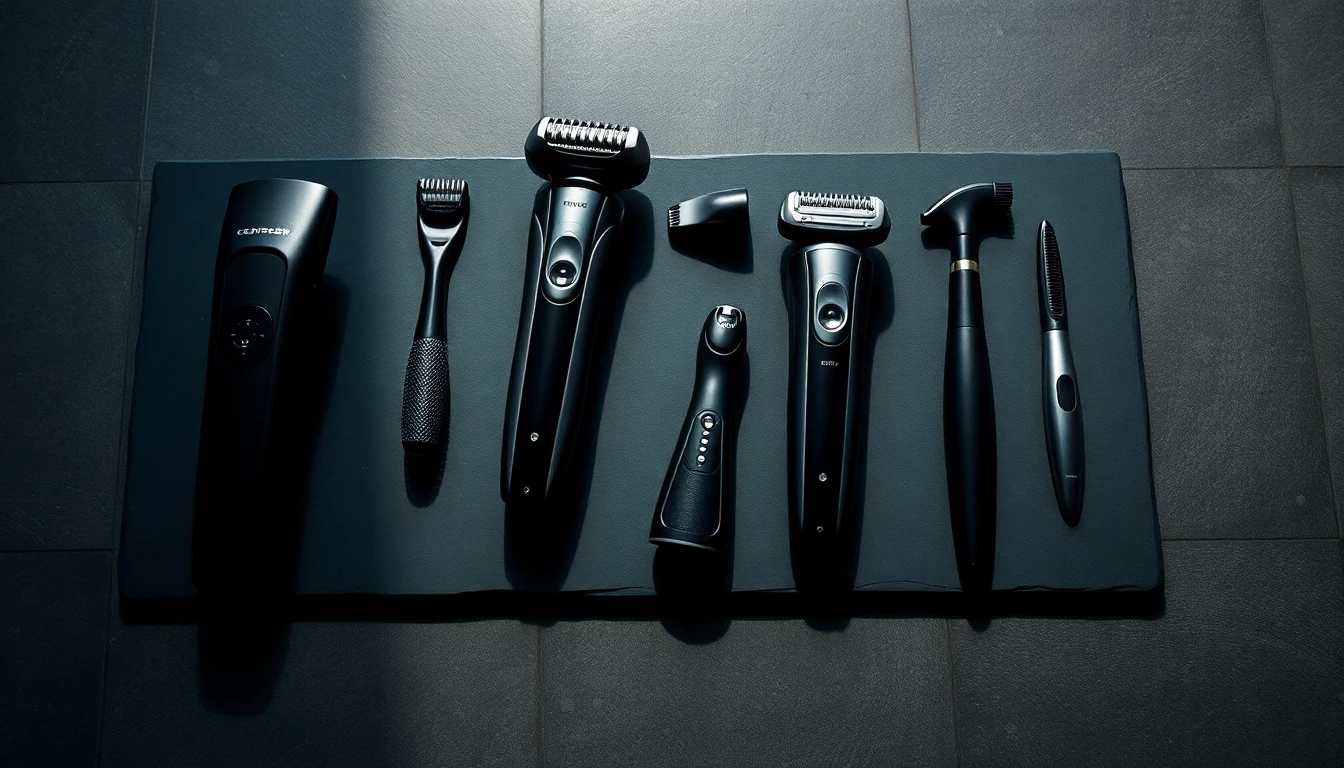
Recommended Trimmers and Shavers
Best Trimmers
- Wahl Lithium-Ion+ – Rock-solid reliability, self-sharpening blades, 4+ hour battery. The workhorse of the trimmer world.
- Philips Norelco Multigroom 7000 – 23 attachments covering face, head, and body. The Swiss Army knife approach.
- Philips Norelco OneBlade – Best hybrid for guys who want trimming and light shaving from one tool.
- Andis Slimline Pro Li – Barber-grade outliner for razor-sharp edge work and lineups.
Best Shavers
- Braun Series 9 Pro – Best foil shaver on the market. Five cutting elements, intelligent motor, outstanding closeness.
- Philips Norelco Series 9000 – Best rotary shaver. Contour-following heads, quiet operation, comfortable on all face shapes.
- Braun Series 3 ProSkin – Best budget foil shaver. Punches well above its price point.
- Panasonic Arc5 – Best for thick beards. The five-blade system powers through dense growth.
For deeper dives into specific picks, check our best budget electric shaver roundup and our guide to the best electric shavers overall. Both include options that pair well with a dedicated trimmer.
How to Use a Trimmer and Shaver Together
If you keep a beard with clean-shaven skin around it, here is the right order of operations:
- Trim first. Use your trimmer with the appropriate guard to set your beard length. Work with the grain and make even passes across your entire beard.
- Define edges with the trimmer. Remove the guard and use the exposed blade to carve your neckline and cheek line. Take it slow. You can always take more off, but you cannot put it back.
- Shave below the lines. Switch to your shaver and clean up everything below the neckline and above the cheek line. The shaver removes all visible stubble, leaving smooth skin that contrasts cleanly with your trimmed beard.
- Apply aftershave. Treat the shaved areas with a soothing aftershave balm to calm the skin and prevent irritation. Beard oil goes on the trimmed areas.
This entire process takes about 10 minutes once you are practiced. It is the same workflow barbers use in the shop, just with electric tools instead of straight razors and shear clippers.
Common Mistakes
Using a trimmer for a clean shave. Pressing a trimmer flat against your skin to try for a closer cut does not give you a shave. It gives you irritation, uneven results, and potential nicks from the exposed blade. If you want smooth skin, use a shaver. When it comes to trimmer vs shaver, technique matters most.
Using a shaver to “trim.” Shavers do not have length settings. They are all-or-nothing tools. Running a shaver over a beard you want to keep will leave uneven patches and thin spots. Use a trimmer with the right guard instead. When it comes to trimmer vs shaver, technique matters most.
Buying an all-in-one kit and expecting professional results. Those multi-attachment grooming kits with 15 pieces for $35 try to do everything and do nothing well. The trimmer head is underpowered, the shaver attachment is mediocre, and the guards are flimsy. You are better off with two dedicated, quality tools than one mediocre kit. If your kit choice is between versatility and capability, go with two dedicated units for better results, as our clipper vs trimmer guide also emphasizes.
Neglecting blade maintenance on trimmers. Trimmer blades dull over time and start pulling instead of cutting. Oil your trimmer blades after every use (most come with a small bottle of oil) and replace them every 6 to 12 months. A sharp trimmer is a comfortable trimmer.
Frequently Asked Questions
Can a trimmer shave completely like a razor?
No. Even at the shortest setting (0.5mm or “zero gap”), a trimmer leaves visible stubble. Trimmers are designed to cut hair to a length, not remove it flush with the skin. If you want a completely smooth, clean-shaven result, you need a dedicated shaver (foil or rotary) or a manual razor. The closest a trimmer gets is heavy five-o’clock shadow, which some men prefer as a deliberate style, but it is not the same as a clean shave.
Which is better for sensitive skin, a trimmer or a shaver?
It depends on what you are trying to do. For maintaining stubble or a beard, a trimmer is gentler because the guard keeps the blade away from your skin entirely. For a clean shave, a shaver (particularly a foil shaver) is better for sensitive skin than either a trimmer pressed flat or a manual razor. The shaver’s protective screen prevents direct blade-to-skin contact while still cutting hair below the surface. Pair either tool with a pre-shave routine and a calming aftershave for the best results on reactive skin.
Is corded or cordless better for trimmers and shavers?
Cordless is better for the vast majority of men. Modern lithium-ion batteries provide 60 to 120 minutes of run time per charge, which is enough for weeks of daily use. Cordless tools give you freedom to move, work at any angle, and take them when you travel. The only scenario where corded is genuinely better is if you are a professional barber running the tool for hours daily and cannot afford any chance of a mid-cut battery death. For home use, go cordless.
Can I use my trimmer or shaver in the shower?
Only if it is rated for wet use. Look for an IPX7 (fully submersible) or IPX5 (water-resistant) rating in the specifications. Many modern shavers are wet/dry capable. Fewer trimmers are, since the exposed blade design makes waterproofing more complex. Using a non-waterproof tool in the shower will damage the motor, corrode the blades, and void your warranty. Check the rating before you bring anything electric near running water. Our razor guide covers wet shaving options in more detail.
How often should I replace trimmer blades vs shaver heads?
Trimmer blades should be replaced every 6 to 12 months with regular use, though some self-sharpening models last longer. Foil shaver cassettes (foil plus cutter) need replacement every 12 to 18 months. Rotary shaver heads last 12 to 24 months. These are averages assuming daily or near-daily use. You will know it is time to replace when the tool starts pulling hairs instead of cutting cleanly, when shaves take noticeably longer, or when you need significantly more pressure to get the same results. (We recommend this Philips Norelco All-in-One 3000 Series 13.)
The Bottom Line
The trimmer vs shaver question has a simple answer once you know what each tool actually does. Trimmers maintain length. Shavers remove everything. They are complementary tools, not competing ones.
Figure out what you need based on your grooming routine. If you keep any facial hair at all, you need a trimmer. If you shave any skin smooth, you need a shaver. If you do both (and most men do), invest in one quality tool from each category rather than one mediocre hybrid.
The tools are not complicated. The grooming industry just makes them seem that way because confusion sells more products. Now that you know the difference, buy the right tool for the job and get on with your morning.
Further reading: For research-backed grooming advice, see Healthline Men’s Health.
Explore more tips at CulturedGrooming.com.
Further reading: For research-backed grooming advice, see Healthline Men’s Health.
Frequently Asked Questions
What’s the main difference between a trimmer and shaver?
A trimmer leaves hair at a set length and is designed for shaping, detailing, and maintaining facial hair, while a shaver cuts hair flush to the skin for a completely clean shave. Think of a trimmer as a precision tool for grooming and a shaver as a tool for removing hair entirely.
Can a trimmer shave completely like a razor?
No, trimmers cannot achieve a completely clean shave because they have guards that prevent the blades from cutting flush to the skin. If you want a completely smooth, clean-shaven look, you need a dedicated shaver rather than a trimmer.
Do you really need both a trimmer and shaver, or can you get by with just one?
It depends on your grooming goals. If you maintain facial hair like a beard or stubble, a trimmer is essential for shaping and maintenance. However, if you need both a clean shave and detailed grooming work, investing in both tools gives you the best results and versatility.
Which tool is better for sensitive skin?
Trimmers are generally gentler on sensitive skin because they don’t cut as close to the skin and cause less irritation than shavers. If you have sensitive skin, starting with a quality trimmer and using proper technique can help you avoid the razor burn and ingrown hairs that sometimes come with shavers.