
If you want to master what is a durag history,, this guide covers everything you need to know.
If you want to master what is a durag history,, this guide covers everything you need to know. Last updated: February 2026 by Darius Washington, Black Men’s Grooming Editor
I remember the first time I tied my own durag. I was 12, standing in my grandmother’s bathroom in Memphis, trying to copy the fold I had watched my older cousin Marcus do a hundred times. Took me ten minutes and three retries. My grandmother walked by, shook her head, and said, “Boy, your grandfather could tie one of those in the dark.” She was not just talking about a hair tool. She was talking about something that had been in our family, in our culture, for generations. What is a durag seems like a simple question, but the answer runs deeper than most people realize.
A durag is a close-fitting cloth covering worn on the head, made from silk, velvet, satin, or mesh fabric, with two long tails that tie at the back. It serves two primary functions: compressing hair to train wave patterns and protecting hairstyles overnight. But to call it just a hair tool is to ignore decades of cultural history, self-expression, and community identity in Black America.
This guide covers everything. The history, the different types and materials, how to tie one properly, what it does for your hair, and why it matters beyond grooming.
What is a Durag, Exactly?: What Is A Durag History,
A durag (also spelled do-rag, doo-rag, or du-rag) is a head covering made from smooth fabric that wraps tightly around the head. It consists of three parts: the cap section that covers the hair, two long tails that wrap around the head and tie in the back, and a flap that hangs down over the nape of the neck.

The design is simple but deliberate. The cap section compresses the hair flat against the scalp. The tails provide adjustable tension so you can control how tight the fit is. The flap protects the hair at the nape from friction.
What Does a Durag Do for Your Hair?
The primary function is compression. When you brush your hair to train 360 waves or 180 waves, the curl pattern starts to lay in the direction you brushed. But without compression, the hair springs back to its natural curl direction within an hour or two. A durag holds the brushed curls in place, allowing them to “set” into the wave pattern over time.
Think of it like a cast on a broken bone. The cast itself does not heal anything. It holds everything in the correct position while the healing happens. A durag holds your curl pattern in the correct direction while the hair sets into waves.
Beyond wave training, durags serve several other grooming functions:
- Moisture retention. Silk and satin durags create a barrier that prevents the hair from losing moisture to your pillowcase at night. Cotton pillowcases absorb natural oils from textured hair, leading to dryness and breakage.
- Hairstyle protection. Any hairstyle (braids, twists, fresh cuts) lasts longer when protected by a durag overnight.
- Friction reduction. The smooth interior of a silk or satin durag reduces the friction between hair and fabric, which prevents frizz and split ends on textured hair.
- Product distribution. When you apply pomade or oils before putting on a durag, the compression helps distribute the product evenly through the hair.
The History of the Durag
The durag’s history is inseparable from the history of Black people in America. Understanding where it came from gives context to why it means so much to the community today.
Origins: Head Wraps and Necessity
Head coverings have been part of African and African-American culture for centuries. During slavery, enslaved women were often required to cover their hair with head wraps under tignon laws (particularly in Louisiana starting in 1786). These laws were designed to mark social status and control. But the head wrap became something the community reclaimed. It became a symbol of identity, even under oppression.
The durag as we recognize it today, a fitted cap with ties, began appearing in the early twentieth century among Black workers and laborers. It was practical: it kept hair in place during physical work and protected it from dust and debris. By the 1930s and 1940s, durags were common in Black households as everyday hair maintenance tools.
The Wave Era: 1960s Through 1990s
Wave culture exploded in Black barbershops during the 1960s and 1970s. As the wave hairstyle grew in popularity, the durag became essential grooming equipment. You could not get 360 waves without compression, and the durag was the compression tool. Every barbershop sold them. Every waver owned at least three.
During this period, the durag was purely functional in the public eye. You wore it at home, at night, and maybe to the barbershop. It was not yet a fashion statement. It was the behind-the-scenes work that made the waves possible. My father’s generation treated the durag like a mechanic treats a wrench: you used it to do the work, then you put it away before going out.
Hip-Hop and Fashion: Late 1990s Through 2000s
Everything changed in the late 1990s when hip-hop artists started wearing durags publicly as fashion statements. Rappers like 50 Cent, Nelly, Cam’ron, and Jay-Z wore durags in music videos, on stage, and in press photos. The durag went from backstage tool to front-stage accessory almost overnight.
Nelly’s 2000 appearance at the Grammys in a white durag is often cited as the cultural tipping point. Suddenly the durag was not something you hid. It was something you wore with confidence. Colors, patterns, and materials became fashion choices. Designer durags emerged. The durag entered mainstream American consciousness, for better and worse.
Bans, Stereotypes, and Pushback
As the durag became more visible, it also became a target. Schools banned them. Workplaces prohibited them in dress codes. The NFL banned durags on the field in 2001. Many of these bans disproportionately affected Black men and boys, and critics pointed out that similar head coverings worn by other cultures faced no such restrictions.
The durag became entangled with racial profiling and stereotyping. Some employers and institutions associated it with gang culture or unprofessionalism, ignoring its actual purpose and cultural significance. For many Black men, being told to remove a durag felt like being told to erase a piece of their identity.
This is still a conversation in 2026. Dress code policies that target durags continue to be challenged in courts and school boards across the country. The CROWN Act (Creating a Respectful and Open World for Natural Hair), passed in multiple states, addresses some of these issues by prohibiting discrimination based on natural hair and protective styles, though durags are not always explicitly included. Mastering what is a durag history, takes practice but delivers great results. Mastering what is a durag history, takes practice but delivers great results.
The Modern Durag: 2010s to Present
Today the durag exists in multiple spaces simultaneously. It is still an essential grooming tool for the wave community. It is a fashion accessory embraced by designers and streetwear brands. And it remains a symbol of Black cultural identity.
High fashion has embraced the durag. Rihanna wore a Swarovski crystal durag to the 2014 CFDA Awards. Designer brands have created luxury versions. The durag has appeared on fashion runways in New York, Paris, and Milan. This mainstream adoption is viewed differently within the community. Some see it as overdue recognition. Others see it as appropriation of something that Black people were punished for wearing. Mastering what is a durag history, takes practice but delivers great results.
In the wave community, the durag remains what it has always been: essential equipment. Walk into any Black barbershop in America and you will find durags for sale by the register. That has not changed in 60 years.
Types of Durags: Materials Compared
Not all durags are the same. The material determines compression level, moisture retention, breathability, and price. Here is what you need to know about each type.
Silk Durags
Silk is the premium material for durags. It provides smooth compression without stripping moisture from the hair, which is critical for maintaining healthy waves and preventing dryness.
Pros:
- Best moisture retention of any material
- Extremely smooth interior reduces friction and prevents frizz
- Gentle on hairlines (less likely to cause traction stress)
- Good compression, slightly lighter than velvet
- Comfortable for all-day and overnight wear
Cons:
- Higher price point ($10-20)
- Requires careful washing (handwash recommended)
- Tails can slip during sleep if not tied properly
Best for: Daily wave maintenance, overnight wear, moisture retention, sensitive hairlines.
Top picks: Slippery Customs Silk Durag and Veeta Superior Silk Durag. For more guidance, AAD provides expert resources on Black hair care.
Velvet Durags
Velvet provides the heaviest compression of any durag material. The thicker fabric creates more pressure against the hair, which makes velvet the preferred choice for serious wave training and wolfing phases.
Pros:
- Maximum compression for deep wave training
- Stays in place well due to the grippy texture
- Wide variety of colors and designs
- Durable, holds up through frequent use
Cons:
- Can absorb some moisture from hair (less than cotton, more than silk)
- Heavier and warmer, which can be uncomfortable in hot weather
- Exterior velvet can collect lint
- Higher price point ($10-18)
Best for: Wolfing sessions, maximum compression, wave training during sleep.
Top picks: Lux Velvet Premium Durag and WaveBuilder Premium Velvet Durag.
Satin Durags
Satin is the most common and most affordable durag material. It sits between silk and velvet in terms of performance. Not as moisture-retentive as silk, not as compressive as velvet, but a solid all-purpose option.
Pros:
- Affordable ($3-8)
- Widely available at beauty supply stores and barbershops
- Good balance of compression and smoothness
- Easy to wash and quick to dry
- Comfortable for everyday wear
Cons:
- Less moisture retention than silk
- Less compression than velvet
- Lower-quality versions can feel rough on the interior
- Tails on cheaper models are shorter and harder to tie
Best for: Beginners, budget-conscious wavers, everyday wear, having backups on hand.
Top picks: Annie Silky Satin Durag, Kiss Silky Satin Durag, and Dream Du-Rag Deluxe.
Mesh Durags
Mesh durags are made from breathable, perforated fabric. They sacrifice compression for airflow, making them the lightest and most breathable option.
Pros:
- Maximum breathability, ideal for hot weather and workouts
- Lightweight, barely noticeable when wearing
- Dries quickly
Cons: Understanding what is a durag history, is key to a great grooming routine.
- Minimal compression, not ideal for serious wave training
- No moisture retention
- The mesh pattern can leave imprints on the hair
Best for: Athletic use, hot weather, layering under a helmet or hat. Not recommended as a primary wave training durag. Understanding what is a durag history, is key to a great grooming routine. Understanding what is a durag history, is key to a great grooming routine.
Material Comparison Chart
| Feature | Silk | Velvet | Satin | Mesh |
|---|---|---|---|---|
| Compression | Good | Excellent | Moderate | Low |
| Moisture retention | Excellent | Good | Moderate | None |
| Breathability | Moderate | Low | Moderate | Excellent |
| Durability | Moderate | High | Moderate | High |
| Price range | $10-20 | $10-18 | $3-8 | $5-10 |
| Best use | Daily / overnight | Wolfing / training | Everyday / backup | Sports / hot weather |
For a full buying guide with specific product reviews, see our best durag for waves roundup.
How to Tie a Durag Properly
Tying a durag correctly is the difference between effective compression and a piece of fabric that slides off your head at 2 AM. Here is the step-by-step method I have used for over a decade.
Step 1: Position the Durag
Hold the durag with both hands, interior (smooth side) facing your head. Place the front edge along your hairline, right where your forehead meets your hair. The center seam of the cap should run straight down the middle of your head, from your hairline to the nape.
Key detail: the front edge should sit right at your hairline, not pushed back on your head and not pulled down over your forehead. If the durag sits too far back, your front waves lose compression. If it sits too far forward on your forehead, it creates an uncomfortable crease.
Step 2: Pull the Tails Back
With the cap positioned, gather the two tails in each hand. Pull them straight back, keeping tension on the fabric so the cap stays flat against your hair. The tails should be resting at the back of your head, one in each hand.
Step 3: Cross the Tails
Cross the right tail over the left (or left over right, whatever feels natural) at the back of your head, just above the nape. Then bring each tail forward along the sides of your head, above your ears. You are wrapping the tails around the circumference of your head.
Step 4: Tie at the Back
Bring the tails back around to the back of your head and tie them in a flat knot or simply tuck one under the other. The knot should sit flat against the back of your head, not in a bulky lump. Some people tie twice around for extra security, especially for overnight wear.
Step 5: Flatten the Flap
The back flap of the durag should hang down over the nape of your neck. Smooth it flat. Do not tuck the flap inside, because the flap protects the hair at the nape from friction and keeps the compression consistent across the back of your head.
Step 6: Check the Fit
Slide one finger between the durag and your forehead. If it slides in easily, the fit is right. If you cannot get a finger in, it is too tight. Loosen the tails slightly. If two fingers fit easily, it is too loose and will slide off overnight.
A properly tied durag should feel snug and secure, with even compression across the top and sides of your head. You should not feel any pressure points at your temples or behind your ears.
Common Tying Mistakes
| Mistake | Result | Fix |
|---|---|---|
| Tying too tight | Headache, forehead crease, traction alopecia risk | One-finger test at forehead |
| Tying too loose | Slides off during sleep, no compression | Tighter wrap, double loop the tails |
| Off-center seam | Uneven compression, lopsided wave pattern | Align center seam with nose before tying |
| Pushing front too far back | Front waves lose compression | Front edge sits right at the hairline |
| Tucking in the flap | Nape hair unprotected | Let the flap hang down naturally |
Durag vs. Wave Cap: Which Should You Use?
This debate comes up in every wave forum and barbershop conversation. The answer is that both tools serve the same purpose but work differently, and most serious wavers use both.
The Durag
A durag provides adjustable compression through the tension of the tails. You control how tight it sits. It covers the full head including the nape. The tails can be wrapped multiple times for extra security. A durag requires a few seconds of tying, which means the fit is customized every time you put it on.
The Wave Cap (Stocking Cap)
A wave cap is a stretchy elastic cap that pulls on like a beanie. No tying required. The compression comes from the elastic tension of the material. Wave caps are faster to put on, but you have less control over the tightness. They also tend to sit slightly looser on the sides because the elastic cannot match the targeted compression of tied tails.
When to Use Each
| Situation | Best Choice | Why |
|---|---|---|
| Overnight wave training | Durag | Adjustable tension, stays in place all night |
| After brush sessions | Durag | Controlled compression locks in brushwork |
| Quick errands | Wave cap | Fast to put on, no tying needed |
| Wolfing (extra compression) | Both (wave cap over durag) | Double layer creates maximum compression |
| Working out | Wave cap | Stays on without tails getting in the way |
| Under a hat or helmet | Wave cap | No bulk from tails |
The advanced move is double-ragging: wearing a silk or satin durag directly against the hair, then pulling a wave cap over the top. This gives you the moisture protection of silk plus the extra compression of the wave cap. Many experienced wavers do this during wolfing when maximum compression is critical.
How Durags Work for Wave Training
If you are here because you are working on your waves, this section breaks down exactly how the durag fits into your wave routine.
The Compression Cycle
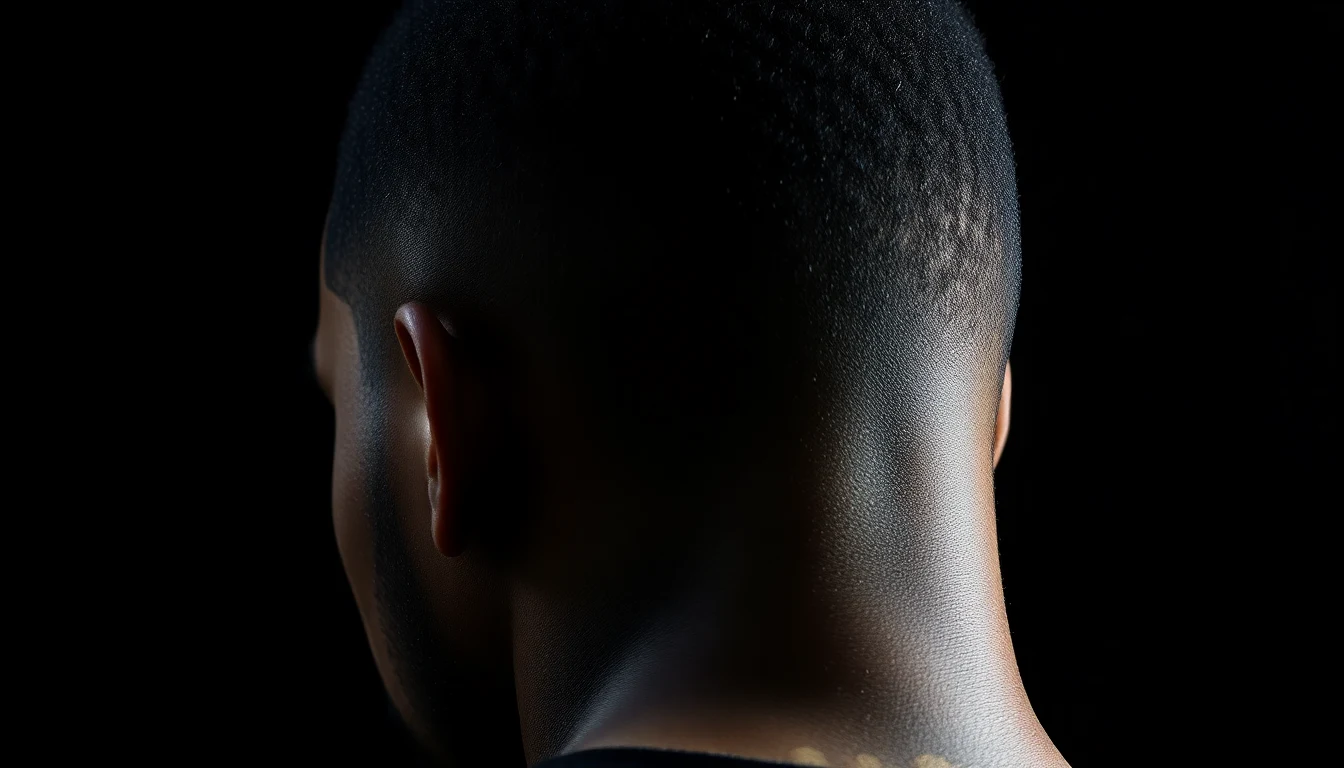
Wave training follows a simple cycle: brush, compress, repeat. The brushing trains the curl direction. The compression (durag) holds the curl in that direction while you are not brushing. Without the durag step, you are only doing half the work.
Your hair has elastic memory. When you brush a curl flat in one direction, it holds that position for a short time, then springs back. Each time you compress the curl in the flat position, the hair’s memory shifts slightly toward the wave pattern. Over weeks, the cumulative effect of brushing plus compression trains the curl to hold the wave direction on its own.
When to Wear Your Durag
- After every brush session. Put the durag on immediately after brushing and wear it for at least 30 minutes. This locks in the work you just did.
- All night, every night. Eight hours of overnight compression is the most productive part of your wave routine. Never skip this.
- During wolfing. Wear the durag at home whenever possible during your wolfing phase. The longer hair during wolfing has more spring-back force, so extra compression time helps.
- After wash-and-style. When you wash and brush your hair while damp, the wave impressions are deepest. Compress immediately and leave the durag on for at least an hour, ideally two.
Material Selection for Wave Training
For active wave training, I recommend owning at least two durags in different materials:
- Silk durag for daily wear and overnight. The Slippery Customs Silk Durag retains moisture and reduces friction while providing solid compression. This is your primary durag.
- Velvet durag for wolfing sessions. The Lux Velvet Premium Durag or WaveBuilder Premium Velvet Durag provides heavier compression for the wolfing phase when you need maximum hold on longer hair.
Having both means you can match the compression level to the phase of your wave journey. Fresh cut with short hair? Silk is enough. Week five of a wolf with stubborn length? Velvet gets the job done. For a full product comparison, check our best durag for waves guide.
The Durag in Fashion, Music, and Culture
The durag’s role in Black culture extends far beyond hair care. It is a fashion item, a cultural marker, and a lightning rod for conversations about race, identity, and respectability politics in America.
Music and Entertainment
Hip-hop made the durag visible to mainstream America. In the late 1990s and early 2000s, the durag was as much a part of the hip-hop uniform as Timberlands and baggy jeans. Artists wore them in music videos, on album covers, and during live performances. When it comes to what is a durag history,, technique matters most. When it comes to what is a durag history,, technique matters most.
A$AP Ferg, Solange, and Rihanna have all made durags part of their visual identity in the 2010s and 2020s. The durag has appeared in high-budget music videos alongside luxury fashion, signaling that this item belongs in every context from the barbershop to the red carpet. When it comes to what is a durag history,, technique matters most.
Fashion and High Art
The fashion world’s embrace of the durag has been a double-edged conversation. On one hand, seeing durags on runways validates something the Black community has valued for decades. On the other hand, Black men have been fired from jobs, sent home from schools, and profiled by police for wearing the exact same item that fashion houses now sell for $400.
This tension is real and worth acknowledging. The durag’s journey from “unprofessional” to “high fashion” happened without an apology to the people who were penalized for wearing one. That context matters when we talk about the durag as a fashion piece.
Community and Identity
In Black barbershops and wave communities, the durag remains what it has always been: a practical tool and a community marker. Putting on a durag at night is a ritual. Comparing durag collections is a conversation. The first time a young man ties his own durag and starts working on his waves is a small coming-of-age moment that connects him to his father, his uncles, and generations before them.
When I tied that first durag in my grandmother’s bathroom, I was not thinking about fashion or cultural statements. I was thinking about waves. But looking back, I was also participating in a tradition that connects millions of Black men across decades. That is what a durag is, beyond the fabric.

Addressing Stereotypes
Let me be direct about this. A durag is not a gang symbol. It is not a sign of criminal intent. It is not “ghetto.” These stereotypes have been used to justify policies that disproportionately target Black men and boys. A durag is a hair care tool with deep cultural significance. The same way a turban holds religious and cultural meaning for Sikh communities, the durag holds cultural meaning for Black communities. Respect it accordingly.
How to Care for Your Durags
A dirty durag transfers oil, bacteria, and old product back onto your hair. Proper care extends the life of your durag and keeps your wave routine hygienic.
Washing Frequency
Wash your durags at least once a week if you wear them daily. If you rotate between multiple durags, each one should be washed after three to four wears. I keep four durags in rotation so I always have a clean one available.
Washing Method by Material
| Material | Wash Method | Drying | Notes |
|---|---|---|---|
| Silk | Handwash with gentle soap, cold water | Air dry flat | Never wring silk, just press water out gently |
| Velvet | Handwash or machine wash (delicate, cold) | Air dry flat or low heat | Inside out to protect the velvet exterior |
| Satin | Handwash or machine wash (delicate, cold) | Air dry or low heat | Most forgiving material to wash |
| Mesh | Machine wash (any cycle) | Any method | Most durable, handles machine washing well |
Storage
Fold your clean durags flat and store them in a drawer or on a shelf. Do not ball them up. Balling creates creases and stretches out the fabric, especially on silk and satin models. I keep mine folded in a small drawer organizer next to my wave brush and pomade.
When to Replace
Replace a durag when the elastic at the front loses tension, the tails start fraying, or the interior lining feels rough instead of smooth. A well-cared-for silk durag lasts four to six months. Satin durags last two to four months. Velvet is the most durable and can last six months or more.
Choosing the Right Durag for You
With dozens of durags on the market, here is a practical guide to picking the right one based on your specific needs.
If You Are Starting Waves
Go with the Slippery Customs Silk Durag as your primary and grab a budget Annie Silky Satin Durag as a backup. You need moisture retention (silk) and a backup so you always have one clean. Total investment: about $15.
If You Are Wolfing
You need maximum compression. The Lux Velvet Premium Durag delivers the heaviest compression for wolfing sessions. Layer a Veeta Superior Silk Durag underneath if you want the double-rag technique for extreme compression with moisture protection.
If You Want an All-Purpose Option
The Kiss Silky Satin Durag and Dream Du-Rag Deluxe are solid everyday durags that balance compression, comfort, and price. The Dream Du-Rag has been in barbershops since before I was born, and it still does the job.
Buying Recommendations by Need
| Your Situation | Primary Durag | Backup |
|---|---|---|
| Wave beginner | Slippery Customs Silk | Annie Silky Satin |
| Active wolfing | Lux Velvet Premium | WaveBuilder Velvet |
| Budget-conscious | Kiss Silky Satin | Dream Du-Rag Deluxe |
| Premium daily wear | Veeta Superior Silk | Slippery Customs Silk |
| Overnight protection | Slippery Customs Silk | Veeta Superior Silk |
Frequently Asked Questions
What is a durag used for?
A durag compresses hair to train wave patterns, protects hairstyles overnight, retains moisture in textured hair, and reduces friction from pillowcases that causes frizz and breakage. When worn after brushing, it holds the curls in position so they set into defined waves. Beyond grooming, the durag is a fashion accessory and a symbol of cultural identity in Black communities. (We recommend this Natural Wave Pomade Strong Hold Easy.)
What is the best material for a durag?
It depends on your purpose. Silk is ideal for daily wear and overnight use because it retains moisture and reduces friction. Velvet provides the heaviest compression and is best for wolfing and deep wave training. Satin is a budget-friendly middle ground with decent compression and some moisture retention. Mesh is lightweight and breathable, best for workouts, but provides minimal compression.
Is it bad to wear a durag every day?
No. Daily durag wear is standard practice for wave training and hair maintenance. The important thing is proper fit. A durag tied too tight can cause headaches, forehead creasing, and traction alopecia over time. Tie it snug enough to compress without pressure at your temples or hairline. Rotate between multiple durags and wash them weekly.
How long should you wear a durag?
For wave training, at least 30 minutes after every brush session. Overnight, wear it the full eight hours. During wolfing phases, wear it at home whenever possible. For general hairstyle protection, overnight is enough.
What is the difference between a durag and a wave cap?
A durag has long tails that you tie for a custom fit, giving you precise compression control. A wave cap is an elastic stretchy cap you pull on like a beanie, requiring no tying. Durags offer better compression and adjustability. Wave caps are faster to put on and can be layered over a durag for extra compression during wolfing.
Why are durags culturally significant?
Durags have deep roots in Black American culture. They evolved from practical necessity during the early twentieth century to essential wave grooming tools in the 1960s through 1990s, then became fashion statements through hip-hop culture. They have been the subject of workplace bans and school dress codes that many view as racially targeted. Today the durag represents Black cultural identity, self-expression, and community pride alongside its grooming function. (We recommend this OCEAN VIEW DEEP WAVES POMADE –.)
Further reading: For research-backed grooming advice, see Healthline Men’s Health.
Explore more tips at CulturedGrooming.com.
Further reading: For research-backed grooming advice, see Healthline Men’s Health.
Frequently Asked Questions
What is a durag and why do Black men wear them?
A durag is a cloth head wrap that serves both practical and cultural purposes for Black men. Historically used to maintain wave patterns in hair and protect hairstyles, durags have evolved into a significant cultural symbol representing identity, style, and heritage within Black communities.
What’s the best material for a durag if I want to protect my waves?
Silk and satin durags are ideal for protecting waves because they reduce friction and help maintain moisture in your hair, unlike mesh materials. Velvet durags offer a premium look and good wave maintenance, though silk remains the most popular choice for serious wave patterns.
How do I properly tie a durag to get 360 waves?
Start by placing the durag on your head with the seam centered, pull the straps down tightly around your head, cross them at the back, wrap them forward, and tie them at your forehead while applying consistent pressure. The key is wrapping it snugly enough to compress your waves uniformly without cutting off circulation.
Are durags only for a specific hair type or can anyone wear one?
While durags originated in and are most commonly associated with Black culture and hair care, anyone can wear one as a fashion or functional accessory. However, it’s important to understand and respect the cultural significance and history of the durag within Black communities.