Cultured Grooming already covers Indian men’s hairstyles and Pakistani men’s hairstyles. Bangladesh gets folded into “South Asian” almost everywhere, which is unhelpful when the climate and the barbering culture both differ from Delhi or Lahore in ways that change what actually works.
This is a practical guide: what Bangladeshi hair tends to do, the cuts that hold up in Dhaka humidity or a Dhaka-adjacent diaspora summer, and how to get them from a barber who may never have cut your hair type.
What Bangladeshi hair tends to do
There is no single Bangladeshi hair type. What recurs often enough to plan around is thick individual strands, high density, and a texture that runs from dead straight through to loose wave, frequently with a strong growth direction at the crown.
The variable that matters most is not the hair, it is the air. Bangladesh is hot and humid for most of the year, and the monsoon months take it further. Humid air holds moisture against the hair shaft, which is why a style that sits perfectly in a dry room swells and loses its line outdoors. Wavy hair frizzes; straight hair goes limp and greasy at the root faster than it does in dry climates.
That single fact should drive the cut. Styles that depend on precision, heavy product or a flat silhouette fight the weather. Styles built on texture and shorter sides work with it.
Cuts that hold up in humidity
High taper with a short textured top
The most reliable choice. Keeping the sides short removes the bulk that swells in humid air, and a short textured top does not rely on a set that humidity can undo. It also stays cooler, which is not a trivial consideration in a Dhaka summer.
The textured crop
Short, forward, with the fringe left slightly separated. Thick hair gives the fringe natural definition without much product, and product is exactly what you want less of in humidity. Grows out acceptably, which matters if you are not getting to a barber weekly.
The mid fade with two to three inches on top
Enough length to style in more than one direction, short enough not to collapse. This is the default request in most Bangladeshi barbershops and in most diaspora ones, and it is the easiest cut to communicate accurately.
The buzz or very short crop
Underrated. It is cool, it is genuinely zero-maintenance, and on dense hair it reads as deliberate rather than as giving up. Pair it with a shaped beard if you want the contrast.
Longer, layered, air-dried
Achievable, but be honest about the upkeep. Length plus humidity plus coarse hair means frizz unless you are conditioning properly and leaving the hair alone once it is drying. Layers are what stop the shape going triangular.
The humidity problem, and what actually helps
Three adjustments do more than any product claim.
Cut more often, not shorter. A high taper looks sharp for two to three weeks and then starts to blur. Booking every three weeks rather than every six keeps the shape doing the work instead of the styling.
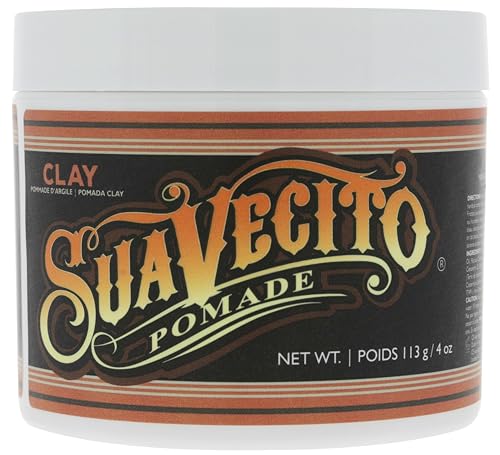
Use less product, not more. Heavy waxes and pomades in humid air attract lint, slide during the day and make the hair look greasy by afternoon. A small amount of matte clay does more than a large amount of anything shiny.
Let it dry before you style it. Applying product to hair that is still damp, in humid air, means it never fully sets. Rough-dry first, then style.
If you are dealing with oiliness at the root rather than frizz, the answer is usually washing frequency and the shampoo, not the cut. Our guide to shampoo for thick South Asian hair applies directly.
Oiling: keep it, but move it
Hair oiling is as embedded in Bangladeshi households as it is anywhere in South Asia, and there is nothing wrong with it. The mistake is treating it as a styling step.
Oil is a pre-wash treatment. Massage it into the scalp, leave it for anywhere from thirty minutes to overnight, then wash it out and style the clean hair. Oil left in before styling weighs down a cut that is meant to have texture, and in humid weather it compounds the greasy-root problem rather than solving it.
Our ayurvedic hair oil guide ranks the common oils, and the champi guide covers the massage technique properly.
A daily routine that takes three minutes
Most styling failures are sequence problems rather than product problems.
Start with towel-dried hair, not soaking and not dry. Soaking hair dilutes product into nothing; fully dry hair will not take a new shape without heat.
Rough-dry with a hairdryer on medium for sixty to ninety seconds, pushing the hair in the direction you want it to sit with your fingers. This is the step people skip, and it is the step that decides whether the cut has shape or just lies where it landed. On thick hair, air-drying alone gives you volume in whatever direction the crown dictates.
Warm a small amount of matte clay between your palms until it is nearly invisible, then work it through from the back forward. Starting at the front is how you end up with a heavy fringe and nothing at the crown.
Leave it. Restyling through the day pulls the hair around and, in humidity, turns product into grease.
If the style collapses by mid-afternoon, the usual cause is too much product rather than too little, or hair that was still damp when the product went in.
Talking to your barber
Whether you are in Dhaka or in a diaspora shop where nobody has cut hair like yours, the same things go wrong, and the same instructions prevent them.
Give guard numbers for the sides and inches for the top. “Short” means something different to every barber. “Number one on the sides, blend it up, leave two inches on top” does not.
Say the word humidity out loud. A barber who knows you want a cut that survives a humid commute will make different decisions about weight and length than one who assumes you are styling for a photograph.
Ask for weight removed with point cutting, not thinning shears. Over-thinned coarse hair frizzes from the middle of the strand, and it takes months to grow out.
Mention your crown before the cut, not after. A strong crown or a double crown limits how short the top can go before it starts sticking up on its own.
Choosing by face shape
Face shape matters less than most guides claim, but it does decide where you want volume.
Round face: height on top, short at the sides. A high taper with a textured top or a modest pompadour adds vertical line. Avoid anything that leaves width at the temples.
Square or strong jaw: you can carry almost anything, including a buzz. A textured crop keeps the jaw as the focal point without softening it.
Long or oval face: avoid piling height on top. A side-swept style or a crop with a forward fringe shortens the face visually. Some width at the sides is an advantage here, which is the one case where a very high taper works against you.
Heart-shaped, wider forehead: a fringe is the straightforward answer. A textured crop worn forward covers the widest part of the face without looking like it is trying to.
Water, washing and the thing nobody mentions
Hard water is a genuine factor in much of the region and in plenty of diaspora cities, and it is an underrated cause of hair that feels rough, looks dull and will not hold a style no matter what you put on it.
The signs are consistent: shampoo that does not lather well, a film that makes hair feel coated rather than clean, and colour-treated hair shifting tone faster than it should.
What helps, in order of effort: a clarifying wash every week or two to strip the mineral build-up, a final rinse in cooler water, and if the problem is persistent, a shower filter. Switching shampoo brands repeatedly does not fix a water problem, which is why people cycle through products for months without improvement.
On frequency, thick hair in a humid climate usually wants washing every two to three days. Daily washing strips it and prompts the scalp to overproduce, which is the origin of most greasy-root complaints.
Maintaining the cut between barber visits
A taper blurs at the sides first, and that is what makes a three-week-old cut look untidy while the top is still fine.
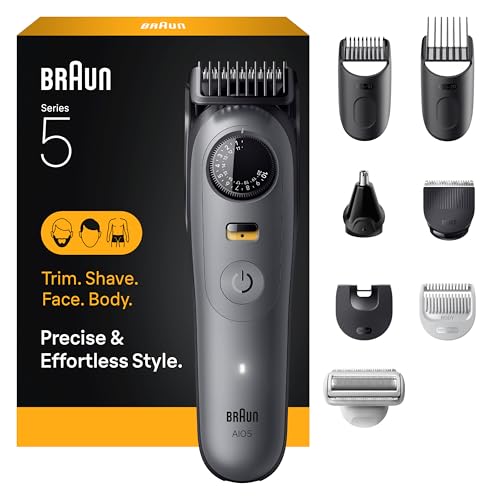
Cleaning up your own neckline is the single highest-value thing you can do at home, and it is low risk because the shape is a straight line you can feel. Leave the sides and the blend alone. Fading your own hair without practice is how a three-week-old cut becomes a buzz cut.
Keep the hairline at the temples tidy with a trimmer, again without touching the blend. Two minutes a week buys roughly another week between visits.
If you are cutting at home properly rather than tidying, our guides to cutting hair at home and doing a fade at home go through it step by step.
Beards
Facial hair density varies widely, and patchiness in the cheeks is common enough that it is worth planning around rather than fighting. A shorter, shaped beard almost always looks better than a longer one grown to hide a gap. Our guides to South Asian beard styles and growing a beard faster cover both the shaping and the realistic expectations.
In humid weather a beard needs less oil than the internet suggests, not more. A few drops worked through after washing is enough; a heavy application in humid air reads as greasy and attracts dust. Wash it with something intended for facial hair rather than the bar soap in the shower, which strips it and leaves the skin underneath itchy.
Frequently Asked Questions
What is the best haircut for Bangladeshi men in hot weather?
A high taper with a short textured top. It keeps bulk off the sides where humidity does the most damage, it needs very little product, and it is noticeably cooler than a longer style.
Why does my hair get greasy so quickly?
Usually a combination of humidity, oil left in before styling, and washing with something too heavy. Move oiling to a pre-wash step, and look at your shampoo before you look at your haircut.
Is Bangladeshi hair different from Indian hair?
Not in any way that changes the advice. The overlap is near total, which is why our Indian men’s hairstyles guide and hair care routine both apply. What differs is the climate in much of Bangladesh, and that is what should drive the cut.
How often should I get a haircut?
Every three weeks if you are wearing a taper or fade, four to six if you are wearing something longer. Tapered styles lose their shape through the sides first.
Does hard water really affect my hair?
Yes, and it is commonly mistaken for a product problem. Mineral build-up leaves hair feeling coated rather than clean and stops it holding a style. A clarifying wash every week or two usually confirms it: if the hair feels dramatically different afterwards, water was the cause and no amount of brand-switching would have fixed it.
Should I cut my own hair between barber visits?
Tidy the neckline and the temples, yes. Attempt your own fade or blend, no. The neckline is a straight line you can feel and it is what makes a three-week-old cut look untidy; the blend is where home haircuts go wrong irreversibly.
Can I wear longer hair in this climate?
Yes, with layers and with a conditioning routine you actually follow. Length without layers on dense hair in humid air is how you end up with a triangle.
Where to go next
Start with our desi hairstyles guide for the wider diaspora picture, or Indian men’s hairstyles for the full technical treatment of South Asian hair. For products, hair products for South Asian men covers clays, creams and oils.