Cuban barbering has a distinct lineage, and it shows in the cuts: sharp fades, real length and shape on top, and a comfort with the pompadour that most barbering traditions lost decades ago. Combine that with year-round Caribbean humidity and a population whose hair runs from straight to tightly coiled, and you get a specific set of decisions.
This guide covers the cuts, how to choose by your own hair type, and how humidity changes the answer.
Three hair types, one island
Cuba’s population is a mix of Spanish, African and, to a lesser degree, indigenous and Chinese ancestry, and the hair reflects it. Advice written for one type actively fails the others, so start by establishing which you are working with. Look at clean, air-dried hair with nothing in it.
Straight to loose wave, thick, dark. The Hispanic-Cuban pattern. Holds a cut well, resists curl, flattens under weight.
Defined curl or coil, 3B through 4C. The Afro-Cuban pattern. Shrinks substantially as it dries, needs moisture, must be cut dry.
Mixed, looser on top and tighter at the nape. Extremely common and worth telling a barber before they start, because the two zones want different handling.
The cuts
The fade with a pompadour
The signature. Sides faded tight, real length left on top, swept up and back. It survives in Cuban barbering when it went out of fashion almost everywhere else, and it works because thick dark hair has the density to support height.
The failure mode is length. A pompadour needs four inches or more on top, and most people cut it too short and then wonder why it will not stand.
The high skin fade with a textured top
The contemporary default. Works across all three hair types, with the top handled differently for each: point-cut for straight hair, left long for curls.
The taper with curls on top
For 3B and tighter. Sides tapered rather than skin-faded so the transition is softer, curl length kept on top. Must be cut dry. Our curly hair products guide covers styling by curl type.
The classic side part
Conservative and still worn. On straight thick hair it holds easily; on wavy hair the weight has to come out underneath or it lifts.
The short crop or buzz
The honest answer in a hot humid climate, and flattering on most face shapes. Pair with a shaped beard for contrast.
Humidity, which is the constant
Cuba is humid essentially year-round, and that is the variable that breaks most styling routines.
Humid air holds moisture against the hair shaft. Curly hair frizzes; straight hair swells slightly and then goes limp at the root. Either way, a style that depends on a set holding all day will not hold.
Three adjustments do most of the work.
Cut more often rather than styling harder. A sharp fade looks intentional for two to three weeks with no product at all. Booking every three weeks does more than any styling routine.
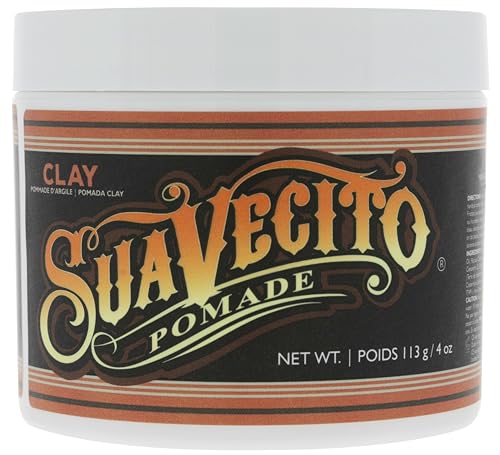
Use less product, and matte. Heavy waxes and pomades slide in humid heat, collect dust and read as greasy by afternoon. A small amount of matte clay outperforms a large amount of anything shiny.
Let it dry fully before styling. Product on damp hair in humid air never sets, which is why the style collapses at lunchtime.
Choosing by face shape
Round. Height on top, tight sides. The pompadour is genuinely useful here because it adds vertical line. Avoid width at the temples.
Square. Almost anything. A textured crop or short fade keeps the jaw as the feature.
Long. Keep the height down and the fade lower. A forward fringe shortens the face; a pompadour on a long face lengthens it further.
Heart-shaped. A fringe worn forward, and beard weight at the jaw.
Beards
Growth varies as widely as the hair. Afro-Cuban beard hair frequently curls tightly, which raises the risk of ingrown hairs substantially with close shaving.
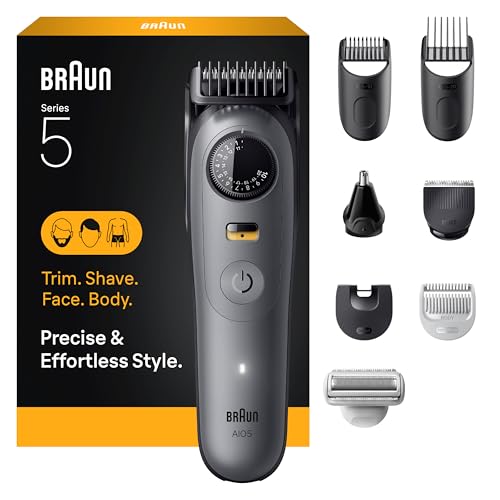
If you get bumps along the jaw and neck, the cause is usually shaving too close rather than the product. A trimmer with a guard instead of a blade to the skin resolves it for most people, and shaving with the grain rather than against it does the rest. Our post-shave care guide covers the products, and shaped beard styles covers designing around patchy cheeks.
A care routine for each hair type
Straight and thick
Wash two or three times a week. Condition every wash, keeping it off the root. Rough-dry with fingers directing the hair. Matte products, used sparingly.
Curly and coily
Wash once or twice a week at most. Condition every wash without exception. Detangle only in the shower with conditioner in, using fingers or a wide-tooth comb, from the ends upward. Apply product to soaking hair and scrunch upward, then leave it alone while it dries. Squeeze with a t-shirt rather than rubbing with a towel. Never brush it dry.

Mixed
Treat the two zones separately. The curlier nape wants the curly routine; the looser top wants the straight-hair one. Trying to run one routine across both is why mixed hair is so often described as unmanageable.
Finding a good barber
Cuban and Latino barbershops are widespread in most large US cities, and the quality varies more than the signage suggests.
Watch a fade being finished before you sit down. Two minutes tells you most of what you need: a clean blend on dark dense hair is genuinely hard, and a shop that does it well handles everything else.
Check whether they cut curly hair dry. A shop serving mixed clientele that cuts everyone wet to length is sending curly-haired customers out with shorter hair than they asked for.
Ask whether they still do pompadours. It sounds like a trivia question and it is actually a skill test, because the cut requires a barber who can leave and shape real length rather than only fade.
Our city guides, such as Latino barbers in Houston, cover several metros and are the faster route than trial and error.
Common mistakes
Applying advice for one Cuban hair type to another. The island’s hair runs from straight through to tightly coiled, and generic guidance serves only the middle case.
Cutting a pompadour too short and then blaming the product when it will not stand. Four inches minimum on top.
Letting a barber cut curly hair wet and to length, then discovering the shrinkage.
Using heavy product in humid heat, where it slides, collects dust and reads as grease by early afternoon.
Brushing curly hair dry, which turns a defined curl into frizz that nothing applied afterwards will reverse.
Shaving curling beard hair close to the skin and then treating the resulting bumps as a razor problem.
Talking to your barber
Name your hair type, not just the style you want. “Curly and it shrinks” or “thick and straight” changes what a barber does before they pick up a tool.
Ask to be cut dry if your hair is curly. Non-negotiable at 3B and tighter.
Say how much length you want left on top, in inches. This matters more for a pompadour than for anything else, and it is the most common reason the style fails.
Give guard numbers for the sides, and say whether you want a skin fade or a taper. They are different requests.
Frequently Asked Questions
What is a Cuban haircut?
Most commonly a tight fade with real length and shape on top, frequently a pompadour. Cuban barbering kept the pompadour when most traditions dropped it, and the combination of a sharp fade with height on top is the closest thing to a signature.
Is Cuban hair curly or straight?
Both, and often mixed on the same head. Cuba’s population is a mix of Spanish and African ancestry among others, so hair runs from straight and thick through to tightly coiled. Establish which you have before following any routine.
How do I keep a style in Caribbean humidity?
Cut more often and use less product. A sharp fade holds its look for weeks with nothing on it, while a style that depends on product setting will not survive a humid afternoon.
How much length do I need for a pompadour?
Four inches or more on top. Most failed pompadours are simply too short, and no amount of product compensates for missing length.
Should curly hair be cut wet or dry?
Dry, or with the length checked dry before the finish. Curly hair shrinks noticeably as it dries, and cutting to length while wet is the most common cause of a cut coming out far shorter than intended.
What is the difference between Cuban and Colombian barbering?
Both are known for fade precision. The Cuban tradition kept the pompadour and tends toward height and shape on top; Colombian barbering leans harder into freehand designs cut into the fade. There is heavy overlap and plenty of shops do both well.
What product works in humidity?
A small amount of matte clay. Heavy waxes and pomades slide in humid heat, collect dust and read as grease by early afternoon. For curls, a light gel applied to soaking hair holds better than any cream.
My hair is curly on top and straighter at the sides. What do I ask for?
Say exactly that. It is extremely common on mixed hair and a good barber will taper the straighter sides and cut the curly top dry. The mistake is letting them treat the whole head as one texture.
Why do I get razor bumps on my neck?
Shaving too close on curling beard hair, which then grows back into the skin. Use a trimmer with a guard, shave with the grain, and stop chasing smoothness.
Where to go next
For curl-specific products, see curly hair products for men. For fades, types of fades, and for beard shaping, Italian beard styles.