If you want to master best deep conditioner for 4c, this guide covers everything you need to know. Deep conditioning is the single most important step in a 4C hair care routine, and most men skip it completely. I get it. Sitting with product in your hair for 30 minutes does not sound exciting. But here is the reality: 4C hair loses moisture faster than any other texture, and without regular deep conditioning, your daily moisturizer is fighting a losing battle. I have tested the best deep conditioners for 4C hair over the past three years, talked to trichologists and barbers across the South, and dialed in a system that keeps tightly coiled hair soft, strong, and growing. This guide covers the 10 deep conditioners that earned their spot, explains the protein versus moisture balance that determines whether your hair thrives or breaks, and walks you through an application tutorial you can use on your next wash day.
If you only read one section, jump to the comparison table for my ranked picks, or read the protein vs. moisture section if you are not sure which type of deep conditioner your 4C hair actually needs.
Our Top Picks: Best Deep Conditioners for 4C Hair: Best Deep Conditioner For 4C
Every product on this list was evaluated specifically on 4C hair. I looked at moisture delivery, how long the softness lasts after rinsing, ingredient quality, whether it addresses protein needs, and price per use. These are not generic “best deep conditioners” repackaged with a 4C keyword. Every product here has been tested against tightly coiled textures.

| Rank | Product | Type | Price | Best For |
|---|---|---|---|---|
| 1 | SheaMoisture Manuka Honey & Mafura Oil Intensive Hydration Masque | Moisture | $12-14 | Overall best for dry 4C hair |
| 2 | Aussie 3 Minute Miracle Moist Deep Conditioner | Moisture | $4-6 | Budget pick, quick results |
| 3 | Mielle Babassu Oil & Mint Deep Conditioner | Moisture + Protein | $10-13 | Balanced moisture and strength |
| 4 | TGIN Honey Miracle Hair Mask | Moisture | $15-18 | Deep hydration, high porosity |
| 5 | Briogeo Don’t Despair, Repair! Deep Conditioning Mask | Protein + Moisture | $36-40 | Damaged, chemically treated 4C hair |
| 6 | Camille Rose Algae Renew Deep Conditioning Mask | Moisture | $18-22 | Lightweight deep moisture, all porosities |
| 7 | As I Am Hydration Elation Intensive Conditioner | Moisture | $11-14 | Extreme dryness, winter rescue |
| 8 | Carol’s Daughter Goddess Strength Fortifying Hair Masque | Protein + Moisture | $12-15 | Breakage-prone 4C, strengthening |
| 9 | Aunt Jackie’s Fix My Hair Intensive Repair Conditioning Masque | Protein | $8-10 | Budget protein treatment |
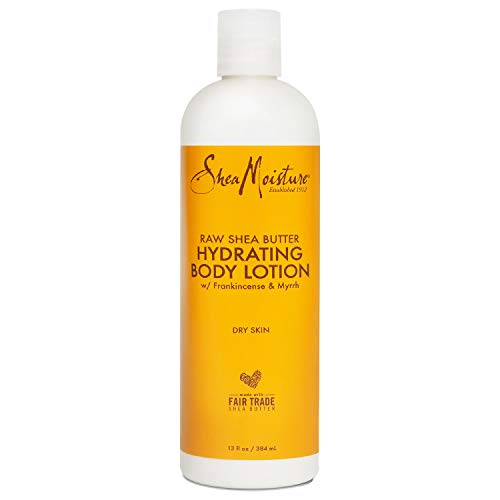
| 10 | SheaMoisture Raw Shea Butter Deep Treatment Masque | Moisture | $11-13 | Budget moisture, thick 4C textures |
Protein vs. Moisture Balance: The Key to Healthy 4C Hair
This is where most 4C hair routines go wrong. Every hair strand is built from keratin protein, and healthy hair maintains a balance between protein (strength) and moisture (elasticity). When that balance tips in either direction, problems start.
Signs Your Hair Needs Moisture
- Hair feels dry, brittle, or straw-like
- Hair snaps easily when stretched
- Very little elasticity; hair does not bounce back
- Frizz is excessive even after styling
- Scalp feels tight and dry
What to do: Use a moisture-focused deep conditioner (most of the products on this list). Skip protein treatments until your hair regains flexibility.
Signs Your Hair Needs Protein
- Hair feels mushy or gummy when wet
- Hair stretches excessively without snapping back
- Limp, flat coils with no definition
- Excessive shedding or breakage at mid-shaft
- Hair that has been color-treated, relaxed, or heat-damaged frequently
What to do: Use a protein-based deep conditioner or a balanced moisture-protein formula. Follow with a moisture conditioner to prevent over-correction.
The Balance Framework
| Your Situation | Protein Frequency | Moisture Frequency |
|---|---|---|
| Healthy, natural 4C hair | Every 6-8 weeks | Weekly or biweekly |
| Color-treated 4C hair | Every 3-4 weeks | Weekly |
| Heat-damaged 4C hair | Every 2-3 weeks | Weekly, with heat cap |
| Loc’d 4C hair | Every 8-10 weeks | Biweekly |
My barber once told me something that stuck: “Moisture makes your hair feel good. Protein makes your hair stay on your head.” Both matter, but for 4C hair that has not been chemically processed, moisture is the priority 80% of the time.
Detailed Reviews: The 10 Best Deep Conditioners for 4C Hair
1. SheaMoisture Manuka Honey & Mafura Oil Intensive Hydration Masque
SheaMoisture’s Manuka Honey masque is the deep conditioner I recommend more than any other product in the entire 4C category. The formula is built on manuka honey (a potent humectant with antibacterial properties), mafura oil (a Southern African botanical that penetrates tightly coiled hair remarkably well), and shea butter for sealing.
What I like: The consistency is thick but workable. It spreads through 4C coils without the tugging and pulling that thinner conditioners cause. I leave it in for 20-30 minutes with a plastic cap, and when I rinse, my hair feels like a completely different texture. Soft, pliable, and hydrated in a way that lasts three to four days. I have been using this on and off for over two years, and it is the product that consistently delivers the best results on my high-porosity 4C hair.
Who it works for: All porosity levels of 4C hair, especially dry, dehydrated textures. This is a pure moisture treatment with no significant protein content, making it safe for protein-sensitive hair.
Who should skip it: If your hair needs protein specifically (mushy when wet, excessive stretching), this will not address that. Use a balanced product like Briogeo or Mielle Babassu instead, then follow up with this for moisture.
Price: $12-14 for 12 oz. Exceptional value for a deep conditioner of this quality. One jar lasts me about six to eight uses on short-to-medium 4C hair.
2. Aussie 3 Minute Miracle Moist Deep Conditioner
I know what you are thinking. Aussie? For 4C hair? Hear me out. The Aussie 3 Minute Miracle has been a barbershop secret for years. It is cheap, available everywhere, and it works far better on tightly coiled hair than it has any right to at this price point.
What I like: The avocado and jojoba oil base provides real slip and moisture. On busy weeks when I do not have 30 minutes to deep condition, I use this for five to ten minutes and still get noticeable softness. The formula is lightweight enough that it rinses clean without residue, which is important for 4C hair that is prone to buildup. I keep this as my backup deep conditioner for when the SheaMoisture runs out mid-month.
Who it works for: Men who want a fast, affordable deep conditioning option. Normal-to-high porosity 4C hair. Great for beginners who are just starting to deep condition and do not want to invest $15+ before they know if the habit will stick.
Who should skip it: If your 4C hair is extremely dry, coarse, and high-porosity, this might not be rich enough on its own. Layer it with a heavy oil sealant after rinsing, or save it for maintenance weeks and use a richer mask for your primary deep conditioning sessions.
Price: $4-6 for 8 oz. The best value deep conditioner on this list by a wide margin.

3. Mielle Babassu Oil & Mint Deep Conditioner
Mielle Organics delivers again with this balanced deep conditioner that provides both moisture and light protein. Babassu oil is a Brazilian botanical that penetrates the hair shaft similarly to coconut oil but without the heavy protein load that can cause buildup on protein-sensitive hair. The mint adds a cooling, tingling sensation on the scalp that honestly just feels good after a long week.
What I like: The balance. Most deep conditioners are either all moisture or heavy protein, and you have to guess which one you need this week. Mielle’s Babassu formula sits in the middle, providing enough moisture for regular use while maintaining hair strength with amino acids. I use this on weeks when I am not sure whether my hair needs moisture or protein. It is the safe choice that always delivers. Mielle is also a Black-owned brand, which is relevant when you are choosing where to put your money.
Who it works for: All 4C hair types and porosity levels. The balanced formula makes it suitable for weekly use without risking protein overload or moisture overload.
Who should skip it: If you need heavy-duty moisture rescue (extremely dry, damaged 4C hair), go with the SheaMoisture Manuka Honey or TGIN Honey Miracle for a pure hydration session. If you need serious protein repair, choose Briogeo or Aunt Jackie’s Fix My Hair.
Price: $10-13 for 8 oz.
4. TGIN Honey Miracle Hair Mask
TGIN’s Honey Miracle mask is built on raw honey and olive oil, two ingredients that have been used on textured hair for generations. The raw honey acts as a humectant, pulling moisture from the environment into the hair shaft. The olive oil provides a medium-weight seal. Together, they create a deeply nourishing treatment that 4C hair absorbs readily.
What I like: This is what I use when my hair is in crisis mode. After a month of inconsistent moisturizing, after traveling to a dry climate, or after I have been lazy about my routine and my hair is telling me about it, the TGIN Honey Miracle brings it back. I apply a generous amount, cover with a plastic cap, sit under a hooded dryer for 20 minutes, and the transformation is immediate. My coils go from crunchy to cloud-soft. Another Black-owned brand that understands what 4C hair needs.
Who it works for: High-porosity 4C hair, extremely dry textures, anyone doing monthly “rescue” deep conditioning sessions. Excellent for men who are growing out their 4C hair and need to maximize length retention.
Who should skip it: The honey can be slightly sticky if you do not rinse thoroughly. Make sure you spend a full two to three minutes rinsing to avoid residue. Low-porosity hair may find this too heavy for weekly use; try biweekly instead.
Price: $15-18 for 12 oz.
5. Briogeo Don’t Despair, Repair! Deep Conditioning Mask
Briogeo is the premium pick on this list, and the price reflects that. This mask combines rosehip oil, algae extract, keratin protein, and biotin in a formula designed to repair damaged hair from the inside out. If you have used relaxers, texturizers, excessive heat, or color on your 4C hair, this is the product that puts the pieces back together.
What I like: The protein in this formula is significant, and for the right situation, that is exactly what you need. I used this after a period where I was blow-drying my 4C hair weekly (not recommended, by the way), and my hair had lost its curl pattern and was breaking at the mid-shaft. Two sessions with the Briogeo mask over three weeks brought back elasticity and stopped the breakage. The rosehip oil adds an antioxidant layer that protects against future damage.
Who it works for: Chemically treated 4C hair, heat-damaged hair, hair that has lost its curl pattern. Men transitioning from relaxers or texturizers to natural. Anyone whose hair feels mushy, limp, or overprocessed.
Who should skip it: If your natural 4C hair is healthy and just needs moisture, this is overkill. The protein content can cause stiffness and brittleness in hair that does not need reinforcement. Use only when protein deficiency symptoms are present.

Price: $36-40 for 8 oz. Expensive, but you only need it every three to six weeks for damage repair, so one jar lasts months.
6. Camille Rose Algae Renew Deep Conditioning Mask
Camille Rose brings sophistication to 4C deep conditioning with this algae-based mask. Blue-green algae is rich in vitamins, minerals, and amino acids that nourish the hair strand without the heaviness of traditional butters. The formula also includes mango butter and aloe vera for moisture and smoothing.
What I like: Lightweight deep conditioning. That might sound contradictory, but Camille Rose figured out how to deliver deep hydration without the thick, heavy consistency that some 4C men (especially those with shorter cuts) find annoying. The algae provides nutrients that strengthen the hair internally while the mango butter seals the cuticle externally. My barber uses this on clients before shape-ups because it softens the hair without leaving any greasy residue that would interfere with the clippers. Black-owned and thoughtfully formulated.
Who it works for: All porosity levels. Men with shorter 4C styles who do not want heavy residue. Low-porosity 4C hair that rejects thick masks. Year-round use in all climates.
Who should skip it: If your 4C hair is extremely thick, coarse, and dry, you may need something richer for your primary deep conditioning sessions. Consider using this for lighter weeks and the SheaMoisture Manuka Honey or TGIN for heavy sessions.
Price: $18-22 for 8 oz.
7. As I Am Hydration Elation Intensive Conditioner
As I Am designed this conditioner specifically for natural hair that is parched beyond what regular conditioners can fix. The star ingredients are sugar beet extract (a natural humectant), phytosterol (a plant-derived ingredient that mimics the lipids in healthy hair), and green tea extract for antioxidant protection.
What I like: This is my winter rescue product. When December hits and the air in Atlanta drops to single-digit humidity, my 4C hair goes into survival mode. The Hydration Elation is formulated for exactly that scenario. I apply it thick, leave it for 30 minutes with a heat cap, and it rehydrates hair that has been drained by cold, dry air. The sugar beet extract is an underrated humectant that outperforms glycerin in low-humidity environments because it does not rely on atmospheric moisture.
Who it works for: Extremely dry 4C hair, winter months, dry climates (Denver, Phoenix, Vegas), men who work in air-conditioned environments that strip moisture all day.
Who should skip it: If you are in a humid climate and your 4C hair holds moisture well, this level of intensity is unnecessary for regular use. Save it for seasonal rotation.
Price: $11-14 for 8 oz.
8. Carol’s Daughter Goddess Strength Fortifying Hair Masque
Carol’s Daughter has been a household name in Black hair care since the 1990s, and the Goddess Strength line is their answer to the breakage epidemic. The formula features castor oil (for sealing and thickness), honey (for moisture), and a proprietary blend of botanical proteins designed to reinforce the hair shaft without causing stiffness.
What I like: The protein in this masque is gentle enough for regular use, which is rare. Most protein treatments are “use every six weeks or risk turning your hair into straw.” Carol’s Daughter managed to create a balanced formula that strengthens 4C hair with every use while still delivering real moisture. I alternate between this and the SheaMoisture Manuka Honey, using the Carol’s Daughter when I notice increased shedding or breakage in my comb.
Who it works for: 4C hair prone to breakage, especially at the edges and crown. Men who are growing an afro and need to minimize breakage for maximum length retention. Anyone who wants gentle protein reinforcement without the harshness of traditional protein treatments.
Who should skip it: If your hair is already protein-overloaded (stiff, dry, crunchy, lacks elasticity), more protein is the last thing you need. Start with a pure moisture treatment like the SheaMoisture or TGIN first.
Price: $12-15 for 10 oz.
9. Aunt Jackie’s Fix My Hair Intensive Repair Conditioning Masque
Aunt Jackie’s Fix My Hair is the most protein-focused product on this list and the most affordable dedicated protein treatment for 4C hair. The formula includes wheat protein, soy protein, and keratin alongside eucalyptus oil and shea butter. It is designed for serious repair work.
What I like: When I need protein and I do not want to spend $36 on the Briogeo, this is my go-to. Aunt Jackie’s delivers real structural repair at a budget price. After using it, my coils have more definition, less frizz, and noticeably less breakage for the following two to three weeks. The eucalyptus oil adds a clean, medicinal scent and a cooling feeling on the scalp that signals “this is doing something.”
Who it works for: 4C hair that needs protein repair without a premium price tag. Post-color treatment repair. Hair that feels mushy, limp, or excessively stretchy when wet.
Who should skip it: If your 4C hair is already dry and brittle, this product will make it worse. Protein on protein-overloaded hair creates more stiffness and breakage. Always follow a protein treatment with a moisture-focused deep conditioner to rebalance.
Price: $8-10 for 15 oz. The most product per dollar on this list.
10. SheaMoisture Raw Shea Butter Deep Treatment Masque
The second SheaMoisture product on this list targets men with thick, coarse 4C hair that needs the heaviest possible moisture treatment. Raw shea butter is the star ingredient here, supported by argan oil and sea kelp extract. This is a thick, dense masque that coats and penetrates even the most resistant 4C coils.
What I like: When the Manuka Honey formula (my number one pick) does not feel heavy enough, this is where I go. The Raw Shea Butter masque is like the deep conditioning equivalent of a winter coat. It envelops each strand in a rich layer of moisture and takes hours, sometimes a full day, to dry out. I use this once a month as a “super soak” session where I apply it generously, sit with a heat cap for 45 minutes, and let my hair absorb everything it can.
Who it works for: Thick, coarse, high-porosity 4C hair. Men growing out locs or starting dreads who need maximum hydration. Winter deep conditioning sessions.
Who should skip it: Thin, fine, or low-porosity 4C hair will feel weighed down and greasy. This is for the thickest, driest textures that laugh at lighter products.
Price: $11-13 for 12 oz.
How Often Should You Deep Condition 4C Hair?
The frequency depends on your hair’s current state, your styling habits, and your environment. Here is the framework I recommend.
| Your Situation | Frequency | Treatment Type |
|---|---|---|
| Healthy, natural 4C hair | Every 1-2 weeks | Moisture-focused |
| Color-treated 4C hair | Weekly | Alternating moisture + protein |
| Transitioning from relaxer | Weekly | Protein every 2-3 weeks, moisture the rest |
| Growing out 4C hair | Weekly | Moisture, with protein every 6-8 weeks |
| Loc’d 4C hair | Biweekly | Moisture, diluted and applied carefully |
| Short 4C cut (under 1 inch) | Biweekly to monthly | Moisture |
The biggest mistake men make is not deep conditioning at all. The second biggest is doing it too rarely. Even a biweekly session makes a significant difference in how your 4C hair feels, grows, and retains length. If you are also working on a daily moisture routine, my 4C moisturizer guide covers the products and methods for between wash days.
Deep Conditioning with Heat vs. Without Heat
Heat changes the game for 4C deep conditioning. Here is why, and how to use it safely.
Why Heat Helps 4C Hair
The cuticle layer on 4C hair is notoriously tight, especially on low-porosity textures. That means the beneficial ingredients in your deep conditioner can struggle to penetrate past the surface. Heat gently lifts the cuticle, allowing moisture and nutrients to enter the cortex of the hair strand where they do the most good.
For high-porosity 4C hair, the cuticle is already open, so heat is less critical but still beneficial because it helps the product distribute evenly and absorb more deeply.
Methods of Applying Heat
| Method | Cost | Effectiveness | Notes |
|---|---|---|---|
| Hooded dryer | $30-80 (portable) | Best | Even, consistent heat. The gold standard. |
| Heat cap / thermal cap | $15-30 | Very good | Microwavable. Portable, easy to use. |
| Plastic cap + body heat | $1 | Good | Free heat from your head. Takes longer (30-45 min). |
| Hot towel wrap | $0 (use existing towel) | Moderate | Wet towel in hot water, wring, wrap over plastic cap. Reapply every 10 min. |
| Steamer | $50-150 | Excellent | Adds moisture + heat simultaneously. Best for low-porosity. |
My Recommendation
If you deep condition every week or two, invest in a heat cap. It costs $15-30 and pays for itself in product effectiveness. I use a microwavable heat cap for 20-30 minutes during every deep conditioning session. The difference in softness and moisture retention versus no heat is dramatic.
If you are on a zero budget, the plastic cap method works. Your head generates enough heat naturally to improve product penetration. Just give it 30-45 minutes instead of 20.
DIY Deep Conditioner Recipes for 4C Hair
Sometimes the best deep conditioner is the one you make in your kitchen. These recipes use ingredients that have been used on textured hair for generations in the African diaspora. They are not replacements for commercial products, but they are excellent supplements and budget-friendly alternatives.
Recipe 1: Avocado and Olive Oil Mask
This is the classic DIY deep conditioner for 4C hair, and it works because avocado is loaded with fatty acids that mimic the lipids in healthy hair.

Ingredients:
- 1 ripe avocado (soft, not mushy)
- 2 tablespoons extra virgin olive oil
- 1 tablespoon raw honey
Instructions:
- Mash the avocado until completely smooth. No chunks. Chunks get stuck in 4C coils and are a nightmare to rinse out.
- Mix in the olive oil and honey until you have a thick, consistent paste.
- Apply to freshly washed, damp 4C hair in sections.
- Cover with a plastic cap and sit for 30-45 minutes (with heat if available).
- Rinse thoroughly with warm water. Follow with a light conditioner if needed to remove residue.
Best for: Dry, dehydrated 4C hair that needs intensive moisture. Use every two to three weeks.
Recipe 2: Banana and Coconut Cream Mask
Ingredients:
- 1 very ripe banana (brown spots preferred)
- 2 tablespoons coconut cream (full fat, from a can)
- 1 tablespoon Jamaican Black Castor Oil
Instructions:
- Blend the banana in a blender (not a fork) until it is completely liquefied. This is critical. Banana chunks in 4C hair are worse than avocado chunks.
- Mix in coconut cream and JBCO.
- Apply to damp hair, cover with plastic cap, sit for 20-30 minutes.
- Rinse with warm water, then cool water to close the cuticle.
Best for: 4C hair that needs both moisture and light protein (bananas contain natural silica, which strengthens hair). Good for protein-sensitive hair that cannot handle heavy commercial protein treatments. When it comes to best deep conditioner for 4c, technique matters most.
Recipe 3: Egg and Olive Oil Protein Treatment
Ingredients: When it comes to best deep conditioner for 4c, technique matters most.
- 1 whole egg
- 2 tablespoons olive oil
- 1 tablespoon honey
Instructions:
- Whisk the egg thoroughly. Add olive oil and honey.
- Apply to damp hair in sections.
- Cover with plastic cap. Do NOT use heat. Heat will cook the egg in your hair. I say this from the experience of a friend who learned the hard way.
- Leave for 20-30 minutes. Rinse with COOL water (not warm or hot; again, cooked egg is the enemy).
- Follow immediately with a moisture-focused deep conditioner to rebalance.
Best for: 4C hair that needs protein reinforcement on a budget. Use every four to six weeks.
Step-by-Step Deep Conditioning Tutorial for 4C Hair
Whether you use a commercial product or a DIY recipe, the application process matters as much as the product itself. Here is my complete wash-day deep conditioning routine.
What You Need
- Sulfate-free shampoo for 4C hair
- Deep conditioner of your choice
- Wide-tooth comb or detangling brush
- Plastic cap or shower cap
- Heat cap, hooded dryer, or hot towel (optional but recommended)
- Spray bottle with water
- Sectioning clips (optional, for longer hair)
The Process
- Wash first. Apply shampoo to wet hair, massage the scalp with your fingertips (not your nails), and rinse. You want clean hair so the deep conditioner can actually penetrate. Product buildup blocks absorption.
- Section your hair. Divide into four to six sections depending on density. This ensures even distribution. On shorter 4C cuts (under two inches), you can skip sectioning.
- Apply generously. Scoop a golf-ball-sized amount per section. Apply from mid-shaft to ends first (the driest part), then work toward the roots. Do not pile product on your scalp; you are conditioning the hair strand, not the skin.
- Detangle gently. While the conditioner provides slip, use a wide-tooth comb starting from the ends and working up. Never start at the root; that is how you rip hair out. If your 4C hair tangles easily, read my leave-in conditioner guide for detangling tips.
- Cover with a plastic cap. Tuck all hair under the cap to trap heat and prevent the conditioner from drying out.
- Apply heat for 20-30 minutes. Use a heat cap, hooded dryer, or hot towel. If no heat is available, sit with the plastic cap for 30-45 minutes.
- Rinse with cool-to-lukewarm water. Hot water opens the cuticle and lets your freshly deposited moisture escape. Cool water closes the cuticle and seals everything in. Rinse until the water runs mostly clear.
- Follow with your LOC or LCO routine. Your hair is at peak moisture absorption right after deep conditioning. This is the best time to layer your leave-in, oil, and cream. For the full method, check my 4C moisturizer guide.
Pro Tips from the Barbershop
- Do not skip the heat. The difference between deep conditioning with and without heat is the difference between surface moisture and deep penetration. Even the cheapest heat method (plastic cap + body heat) makes a noticeable impact.
- Do not leave it in too long. More time does not always mean more moisture. After 45 minutes, most deep conditioners have done their job. Leaving product in for hours can lead to hygral fatigue, where the hair shaft swells and weakens from over-hydration.
- Rinse cooler than you think. I know a hot shower feels good, but lukewarm is the ceiling for the final rinse. Cold water is even better for sealing the cuticle, but I understand that is not realistic for everyone.
- Deep condition before a haircut. If you are heading to the barbershop, deep condition the night before. Soft, moisturized 4C hair is easier for your barber to work with, and the cut will look cleaner. My barber has literally thanked clients who show up with conditioned hair.
What to Look for in a 4C Deep Conditioner
The ingredient list tells you everything. Here is how to read it for 4C hair specifically.

Must-Have Ingredients
- Water (aqua): First ingredient, always. If an oil or butter is listed first, it is a hair mask or butter treatment, not a deep conditioner.
- Fatty alcohols (cetyl alcohol, cetearyl alcohol): These are conditioning agents that soften 4C hair. Do not confuse them with drying alcohols (SD alcohol, isopropyl alcohol).
- Humectants (glycerin, honey, aloe vera): Pull moisture into the hair strand.
- Emollients (shea butter, mango butter, jojoba oil): Smooth the cuticle and reduce moisture loss.
- Slip agents (behentrimonium methosulfate, also called BTMS): Provide the slip that makes detangling possible during deep conditioning. This ingredient is the reason some deep conditioners make your comb glide and others do not.
Red Flags
- Silicones as primary ingredients (dimethicone, amodimethicone): Silicones coat the hair and create a false sense of softness. Over time, they block moisture from entering the shaft and cause buildup that only a clarifying wash can remove.
- Mineral oil / petrolatum in the top 5 ingredients: These create a barrier but do not condition. They sit on top of the hair and contribute to greasy, heavy buildup.
- High protein content when you do not need it: Hydrolyzed wheat protein, keratin, and silk protein are beneficial for damaged hair. They can cause stiffness and breakage on healthy 4C hair that is protein-saturated.
Budget Breakdown: Good, Better, Best
| Budget Level | Products | Monthly Cost |
|---|---|---|
| Good ($10/month) | Aussie 3 Minute Miracle ($5) + Plastic Cap ($1) + DIY Avocado Mask ($4/use) | ~$10 |
| Better ($25/month) | SheaMoisture Manuka Honey ($13) + Heat Cap ($20 one-time) + Mielle Babassu ($11) | ~$12/month after initial investment |
| Best ($50/month) | Briogeo Don’t Despair ($38) + Camille Rose Algae ($20) + TGIN Honey Miracle ($16) | ~$37/month (rotating products) |
Start at “Good.” Seriously. The Aussie 3 Minute Miracle and a $4 avocado-olive oil mask will show you what deep conditioning can do for your 4C hair before you invest in premium products. Once you see the difference, you will not need me to convince you to upgrade.
Common Deep Conditioning Mistakes for 4C Hair
1. Skipping Deep Conditioning Entirely
The number one mistake. If you shampoo your 4C hair without deep conditioning, you are stripping moisture and never fully replacing it. Over time, your hair becomes progressively drier, more brittle, and more prone to breakage. Shampooing without conditioning is worse than not washing at all.
2. Using Regular Conditioner as a Deep Conditioner
Rinse-out conditioners and deep conditioners are not the same product. Rinse-out conditioners smooth the surface. Deep conditioners penetrate the cortex. If you are sitting with a regular conditioner for 30 minutes, you are wasting time. The formula is not designed for extended treatment.
3. Applying to Dirty Hair
Product buildup, sweat, and environmental grime form a barrier on the hair shaft. If you apply deep conditioner on top of that barrier, the ingredients cannot reach the hair. Always shampoo first, then deep condition.
4. Not Using Heat (Especially for Low Porosity)
Low-porosity 4C hair has a tightly sealed cuticle that resists product penetration. Without heat to gently lift that cuticle, your deep conditioner is sitting on the surface doing minimal work. Even a simple plastic cap creates enough warmth to improve absorption.
5. Overdoing Protein
Using a protein-based deep conditioner every week when your hair does not need it leads to protein overload. Signs: hard, stiff, straw-like hair that breaks instead of bending. If you notice these symptoms, stop all protein products and do three to four consecutive moisture-only deep conditioning sessions to rebalance.
6. Rinsing with Hot Water
Hot water opens the cuticle and lets moisture escape. After spending 30 minutes depositing moisture into your 4C hair, rinsing with hot water undoes half your work. Finish with cool or lukewarm water to seal the cuticle and lock in your results.
Frequently Asked Questions
How often should you deep condition 4C hair?
For most 4C hair, weekly or biweekly deep conditioning is ideal. If your hair is color-treated or heat-damaged, deep condition every wash day. If your natural 4C hair is healthy and you moisturize consistently, biweekly sessions are sufficient. The key is consistency over intensity.
Can you deep condition 4C hair too much?
Yes, though it is rare with moisture-based deep conditioners. Over-conditioning with moisture can lead to hygral fatigue, where the hair strand swells and weakens from excessive hydration. Over-conditioning with protein is more common and more damaging; it causes stiffness, breakage, and loss of elasticity. Stick to the recommended frequency for your hair’s condition.
Should I deep condition 4C hair before or after shampooing?
After shampooing. Shampoo removes buildup and opens the cuticle slightly, which allows the deep conditioner to penetrate more effectively. Some people pre-poo (apply oil before shampooing) to protect the hair, then shampoo, then deep condition. Both approaches work, but always deep condition on clean hair.
How long should I leave deep conditioner in 4C hair?
With heat, 20-30 minutes is the sweet spot. Without heat, 30-45 minutes. Leaving a deep conditioner in for longer than 45 minutes provides diminishing returns and can risk hygral fatigue. Some overnight treatments are specifically formulated for extended use; check the product label before leaving any deep conditioner in for hours.
Do I need a protein deep conditioner for 4C hair?
Only if your hair shows signs of protein deficiency: excessive stretching when wet, mushy texture, limp coils, or mid-shaft breakage. Healthy, natural 4C hair typically needs protein every six to eight weeks. Chemically treated or heat-damaged 4C hair may need it every two to four weeks. Always follow a protein treatment with a moisture deep conditioner to prevent protein overload.
Can I make a deep conditioner at home for 4C hair?
Yes. Effective DIY deep conditioners for 4C hair include mashed avocado with olive oil and honey (moisture treatment), banana with coconut cream and JBCO (moisture plus light protein), and egg with olive oil and honey (protein treatment). Blend ingredients completely to avoid chunks getting trapped in coils. Use within one session; do not store homemade conditioners.
Is deep conditioning the same as a hair mask?
The terms are often used interchangeably by brands, but there is a general difference. Deep conditioners typically have water as the first ingredient and focus on penetrating the hair shaft. Hair masks tend to be heavier, may have butters or oils as primary ingredients, and focus more on coating and sealing. For 4C hair, both are beneficial; just check the ingredient list to understand what the product actually does.
Final Thoughts
Deep conditioning is not a luxury step for 4C hair. It is the foundation. Without it, your daily moisturizer, your leave-in conditioner, and your styling products are all fighting uphill against hair that never got properly hydrated in the first place.
Here is what to do next:
- Determine if you need moisture or protein using the diagnostic signs above.
- Start with a moisture-focused deep conditioner like SheaMoisture Manuka Honey or the budget-friendly Aussie 3 Minute Miracle.
- Invest in a heat cap ($15-30) to maximize product effectiveness.
- Deep condition every wash day until you establish a baseline of hydration, then adjust to weekly or biweekly.
- Pair with the right daily moisturizer and a proper sulfate-free shampoo for a complete 4C system.
Your 4C hair is not difficult. It just needs the right care. Deep conditioning is where that care starts.
Last updated: February 2026