
Can You Use Beard Oil on Your Hair?
You just finished working your favorite beard oil into your facial hair, and there’s still a little left on your palms. You look at your head. You look at your hands. The question hits you: can you use beard oil on your hair? The short answer is yes, you absolutely can. But whether you should depends on your hair type, the ingredients in your beard oil, and what you’re actually trying to accomplish. Let’s break the whole thing down so you can make a smart call instead of just guessing.
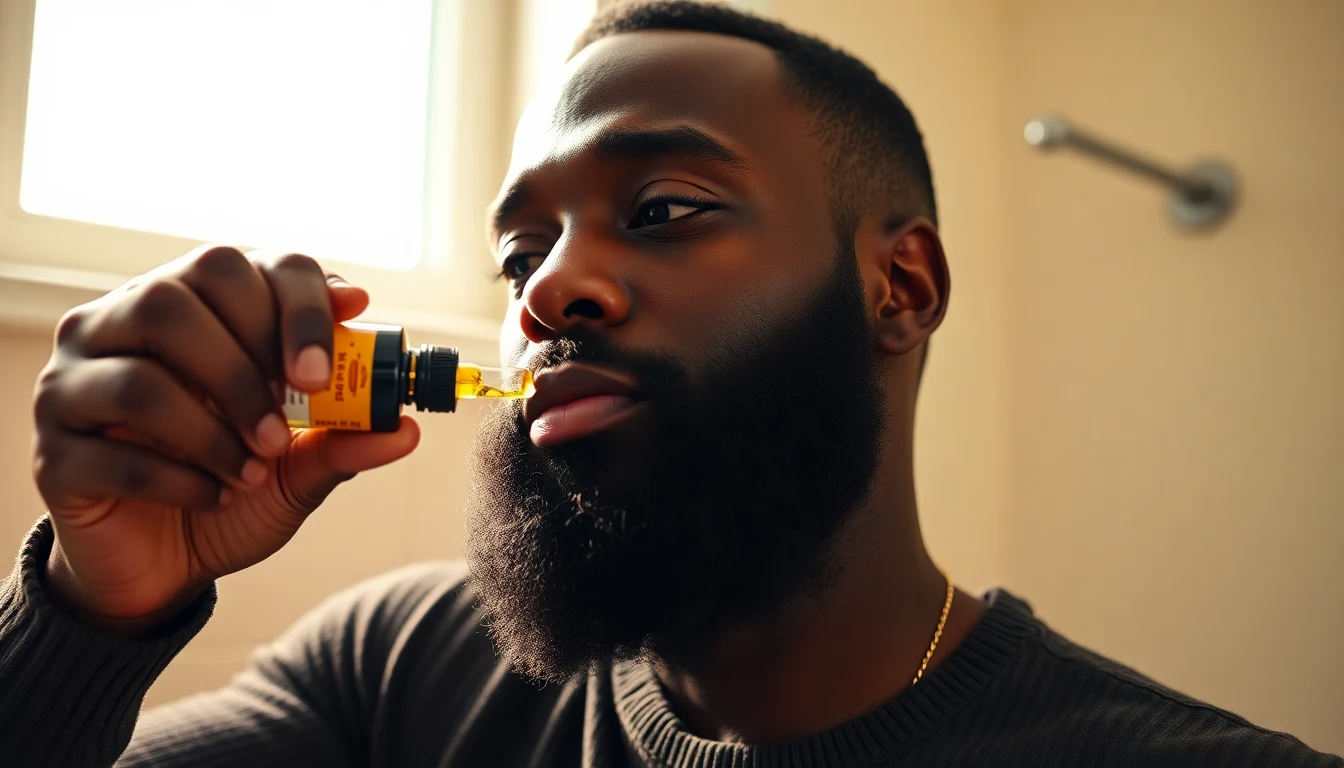
What’s Actually in Beard Oil?: Can You Use Beard Oil
Before we talk about putting beard oil on your head, it helps to understand what you’re working with. Most quality beard oils are built on a base of carrier oils, sometimes blended with essential oils for scent and minor therapeutic benefits.
The carrier oils do the heavy lifting. These are plant-derived oils that moisturize, soften, and condition hair. Common ones include jojoba oil, argan oil, sweet almond oil, grapeseed oil, and sometimes coconut or castor oil. The essential oils on top (think tea tree, cedarwood, eucalyptus) add fragrance and occasionally help with things like dandruff or inflammation.
Here’s the thing: many of these exact same carrier oils show up in dedicated hair products. Jojoba oil is a staple in hair serums. Argan oil is practically synonymous with hair care at this point. So the ingredients themselves aren’t foreign to your scalp or hair. The difference comes down to concentration, formulation, and what else might be mixed in.
Which Beard Oil Ingredients Work Well on Hair
Not all beard oils are created equal, and some will treat your hair better than others. Here are the ingredients you want to see on the label if you’re planning to double-dip.
Jojoba Oil
Jojoba is probably the best crossover ingredient between beard care and hair care. Technically a liquid wax ester, jojoba closely mimics the natural sebum your scalp produces. That means it absorbs well without leaving a heavy, greasy residue. It moisturizes both the hair shaft and the scalp, helps control flaking, and won’t clog your pores. If your beard oil is jojoba-based, you’re in good shape to use it on your hair. Leven Rose Jojoba Oil is one of the purest options out there, and it works beautifully on both beard and head hair.
Argan Oil
Argan oil has been a cornerstone of hair care long before the beard oil industry took off. It’s rich in vitamin E and fatty acids, which help reduce frizz, add shine, and protect against heat damage. If your beard oil contains argan, it’ll do good work on your hair too. Just keep in mind that a little goes a long way, especially on finer hair textures.
Sweet Almond Oil
Lightweight and nutrient-dense, sweet almond oil is another ingredient that plays well on both sides. It’s particularly good for guys dealing with a dry, itchy scalp because it absorbs smoothly and delivers vitamins A, B, and E right where they’re needed. It softens hair without weighing it down, making it a solid choice for everyday moisture.
Grapeseed Oil
Grapeseed is one of the lightest carrier oils you’ll find in beard products. It’s non-comedogenic (won’t clog pores), absorbs fast, and adds a subtle shine. For guys with oily scalps or thinner hair, a grapeseed-heavy beard oil is the safest bet for head use.
Ingredients to Watch Out For
While most beard oil ingredients are hair-friendly, a few can cause problems if you’re applying them to your scalp and head hair regularly. Mastering can you use beard oil takes practice but delivers great results.
Heavy Waxes and Butters
Some beard oils, particularly “beard balm hybrids,” contain shea butter, beeswax, or cocoa butter. These are fantastic for taming a thick beard, but they can build up on your scalp and weigh down your hair. If you’re dealing with dry hair that needs moisture, a little shea butter won’t hurt occasionally. But for daily use on your head, stick to pure oil formulations. Mastering can you use beard oil takes practice but delivers great results.
Strong Essential Oil Concentrations
Your scalp can be more sensitive than your face, especially around the hairline. Beard oils with high concentrations of peppermint, cinnamon, or clove essential oils might cause irritation if applied directly to your scalp. A mild tingling is fine. A burning sensation means you need to wash it out and switch to something gentler.
Synthetic Fragrances
Quality beard oils use natural essential oils for scent. Budget options sometimes cut corners with synthetic fragrances that can dry out your hair and irritate your scalp over time. If the ingredient list includes “fragrance” or “parfum” without specifics, be cautious about putting it on your head.
How to Use Beard Oil on Your Hair the Right Way
If you’ve checked your ingredients and everything looks clean, here’s how to actually apply beard oil to your hair without overdoing it.
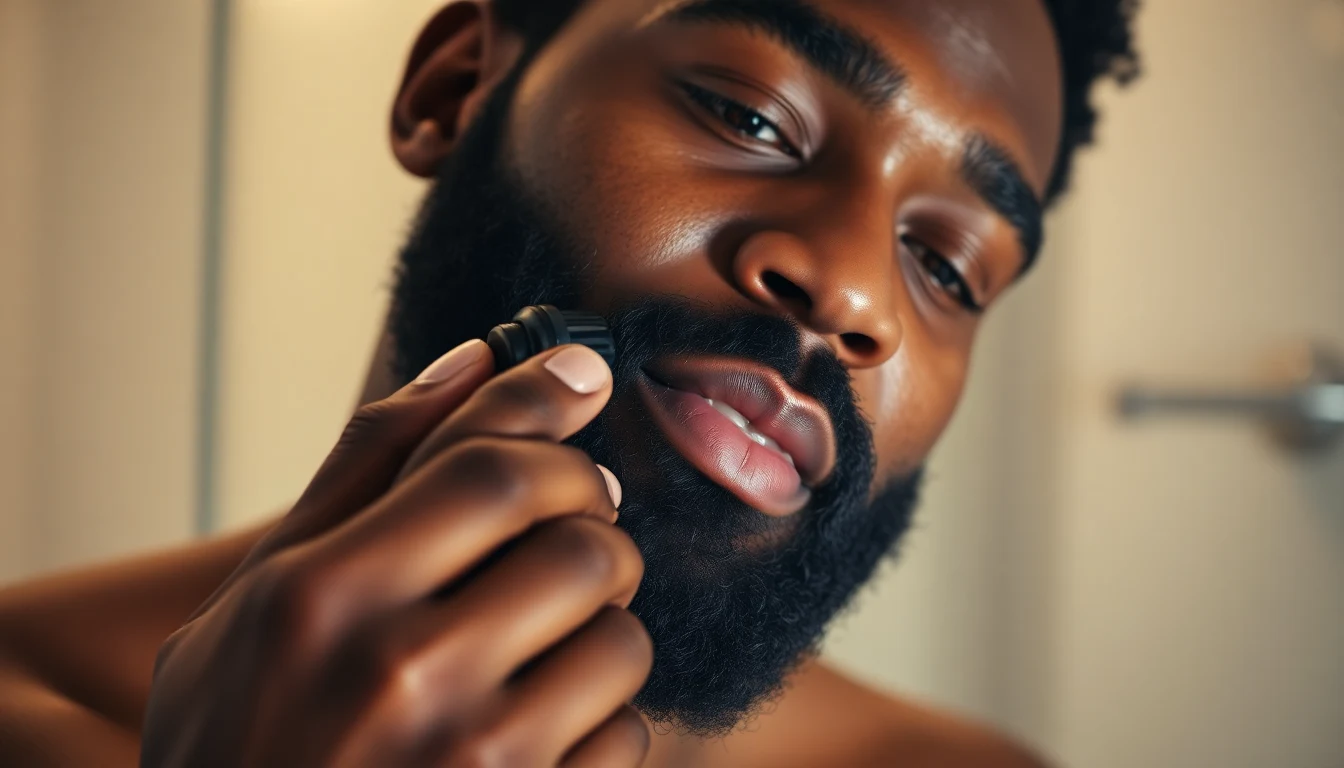
Start With Less Than You Think
Your head has more hair than your face (hopefully), but that doesn’t mean you need more oil. Start with 3 to 4 drops for short to medium hair, or 5 to 6 drops for longer styles. You can always add more. You can’t easily take it back once your hair looks like you dunked it in a fryer.
Apply to Damp Hair
The best time to apply is right after a shower when your hair is still slightly damp. Water opens the hair cuticle, which lets the oil penetrate deeper and distribute more evenly. Rub the oil between your palms, then work it through your hair from root to tip. Don’t just slap it on top. Get your fingers into your scalp and really work it in. For more guidance, GQ provides expert resources on men’s grooming.
Focus on Problem Areas
If you’re using beard oil on your hair for a specific reason (dry ends, flaky scalp, frizz control), focus the application where you need it most. For dry scalp, massage directly into the skin. For frizzy or dry ends, concentrate on the last few inches of your hair. For overall moisture, distribute evenly but sparingly.
Don’t Replace Your Regular Routine
Using beard oil on your hair works best as a supplement, not a replacement. Keep your regular shampoo, conditioner, and any other hair products in rotation. The beard oil fills in the gaps, adds a layer of moisture, and can help between wash days. But it’s not formulated to handle everything your hair needs on its own, especially if you have a dedicated grooming routine you’re already committed to.
Beard Oil vs. Dedicated Hair Oil: What’s the Real Difference?
Let’s be honest about what separates these two products, because the overlap is significant.
Formulation Focus
Beard oils are formulated for coarse, thick facial hair and the sensitive skin underneath. They tend to be richer and more concentrated because beard hair is wiry and needs extra conditioning. Hair oils are often lighter, designed to work with a wider range of textures, and may include additional ingredients like silicones or proteins that target specific hair concerns.
Absorption Rate
Because beard oils are built for thicker hair, they can feel heavier on fine or thin head hair. A dedicated hair oil from a brand that specializes in your hair type will usually absorb better and perform more consistently. That said, if you have coarse, thick, or textured hair, you likely won’t notice much difference.
Cost Efficiency
Here’s where it gets practical. A good beard oil like Honest Amish Classic Beard Oil or Beardbrand Tree Ranger typically comes in a 1 to 2 oz bottle. Using it on both your beard and your hair means you’ll burn through it twice as fast. If budget matters, it might make more sense to buy a separate, larger bottle of hair oil and keep your beard oil for your beard. But if you’re in a pinch or traveling light, one bottle for both absolutely works. Understanding can you use beard oil is key to a great grooming routine. Understanding can you use beard oil is key to a great grooming routine.
The Bottom Line on Comparison
For most guys, the functional difference between a high-quality beard oil and a high-quality hair oil is minimal. The ingredients overlap heavily. The main distinctions are in packaging size, marketing, and sometimes the inclusion of hair-specific additives in dedicated products. If you have textured or coarse hair and a clean-ingredient beard oil, you’re not losing anything by using it on your head.
Best Use Cases for Beard Oil on Hair
There are specific situations where reaching for your beard oil to use on your hair makes a lot of sense.
Dry Scalp Relief
If you deal with a dry, flaky scalp, a jojoba or argan-based beard oil can work wonders. Massage a few drops into your scalp before bed, and let it absorb overnight. The natural oils help restore moisture balance and calm irritation. This is especially effective during winter months when indoor heating dries everything out.
Coarse Hair Moisturizing
Black men with coarse, textured hair often find that beard oil provides the kind of deep, concentrated moisture their hair craves. The thick carrier oils that work on wiry beard hair are the same ones that soften and define coarse head hair. Apply after washing and conditioning for a smooth, moisturized finish that lasts all day. (We recommend this SFC Natural King Pro-Growth Hair &.)

Travel and Minimalism
When you’re packing for a trip and don’t want to bring your entire bathroom shelf, a versatile beard oil can pull double duty. One bottle for your beard, your hair, and even your cuticles if they’re dry. Learning to apply beard oil properly on both your face and head means you get more mileage from every drop.
Between Wash Days
On days when your hair feels dry but you don’t want to do a full wash-and-condition cycle, a couple drops of beard oil can refresh things. Work it through your hair, re-shape your style, and you’re good. It’s quick, effective, and you’re using a product you already have on hand.
Hot Oil Treatment Alternative
If you’re into hot oil treatments for your hair, your beard oil can serve as the base. Warm a tablespoon of beard oil between your hands (or carefully in a small bowl), apply it to your hair and scalp, cover with a shower cap, and let it sit for 20 to 30 minutes before washing out. The carrier oils will deeply condition your hair the same way they condition your beard.
When You Shouldn’t Use Beard Oil on Your Hair
There are also times when it’s better to skip the crossover.
If you have very fine or thin hair: Heavy beard oils will weigh your hair down and make it look flat and greasy. Stick to lightweight, dedicated hair products.
If your beard oil contains waxes: Beeswax and similar ingredients will build up on your scalp and require clarifying shampoo to remove. Not worth the hassle.
If you have a sensitive or acne-prone scalp: Some beard oil ingredients, particularly coconut oil and certain essential oil blends, can clog pores along your hairline. If you’re prone to scalp breakouts, test a small amount first. When it comes to can you use beard oil, technique matters most.
If you’re using styling products: Beard oil under pomade, gel, or wax can create a greasy, inconsistent texture. If you style your hair with hold products, apply the beard oil the night before and wash it out in the morning, or skip it on styling days. When it comes to can you use beard oil, technique matters most.
The Benefits of Beard Oil Translate to Hair
Everything that makes beard oil effective for your facial hair applies to head hair in similar ways. The moisturizing properties reduce breakage. The nutrient-rich oils support healthier growth over time. The conditioning effect makes hair softer and more manageable. And the scalp benefits (reduced dryness, less flaking, better circulation from massage) are universal regardless of where on your head you’re applying the product.
The key is understanding that beard oil is not some magical, beard-exclusive formula. It’s a blend of natural oils that benefit hair and skin. The “beard” label is about marketing and intended use, not about the ingredients being fundamentally different from what you’d find in quality hair care.
Frequently Asked Questions
Will beard oil make my hair grow faster?
No. Beard oil moisturizes and conditions, but it won’t speed up hair growth on your head. What it can do is reduce breakage and keep your hair healthier, which means you retain more length over time. Healthy hair that doesn’t break off at the ends will appear to grow faster, even though the actual growth rate stays the same.
Can I use beard oil on my hair every day?
If your beard oil is made with lightweight carrier oils like jojoba or grapeseed, daily use is fine for most hair types. For thicker, richer blends, every other day or a few times a week is better to avoid buildup. Pay attention to how your hair feels and adjust accordingly.
Is beard oil the same as hair serum?
Not exactly. Hair serums often contain silicones, proteins, or other synthetic ingredients designed for specific hair concerns like heat protection or shine enhancement. Beard oil is typically all-natural carrier and essential oils. The moisturizing effect is similar, but serums may offer targeted benefits that beard oil doesn’t.
Can beard oil help with dandruff?
It can help with dry-scalp flaking, which many people mistake for dandruff. True dandruff (seborrheic dermatitis) is a fungal condition that requires medicated treatment. But if your flakes are caused by simple dryness, massaging beard oil into your scalp regularly can make a real difference.
What’s the best beard oil to use on hair?
Look for one that’s jojoba or argan-based with minimal heavy additives. Leven Rose Pure Jojoba Oil is excellent because it’s a single ingredient with no fillers. For a more traditional beard oil blend that still works great on hair, Honest Amish Classic Beard Oil is hard to beat.
Final Thoughts
Can you use beard oil on your hair? Yes. Should you? In most cases, absolutely, especially if you have coarse or textured hair that benefits from rich, natural oils. The ingredients in quality beard oils are the same ones that high-end hair products charge a premium for. You’re not hacking the system or doing anything risky. You’re just being smart about what you already own.
Check your ingredient list, start with a small amount, and see how your hair responds. If it feels softer, looks healthier, and your scalp isn’t complaining, you’ve found yourself a two-for-one product. And if you’re looking to build out a complete grooming routine that covers everything from your beard to your hairline, start with our complete beard care guide and work from there.
Further reading: For research-backed grooming advice, see Healthline Men’s Health.
Explore more tips at CulturedGrooming.com.
Further reading: For research-backed grooming advice, see Healthline Men’s Health.
Frequently Asked Questions
Can you use beard oil on your hair if you have a sensitive scalp?
Yes, but you should check the ingredient list first and do a patch test. Avoid beard oils with strong essential oil concentrations or synthetic fragrances, as these can irritate sensitive scalps. Start with a small amount on damp hair focused on problem areas rather than your entire scalp.
Is beard oil the same as regular hair oil?
Not exactly. Beard oils are typically formulated with lighter carrier oils like jojoba and argan oil that absorb quickly, while dedicated hair oils may contain heavier waxes and butters designed for thicker strands. Beard oil can work on head hair, but it may not provide the same moisturizing benefits as a dedicated hair oil for coarse or textured hair.
What’s the best way to apply beard oil on your hair without making it greasy?
Start with less product than you think you need, apply it to damp rather than dry hair, and focus on the mid-lengths and ends instead of your scalp. Using beard oil on your hair works best when you incorporate it as a supplement to your regular routine rather than a replacement for your shampoo and conditioner.
Can beard oil help with dry scalp and dandruff?
Beard oil can provide temporary relief for dry scalps, especially formulas containing nourishing ingredients like argan oil or sweet almond oil. However, if you’re dealing with persistent dandruff, you should consult a dermatologist, as beard oil alone may not address the underlying cause and could sometimes worsen the condition depending on your scalp sensitivity.