“German haircut” is a search with a specific answer, and it is not a range of styles. Overwhelmingly it means one thing: the disconnected undercut, short or shaved at the sides with a sharp break rather than a blend, and length kept on top.
That style also carries a popular name with a genuinely uncomfortable history, and a guide that pretends otherwise is not much use to anyone who has already encountered it. So this covers what the cut is, where the naming comes from, and how to ask for it without the ambiguity.
The cut itself
A disconnected undercut has three parts.
The sides and back are cut to a single short length, usually somewhere between a zero and a three, with no graduation.
The disconnection is the defining feature: instead of the sides blending up into the top, there is a hard step. The top length simply begins, sitting over the short sides like a lid. A fade is a gradient; this is deliberately not one.
The top is left long, typically three to six inches, and worn slicked back, side-parted, or pushed forward depending on the era being referenced.
It is a high-contrast, high-maintenance, unmistakably deliberate cut. It suits thick straight or slightly wavy hair best, because the top needs enough weight to sit rather than separate.
On the name
The disconnected undercut is widely called the “Hitler Youth” cut, and anyone researching it will run into that term quickly.
The cut itself long predates the association. Disconnected undercuts were common across Europe from the 1910s and 1920s, driven partly by practicality and partly by fashion, and they appear on plenty of people with no connection to the politics that later attached to them. The style’s association with a specific 1930s German youth organisation is real, and it is also the reason the name persists in barbering slang nearly a century later.
Two practical consequences. First, the cut is worn very widely today with no political meaning whatsoever, and has been a mainstream men’s style for over a decade. Second, the name is worth avoiding in a barbershop, both because it is an unpleasant thing to say out loud and because it is imprecise. Ask for a disconnected undercut and you will get the cut without the conversation.
If a specific variant is what you want, describe the top: slicked back, side-parted, or textured and forward. That is what actually differentiates the versions.
Other cuts the search covers
The classic short back and sides
Tapered rather than disconnected, short at the sides, moderate on top, side-parted. The conservative German cut and still standard across much of central Europe. Low maintenance and hard to get wrong.
The modern textured crop
Short, forward, slightly messy at the fringe. It has displaced the slicked styles among younger men across Germany as it has almost everywhere else.
The buzz cut
Common, practical, and genuinely flattering on the stronger jaw and brow that a lot of northern European faces carry.
The longer side-part
Four or more inches on top, tapered rather than disconnected sides, parted and combed. The style the disconnected undercut is a sharpened version of, and a considerably softer look.
The four ways to wear the top
The disconnection is fixed; what changes the look entirely is what you do above it.
Slicked back
The most traditional. Firm-hold pomade on damp hair, combed straight back from the hairline with no part. High contrast, high formality, and the version that most resembles the historical references. It needs genuine length, four inches or more, or the hair will not reach the crown.
Side-parted
A hard part combed to one side over the disconnection. Slightly softer than the slick back and considerably more wearable day to day. Many barbers will razor a line to hold the part; ask for it if you want the part to survive the day, and skip it if you want the option of changing your mind.
Textured and forward
Matte clay, worked with the fingers, pushed forward rather than back. This is the contemporary version and it is what most men under thirty wearing the cut actually do. It also disguises the severity of the disconnection, which makes it the most forgiving option.
Long and loose
Six inches or more on top, left to fall where it wants. The disconnection is still there but the volume softens it almost entirely. The most low-maintenance version and the one furthest from the historical reference.
The taper alternative, in detail
If the disconnected version is too severe for your face, hair or workplace, a tapered undercut gets you most of the effect and removes most of the risk.
The difference is one instruction to your barber. Instead of “hard disconnection”, ask for “a short taper on the sides with length left on top”. The sides still go short, the top still carries volume, but the transition is a gradient instead of a step.
What you gain: it flatters more face shapes, it is far kinder to a receding hairline because there is no hard line pointing at it, it grows out gracefully, and you can go five or six weeks between cuts instead of two or three.
What you lose: the sharpness. The disconnection is the whole visual idea, and a taper is a quieter cut by design.
Styling, step by step
The order matters more than the product.
Start with towel-dried hair. Not soaking, which dilutes product to nothing, and not fully dry, which will not take a new shape without heat.
Blow-dry the top in the direction you want it before any product goes near it. This is the step almost everybody skips and it is the one that decides whether the style holds. Thirty seconds with a dryer and your fingers pulling the hair back or forward sets the root direction; product applied to flat hair just weighs down flat hair.
Warm the product between your palms until it is nearly invisible, then work it through from the back forward. Starting at the front loads the fringe and leaves the crown bare.
Comb only if you want a slick or a part. For the textured version, fingers only; a comb removes exactly the separation you are trying to create.
Whether it suits you
The disconnected undercut is a demanding cut and it is not universally flattering.
It works best with thick straight or lightly wavy hair, a strong jaw, and a face with enough length to carry the height on top. The contrast between bare sides and heavy top exaggerates whatever your head shape already does.
It works badly with fine hair, which cannot produce the weight the top needs; with a receding hairline, because the hard disconnection draws a line straight to it; and on a round face, where bare sides and volume on top widen and heighten simultaneously.
Consider a taper instead if any of those apply. A tapered undercut gives most of the same effect with far more forgiveness, and it grows out gracefully rather than awkwardly.
Growing it out
Worth knowing before you commit: the disconnected undercut has one of the worst grow-out phases of any men’s cut. The hard line does not soften, it simply descends, and for several weeks you have a visible step partway down the side of your head.
The way through is to have a barber blend the step into a taper rather than waiting it out, which converts the cut into something wearable in one appointment instead of two months.
Maintenance and styling
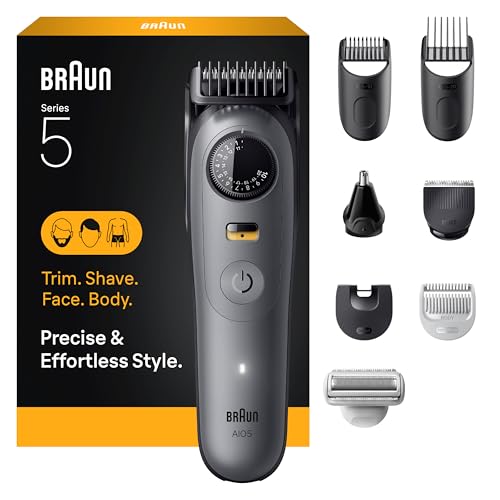
The sides need re-cutting every two to three weeks. The disconnection is the style, and a disconnection with a week of growth under it is just an undercut that needs a haircut.
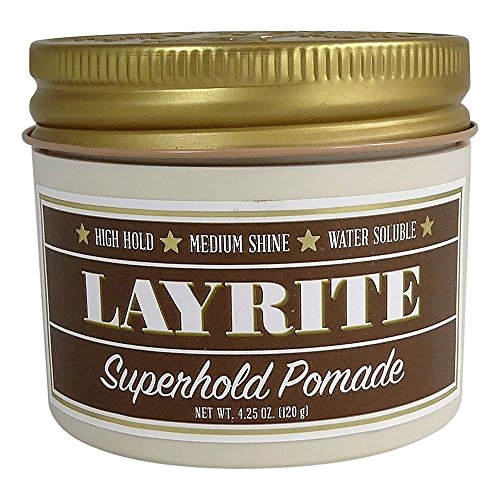
The top is where the styling happens. For a slicked-back finish, use a firm-hold pomade on damp hair and comb it back; for a textured finish, a matte clay on dry hair worked through with the fingers. The same cut reads as 1930s or as contemporary depending entirely on which of those you do.

Blow-drying the top back before applying product is what makes a slicked style hold. Most men skip it, apply product to flat hair, and then wonder why it collapses.
Common mistakes
Asking for a fade and expecting a disconnection, or the reverse. They are opposite instructions and the words are not interchangeable.
Going too short on top. The style depends on there being enough weight above the disconnection to read as a deliberate mass. Three inches is the practical minimum and four is better.
Wearing it on fine hair. This is the most common mismatch. Fine hair separates over the short sides instead of sitting as a block, and the result looks sparse rather than sharp.
Letting the sides grow. At three weeks the disconnection has soft growth under it and the entire visual idea is gone. This cut does not stretch to six weeks.
Skipping the blow-dry and then blaming the pomade. Product applied to flat hair produces flat hair with product in it.
Trying to fade out the disconnection yourself when you get bored of it. Have a barber convert it to a taper in one appointment instead.
Why the cut keeps coming back
The disconnected undercut has returned roughly every generation since the 1920s, and the reason is mechanical rather than fashionable: it is the most efficient way to make a head of thick hair look deliberate with a single hard line.
It requires no blending skill of the kind a good fade demands, which historically made it fast and cheap to execute. It reads clearly at a distance and in photographs. And it suits the hair type common across northern and central Europe, which is where it took hold.
The current revival dates to the early 2010s and arrived through television and football rather than through barbering, which is also why it spread faster than the vocabulary to describe it did. That vocabulary gap is why so many people end up searching for it by the name nobody should be saying in a barbershop.
Frequently Asked Questions
What is a German haircut?
In search terms it almost always means the disconnected undercut: short or shaved sides with a hard break rather than a blend, and length kept on top. Other cuts described as German are the classic tapered short back and sides, the textured crop and the buzz.
What should I ask my barber for?
“A disconnected undercut”, then describe the top: slicked back, side-parted, or textured forward. Avoid the popular nickname; it is both unpleasant and imprecise, and the technical term gets you the cut without the conversation.
Is a disconnected undercut the same as a fade?
No, and they are opposites in the one way that matters. A fade is a gradient from short to long. A disconnected undercut is a deliberate hard step with no gradient at all.
Does it suit thin hair?
Generally not. The top needs enough density to sit as a solid mass over the short sides, and fine hair separates instead. A tapered cut with moderate length is a better choice.
How often does it need cutting?
Every two to three weeks. The disconnection blurs as the sides grow and the effect depends entirely on that line being sharp.
What products do I need?
One, for the top. A firm-hold pomade if you are slicking it back or parting it, a matte clay if you are wearing it textured and forward. The sides need nothing at all. Anyone selling you a routine for this cut is selling you more than it requires.
Can I cut the sides myself between visits?
The sides, carefully, yes, since they are a single length with no blending. The disconnection line itself, no. That line is the entire style and re-cutting it a millimetre high each time walks it up your head over a couple of months.
Does it work with curly hair?
Less well. The top needs to sit as a solid mass over the short sides, and curly hair separates and expands instead. A tapered undercut with the curl left on top is the better version of the idea for curly hair.
How do I grow it out?
Have a barber blend the step into a taper rather than waiting. Left alone, the hard line simply migrates down the side of your head over several weeks and looks unintentional the whole time.
Where to go next
For the full range of fade and taper options and how they differ, see our guide to types of fades. For styling the top, our product guide for thick hair covers clays and pomades, and for the beard to pair with it, Italian beard styles.