The cut most people mean by “Iraqi haircut” is consistent enough to describe precisely: short or faded at the sides, real length left on top, and the top worn textured and pushed forward or up rather than combed flat. It is the dominant shape in Baghdad barbershops and across the diaspora, and it works because it is built around what the hair already does.
This guide covers that cut and the variations around it, what Iraqi hair tends to do, and how to brief a barber who has not worked with it.
What the hair does
Iraqi hair sits in the broader Levantine and Mesopotamian range, and three properties recur often enough to plan around.
Thick strands, high density. There is a lot of hair and each strand is substantial. That is an advantage for volume and a problem for anything meant to lie flat.
Wavy more often than straight. Frequently 2B to 3A, sometimes tighter. A great many Iraqi men treat this as straight hair that will not cooperate, which is the root of most styling complaints.
Dark and high contrast. Every line a barber cuts is visible. A clean fade looks immaculate; a blurred one looks obviously blurred. There is no middle ground and no texture to hide behind.
Growth is also generally fast, which is why three weeks between cuts is more realistic than six.
The cuts
The mid fade with a textured top
The default and the one worth asking for by name. Sides taken to a mid fade, two to four inches left on top, the top point-cut so the waves separate rather than sitting as a block. It suits nearly every face shape and it is forgiving as it grows out.
The high fade with a longer top
Sharper and more contemporary. The higher the fade, the more the top reads as a distinct mass, which suits a strong jaw and a face with enough length to carry the height. On a round face it adds width at the temples where you least want it.
The textured crop with a fringe
Short, forward, fringe left slightly separated. The lowest-maintenance option that still looks deliberate, and thick wavy hair produces the fringe texture without product.
The side part
Conservative, still standard for formal and family occasions. On wavy hair it needs the weight removed underneath or the part will not hold past mid-morning.
The short taper with a full beard
Very common and very effective. Most Iraqi men grow dense facial hair, and pairing a short cut with a shaped beard moves the visual weight to the jaw. It is also the least work of any option here.
Longer, layered, wavy
Achievable and increasingly worn. Requires layers or the shape goes triangular, and requires conditioning, because coarse wavy hair at length shows dryness clearly.
Choosing by face shape
Density gives you real control over silhouette, so this is worth getting right.
Round. Height on top, tight at the sides. A high fade with a textured top adds the vertical line. Keep width off the temples, which dense hair will produce unasked.
Square. Nearly anything, including a buzz. A textured crop keeps a strong jaw as the feature rather than softening it.
Long. Lower the fade and allow some width. A forward fringe shortens the face; height on top exaggerates it.
Heart-shaped. A fringe worn forward covers a wider forehead, and beard weight at the jaw balances the proportions.
The wave problem, which is not a problem
The usual complaint is hair that will not sit flat, and the usual response, more product and harder brushing, flattens the wave into a shapeless mass that rebounds by midday.
Wavy hair cut with the weight removed underneath, and dried in the direction you want it to sit, holds all day with very little product. The same hair cut bluntly and forced flat holds for about two hours.
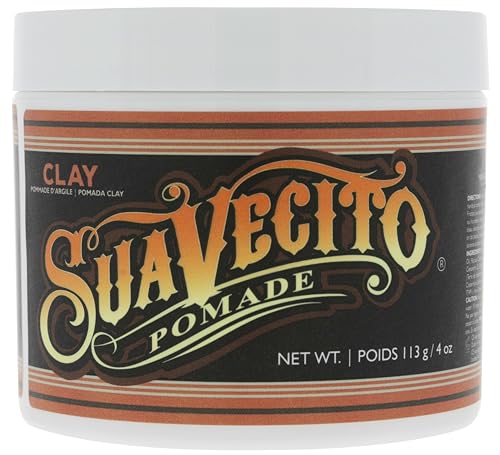
In practice: rough-dry with your fingers pushing the hair where it should go, use a matte clay rather than a pomade, and use less than you think. Shine on thick dark hair reads as grease at a distance.
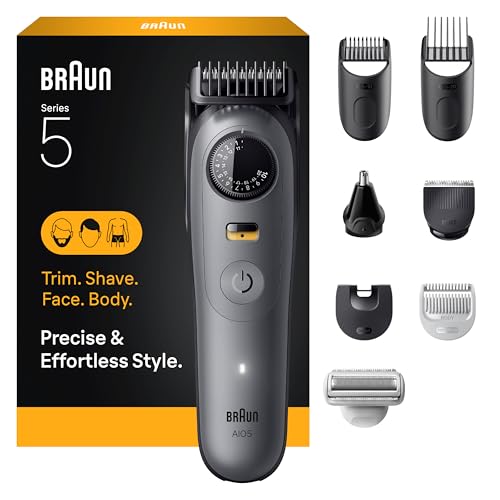
Beards
Facial hair is close to universal and usually dense. That brings two consequences.
Heavy shadow. If you shave clean you may have visible stubble by evening no matter how close you shaved, which is a function of density and colour rather than a shaving failure. Chasing it with a closer shave produces irritation, not a longer-lasting result.
A short, well-edged beard is usually the better answer than daily clean shaving. Our guide to shaped beard styles covers the edge-led approach that suits dense dark facial hair, and the principles carry directly across the region.
Finding a barber and briefing them
If you want a barber who works with this hair daily, the Middle Eastern barbershops in most large cities are the straightforward answer. Our city guides, such as Middle Eastern barbers in New York, cover several metros.
Wherever you go, brief them the same way.
Say the hair is wavy. A barber who assumes straight hair will cut it wet to length and hand you something shorter and flatter than you asked for.
Ask for weight removed underneath, and for the top to be point-cut rather than cut bluntly. Blunt cutting on thick wavy hair produces a helmet.
Give guard numbers for the sides. On dark hair the difference between a one and a two is plainly visible.
Say no to thinning shears. On coarse wavy hair they create a frizzy middle layer that takes months to grow out.
Mention your crown before the cut starts. A strong crown limits how short the top can go before it stands up on its own.
Products
Thick wavy dark hair needs three things and is actively harmed by most of the rest.
Matte clay or a firm paste. One product, warmed fully between the palms before it touches the hair. A cold clay applied directly leaves visible deposits in hair this dark, and it is the most common reason a style looks patchy rather than textured.
Conditioner, every wash. The thing most often skipped by men who assume thick hair is robust. Thickness is not hydration, and a dry wave frizzes instead of waving.
A leave-in, in summer. Iraqi summers are extreme, and sun plus dry heat lifts moisture out of the hair shaft faster than anything else in the year. A light leave-in does more than any product marketed for sun protection.
Avoid shine entirely. Pomades, gels and anything wet-look read as greasy on dense dark hair, particularly in heat. Matte is not a preference here, it is the only finish that survives the climate.
Common mistakes
Treating wavy hair as straight hair that misbehaves. It is the root of nearly every complaint in this guide and it leads directly to the next three.
Using twice the product the hair needs. Dense hair carries more product per strand, so the amount that works on fine hair is roughly double what this needs.
Air-drying and hoping. Thick hair sets in whatever direction the crown dictates, and ninety seconds of directed drying is the difference between a cut with shape and a cut without one.
Accepting thinning shears. On coarse wavy hair they produce a frizzy middle layer that is visible for months and cannot be styled away.
Going six weeks between cuts on a fade. The sides blur first on fast-growing dense hair, and a blurred fade is the entire cut undone.
Shaving closer to fight the five o’clock shadow. Density and colour cause the shadow, not an insufficient shave, and closer shaving buys irritation rather than time.
Maintenance
Wash two or three times a week. Thick hair is not oily hair, and daily washing strips it and prompts the scalp to overproduce, which is where most greasy-root complaints start.
Condition every wash. Coarse wavy hair loses moisture along the bends of the wave, and dry wavy hair frizzes instead of waving.
Rough-dry rather than air-dry. Ninety seconds with a dryer changes the result more than any product. Air-dried dense hair sets in whatever direction the crown dictates.
Book every three weeks for a fade. Fast-growing dense hair blurs the sides first, and a blurred fade is the whole cut gone.
Frequently Asked Questions
What is an Iraqi haircut?
In practice, a mid or high fade with two to four inches left on top, worn textured and pushed forward or up. It is the dominant shape in Iraqi barbershops and across the diaspora, and it is built around thick wavy hair rather than against it.
Is Iraqi hair curly or straight?
Most commonly wavy, around 2B to 3A, with plenty of variation either side. Many men assume they have uncooperative straight hair when they have wavy hair that has never been cut for waves.
Why does my hair go flat by the afternoon?
Usually too much product, product applied to hair that was still damp, or a cut that left too much weight underneath. Wavy hair holds its shape from the cut rather than from the product.
How often should I get a haircut?
Every three weeks for a fade or taper, four to six for longer styles. Dense fast-growing hair loses the fade first.
Should my barber cut my hair wet or dry?
Ask for the length to be checked dry before the finish if your hair is genuinely wavy. It sits longer wet and springs up as it dries, so cutting to length while wet takes off more than you asked for.
What product should I use?
One matte clay, warmed fully between your palms before it goes near the hair, and less of it than you think. Dense hair carries more product per strand than fine hair, so the amount that works on someone else is roughly double what you need. Skip anything with shine.
Why do I have stubble again by the evening?
Density and hair colour, not an inadequate shave. Dark dense facial hair shows a shadow within hours of a close shave, and shaving closer buys irritation rather than time. A short shaped beard is usually the better answer than fighting it daily.
Can I get a skin fade with this hair?
Yes, and dense dark hair gives one of the cleanest gradients there is. The same density shows a poor blend just as clearly, so the barber matters more here than the request does.
How do I stop the barber taking too much off the top?
Give the length you want in inches rather than saying “a trim”, and ask them to stop shorter than they think. You can always take more off next time.
Where to go next
For beard shaping, see our shaped beard styles guide. For fade variants and how they differ, types of fades, and for the technical treatment of thick coarse hair, our guide to dense hair.