Very straight, very thick per strand, and dense: Mongolian hair sits near the extreme on all three. It holds almost no curl, it will not be pushed into a shape, and it grows in one direction with real determination.
Add a climate that runs from well below freezing for months to hot and dry in summer, with some of the lowest humidity of any inhabited place, and you have a specific set of problems that generic hair advice does not address.
What very straight, very coarse hair actually does
Three behaviours drive every decision.
It falls. Weight wins over product on hair this straight. A style that relies on hair standing up or sweeping across will collapse within hours unless the cut itself supports it, because there is no texture for product to grip.
It shows every line. Dark, dense, straight hair makes a fade either immaculate or obviously flawed. There is no middle ground and no texture to hide behind.
It grows visibly fast at the sides. Straight hair growing out of a short taper shows the growth as a clear band rather than blending into itself. Three weeks reads as a haircut that needs doing.
Cuts that work with it
The short taper with a blunt top
Cut straight across rather than layered, kept short enough to stand on its own weight. The most reliable choice for very straight hair, because it does not ask the hair to do anything it will not do.
The textured crop
Works, but only if the barber point-cuts the top to create separation that the hair does not have naturally. Ask for it explicitly: a crop cut bluntly on straight hair sits as a solid block rather than as texture.
The mid fade with two to three inches on top
The default in Ulaanbaatar barbershops as everywhere else. Fades suit this hair type exceptionally well because the density gives a clean gradient, provided the barber is good enough to deliver it.
The buzz or very short crop
Genuinely practical in a climate where you wear a hat for six months of the year, and flattering on the broader facial structure common across the region.
Longer, blunt, straight
Shoulder-length or thereabouts, cut blunt rather than layered. Straight coarse hair at length hangs well and needs surprisingly little maintenance, which is why it has been worn that way here for a very long time.
The traditional styles, briefly
Historical Mongol men’s hairstyles are searched for often and worn almost never, so it is worth being clear about which is which.
The styles associated with the Mongol Empire period involved shaved sections of the crown with the remaining hair worn long, frequently in braids or loops behind the ears. The topknot appears in various forms across the region’s history. These are documented, they are worn today mainly in performance, ceremony and historical reenactment, and asking a barber for one is not a practical request.
If the appeal is the length and the braid rather than the shaved crown, that translates perfectly well into a modern long cut, which is covered above.
Cold, dry air, and what it does
This is the part that generic guides miss entirely, and it matters more here than the cut does.
Extremely low humidity strips the hair and the scalp. Static, flyaway hair and a tight, flaking scalp in winter are humidity problems, not dandruff. The response is conditioning and less frequent washing, not medicated shampoo.
Hat friction causes breakage. Six months of a hat on and off produces mechanical damage along the line where the hat sits, and it shows as short broken hairs standing up around the crown. A smoother lining, or simply a hat that is not pulled on and off twenty times a day, reduces it.
Indoor heating is drier than outdoors. The outdoor cold is not the main problem; heated indoor air at very low humidity for months is. A humidifier in the bedroom does more for winter hair and skin than any product.
Wash less in winter. Two or three times a week is plenty, and daily washing in a dry cold climate strips the hair of the only protection it has.
Facial hair
Facial hair tends to be sparse to moderate and slow-growing across much of East and Central Asia, and Mongolian men are generally at that end of the range. Cheek coverage in particular is often light.
That makes the disconnected and chin-focused beard styles a better fit than full beards. A moustache with a chin section, or a neat goatee, works with the growth rather than waiting on cheeks that may not fill in. Our guide to shaped beard styles covers the Balbo, circle beard and Van Dyke, all of which remove the cheeks from the design.
A clean shave is also a perfectly good answer, and with sparse growth it is considerably lower maintenance than it is for men who have to shave daily.
Choosing by face shape
Coarse straight hair gives a barber more control over silhouette than most hair types, because it holds whatever shape it is cut into rather than springing back.
Round or broad. Height on top and short at the sides. A high taper with a blunt top adds vertical line. Avoid leaving width at the temples, which dense straight hair produces by default.
Square or strong-jawed. Nearly anything works, including a buzz. A short crop keeps the jaw as the feature.
Long. Keep the height down and allow some width at the sides. A side-swept or forward-fringed crop shortens the face; a tall style exaggerates it.
Heart-shaped. A blunt forward fringe covers a wider forehead, and this hair type produces a very clean blunt fringe with no effort at all.
Products, and how few you need
Coarse straight hair is the least product-dependent hair type there is, and most routines sold for it are solving problems it does not have.
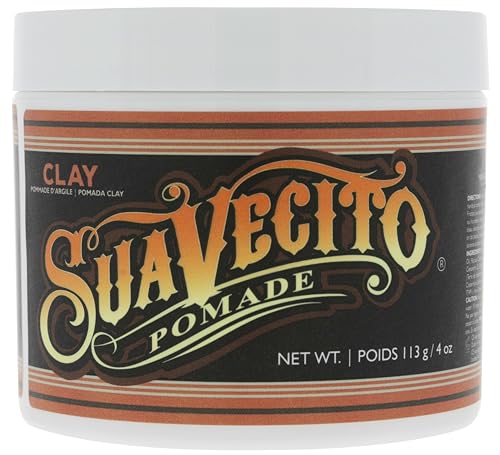
Matte clay or a firm paste. One product, used sparingly. Anything with shine looks greasy on dark straight hair, and anything soft simply weighs it down. Warm it fully between your palms first, because a cold clay applied directly leaves visible deposits in hair this dark.
Conditioner, every wash, in winter especially. The one thing this hair type genuinely needs, and the one most often skipped by men who assume thick hair is robust. Thickness is not the same as hydration.
A leave-in for the cold months. Static and flyaway hair in a low-humidity winter is a moisture problem, and a light leave-in addresses it better than any anti-static claim on a bottle.
Skip the volumising products. They exist for fine hair. On coarse straight hair they add nothing and leave residue.
Common mistakes
Using product to make the hair do something the cut does not support. On hair this straight, weight wins, and no amount of clay will hold a style the cut is fighting.
Washing daily through a dry winter. It strips the only protection the hair and scalp have when indoor humidity is at its lowest.
Treating winter flaking as dandruff and escalating to a medicated shampoo, which dries an already dry scalp further.
Asking for a textured crop and getting a blunt block, because nobody said the word texturise. Straight coarse hair does not produce its own separation.
Waiting six weeks between cuts on a taper. The regrowth band is visible at three weeks on this hair type in a way it is not on wavy or curly hair.
Talking to your barber
Say the hair is very straight and very thick. A barber who assumes normal density will leave too much weight and you will walk out with a helmet.
Ask for point cutting or texturising on top if you want anything other than a blunt finish. Straight coarse hair does not create its own separation.
Give guard numbers for the sides. On dark straight hair every millimetre is visible.
Book every three weeks if you wear a taper. The regrowth band shows sooner on this hair type than on any other.
Frequently Asked Questions
What is the best haircut for thick straight Mongolian hair?
A short taper with a blunt top, or a mid fade with two to three inches left on top. Both work with the weight of the hair rather than asking it to hold a shape it will not hold.
Why does my hair stick straight up after a haircut?
Because coarse straight hair cut short has enough stiffness to stand on its own, and the crown growth direction pushes it. Slightly more length gives the weight to lie down; very short removes the problem entirely. The awkward zone is in between.
Why is my scalp flaking in winter?
Usually dryness rather than dandruff, particularly in a low-humidity cold climate with heated indoor air. Wash less often, condition more, and add humidity to the room before reaching for a medicated shampoo.
Can I grow a full beard?
Possibly not, and that is common rather than a problem. Cheek growth is frequently light across the region. A chin-focused style like a goatee, circle beard or Balbo looks deliberate and works with what grows, rather than waiting on what may not.
How often should I get a haircut?
Every three weeks for a taper or fade, four to six for longer styles. Straight dense hair shows regrowth at the sides as a distinct band rather than blending.
Why does static make my hair unmanageable in winter?
Very low humidity. Dry air lets charge build on the hair and there is no moisture in the shaft to dissipate it. A leave-in conditioner and a humidifier in the bedroom do more than any product sold for static, which mostly works by adding the moisture the air is missing.
Is a skin fade a good idea on hair this dark and straight?
Yes, and it is one of the things this hair type does best, because the density produces a very clean gradient. The caveat is that it also shows a bad blend more clearly than any other hair type, so the barber matters more than the request.
Can I wear my hair long?
Easily. Straight coarse hair at length hangs well, needs little styling, and is best cut blunt rather than layered. Layering removes the weight that makes it hang cleanly in the first place.
Where to go next
For beard shaping that suits lighter cheek growth, see our guide to shaped beard styles. For the technical treatment of thick coarse hair generally, see our guide to cutting and styling dense hair, and for fade variants, types of fades.