Russian and broader Slavic hair sits at a different point from most of what men’s grooming content is written for: frequently fine to medium in strand diameter, usually straight or with a slight wave, and often lighter in colour than the Mediterranean and South Asian hair that dominates barbering advice.
Combine that with six months of hats and centrally heated indoor air and you get a specific problem set: hair that will not hold volume, static, and a scalp that dries out from October to April.
What fine straight hair needs from a cut
The defining constraint is that fine hair cannot carry weight. Length that would look full on thick hair looks limp on fine hair, because there is not enough mass to hold a shape.
So the cut has to do the work.
Shorter generally beats longer. Fine hair looks denser short because the hairs stand rather than lie.
Layers are a trap. Layering removes weight, and fine hair has little to spare. Too many layers produce wispy ends rather than movement.
Blunt cutting builds apparent density. A blunt line at the perimeter reads as thicker than a tapered one, which is why fine hair does better with a hard edge.
The cuts
The short crop with a blunt fringe
Short all over, fringe cut straight across. Reads as dense because the ends are blunt and the hair stands. Low effort and hard to get wrong.
The mid fade with a moderate top
Two to three inches on top, no more. The fade adds visual contrast that makes the top look fuller than it is, which is exactly what fine hair needs.
The classic side part
Still standard across much of Eastern Europe and still effective. On fine hair it needs to be blow-dried into place rather than combed flat, or it sits against the scalp.
The buzz
Honest and often the most flattering option for fine hair that is also thinning, because it removes the contrast between denser and sparser areas entirely.
Longer, blunt, straight
Achievable on fine hair only if cut blunt and kept in good condition. Layered long fine hair goes wispy at the ends very quickly.
Volume, which is the actual question
Most complaints about fine straight hair reduce to this, and most attempted solutions make it worse.
Blow-dry at the root, against the direction of growth. Thirty seconds with a dryer, fingers lifting the hair at the root, does more than any volumising product. Product cannot lift hair that has already dried flat.
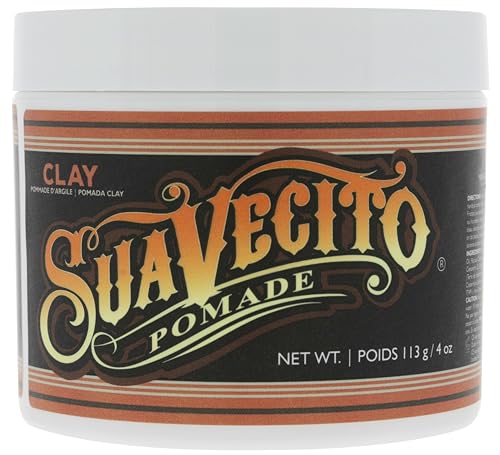
Use powder or a matte clay, not cream or pomade. Anything with weight or oil flattens fine hair on contact. A texture powder at the root is the single most effective product for this hair type and it is rarely recommended.
Wash more often than thick hair, not less. This is the opposite of the advice everywhere else. Fine hair goes flat from its own oils within a day or two, and clean fine hair has more volume than conditioned fine hair.
Condition the ends only. Conditioner at the root is the fastest way to lose volume for the rest of the day.
Winter: hats, static and dry heat
Six months of cold is not a minor variable.
Hat hair is compression plus static. A quick rewet at the root and thirty seconds of drying resets it; combing it does not.
Static is dry air. Fine hair generates and holds static more readily than coarse hair. A light leave-in conditioner or simply a humidifier in the bedroom reduces it far more than anti-static products.
Central heating dries the scalp harder than the outdoor cold does. Winter flaking is usually dryness rather than dandruff, and the response is less frequent washing with a gentler shampoo, not a stronger medicated one.
Wool linings cause friction. If you wear a hat for hours daily, a smoother lining reduces the breakage that shows up as short broken hairs around the crown.
Facial hair
Beard growth across Slavic populations is generally moderate to full, frequently lighter in colour than the head hair, and often with visible colour variation, including red in the beard on men whose head hair is not.
Lighter beard hair reads as sparser than it is, because the contrast against skin is lower. A slightly longer length compensates by increasing the visual density. Our shaped beard styles guide covers the edge-led approach, which works particularly well on lighter beards because a defined line reads clearly even when the colour does not.
Thinning, which arrives early for many
Fine hair shows thinning earlier than thick hair does, simply because there is less to lose before the scalp is visible.
Cut shorter rather than longer. The instinct to grow the top and comb it across is the most visible response available, and fine hair will not cover anything. A shorter cut with a lower fade keeps density around the perimeter and reduces the contrast that draws the eye.
Our thinning hair guide covers the treatment options and which have evidence behind them.
Choosing by face shape
Fine hair limits the options more than other types do, because the styles that rely on volume are largely unavailable.
Round. Height at the front, very short at the sides. A short crop with a slightly lifted fringe is about as much vertical line as fine hair will give you.
Long or narrow. Keep it flat on top and allow width. This is the one face shape that fine hair genuinely suits, because the styles it can hold are the styles that work here.
Square. A short crop or a buzz. The jaw does the work and the hair does not need to.
Heart-shaped. A blunt fringe worn forward covers a wider forehead and does not require volume to do it.
Talking to your barber
Say the hair is fine before anything else. A barber who assumes normal density will layer it, and layering is the one thing fine hair cannot afford.
Ask for blunt ends rather than a tapered perimeter. Blunt reads as thicker.
Ask them not to thin it. Thinning shears on fine hair remove what little density there is and leave wispy ends that take months to grow out.
Ask for it to be cut shorter than you think you want. Fine hair almost always looks better a little shorter than its owner expects.
The product list for fine hair, which is short and specific
Fine hair is the one type where the wrong product visibly damages the style immediately, so this matters more than it does elsewhere.
Texture powder. The most useful and least known product for this hair type. Sprinkled at the root and worked in with the fingertips, it adds grip and lift with essentially no weight. If you buy one thing, buy this.
Matte clay, used sparingly. For hold through the mid-lengths. A pea-sized amount; fine hair reaches its limit fast.
A lightweight shampoo. One of the few cases where the volumising label means something, because it mostly means less conditioning agent left behind.
Conditioner on the ends only. Never the root.
Nothing with oil, wax or shine. Pomades, creams and butters flatten fine hair on contact and cannot be recovered from without washing.
Common mistakes
Growing it longer to look thicker. Length works against fine hair, because weight pulls it flat and reveals the scalp rather than covering it.
Conditioning the roots. The most common single cause of fine hair going flat by midday.
Applying product before drying. Product on wet fine hair dries flat and sets that way.
Combing rather than lifting. A comb lays fine hair down; fingers and heat lift it.
Treating winter scalp dryness with a medicated dandruff shampoo, which dries it further.
Pulling a hat on and off all day. The friction breaks fine hair faster than coarse.
Frequently Asked Questions
What is the best haircut for fine straight hair?
A short crop with a blunt fringe, or a mid fade with two to three inches on top. Both create apparent density: blunt ends read as thicker, and the fade contrast makes the top look fuller.
How do I get volume in fine hair?
Blow-dry at the root against the growth direction, and use a texture powder or matte clay rather than anything creamy. Product cannot lift hair that has already dried flat, so the drying is the step that matters.
Should I wash fine hair daily?
More often than thick hair, yes, which is the opposite of the usual advice. Fine hair flattens under its own oils within a day or two, and clean fine hair holds more volume.
Why is my scalp flaking in winter?
Usually dry indoor heat rather than dandruff. Wash less aggressively, use a gentler shampoo, and add humidity to the room before escalating to medicated products.
How do I fix hat hair?
Wet the roots and dry for thirty seconds with your fingers lifting at the scalp. Combing redistributes flat hair; only heat and lift reset it.
Will a shorter cut make my hair look thicker?
Usually yes. Short fine hair stands rather than lies, and standing hair covers scalp more effectively than lying hair does. It is the single most reliable change available and it costs nothing.
Should I use a dandruff shampoo in winter?
Only if you actually have dandruff, which is a fungal condition with greasy yellowish flakes. Dry white flaking in a heated indoor winter is dryness, and a medicated shampoo makes it worse. Try a gentler shampoo and less frequent washing first.
Can fine hair carry a long style?
Only if cut blunt and kept in good condition, and even then it will read as flatter than the same length on thicker hair. If length matters more to you than volume it is workable; if volume matters more, it is not.
Where to go next
For beard shaping, see our shaped beard styles guide. For thinning, the thinning hair guide, and for fade variants, types of fades.